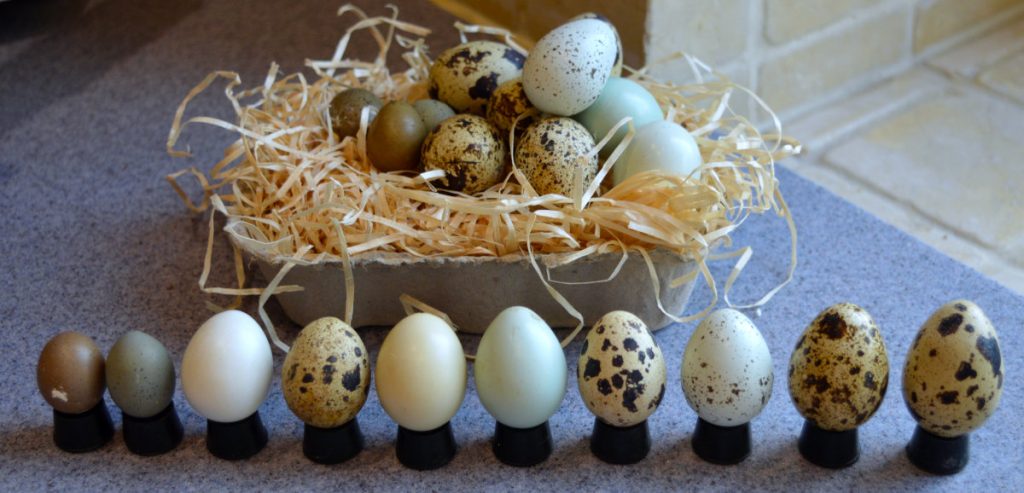
Have you ever found yourself wondering whether those tiny, speckled quail eggs in your kitchen need to be refrigerated? It’s a question that might seem simple but has sparked curiosity among many culinary enthusiasts and health-conscious individuals alike.
Quail eggs are not only a delightful addition to your diet, but they also come with their own set of storage guidelines that might surprise you. Understanding these can make a significant difference in their taste, texture, and safety. Stick around as we crack open the secrets of quail egg storage, revealing what truly keeps them fresh and delicious.
You’ll discover tips that could enhance your culinary adventures and possibly change the way you think about these little nutritional powerhouses.

Credit: silverhomestead.com
Quail Eggs Shelf Life
Understanding the shelf life of quail eggs helps keep them safe and tasty. These small eggs have different storage needs compared to chicken eggs. Knowing how long they stay fresh aids in planning meals and avoiding waste.
Freshness Duration
Fresh quail eggs last about 4 to 5 weeks when refrigerated properly. At room temperature, their freshness reduces to 1 to 2 weeks. The shell helps protect the egg, but it is thinner than chicken eggshells. This makes refrigeration more important for longer freshness.
Factors Affecting Longevity
- Storage Temperature:Cooler temperatures slow down bacteria growth.
- Egg Cleanliness:Dirty eggs spoil faster due to bacteria on the shell.
- Humidity:High humidity can cause eggshells to weaken.
- Handling:Cracked eggs spoil quickly and should be used immediately.
- Age at Purchase:Older eggs have shorter shelf life even if refrigerated.
Refrigeration Benefits
Refrigerating quail eggs offers clear benefits that go beyond just keeping them cool. It helps maintain their freshness and safety, ensuring you get the best taste and nutrition every time you use them. Here’s how refrigeration plays a crucial role in preserving your quail eggs.
Preserving Quality
Storing quail eggs in the fridge slows down the aging process and prevents them from drying out. You’ll notice the shells stay firm and the yolks stay rich and vibrant for longer periods. When I first started refrigerating my quail eggs, I found they stayed fresh for up to three weeks, compared to just a few days at room temperature.
Keeping eggs cold also helps preserve their natural flavors and texture. If you enjoy delicate recipes, like soft-boiled quail eggs or gourmet salads, this freshness makes a noticeable difference.
Preventing Bacterial Growth
One of the biggest risks with eggs is bacterial contamination, especially from Salmonella. Refrigeration significantly reduces this risk by slowing down bacteria multiplication. This means you can store your quail eggs safely without worrying about foodborne illnesses.
Have you ever wondered how long you can keep eggs without refrigeration before they become unsafe? Keeping them chilled minimizes that risk and gives you peace of mind.
Remember to store your eggs in their carton or a covered container to protect them from absorbing odors or moisture in the fridge. This extra step helps maintain their safety and quality even further.
When To Refrigerate
Knowing exactly when to refrigerate quail eggs can save you from wasting them and keep their taste fresh. It’s not always necessary to chill them immediately, but certain conditions call for it. Understanding these moments helps you handle your eggs the right way every time.
Unwashed Vs Washed Eggs
Unwashed quail eggs have a natural protective coating called the bloom. This layer keeps out bacteria and moisture, allowing you to store them safely at room temperature for up to two weeks.
Washed eggs lose this protective layer, making them more vulnerable to contamination. Once washed, quail eggs should be refrigerated right away to keep them safe and fresh.
If you buy eggs from a market where they are cleaned, assume they need refrigeration. But if you collect fresh eggs yourself and haven’t washed them, you might keep them cool but not necessarily refrigerated.
Climate Considerations
Your local climate plays a big role in egg storage. In warm and humid areas, bacteria grow faster, so refrigerating quail eggs is safer.
If you live somewhere cool and dry, room temperature storage for unwashed eggs can work well. But ask yourself—how often does your kitchen temperature rise above 70°F (21°C)? If frequently, refrigeration is the smarter choice.
Remember, sudden temperature changes can cause condensation, which encourages bacteria. Keeping eggs in a stable, cool environment is key.
Proper Storage Methods
Storing quail eggs properly keeps them fresh and safe to eat. Proper storage extends their shelf life and maintains quality. Understanding the right temperature and packaging helps protect the eggs from damage and bacteria. This section explains the best ways to store quail eggs at home.
Ideal Temperature
Quail eggs stay fresh longer at cool temperatures. The best range is between 33°F and 40°F (1°C to 4°C). Keeping eggs in this range slows bacterial growth. Avoid freezing eggs, as it can damage their texture and taste.
Store eggs in the main part of the refrigerator, not in the door. The temperature in the door fluctuates more. A steady cool environment preserves the eggs’ quality.
Packaging Tips
Use a clean container to store quail eggs. A carton or egg tray works well. It keeps eggs from rolling and breaking.
- Place eggs with the pointed end down.
- Cover eggs with a damp cloth or paper towel to keep humidity.
- Avoid washing eggs before storage to preserve their natural coating.
Label the container with the date of storage. This helps track freshness and use eggs in time.
Alternatives To Refrigeration
Quail eggs do not always need refrigeration. There are other ways to keep them fresh for days. These alternatives work well when you lack a fridge or want to store eggs naturally. Proper storage keeps eggs safe and tasty.
Cool, Dry Places
Store quail eggs in a cool, dry spot away from sunlight. A pantry or cellar works well. The temperature should stay below 70°F (21°C). Avoid humid or warm areas that speed up spoilage. Place eggs in a carton or basket to protect them from damage.
Natural Preservation Techniques
Some natural methods can extend quail eggs’ freshness without cold storage. Coating eggs in mineral oil seals pores and slows moisture loss. Another way is storing eggs in a mixture of water and salt or lime. These techniques reduce bacteria growth and keep eggs usable for weeks.

Credit: delivery.publix.com
Signs Of Spoiled Quail Eggs
Knowing the signs of spoiled quail eggs can save you from unpleasant surprises and potential health risks. These tiny eggs are delicate, and spoilage can happen faster than you expect, especially if they’re not stored properly. Paying close attention to visual cues, smell, and texture will help you decide whether your quail eggs are still safe to eat.
Visual Indicators
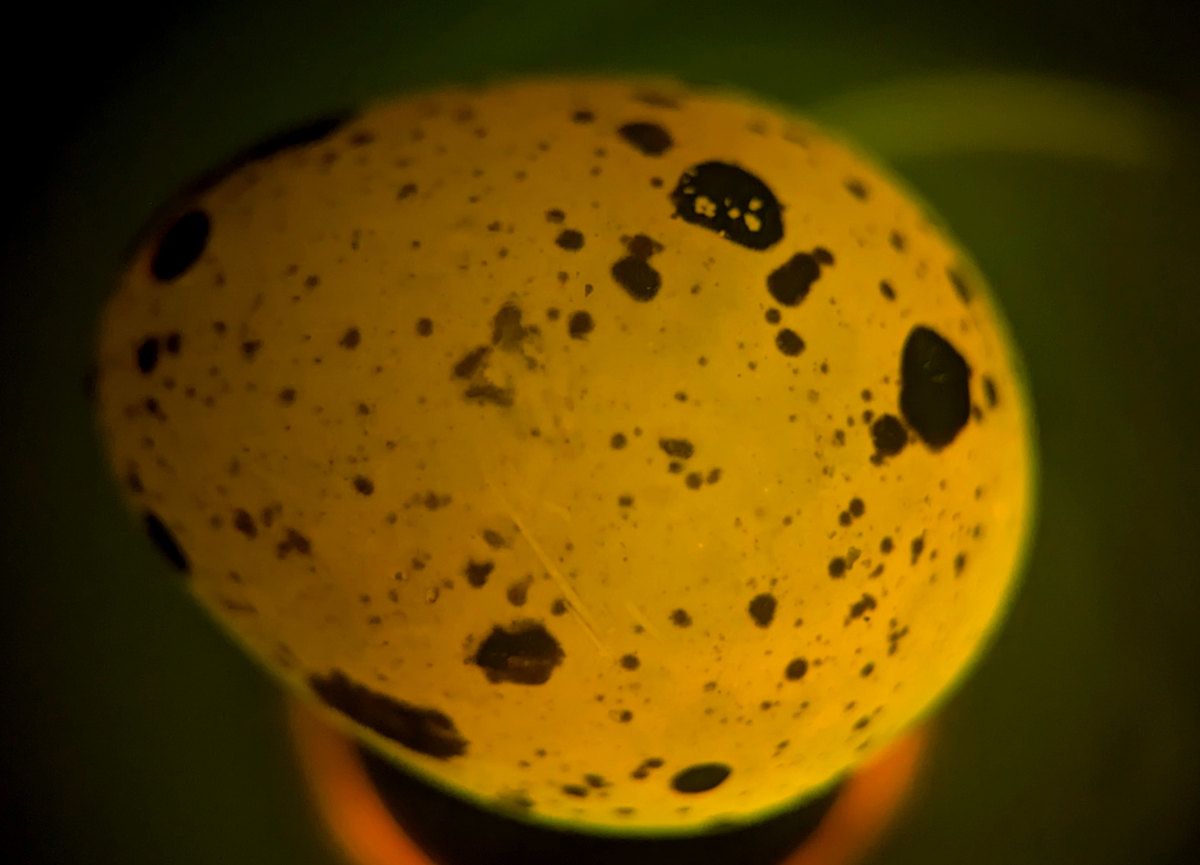
Look closely at the shell first. If you notice cracks, slimy residue, or powdery spots, these are red flags. Discoloration such as pink, green, or iridescent hues on the shell often means bacterial growth.
Once cracked open, check the egg white and yolk. Cloudy whites or yolks that spread out flat instead of holding a rounded shape can indicate spoilage. If you see any unusual spots or mold inside, don’t risk eating the egg.
Smell And Texture Changes
Smell is one of the quickest ways to detect a bad quail egg. A strong, sulfur-like or rotten odor means it’s time to throw it away. Fresh quail eggs have a faint or neutral scent.
Texture also tells a story. If the egg white feels overly runny or slimy, or if the yolk breaks apart easily, this could mean the egg has gone bad. Trust your senses—if something feels off, it probably is.
Credit: quail-tails.com
Frequently Asked Questions
Do Quail Eggs Require Refrigeration After Purchase?
Yes, quail eggs should be refrigerated after purchase to maintain freshness. Refrigeration slows bacterial growth and preserves flavor, extending shelf life up to four weeks.
How Long Can Quail Eggs Stay Unrefrigerated?
Quail eggs can stay unrefrigerated for up to one week in a cool, dry place. Beyond that, refrigeration is necessary to prevent spoilage.
Does Refrigeration Affect Quail Eggs’ Taste Or Texture?
Refrigeration does not negatively affect quail eggs’ taste or texture. It helps keep them fresh and safe to eat without altering flavor.
Can Quail Eggs Be Stored At Room Temperature Safely?
Storing quail eggs at room temperature is safe only for a short time, ideally less than one week. Longer storage requires refrigeration.
Conclusion
Quail eggs last longer when kept in the fridge. Storing them at cool temperatures helps keep them fresh. Room temperature may cause eggs to spoil faster. Always check eggs for cracks before storing. Use them within a few weeks for best taste.
Proper storage keeps quail eggs safe to eat. Now you know how to store quail eggs right. Simple steps make a big difference in freshness. Keep your eggs cool and enjoy them safely.