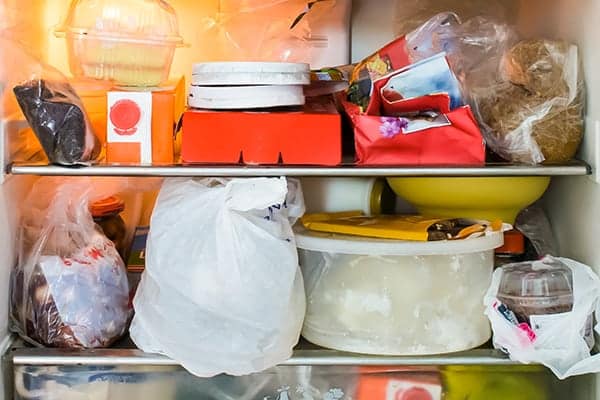
Are you frustrated because your refrigerator seems to have turned into a freezer? Finding your fresh produce covered in ice or your milk solid as a rock can be more than just an inconvenience.
It’s a problem that can lead to wasted food and money. If you’re wondering, “Why is my refrigerator freezing everything? ” You’re not alone, and you’ve come to the right place. Understanding why this happens can help you fix the issue and prevent it from recurring.
We’ll uncover the surprising reasons behind this chilly dilemma and offer practical solutions to keep your fridge at the perfect temperature. Stick around, and you’ll soon be able to enjoy your groceries just the way you like them—fresh, not frozen.
Common Signs Of Overfreezing
Noticing your refrigerator freezing everything can be confusing and frustrating. Before calling a technician, it helps to identify the common signs of overfreezing. These signs often reveal whether your fridge’s temperature settings or internal components need attention.
Frost Buildup Inside Fridge
Have you seen thick layers of frost forming inside your fridge compartments? Frost buildup is a clear sign that your fridge is too cold or the defrost system isn’t working properly. This frost can block air vents, making cooling uneven and causing food to freeze unexpectedly.
Frozen Fresh Produce
Fresh fruits and vegetables turning rock hard is a red flag. These items should stay crisp but not freeze. If your leafy greens or tomatoes are icy, your fridge’s temperature settings might be too low or the thermostat could be malfunctioning.
Ice Crystals On Food Items
Spotting ice crystals on your leftovers or dairy products can mean your fridge is overfreezing. Ice crystals form when moisture in food freezes due to excessive cold or poor air circulation. This not only changes the texture but can also affect the taste and nutritional value of your food.
Temperature Settings Issues
Temperature settings play a crucial role in how your refrigerator functions. If your fridge is freezing everything, the culprit might be the thermostat or temperature controls. Understanding how these settings affect your appliance can help you fix the problem quickly and avoid wasting food.
Incorrect Thermostat Adjustment
Many refrigerators have dials or digital controls to set the temperature. If these controls are set too low, the fridge will run colder than necessary, freezing items that should stay fresh but not icy. Sometimes, the thermostat might accidentally get bumped, or someone else might have changed the settings without telling you.
Have you ever found that your leftovers turned into little ice blocks overnight? That’s often a sign of incorrect thermostat adjustment. Checking and adjusting this simple setting can save you from throwing away spoiled food.
Effects Of Too Low Temperature
Setting your refrigerator temperature too low doesn’t just freeze your food; it can also damage its texture and taste. Vegetables may become mushy after thawing, and dairy products might lose their freshness quicker. Ice crystals forming inside containers can also cause packaging to break or leak.
Besides food damage, constantly running the fridge at very low temperatures wastes energy and increases your electricity bill. It’s not just about coldness; it’s about balance. How cold is too cold for your fridge?
How To Set Ideal Temperature
The ideal refrigerator temperature is usually around 37°F (3°C), while the freezer should be set at 0°F (-18°C). To adjust, find your fridge’s control dial or digital panel and set it according to these recommendations. Avoid turning the dial all the way to the coldest setting unless you are freezing fresh produce or making ice quickly.
Use a fridge thermometer to check the actual temperature inside. Sometimes the controls can be misleading. By setting the right temperature, you protect your food and save energy without sacrificing freshness.
Faulty Thermostat Or Sensor
A faulty thermostat or sensor can cause your refrigerator to freeze everything. These parts control the temperature inside the fridge. When they fail, they send wrong signals, making the fridge too cold. This can lead to frozen food and ice buildup. Understanding these components helps you find the problem fast.
Role Of Thermostat In Temperature Control
The thermostat keeps your fridge at the right temperature. It senses the current temperature and tells the compressor when to turn on or off. This cycle keeps the fridge cool but not freezing. A broken thermostat might think the fridge is warm even when it is cold. It then keeps the compressor running, causing everything to freeze.
Symptoms Of A Malfunctioning Sensor
- Food freezes even on low settings.
- Frost builds up in the fridge unexpectedly.
- The fridge runs constantly without stopping.
- Temperature readings seem inaccurate or change suddenly.
- Ice forms on the sensor or nearby parts.
These signs point to sensor problems. Sensors can fail from age, dirt, or damage. Checking these symptoms early prevents bigger issues.
Testing And Replacing Components
Testing the thermostat or sensor requires simple tools like a multimeter. Unplug the fridge first for safety. Remove the component and test for continuity or resistance. Compare the readings to the manual’s specifications.
If the readings are off, the part needs replacing. Order the exact model for your fridge. Installation usually involves unplugging connectors and screws. After replacement, set the fridge temperature and monitor it for a day to ensure proper cooling.

Credit: mqapplianceservices.ca
Blocked Or Malfunctioning Vents
Blocked or malfunctioning vents in a refrigerator can cause uneven cooling. Cold air may not flow properly, leading to frozen items. Understanding how vents work helps identify and fix these issues quickly.
How Air Circulation Affects Cooling
Air moves through vents to keep the fridge temperature balanced. Proper circulation spreads cold air evenly. Poor airflow causes some areas to become too cold. This leads to freezing of food near vents.
Identifying And Clearing Blocked Vents
Look inside the fridge for vents blocked by food or containers. Items placed too close can stop air from moving. Remove obstacles to restore airflow. Clean vents carefully to avoid dust buildup. This helps maintain steady cooling and prevents freezing.
Impact Of Faulty Fans
Fans push cold air through vents. A broken fan stops air movement. This causes cold spots and freezing. Listen for unusual noises or silence from the fan. Repair or replace faulty fans to fix the problem and keep your fridge running well.
Damaged Door Seals
Damaged door seals can be a surprising culprit behind your refrigerator freezing everything. These seals are supposed to keep the cold air inside and the warm air out. When they fail, your fridge struggles to maintain the right temperature, often causing it to overcompensate and freeze your food.
How Seals Affect Temperature Regulation
Your refrigerator relies on a tight seal to keep temperatures stable. If the door seals are cracked or worn out, cold air escapes while warm air sneaks in. This makes the fridge’s cooling system work harder, often resulting in uneven temperatures and freezing in some compartments.
Think about your own fridge: have you noticed frost building up near the edges or your ice cream turning rock hard? That’s a classic sign the seals aren’t doing their job. When the cold air leaks out, the fridge tries to cool more aggressively, which can cause everything inside to freeze.
Signs Of Worn Or Broken Seals
- Visible cracks, tears, or gaps in the rubber seal
- Food spoiling faster or frost buildup near the door
- Door feels loose or doesn’t close tightly
- Higher energy bills due to extra cooling effort
If you press the seal and it doesn’t spring back, or if you see light coming through the edges when the door is shut, your seals likely need attention. Have you checked your seals recently? It’s a quick step that could save you from freezer frustration.
Repairing Or Replacing Door Seals
Fixing door seals can be simple and affordable. Sometimes, cleaning the seals with warm soapy water removes dirt that prevents a good seal. If they’re damaged beyond cleaning, replacement is the best option.
Many fridge models have replacement seals available online or at appliance stores. Swapping them out usually involves removing the old seal, aligning the new one, and securing it firmly. If you’re unsure, a quick call to a repair technician can prevent guesswork and ensure your fridge works properly again.

Credit: oakvalleyappliance.com
Overstocking And Poor Organization
Overstocking and poor organization inside your refrigerator can easily cause unexpected freezing issues. When the fridge is packed too tightly, cold air can’t circulate properly, leading to uneven temperatures. This often results in some items freezing while others remain cool but not frozen.
How Overcrowding Causes Freezing
Stuffing your fridge full leaves little space for air to move freely. Cold air may get trapped in certain spots, causing localized freezing. Have you noticed frost building up around crowded shelves or near the back walls? That’s a clear sign the airflow is blocked.
Besides freezing, overcrowding can make it hard to find what you need. You might end up leaving food out longer, which isn’t safe or efficient. Your fridge’s cooling system works best when it can evenly distribute cold air throughout the compartments.
Best Practices For Fridge Organization
Keeping your fridge organized isn’t just about neatness—it helps prevent freezing problems. Try these tips to keep things in order:
- Group similar items together so you can find them quickly.
- Use clear bins or containers to keep smaller items from getting lost.
- Leave some space between items to let air flow around them.
- Place frequently used items at eye level for easy access.
Think about how often you open your fridge. Overloading it can also cause the door to stay open longer, which affects temperature. Organizing smartly can reduce the time your fridge door stays open and keep temperatures stable.
Allowing Proper Airflow
Proper airflow is key to preventing your food from freezing unexpectedly. Your fridge’s vents need clear paths to circulate cold air evenly. Avoid blocking these vents with tall or bulky items.
Consider leaving at least an inch of space between items and the fridge walls. This gap helps maintain a balanced temperature. You might not notice airflow issues until your vegetables turn icy or your drinks freeze—are you giving your fridge enough room to breathe?
Diy Fixes And Maintenance Tips
If your refrigerator is freezing everything unexpectedly, taking some DIY steps can save you both time and money. Regular maintenance and simple fixes often solve the problem before it worsens. You don’t need to be a technician to perform these tasks; they’re straightforward and can improve your fridge’s performance immediately.
Regular Defrosting Procedures
Ice buildup can cause your fridge to freeze items by blocking proper airflow. Manually defrost your refrigerator by unplugging it and letting the ice melt naturally. You can speed up the process by placing bowls of hot water inside and wiping away the melting ice regularly.
How often do you check for frost? Even a thin layer can disrupt temperature balance. Make defrosting a habit every few months to avoid freezing mishaps.
Cleaning Condenser Coils
Dirty condenser coils force your fridge to work harder, which can lead to erratic cooling and freezing. Locate the coils, usually at the back or underneath your refrigerator, and clean them with a coil brush or vacuum.
Removing dust and debris helps your fridge maintain the right temperature. Have you cleaned your coils lately? This simple task often goes unnoticed but makes a big difference.
Checking And Adjusting Settings
Incorrect temperature settings are a common cause of freezing food. Check your fridge’s thermostat and set it to the recommended temperature, usually around 37°F (3°C) for the fridge and 0°F (-18°C) for the freezer.
Some models have separate controls for different compartments—ensure each is properly adjusted. If you find the settings are correct but freezing persists, resetting the control panel might help recalibrate the system.
When To Call A Professional
Knowing when to call a professional for refrigerator issues can save time and prevent damage. Some problems need expert skills and tools. Trying to fix complex issues alone might cause more harm. Recognizing signs that require professional help is important.
Complex Repairs Beyond Diy
Some refrigerator problems need special tools and knowledge. Fixing the compressor or electronic controls is not easy. Sealing leaks or replacing sealed system parts requires training. These repairs are risky without proper experience. Calling a technician avoids costly mistakes and ensures safety.
Signs Of Refrigerant Issues
Refrigerant problems cause uneven or excessive freezing. Look for frost buildup inside the fridge or freezer. Strange noises or a strong cold smell can also appear. Poor cooling or a warm fridge might mean a refrigerant leak. These issues need a certified technician to fix the gas safely.
Choosing The Right Technician
Select a technician with good reviews and proper certification. Ask about experience with your refrigerator brand and model. Check if the technician offers a warranty on repairs. Clear communication about costs and time helps avoid surprises. A skilled technician ensures the fridge works well again.

Credit: www.electrolux.in
Frequently Asked Questions
Why Is My Refrigerator Freezing All The Food?
Your fridge might be set to an excessively low temperature. Faulty thermostat or sensor issues can also cause overcooling. Check settings and call a technician if problems persist.
Can A Broken Thermostat Cause Freezing In Fridge?
Yes, a faulty thermostat can misread temperatures and cause the fridge to freeze everything. It needs calibration or replacement for proper function.
How Does Improper Airflow Cause Freezing In Refrigerators?
Blocked vents or poor airflow make cold air concentrate in one spot. This can freeze food near the vents while other areas remain warm.
Is A Damaged Door Seal Responsible For Fridge Freezing?
No, a damaged door seal usually causes warm air leaks, leading to condensation, not freezing. However, it can affect overall temperature balance.
Conclusion
A refrigerator freezing everything can cause food waste and frustration. Check the temperature settings first. Sometimes, the thermostat is set too low. Make sure the door seals are tight and clean. Blocked vents can also cause cold air to build up.
Regular cleaning and maintenance help avoid freezing issues. Small fixes often solve the problem quickly. Understanding these causes saves time and money. Keep your fridge working well and food fresh. Simple steps make a big difference in fridge care.