Have you ever wondered how your refrigerator keeps your food fresh and your drinks cold? The secret lies in a clever machine called a mechanical refrigeration system.
Understanding its main parts can help you appreciate how this everyday technology works—and even spot problems before they happen. You’ll discover the key components that make cooling possible. By the end, you’ll see your fridge in a whole new light and feel more confident about maintaining it.
Ready to dive in? Let’s explore what makes your refrigeration system tick.
Key Components
The heart of any mechanical refrigeration system lies in its key components. Each part plays a specific role in the cooling process, working together to remove heat and maintain the desired temperature. Understanding these components helps you troubleshoot issues and optimize performance.
Compressor
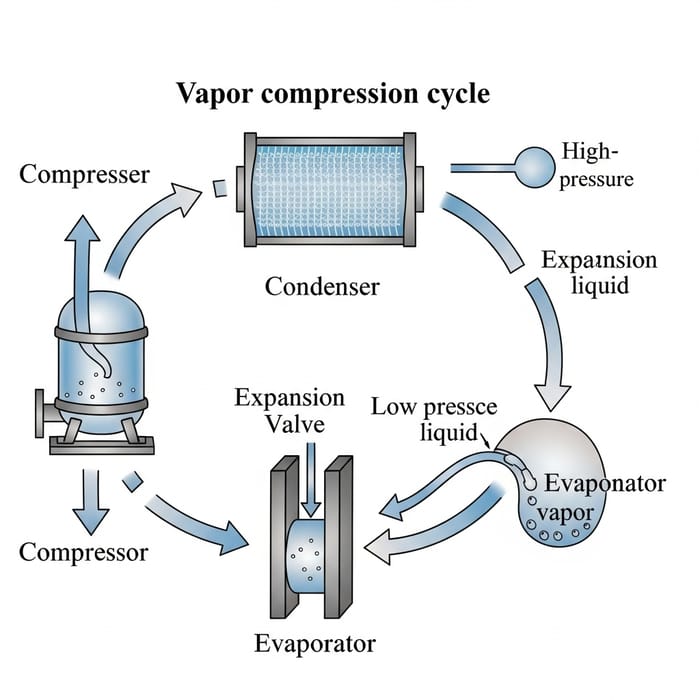
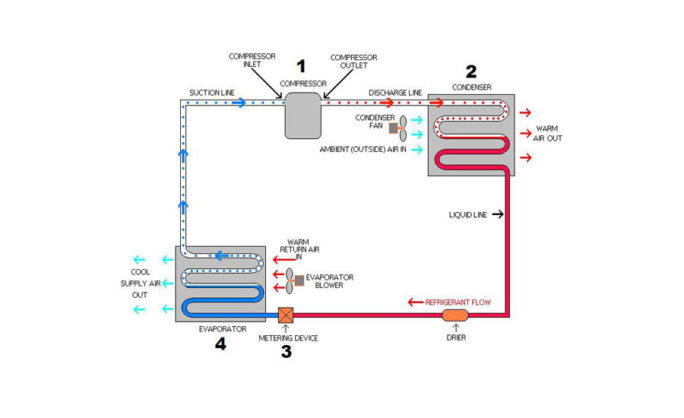
The compressor acts as the system’s pump, pushing refrigerant through the cycle. It increases the pressure of the refrigerant gas, turning it into a high-pressure, high-temperature vapor. Without a properly functioning compressor, the refrigeration cycle simply won’t work.
Think about the last time your fridge struggled to cool. Often, the compressor was the culprit. Keeping it maintained can save you from costly repairs.
Condenser
The condenser’s job is to release the heat absorbed from inside your fridge or freezer. It cools the high-pressure vapor from the compressor, turning it into a liquid. This happens outside the cooled space, usually at the back or bottom of the unit.
Have you noticed warm air blowing near your fridge’s coils? That’s the condenser at work, expelling heat to the surrounding environment. Make sure it’s clean and free of dust to keep your system efficient.
Expansion Valve
This component controls the flow of liquid refrigerant into the evaporator. It reduces the pressure of the liquid, allowing it to evaporate and absorb heat inside the cooling area. The expansion valve regulates the amount of refrigerant to match the cooling demand.
If you’ve ever experienced inconsistent cooling, a faulty expansion valve might be behind it. It’s a small but crucial part that balances the system.
Evaporator
The evaporator is where the magic of cooling truly happens. It absorbs heat from the inside of the fridge or space being cooled. The low-pressure liquid refrigerant evaporates here, turning back into gas and pulling heat away from the surroundings.
Ever touched the inside coils and felt them cold? That’s the evaporator doing its job. A blocked or dirty evaporator coil can reduce cooling efficiency, so regular cleaning is key.
Compressor Role
The compressor plays a crucial role in any mechanical refrigeration system. It acts as the heart, pumping the refrigerant through the system and enabling heat transfer. Without the compressor, the entire cooling process would come to a halt.
How The Compressor Works
The compressor takes in low-pressure refrigerant vapor from the evaporator. It then squeezes or compresses this vapor, raising its pressure and temperature significantly.
This high-pressure vapor is then pushed into the condenser, where it releases heat. Think of the compressor as a pump that keeps the refrigerant moving and changing state.
Types Of Compressors
- Reciprocating Compressor:Uses pistons to compress refrigerant. It’s common in small to medium systems.
- Rotary Compressor:Uses a rotating mechanism. It’s compact and often found in residential units.
- Scroll Compressor:Features two spiral-shaped scrolls. Known for quiet operation and high efficiency.
Why Compressor Efficiency Matters
Your energy bill depends heavily on the compressor’s efficiency. A worn-out or poorly maintained compressor can waste power and reduce cooling capacity.
Have you ever noticed your AC struggling to cool a room? The compressor might be the culprit. Regular maintenance can keep it running smoothly and save you money.
Signs Of Compressor Trouble
- Unusual noises like knocking or rattling
- Inconsistent cooling or failure to cool
- Frequent cycling on and off
- Higher energy consumption without improved performance
Paying attention to these signs can help you catch problems early and avoid costly repairs.
Condenser Function
The condenser plays a crucial role in a mechanical refrigeration system by transforming refrigerant vapor into liquid. This process is essential for maintaining the cycle that keeps your environment cool. Without an efficient condenser, the entire refrigeration system would struggle to perform effectively.
How The Condenser Removes Heat
The condenser takes the high-pressure, high-temperature vapor from the compressor and cools it down. It releases the heat absorbed from your space into the surrounding air or water. This heat exchange allows the refrigerant to condense back into a liquid state.
Think about a hot cup of coffee cooling down when left on the counter. Similarly, the condenser cools the refrigerant by exposing it to cooler air or water, often using fans or water flow to speed up the process.
Types Of Condensers
- Air-Cooled Condensers:Use fans to blow air over coils, common in household AC units.
- Water-Cooled Condensers:Use water to absorb heat, often found in industrial settings.
- Evaporative Condensers:Combine air and water cooling for better efficiency, typically used in large systems.
Choosing the right type depends on your specific needs and environment. How do you think the surrounding climate might affect which condenser works best for your system?
Signs Of A Malfunctioning Condenser
If your system isn’t cooling properly, the condenser could be the culprit. Common signs include:
- Warm air blowing from vents
- Unusual noises near the condenser unit
- Higher energy bills without increased usage
Regular maintenance, like cleaning debris off condenser coils, can prevent these issues. Have you checked your condenser coils lately?
Expansion Device Purpose
The expansion device plays a crucial role in a mechanical refrigeration system. It controls the flow of refrigerant into the evaporator. This device regulates pressure and temperature, allowing the refrigerant to absorb heat effectively. Without the expansion device, the system would not cool properly.
The purpose of the expansion device is to create a pressure drop. This drop reduces the refrigerant’s pressure from high to low. As a result, the refrigerant changes from liquid to a low-pressure mixture of liquid and vapor. This change is essential for heat absorption in the evaporator.
The Role Of Pressure Control
The expansion device controls the refrigerant pressure entering the evaporator. It maintains a precise pressure level to ensure efficient cooling. Proper pressure control prevents the evaporator from flooding or starving for refrigerant.
How Temperature Is Managed
The device also manages the temperature of the refrigerant. It lowers the refrigerant’s temperature before it enters the evaporator coil. This process allows the refrigerant to absorb maximum heat from the surrounding air or environment.
Types Of Expansion Devices
- Thermostatic Expansion Valve (TXV)
- Capillary Tube
- Electronic Expansion Valve (EEV)
- Automatic Expansion Valve (AXV)
Each type controls the refrigerant flow differently but shares the same basic purpose. Selection depends on the system’s size and cooling requirements.
Impact On System Efficiency
The expansion device greatly affects system efficiency. Proper operation ensures the refrigerant evaporates fully and absorbs enough heat. This leads to lower energy consumption and better cooling performance.
Evaporator Importance
The evaporator plays a key role in a mechanical refrigeration system. It is where the cooling effect happens. The evaporator absorbs heat from the space or substance to be cooled. This process lowers the temperature and creates a cold environment.
Without the evaporator, the refrigeration system cannot transfer heat. It acts as the point where the refrigerant changes from liquid to gas. This phase change allows the system to remove heat effectively.
The Evaporator’s Function In Heat Absorption
The evaporator absorbs heat from the air or liquid around it. This heat causes the refrigerant inside to evaporate. As the refrigerant evaporates, it takes heat away from the surroundings. This cooling effect is the main goal of the refrigeration system.
Types Of Evaporators Used
- Coil evaporators
- Plate evaporators
- Shell and tube evaporators
Each type fits different cooling needs and system designs. They help optimize heat absorption and improve system efficiency.
Impact On System Efficiency
A well-designed evaporator enhances system performance. Efficient heat absorption means less energy use. This lowers operating costs and reduces wear on system parts.
Maintenance And Care Of Evaporators
Regular cleaning keeps the evaporator working well. Dust and dirt block heat transfer and reduce cooling power. Proper maintenance extends the system’s life and saves money.

Credit: www.searshomeservices.com
Refrigerant Types
Refrigerants are the lifeblood of any mechanical refrigeration system. They absorb heat from one area and release it in another, making cooling possible. Choosing the right refrigerant affects system efficiency, environmental impact, and safety, so understanding different types is key for anyone working with refrigeration.
Chlorofluorocarbons (CFCs)CFCs were once popular because they are stable and non-flammable. However, they damage the ozone layer, leading to international bans. You might still encounter them in older systems, but modern regulations limit their use drastically.
Hydrochlorofluorocarbons (HCFCs)HCFCs replaced CFCs as a less harmful alternative. They still affect the ozone but to a lesser extent. If your system uses HCFCs, you should plan for a future upgrade since these refrigerants are also being phased out globally.
Hydrofluorocarbons (HFCs)HFCs do not harm the ozone layer, making them a safer choice environmentally. However, they have high global warming potential (GWP). This means they contribute significantly to climate change, prompting new rules to reduce their use.
Natural RefrigerantsNatural refrigerants like ammonia, carbon dioxide, and hydrocarbons are gaining attention. They have low GWP and minimal ozone depletion potential. Despite some safety concerns, such as flammability or toxicity, these refrigerants offer a sustainable path forward.
What Should You Consider When Choosing a Refrigerant?- Environmental impact: ozone depletion and global warming potential
- System compatibility: pressure and temperature requirements
- Safety: flammability, toxicity, and handling precautions
- Cost and availability in your region
Choosing a refrigerant is not just about cooling power; it’s also about responsibility. Have you checked what refrigerant your system uses and whether it fits current environmental standards?
Auxiliary Parts
The auxiliary parts of a mechanical refrigeration system support the main components. They ensure the system runs smoothly and safely. These parts help control, protect, and monitor the refrigeration cycle. Without auxiliary parts, the system would face many operational issues.
Expansion Valve
The expansion valve controls the flow of refrigerant into the evaporator. It reduces pressure and temperature of the refrigerant. This helps the refrigerant absorb heat efficiently. The valve adjusts automatically based on cooling demand.
Receiver
The receiver stores excess liquid refrigerant from the condenser. It ensures a steady supply of refrigerant to the expansion valve. The receiver also separates gas from liquid to avoid damage to the compressor.
Filter Drier
The filter drier removes moisture and impurities from the refrigerant. Moisture can cause ice blockages and corrosion. The filter drier keeps the refrigerant clean and protects the system.
Pressure Gauges
Pressure gauges measure refrigerant pressure in various parts of the system. They help monitor system performance. Technicians use gauges to detect leaks or blockages quickly.
Safety Controls
Safety controls protect the refrigeration system from damage. They include high-pressure and low-pressure switches. These controls stop the compressor if pressures go beyond safe limits. This prevents costly failures and ensures safe operation.
Credit: easy-peasy.ai
Credit: www.achrnews.com
Frequently Asked Questions
What Are The Main Parts Of A Mechanical Refrigeration System?
A mechanical refrigeration system mainly consists of a compressor, condenser, expansion valve, and evaporator. These parts work together to remove heat and cool spaces efficiently.
How Does The Compressor Function In Refrigeration?
The compressor compresses low-pressure refrigerant gas into high-pressure gas. This raises the temperature and pressure, enabling heat release in the condenser.
What Role Does The Condenser Play In Cooling?
The condenser cools the high-pressure gas refrigerant, turning it into a liquid. It releases heat to the surroundings during this process.
Why Is The Expansion Valve Important In Refrigeration?
The expansion valve controls refrigerant flow into the evaporator. It reduces pressure, allowing the refrigerant to absorb heat and cool the space.
Conclusion
A mechanical refrigeration system has key parts that work together. The compressor moves the refrigerant through the system. The condenser cools the gas into a liquid. The expansion valve controls the flow of refrigerant. The evaporator absorbs heat to create cooling.
Each part plays an important role in making cold air. Knowing these parts helps you understand how refrigeration works. This knowledge can be useful for repairs and maintenance. Simple parts, big impact.