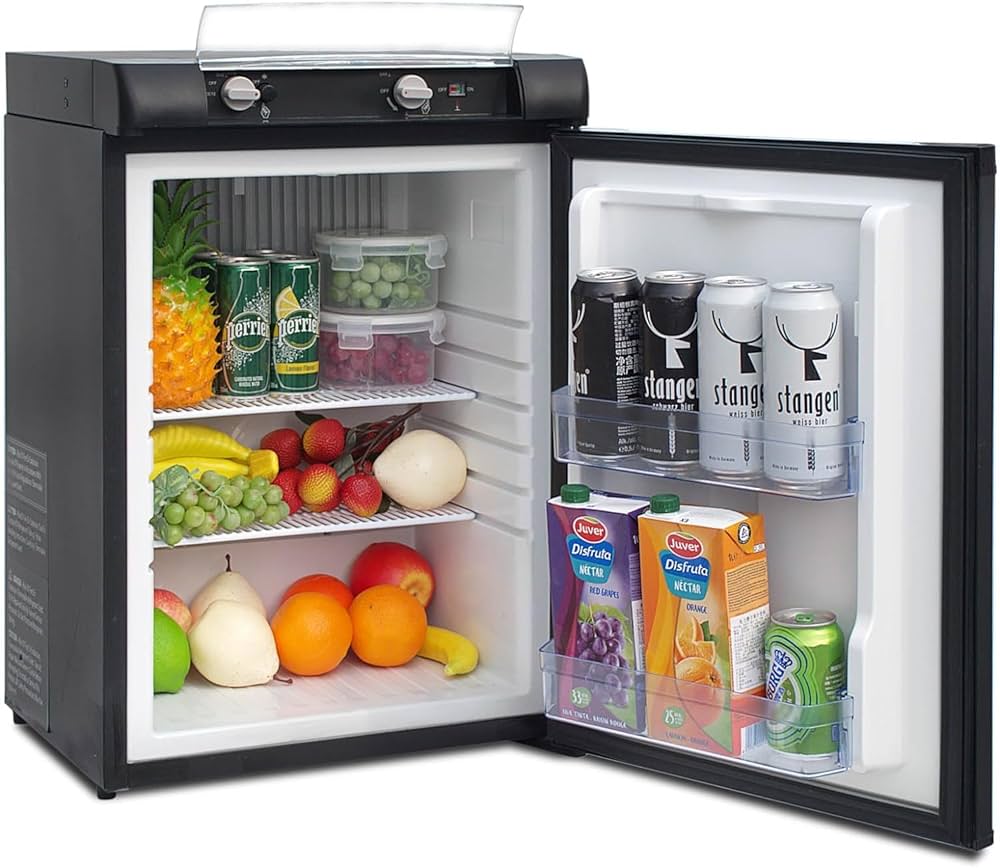
Are you wondering how much propane your RV refrigerator uses? Knowing this can help you plan your trips better and avoid running out of fuel when you least expect it.
Whether you’re camping off the grid or parked at a remote site, understanding propane consumption keeps your food fresh and your adventure stress-free. You’ll discover clear answers and simple tips to manage your propane use efficiently. Keep reading to make sure your RV stays cool and your journey smooth.

Credit: www.amazon.com
Rv Refrigerator Basics
Understanding how an RV refrigerator works is important for managing propane use effectively. RV refrigerators differ from home refrigerators in design and power sources. Many RV fridges run on propane, electricity, or both. Knowing the basics helps you save fuel and keep your food fresh during trips.
Types Of Rv Refrigerators
- Absorption Refrigerators:These use a heat source, like propane, to cool the fridge. They have no moving parts and are quiet.
- Compressor Refrigerators:Similar to home fridges, they use electricity to run a compressor for cooling. Some models run on 12V or 120V power.
- Dual-Power Refrigerators:These can run on propane or electricity. They switch automatically depending on the available power source.
How Propane Powers Refrigerators
Propane powers absorption refrigerators by heating a special solution inside the fridge. This heat causes a chemical reaction that removes heat from the fridge compartment. The process uses a small flame fueled by propane.
This system does not use electricity for cooling, making it ideal for boondocking or off-grid camping. Propane consumption varies by fridge size and ambient temperature. Proper ventilation is necessary to ensure safety and efficiency.
Propane Consumption Factors
Understanding what affects propane consumption in your RV refrigerator can help you manage fuel use more effectively. Several key factors influence how much propane your fridge will burn. Knowing these can help you plan better and avoid running out of fuel unexpectedly.
Size And Capacity
The size of your RV refrigerator plays a big role in propane use. Larger fridges need more propane because they cool a bigger space. For example, a 6-cubic-foot fridge usually consumes less propane than a 10-cubic-foot model.
Think about the storage capacity you really need. If you often travel solo or as a couple, a smaller fridge might save you propane and space. But if you travel with family or for longer periods, a bigger fridge might be necessary despite the extra fuel use.
Usage Patterns
How often and how long you run your fridge affects propane consumption. Opening the door frequently lets cold air out and forces the fridge to work harder. Have you noticed your propane tank running low faster when you snack often on the road?
Adjusting your habits can make a difference. Try to minimize door openings and organize your fridge so you find items quickly. Also, running the fridge on propane continuously versus switching between electric and propane can change how much fuel you use.
Ambient Temperature Effects
Temperature outside your RV impacts how hard your fridge must work. Hot weather means the fridge uses more propane to keep food cold. On a sunny day in the desert, your propane use will spike compared to cooler mountain camping.
Think about your typical travel destinations and seasons. If you camp in hot climates, expect higher propane consumption. Using shades or parking in cooler spots can help reduce this extra fuel use.
Estimating Propane Usage
Estimating propane usage for an RV refrigerator helps plan fuel needs accurately. Knowing how much propane your fridge consumes prevents running out during trips. Usage depends on many factors like fridge size, outside temperature, and how often the door opens. Understanding these basics makes managing propane easier and keeps your food fresh on the road.
Average Consumption Rates
Most RV refrigerators use propane at a steady rate when running. On average, a typical RV fridge consumes about 1 to 2 pounds of propane every 24 hours. This varies based on the fridge’s efficiency and ambient temperature. Cooler weather lowers consumption, while hot weather increases it. Small fridges tend to use less propane compared to larger models.
Calculating Daily Usage
Calculate daily propane use by checking the fridge’s BTU rating. Divide the BTU by 91,500 to find pounds used per hour. Multiply by hours the fridge runs in a day for total propane consumption. For example:
| BTU Rating | Hours Running | Propane Used (lbs) |
|---|---|---|
| 1,000 | 24 | 0.26 x 24 = 6.24 (divided by 91,500 = 0.068 lbs) |
Usually, the fridge runs intermittently, so actual use is less than continuous operation. Check your model’s manual for more precise numbers.
Comparing Electric Vs Propane Modes
Many RV refrigerators can run on electric or propane power. Propane mode is popular off-grid. It uses propane steadily but keeps food cold without electricity. Electric mode consumes more battery power but no propane. Usage depends on power availability and camping style.
- Propane mode: steady fuel use, good for remote locations
- Electric mode: uses battery or shore power, no fuel needed
- Switching modes helps save propane or electricity based on need
Choosing the right mode balances comfort with resource use.
Maximizing Efficiency
Maximizing the efficiency of your RV refrigerator can significantly reduce propane usage, saving you money and extending your trips. Small adjustments in how you use and care for your fridge make a big difference. Let’s look at practical steps to keep your refrigerator running smoothly and efficiently.
Proper Ventilation
Your RV refrigerator needs good airflow to work efficiently. Poor ventilation traps heat, forcing the fridge to use more propane to cool down. Make sure the vents are clean and free of obstructions like leaves or dust.
Check the vent fans regularly to ensure they are working well. If you park in a shady spot, it helps reduce heat buildup around the fridge, so consider your parking choices carefully. Have you noticed your fridge working harder on hot days? Ventilation might be the culprit.
Regular Maintenance
Keeping your refrigerator well-maintained is essential to propane efficiency. Clean the condenser coils and check for any damage or leaks in the propane system. A clogged coil or a small leak can cause the fridge to consume more fuel.
Inspect the door seals often. If they’re cracked or loose, cold air escapes, and propane use spikes. I once ignored a worn seal and noticed my propane tank emptying faster than usual—fixing it cut my usage noticeably.
Energy-saving Tips
- Keep the fridge stocked:A fuller fridge holds cold better than an empty one, reducing propane use.
- Limit door openings:Every time you open the door, cold air escapes and the fridge works harder.
- Set the right temperature:Keep your fridge between 37-40°F (3-4°C) to balance efficiency and food safety.
- Use a fridge thermometer:It helps you avoid overcooling and wasting propane.
Think about your last trip—did you keep the door open while searching for snacks? Small habits like this add up. Try closing the door quickly and planning ahead to save propane and keep your food fresh.
Monitoring Propane Levels
Keeping an eye on your propane levels is key to making sure your RV refrigerator runs smoothly throughout your trip. Running out of propane unexpectedly can spoil your food and disrupt your adventure. Monitoring propane not only helps you plan refills but also keeps your camping experience stress-free.
Manual Gauges
Manual gauges are the simplest way to check your propane tank. They usually show a needle pointing to the current fuel level, making it easy to read at a glance. While affordable and straightforward, these gauges can sometimes be inaccurate, especially if the tank is cold or the gauge is old.
Many RV owners keep a small journal or use a checklist to track their manual readings over time. This habit helps spot trends and avoid surprises. Have you noticed how sometimes the gauge needle jumps around? That’s often due to movement inside the tank or temperature changes.
Electronic Sensors
Electronic sensors offer a more precise and modern approach to monitoring propane levels. These devices often connect to your smartphone, sending alerts when your propane runs low. They use ultrasonic technology or pressure sensors to give real-time data, which can be a game-changer on long trips.
Installing electronic sensors might seem technical, but many are designed for easy DIY setup. They can save you from frequent manual checks and provide peace of mind. Do you prefer getting updates on your phone, or do you like the old-school feel of a manual gauge?
Safety Precautions
Monitoring propane levels is important, but safety always comes first. Never ignore leaks or unusual smells; propane is highly flammable and can be dangerous. Regularly inspect hoses and connections for cracks or wear to prevent accidents.
Keep a propane detector inside your RV for an extra layer of security. It’s also smart to turn off propane appliances when not in use and to refill tanks only at trusted stations. How often do you check your propane system’s condition before hitting the road?

Credit: www.amazon.ca
Troubleshooting High Propane Use
Noticing your RV refrigerator gobbling up propane faster than usual can be frustrating and costly. High propane use often signals an underlying problem that needs your attention. Troubleshooting these issues early can save you money and keep your fridge running efficiently during your travels.
Common Issues
One frequent cause of excessive propane use is a dirty or clogged burner. Over time, soot and debris can build up, reducing the burner’s efficiency and forcing it to consume more fuel.
Another problem could be a faulty thermostat. If your fridge’s thermostat is not regulating temperature properly, the burner may run longer than necessary.
Leaks in the propane line or connections also lead to high consumption and are a serious safety concern. Check for the smell of gas or hissing sounds near the propane system.
Finally, poor ventilation around the refrigerator can cause it to work harder. Make sure the vents are clear and unobstructed.
When To Call A Professional
If you’ve cleaned the burner, checked connections, and ensured proper ventilation but still see high propane use, it’s time to call an expert. Refrigeration systems involve complex components that require specialized tools and skills to diagnose.
Don’t ignore persistent propane odors or visible leaks—these can be dangerous and need immediate professional attention.
Regular maintenance by a certified technician can also prevent future issues. Have you scheduled your RV fridge’s last propane system check? It might be overdue.

Credit: www.amazon.ca
Frequently Asked Questions
How Much Propane Does An Rv Refrigerator Use Daily?
An RV refrigerator typically uses about 1 to 2 pounds of propane daily. Usage depends on ambient temperature, fridge size, and insulation quality. Efficient models consume less propane, helping extend your fuel supply during trips. Proper maintenance also reduces propane consumption.
Does Temperature Affect Propane Usage In Rv Fridges?
Yes, higher outside temperatures increase propane use in RV refrigerators. The fridge works harder to maintain cool temperatures, consuming more propane. Cooler weather reduces fuel consumption. Proper shading and ventilation can help lower propane usage in warm climates.
Can Propane Consumption Vary By Rv Refrigerator Size?
Absolutely. Larger RV refrigerators use more propane than smaller ones. Bigger units have more cooling space, requiring more energy to maintain temperature. Choosing the right fridge size for your needs helps optimize propane use and reduces fuel costs.
How To Reduce Propane Use In Rv Refrigerators?
Keep the fridge door closed to maintain cold air. Park in shaded areas to lower fridge workload. Regularly clean and maintain the fridge for efficient operation. Use 12V or electric mode when possible to save propane fuel.
Conclusion
An RV refrigerator uses propane at different rates. It depends on size and outside temperature. Smaller fridges use less propane. Hot weather makes fridges work harder. Knowing propane use helps plan trips better. Carry enough propane for your journey. Save energy by keeping the fridge closed.
Monitor propane levels regularly to avoid surprises. This keeps food fresh and your trip smooth. Simple steps can make a big difference. Understanding propane use helps enjoy your RV adventure fully.