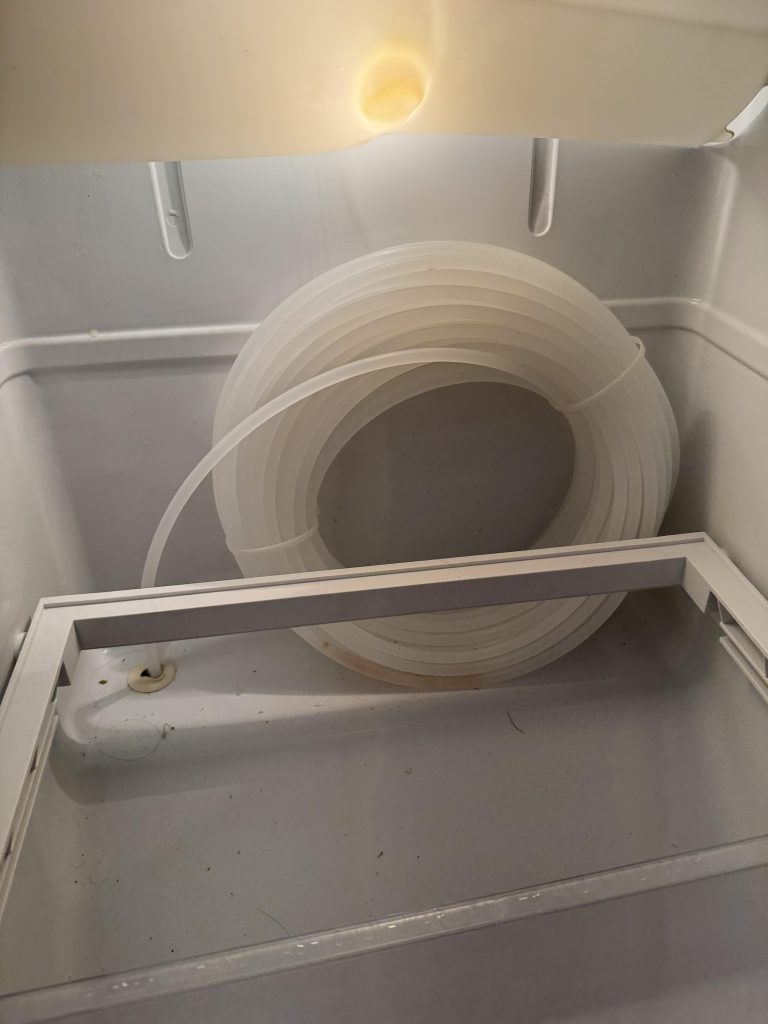
Have you ever opened your refrigerator only to find a puddle of water inside? It’s frustrating and can make you worry about your food and your appliance.
But why does your refrigerator leak water inside? Understanding the reasons behind this common problem can help you fix it quickly and avoid bigger issues. You’ll discover the simple causes and easy solutions to stop that annoying water leak for good.
Keep reading—you’ll be glad you did!
Common Causes Of Water Leaks
Water leaking inside your refrigerator can be frustrating and puzzling. Understanding the common causes helps you fix the issue faster and avoid costly repairs. Let’s break down the typical reasons why water might be pooling inside your fridge.
Clogged Defrost Drain
The defrost drain removes excess water during the fridge’s automatic defrost cycle. If this drain gets clogged with food particles or ice, water has nowhere to go and starts leaking inside. You might notice water pooling at the bottom or behind the crisper drawers.
Cleaning the drain with warm water or a pipe cleaner often clears the blockage. Have you checked if your fridge’s drain hose is free from debris lately?
Damaged Door Seal
A worn or torn door seal can cause warm air to enter your fridge. This leads to excess condensation inside, which eventually turns into water droplets. The leak might appear along the edges or inside the fridge walls.
Inspect your door seals regularly for cracks or gaps. Replacing a faulty seal can stop leaks and improve your fridge’s efficiency.
Improper Refrigerator Leveling
Your fridge needs to be level for water to drain properly. If it tilts backward or forward, water might pool in the wrong areas instead of draining. This can cause leaks inside the fridge compartment.
Use a level tool to check your refrigerator’s position. Adjust the feet or wheels to make sure it sits evenly on the floor.
Blocked Drain Pan
The drain pan collects water that drips from the defrost cycle. If the pan is full or blocked, water can overflow and leak inside your fridge. Dirt, debris, or mold buildup often causes this blockage.
Regularly empty and clean the drain pan located underneath your fridge. This simple task can prevent many water leak problems.
High Humidity And Condensation
High humidity levels in your kitchen or frequent door openings increase condensation inside the fridge. Excess moisture accumulates and can cause water to leak onto shelves or drawers. This is especially common in warm, humid climates.
Try to limit how often you open the fridge and keep the kitchen well-ventilated. Would investing in a dehumidifier help reduce moisture buildup in your home?

Credit: www.reddit.com
Identifying The Leak Source
Water leaking inside a refrigerator can cause damage and spoil food. Finding the source of the leak helps fix it fast. Several parts inside your fridge can cause water buildup. Checking each part carefully can reveal the problem. Start by examining key areas where water often collects or escapes.
Inspecting The Defrost Drain
The defrost drain carries melted frost to a pan below. It can clog with food or ice. Look inside the fridge at the back wall. See if water pools or ice blocks the drain hole. Clear any debris or ice to let water flow freely. Use warm water or a pipe cleaner for stubborn clogs.
Checking Door Seals For Gaps
Door seals keep cold air inside and moisture out. Check the rubber gasket around the door. Look for cracks, tears, or dirt that stops it from sealing well. Close the door on a piece of paper. If the paper slides out easily, the seal may leak. Clean or replace the seal if needed.
Leveling Your Refrigerator
A fridge that is not level can cause water to pool inside. Use a spirit level on the floor and top of the fridge. Adjust the front or back feet until the fridge is even. Water will flow properly toward the drain instead of leaking inside.
Examining The Drain Pan
The drain pan collects water from the defrost cycle. Pull out the pan at the bottom of the fridge. Check for cracks or holes that let water drip inside. Empty the pan if full. Clean it to prevent mold and bad smells. Replace the pan if damaged.
Monitoring Temperature And Humidity
High humidity or wrong temperature settings cause excess moisture. Use a thermometer inside the fridge to check the temperature. It should be between 37°F and 40°F (3°C to 4°C). Keep the fridge door closed as much as possible. Use a dehumidifier nearby in very humid areas.
Step-by-step Fixes
Water leaking inside a refrigerator can cause damage and spoil food. Fixing it quickly saves time and money. Follow these simple steps to stop leaks and keep your fridge working well.
Clearing The Defrost Drain
Clogs in the defrost drain cause water to pool inside. Find the drain hole at the back wall inside the fridge. Use warm water or a pipe cleaner to clear any blockages. This lets melted ice flow down to the drain pan properly.
Replacing Or Repairing Door Seals
Damaged door seals let warm air in, causing condensation and leaks. Check seals for cracks or gaps. Clean them with warm soapy water to remove dirt. Replace seals if they are torn or very worn out. This keeps cold air inside and moisture out.
Adjusting Refrigerator Level
A fridge not level can cause water to collect inside. Use a spirit level to check the fridge’s position. Adjust the feet or wheels until it sits flat and tilts slightly back. Proper leveling helps water drain correctly and prevents leaks.
Cleaning The Drain Pan
The drain pan collects water from the defrost cycle. Dirt or mold buildup can block water flow and cause leaks. Remove the pan carefully and clean it with warm soapy water. Dry it fully before putting it back. Regular cleaning avoids overflow problems.
Controlling Moisture Inside
Excess moisture inside the fridge creates water buildup. Avoid leaving open containers or hot food inside. Use airtight containers to reduce humidity. Keep the fridge temperature between 37-40°F (3-4°C) for best results. This limits condensation and keeps the fridge dry.

Credit: www.reddit.com
Preventive Maintenance Tips
Preventing water leaks inside your refrigerator often comes down to simple maintenance habits. These habits keep your fridge running smoothly and stop small issues from turning into big problems. Paying attention to these easy tips can save you time, money, and frustration.
Regular Cleaning Schedule
Cleaning your refrigerator regularly helps prevent clogs and buildup that can cause leaks. Wipe down shelves, drawers, and door seals with a mild cleaner every few weeks. Don’t forget to clear the drain hole and drip pan, where water often collects and causes blockages.
Have you checked your fridge’s drain hole lately? Clearing it can stop water from pooling inside unexpectedly.
Proper Food Storage Practices
Storing food correctly can reduce moisture inside the fridge, which lowers the chance of leaks. Use airtight containers to keep moisture from escaping and avoid placing hot food directly inside. Also, try not to store too many liquid-filled items on the top shelves where spills can drip down.
Think about how you arrange your leftovers—could a spill be hiding behind those containers?
Routine Seal Inspection
Door seals keep the cold air in and moisture out. Check the rubber gaskets regularly for cracks, dirt, or gaps. You can test their effectiveness by closing the door on a piece of paper and trying to pull it out; if it slides easily, the seal needs attention.
Replacing worn seals might seem minor, but it can stop leaks and save energy.
Maintaining Optimal Temperature
Set your fridge temperature between 37°F and 40°F (3°C to 4°C) to prevent excess condensation. Temperatures too low cause frost buildup, while too high increases moisture. Use a fridge thermometer to keep an eye on the exact temperature.
Do you know what temperature your fridge is running at right now?
Avoiding Overloading
Overstuffing your fridge blocks air circulation, leading to uneven cooling and water buildup. Keep enough space between items for air to flow freely. This simple step reduces moisture accumulation and prevents leaks.
Next time you pack your fridge, ask yourself: Is there enough room for the air to move around?
When To Call A Professional
Sometimes, a leaking refrigerator can be more than a simple fix. Knowing when to call a professional can save you time and prevent further damage. If you’ve tried basic troubleshooting but water still pools inside, it might be time to get expert help.
Persistent Leaks After Diy Fixes
You might have cleared the drain hole or checked the water line, but the leak keeps coming back. Persistent leaks after you’ve done the usual fixes are a clear sign that the problem is deeper. Professionals can spot hidden issues that aren’t obvious to the untrained eye, like a cracked drain pan or faulty seals.
Have you noticed water pooling even after cleaning and unclogging? That’s when you should stop guessing and call a technician to avoid causing more damage.
Complex Mechanical Issues
Refrigerators have parts like compressors, fans, and valves that work together to keep things cool and dry. If any of these mechanical components fail, water leaks can occur. Fixing these parts often requires special tools and expertise.
Trying to repair a broken compressor or a malfunctioning defrost system yourself can be risky and expensive if done wrong. A trained professional knows exactly what to look for and how to fix it safely.
Electrical Component Problems
Leaks can sometimes be linked to electrical issues, such as faulty defrost heaters or sensors. These components control the melting of frost, and if they fail, water can accumulate and leak inside the fridge.
Electrical repairs can be dangerous if you’re not experienced. If you suspect an electrical problem, it’s best to call a professional who can safely test and replace the faulty parts.

Credit: www.angi.com
Frequently Asked Questions
Why Is My Refrigerator Leaking Water Inside?
Water leaks inside the refrigerator due to clogged or frozen defrost drains. This blocks water flow, causing it to pool inside. Regular cleaning and defrosting prevent leaks and keep the appliance running smoothly.
How To Fix A Leaking Refrigerator Drain?
To fix a leaking drain, first locate and clear any clogs using warm water or a pipe cleaner. Ensure the defrost drain is free of ice. Regular maintenance helps avoid future blockages and water leaks.
Can A Damaged Door Seal Cause Water Leaks?
Yes, a damaged door seal allows warm air inside, causing condensation and water leaks. Check the gasket for cracks or gaps and replace it if needed to maintain a tight seal and prevent leaks.
Does A Blocked Drip Pan Cause Fridge Leaks?
A blocked or overflowing drip pan can cause water leaks inside the fridge. Clean the drip pan regularly and ensure it is properly positioned to collect defrost water and avoid spills.
Conclusion
Water inside the refrigerator can cause many problems. Clogged drains, broken seals, or temperature issues often cause leaks. Fixing these quickly keeps food fresh and safe. Check your fridge regularly to catch problems early. Small repairs prevent bigger, costly damage later.
A dry, clean fridge runs better and lasts longer. Stay aware and act fast to avoid leaks inside. Simple care makes a big difference.