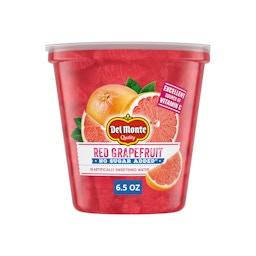
Have you ever wondered if your grapefruit needs to be kept in the fridge or if it’s safe to leave it on the counter? You might think it’s a small detail, but how you store your grapefruit can make a big difference in its taste, freshness, and how long it lasts.
Imagine biting into a juicy, perfectly fresh grapefruit every time you want one—sounds great, right? Keep reading, and you’ll discover simple tips that help you get the best out of your grapefruit, saving you money and boosting your snack game.

Credit: www.reddit.com
Grapefruit Shelf Life
Grapefruit is a juicy and tangy fruit enjoyed worldwide. Knowing how long it lasts helps reduce waste and keep it fresh. The shelf life depends on how you store it. Grapefruit can stay fresh for different times at room temperature and in the fridge. Proper storage keeps the fruit tasty and safe to eat.
Room Temperature Duration
At room temperature, grapefruit lasts about one week. Keep it in a cool, dry place away from direct sunlight. Warmth speeds up ripening and spoilage. Avoid storing grapefruit near bananas or apples. These fruits release gases that make grapefruit spoil faster. Check the fruit daily for soft spots or mold.
Refrigerated Storage Time
Refrigeration extends grapefruit shelf life up to three to four weeks. Store it in the crisper drawer or a perforated plastic bag. This maintains moisture and slows down decay. Cold temperatures prevent mold and keep the fruit firm. Always wash grapefruit before eating or cutting to remove bacteria.

Credit: shop.mortonwilliams.com
Benefits Of Refrigerating Grapefruit
Refrigerating grapefruit offers clear benefits that help keep them fresh longer. Cold storage helps maintain the fruit’s texture and juiciness. It also reduces the risk of the fruit going bad quickly. Keeping grapefruit in the fridge is a simple way to enjoy their best quality for days.
Preserving Freshness
Refrigeration slows down the natural ripening process. This helps the grapefruit stay firm and juicy. The cool temperature keeps the skin smooth and prevents it from drying out. Your grapefruit will taste better and look fresher when chilled.
Slowing Down Spoilage
Lower temperatures limit the growth of bacteria and mold. This reduces the chance of spoilage and decay. Grapefruit stored in the fridge lasts longer than those kept at room temperature. It also helps keep the fruit safe to eat for several weeks.
Storing Grapefruit Without Refrigeration
Storing grapefruit without refrigeration is possible if you pay attention to the right conditions. Grapefruit can stay fresh for several days outside the fridge if handled properly. Understanding where and how to place them can make a big difference in how long they last and how juicy they remain.
Ideal Room Conditions
Grapefruit prefers a cool, dry place away from direct sunlight. A kitchen counter or pantry corner with good airflow works well. Temperatures between 50°F and 70°F (10°C to 21°C) help keep the fruit fresh without speeding up spoilage.
Keep grapefruit separate from bananas or apples, as these release ethylene gas that can cause the grapefruit to ripen too quickly. Laying them out in a single layer instead of stacking avoids bruising. A bowl or open basket is often the best choice to maintain good air circulation around each fruit.
Common Mistakes To Avoid
One common mistake is leaving grapefruit in direct sunlight, which can dry out the skin and reduce juiciness. Another is storing them in plastic bags or sealed containers, which trap moisture and encourage mold growth.
Have you ever noticed your grapefruit getting soft and mushy within a day or two? That usually happens when the fruit is kept in a warm, humid spot without airflow. Avoid placing grapefruit near heat sources like stoves or ovens, as this speeds up spoilage.

Credit: shop.cashwise.com
Best Practices For Refrigeration
Proper refrigeration helps keep grapefruit fresh and juicy for longer. Storing them correctly slows down spoilage and maintains flavor. Following best practices ensures your grapefruit stays tasty and firm.
Proper Wrapping Techniques
Wrap grapefruit in a paper towel to absorb moisture. Avoid using plastic wrap directly on the fruit. Instead, place the wrapped grapefruit in a breathable bag. This prevents excess moisture and mold growth. Check the wrap daily and replace if damp.
Optimal Fridge Placement
Store grapefruit in the crisper drawer of your fridge. This area controls humidity better than shelves. Keep them away from strong-smelling foods to avoid odor transfer. Place the fruit in a single layer to avoid bruising. Do not overcrowd the drawer for proper air circulation.
Signs Of Spoiled Grapefruit
Recognizing spoiled grapefruit is important to avoid wasting fruit or eating something unsafe. Spoiled grapefruit shows clear signs that help you decide if it should be thrown away. These signs include changes in look, feel, and smell.
Visual Indicators
- Skin turns dull or develops dark spots.
- White or gray mold may appear on the surface.
- Fruit looks shriveled or dried out.
- Areas of the grapefruit may become soft and sunken.
- Discoloration inside the fruit when cut open.
Texture And Smell Changes
- Peel feels unusually soft or mushy to touch.
- Fruit inside becomes watery or slimy.
- Grapefruit emits a sour or fermented odor.
- Loss of the fresh, citrus scent typical of grapefruit.
- Sticky or wet residue on the skin.
Using Grapefruit After Storage
After storing grapefruit, you might wonder how best to use it to enjoy its full flavor and texture. Proper storage can help maintain its juiciness and tang, but what comes next is just as important. Whether you eat it fresh or add it to a dish, there are simple ways to make the most of your grapefruit after storage.
Fresh Consumption Tips
Before eating, let your grapefruit sit at room temperature for about 30 minutes if it’s been refrigerated. This helps the fruit regain some of its natural sweetness and aroma.
Try slicing it thin or cutting it into segments for easy snacking. Sprinkle a pinch of sea salt or a little honey to enhance the flavors if the fruit tastes a bit dull.
Have you ever noticed that grapefruit can taste bitter at times? Peeling off the white pith can reduce bitterness and make each bite more pleasant. This small step can change your eating experience dramatically.
Incorporating Stored Grapefruit In Recipes
Stored grapefruit works great in salads, smoothies, and desserts. Adding segments to a green salad with avocado and nuts creates a refreshing contrast.
Blend grapefruit with yogurt and a touch of ginger for a quick, vibrant smoothie that wakes up your senses. Or, use grapefruit juice in marinades to tenderize chicken or fish while adding a bright citrus flavor.
Have you tried grapefruit in baking? Its zest can brighten cakes or muffins, and a grapefruit glaze makes for a unique finish on pastries.
- Mix grapefruit segments with mint and a drizzle of olive oil for a simple side dish.
- Add grapefruit juice to vinaigrettes for a citrusy twist on salad dressings.
- Use grapefruit in cocktails or mocktails for a fresh, tangy kick.
Frequently Asked Questions
Should Grapefruit Be Stored In The Fridge?
Grapefruits can be stored in the fridge to extend their freshness. Refrigeration helps maintain their juicy texture and flavor. If left at room temperature, they can last about a week. In the fridge, they stay fresh for up to three weeks.
Always store them in the crisper drawer for optimal freshness.
How Long Do Grapefruits Last Unrefrigerated?
Grapefruits last about a week at room temperature. For longer shelf life, refrigerate them. Keeping them in a cool, dry place helps maintain their quality. Ensure they are not exposed to direct sunlight. This will help preserve their juicy texture and tangy flavor.
Does Refrigerating Grapefruit Affect Its Taste?
Refrigerating grapefruit helps retain its juicy texture and tangy flavor. It slows down the ripening process, preserving its freshness. Some people might notice a slight change in taste, but it’s generally minimal. For best results, store them in the crisper drawer.
Can You Freeze Grapefruit For Later Use?
Yes, you can freeze grapefruit to extend its shelf life. Peel and segment the grapefruit before freezing. Store the segments in airtight containers or freezer bags. Frozen grapefruit can be used in smoothies, desserts, or as a refreshing snack. Freezing may slightly alter the texture but preserves the flavor.
Conclusion
Grapefruits last longer when kept cool. Storing them in the fridge slows spoilage. Room temperature is fine for short times. Keep them in a dry, shaded spot. Check often for soft spots or mold. Fresh grapefruit tastes best and is healthy.
Now you know how to keep them fresh. Enjoy your grapefruit without worry. Simple steps help you save money and reduce waste. Fresh fruit always makes a great snack!