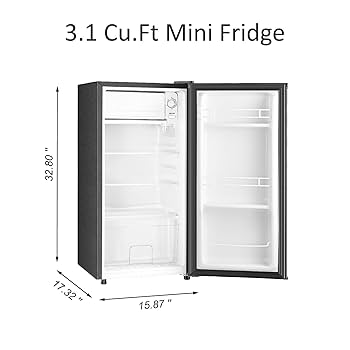
Are you thinking about adding a small refrigerator to your space but wondering how much it weighs? Whether you’re planning to move it yourself, fit it into a tight spot, or just want to know if it’s easy to handle, knowing the weight is crucial.
You’ll discover the typical weight range of small refrigerators and what factors can affect it. By the end, you’ll feel confident choosing the right fridge that fits both your needs and your space without any surprises. Keep reading to find out everything you need to know!
Factors Affecting Refrigerator Weight
The weight of a small refrigerator depends on several important factors. These factors influence how heavy or light the appliance feels. Understanding these helps when choosing the right fridge for your space and needs.
Each small refrigerator varies in weight due to its design and features. Some models are compact and easy to move. Others are built to last with heavier materials and added functions.
Size And Capacity
The size and capacity directly impact the fridge’s weight. Larger models hold more food and have bigger compartments. This adds to the overall weight. Compact refrigerators typically weigh less because they have less storage space.
- Smaller volume means lighter weight
- More cubic feet increases weight
- Taller and wider fridges tend to be heavier
Materials And Build
The materials used in construction affect the fridge’s heaviness. Metal exteriors are usually heavier than plastic ones. High-quality insulation adds weight but improves cooling efficiency. The thickness of walls and shelves also matters.
- Steel bodies weigh more than plastic
- Thicker insulation adds to weight
- Glass shelves weigh more than plastic shelves
Additional Features
Extra features can increase the weight of a small refrigerator. Built-in freezers, ice makers, or water dispensers add parts and complexity. Electronic controls and lighting also contribute to the total weight.
- Freezer compartments add bulk and weight
- Ice makers include heavy machinery
- LED lights and digital displays add minor weight

Credit: www.amazon.com
Typical Weight Ranges
Small refrigerators come in various shapes and sizes. Their weight varies depending on the type and features. Knowing typical weight ranges helps in choosing the right model for your space and needs. Here is a breakdown of common small fridge types and their weights.
Compact Models
Compact refrigerators usually weigh between 40 and 70 pounds. They are designed to fit in tight spaces like dorm rooms or offices. Despite their small size, they offer enough room for essentials. Their lightweight nature makes them easy to move.
Mini Fridges
Mini fridges weigh around 30 to 50 pounds. These fridges are smaller than compact models and often used in bedrooms or small apartments. They store drinks and snacks with ease. Mini fridges are popular for their portability.
Countertop Refrigerators
Countertop refrigerators typically weigh from 50 to 90 pounds. They sit on kitchen counters or desks and provide quick access to food. These models often include extra features like freezer compartments. Their weight reflects their sturdier build and added functions.
Weight Comparison With Other Appliances
Comparing the weight of a small refrigerator with other common appliances helps understand its portability. Small refrigerators are lighter than full-sized models, but how do they stack up against everyday kitchen gadgets? Knowing this can guide choices for dorm rooms, offices, or travel.
Small refrigerators typically weigh between 30 to 50 pounds. This weight range is manageable for most people to move or carry without much trouble.
Microwaves
Microwaves weigh roughly 20 to 40 pounds, depending on size and features. Compact microwaves are closer to 20 pounds, making them lighter than most small refrigerators. Larger microwaves can approach the weight of a small fridge but usually remain lighter.
Toaster Ovens
Toaster ovens are smaller and lighter. Most models weigh between 10 and 25 pounds. This makes them much easier to move compared to small refrigerators. They fit well on countertops and are simple to reposition.
Portable Coolers
Portable coolers are designed to be lightweight. Their weight ranges from 10 to 30 pounds when empty. This makes them lighter than small refrigerators. Coolers rely on ice or packs, so they don’t need heavy components like compressors.

Credit: www.amazon.com
Why Weight Matters
Weight plays a key role in choosing a small refrigerator. It affects how easy it is to carry, where it fits, and even how much power it uses. Knowing the weight helps plan moving, installation, and energy costs. This makes the buying process smarter and less stressful.
Portability And Moving
Small refrigerators are often moved between rooms or homes. Lighter models are easier to carry and lift. Heavy fridges need more people or tools to move safely. Weight impacts how you transport the fridge in cars or elevators. A lighter fridge reduces the risk of injury or damage during moving.
Installation Considerations
Weight affects where you can place the fridge. Some shelves or countertops can hold only limited weight. Heavy fridges may require stronger support or special stands. Knowing the weight helps avoid accidents like tipping or falling. It also guides you on how to secure the fridge properly.
Energy Efficiency Impact
Weight often links to the materials and insulation inside the fridge. Heavier models may have better insulation, which saves electricity. Lighter fridges might use less energy to cool but lose cold faster. Understanding weight helps predict energy use and monthly power bills. This can lead to choosing a fridge that fits your budget and eco needs.
Tips For Handling Small Refrigerators
Handling a small refrigerator requires care to avoid damage and injury. Proper techniques make moving easier and safer. Follow these tips to handle your fridge smoothly.
Safe Lifting Techniques
Bend your knees and keep your back straight when lifting. Use your legs to lift, not your back. Hold the refrigerator close to your body. Avoid twisting while carrying the fridge. Ask for help if the fridge feels heavy.
Using Dollies And Carts
Place the fridge securely on a dolly or cart with straps. Make sure the fridge is balanced and stable. Push the dolly slowly, keeping control at all times. Avoid rough surfaces that can tip the fridge over. Use ramps for stairs instead of lifting.
Preparing For Transport
Empty all food and shelves before moving. Secure the door with tape or rope to keep it closed. Wrap the fridge in blankets to protect it from scratches. Plan the route and clear obstacles ahead. Keep the fridge upright during transport to prevent damage.
Choosing The Right Small Refrigerator
Choosing the right small refrigerator involves more than just picking a model that fits your budget. The weight, size, and features must align with your needs and space. A good choice balances these factors for daily convenience and long-term use.
Consider the weight carefully. A heavy fridge may be harder to move but could offer more durability. On the other hand, a lightweight model might be easier to transport but may have less storage or fewer features.
Balancing Weight And Capacity
Small refrigerators vary in weight, usually between 20 to 80 pounds. A heavier fridge often has more storage space and stronger insulation. Light models are easier to carry but might have limited capacity. Decide what matters more: easy movement or more storage. Think about how often you will move the fridge. Choose a size that matches your daily needs without being too bulky.
Assessing Space Limitations
Measure the space where the fridge will go. Leave extra room for air circulation and door opening. Check door swing direction for tight spaces. A bulky fridge in a small area causes inconvenience. Select a fridge that fits comfortably in your available space. Consider narrow or compact models if space is tight. Proper fit helps with efficiency and ease of use.
Feature Prioritization
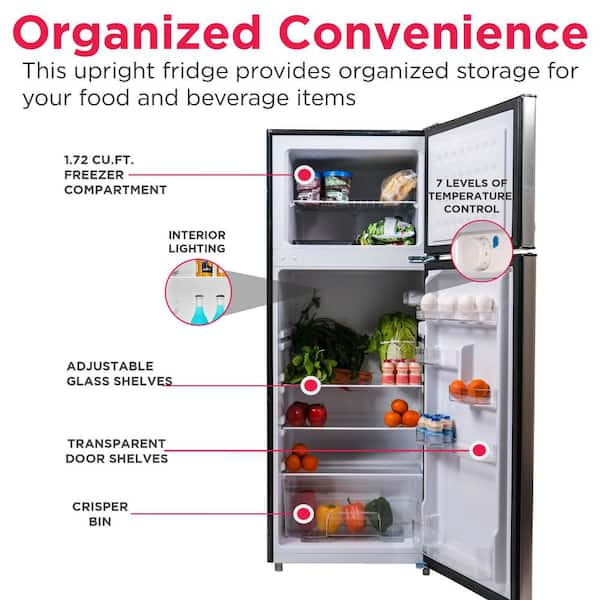
Small refrigerators come with various features. Some have freezers, adjustable shelves, or energy-saving modes. Focus on features that suit your lifestyle. A freezer section is useful for freezing food or ice. Adjustable shelves help organize different items. Energy-efficient models save electricity and reduce bills. Avoid extra features that add weight but go unused. Prioritize what adds value to your everyday use.
Credit: www.homedepot.com
Frequently Asked Questions
What Is The Average Weight Of A Small Fridge?
A small refrigerator typically weighs between 40 to 80 pounds. The exact weight depends on the brand, model, and additional features. Compact models are on the lighter side, while those with extra features may weigh more.
Does Fridge Size Affect Its Weight?
Yes, the size of a refrigerator directly impacts its weight. Smaller fridges, like mini fridges, weigh less. Larger small fridges with more storage tend to weigh more. The material and design also contribute to the overall weight.
How Does Fridge Material Influence Weight?
The material of a refrigerator significantly affects its weight. Stainless steel models tend to weigh more due to their durability. Plastic or aluminum fridges are lighter. The choice of material impacts both aesthetics and functionality.
Are Energy-efficient Fridges Heavier?
Energy-efficient refrigerators are not necessarily heavier. Modern technology allows for lightweight, efficient designs. The weight depends more on size and materials. Energy efficiency often relates to the fridge’s insulation and compressor technology.
Conclusion
Small refrigerators usually weigh between 30 and 60 pounds. This weight depends on size and features. Knowing the weight helps when moving or buying one. Lighter models are easier to carry and fit in small spaces. Heavier ones might offer more storage or cooling power.
Think about where you will place your fridge. Choose a weight that suits your needs and space. This way, you get a fridge that works well for you. Simple and clear choices lead to better satisfaction.