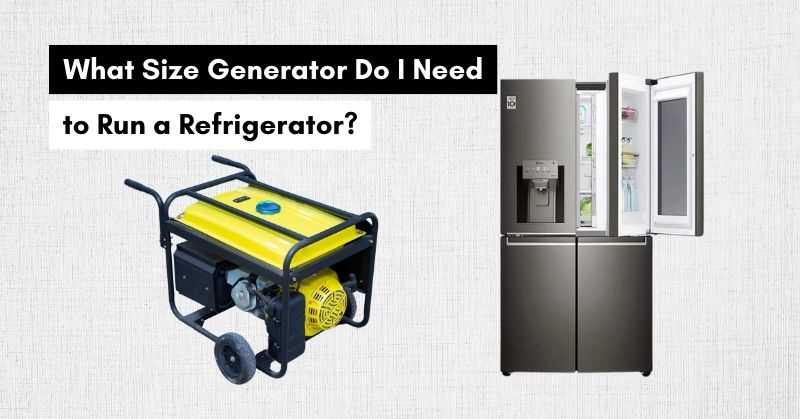
Are you wondering how many watts your generator needs to keep your refrigerator running smoothly? Choosing the right generator size can be confusing, but it’s crucial to avoid power outages and keep your food fresh.
If your generator is too weak, your fridge won’t start; if it’s too strong, you might waste money on unnecessary power. You’ll discover exactly how to calculate the wattage your refrigerator requires and find the perfect generator match for your needs.
Keep reading to make sure you never lose power when it matters most.
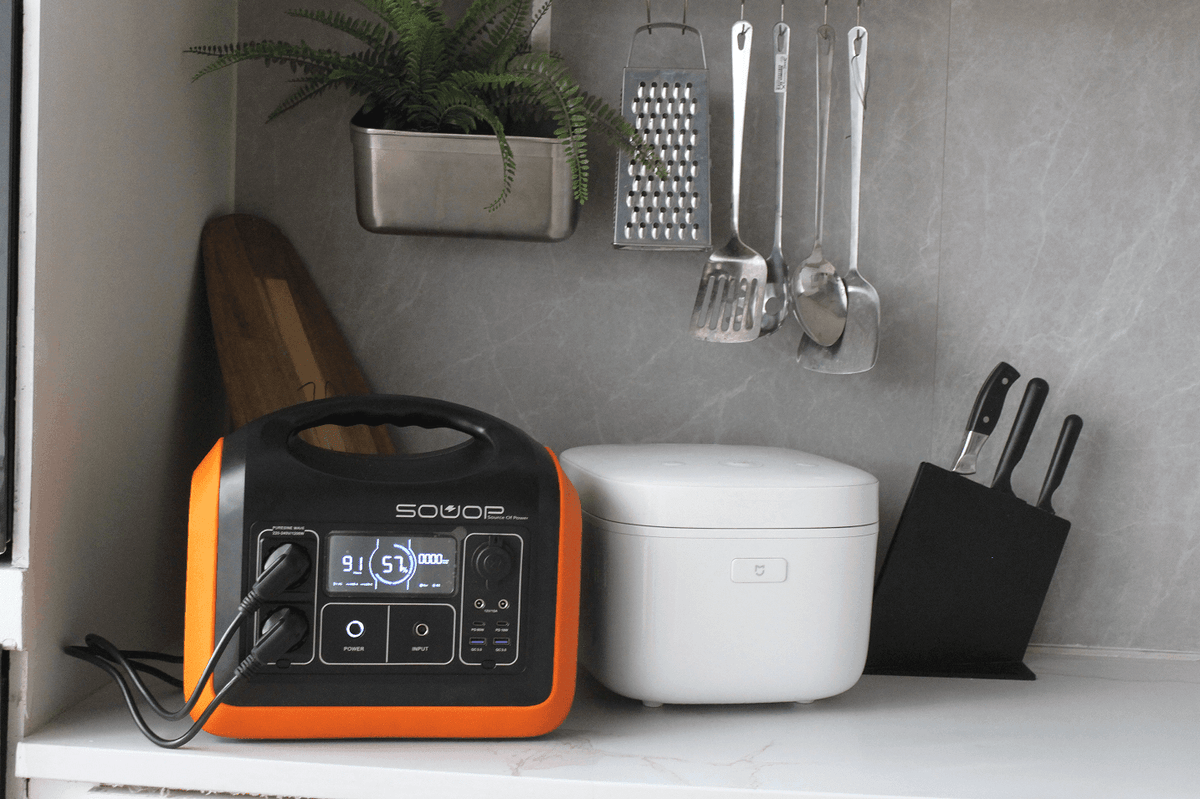
Credit: oupes.com
Refrigerator Power Basics
Understanding the power needs of your refrigerator is crucial before choosing a generator. Refrigerators don’t just consume electricity continuously; they need extra power when starting up. Knowing these basics helps you avoid buying a generator that’s either too weak or unnecessarily large for your needs.
Wattage And Its Importance
Wattage measures the electrical power your refrigerator uses. It’s important because it tells you how much energy your generator must supply to keep the fridge running smoothly. If your generator can’t provide enough watts, your refrigerator might not start or could damage the generator.
Most refrigerators use between 100 and 800 watts while running. But you shouldn’t just look at the running wattage. You also need to factor in extra power for starting the compressor. This prevents surprises during a power outage or camping trip.
Starting Vs Running Watts
Running watts refer to the power your refrigerator needs to keep working once it’s on. Starting watts, however, are the higher surge of power required to kickstart the compressor. This surge can be two to three times the running watts.
Imagine trying to start your car on a cold day; it needs more energy at first. Your refrigerator works the same way. If your generator only handles running watts, it won’t supply enough power at startup, causing your fridge to fail to run properly.
Check your refrigerator’s manual or label to find both running and starting watts. Always pick a generator that meets or exceeds the starting watt requirement. This small detail can save you a lot of frustration and keep your food safe.
Calculating Refrigerator Wattage
Knowing the wattage your refrigerator uses is essential before choosing a generator. If you pick one with too little power, the fridge might not start or could cause the generator to overload. On the other hand, too large a generator wastes fuel and money. Let’s break down how to find the exact wattage your refrigerator needs so you can match it perfectly with a generator.
Checking The Appliance Label
Start by looking at the label on your refrigerator. It’s usually found inside the door or on the back panel. This label shows the appliance’s power consumption, often listed in watts or amps.
If you see amps instead of watts, multiply the amps by the voltage (usually 120 volts in the US) to get the wattage. For example, if the label says 3 amps, then 3 amps × 120 volts = 360 watts.
Keep in mind that the starting wattage—the surge when the compressor kicks in—can be 2 to 3 times higher than the running wattage. Check if the label mentions starting watts or surge power. If not, plan for a generator that can handle about double the running wattage.
Using A Watt Meter
A watt meter is a handy tool to measure your refrigerator’s exact power use. Plug the meter between the fridge and the outlet, and it shows real-time wattage. This gives you accurate info on both running and starting wattage.
I once used a watt meter and discovered my old fridge used less power than the label suggested. This helped me choose a smaller, more efficient generator. Without a meter, you might end up buying something unnecessarily big.
Watt meters are affordable and easy to use. If you want precision and want to avoid guesswork, this tool is worth it.
Estimating Based On Refrigerator Size
If you don’t have the label or a watt meter, you can estimate based on your refrigerator’s size. Smaller fridges (under 10 cubic feet) generally use between 100 to 250 watts running, while medium sizes (10 to 20 cubic feet) use about 250 to 600 watts.
Larger fridges or those with extra features like ice makers or water dispensers may use 600 watts or more. Remember to account for the starting surge, which can double or triple these numbers.
| Refrigerator Size (Cubic Feet) | Estimated Running Watts | Estimated Starting Watts |
|---|---|---|
| Under 10 | 100 – 250 | 300 – 750 |
| 10 – 20 | 250 – 600 | 750 – 1800 |
| Over 20 | 600+ | 1800+ |
Estimations won’t be exact but give you a solid starting point. Would you rather guess or measure? Measuring saves money and hassle in the long run.
Generator Size Recommendations
Choosing the right generator size for your refrigerator is essential to keep your food fresh and avoid unexpected power outages. The wattage you need depends on the type and size of your refrigerator. Understanding these differences helps you pick a generator that runs efficiently without wasting fuel or risking damage to your appliance.
Small Refrigerators
Small refrigerators, like mini-fridges or compact models, typically require less power. Most small units need between 100 to 250 watts to run.
However, their startup wattage can be higher, usually around 600 watts. This is because the compressor needs a short burst of power to start cooling.
If you use a generator with at least 700 watts capacity, you should be safe. This also leaves room for other small appliances or lights if needed.
Standard Household Refrigerators
Standard refrigerators found in most homes usually require more power. Their running wattage ranges from 600 to 800 watts, while the starting wattage can jump to 1,200 to 1,600 watts.
Choosing a generator with at least 2,000 watts ensures your fridge starts up smoothly and runs without hiccups. This size also supports other kitchen devices during outages.
Think about your fridge’s age and efficiency too. Older models might need a bit more power, so check the label or manual for exact wattage.
Large Or Commercial Refrigerators
Commercial refrigerators or large residential units consume significantly more power. They can run anywhere from 1,000 to 2,000 watts and may require 3,000 to 4,000 watts at startup.
Generators rated between 4,000 and 5,000 watts are often necessary to handle these heavy loads. This prevents power drops that could spoil your goods.
If you’re running multiple large appliances, consider a generator with even higher wattage. It’s better to have extra capacity than risk interruption during critical times.
Additional Power Considerations
Choosing the right generator wattage for a refrigerator involves more than just the fridge’s power needs. Other factors affect the total wattage required. Understanding these helps avoid overload and keeps appliances running smoothly.
Consider extra appliances running on the same generator. These can add to the total power load. Also, refrigerators need extra power at startup. This surge must be included for safe operation.
Other Appliances To Include
Think about all devices that will run together with the refrigerator. Common items include:
- Lights
- Microwaves
- Fans
- Charge points for phones or laptops
- Other kitchen appliances
Each appliance adds to the total wattage. Add their power needs to the fridge’s wattage for a clear estimate.
Surge Capacity And Safety Margins
Refrigerators need extra power at startup. This surge can be two to three times the running wattage. Choose a generator with a surge rating that covers this peak.
Include a safety margin of 20-25% above total wattage. This prevents overloading and allows room for unexpected power use. A generator with higher capacity lasts longer and runs cooler.
Choosing The Right Generator
Choosing the right generator for your refrigerator is more than just matching wattage. It involves understanding different generator types, how fuel efficiency impacts runtime, and balancing noise with portability. Making the right choice ensures your fridge runs smoothly during power outages without wasting fuel or creating unnecessary noise.
Types Of Generators
There are mainly two types of generators you’ll encounter: portable and standby. Portable generators are versatile and can be moved wherever you need power, making them perfect for short-term use or camping.
Standby generators are permanently installed and automatically turn on during an outage. They provide continuous power but come with a higher price tag and installation requirements.
Think about how often you’ll use the generator and where. A portable generator might be enough for occasional outages, but if you live in an area with frequent blackouts, a standby generator could be more reliable.
Fuel Efficiency And Runtime
Fuel efficiency directly affects how long your generator can keep your refrigerator running. Generators with higher efficiency use less fuel to produce the same power, saving you money and hassle.
Check the runtime ratings, which indicate how many hours a generator can run on a full tank. If your power outages last several hours, you’ll want a generator with a longer runtime to avoid constant refueling.
Consider a generator with an eco-mode feature—it adjusts fuel use based on the load, extending runtime without sacrificing performance. Have you ever had to refill a generator multiple times during an outage? Choosing a fuel-efficient model can prevent that frustration.
Noise Levels And Portability
Noise can be a deal-breaker, especially if you live in a quiet neighborhood or plan to use the generator near your home. Look for generators with low decibel ratings or built-in noise reduction features.
Portability matters if you plan to move the generator around or store it when not in use. Smaller, lighter models with wheels and handles offer easy transport.
Balancing noise and portability often means making a trade-off. Larger generators tend to be louder but more powerful, while compact models are quieter but might have lower wattage. What’s more important for your situation—quiet operation or easy mobility?

Credit: www.popularmechanics.com
Generator Maintenance Tips
Keeping your generator in good shape ensures it runs smoothly when powering your refrigerator. Regular maintenance prevents breakdowns and extends the life of your generator. Simple care steps make a big difference in performance and reliability.
Routine Checks
- Check the oil level before every use. Low oil harms the engine.
- Inspect the air filter monthly. Clean or replace it if dirty.
- Examine fuel lines for cracks or leaks to avoid fire risks.
- Test the spark plug twice a year. Replace it if worn out.
- Run the generator under load for 15 minutes each month. This keeps parts lubricated and prevents fuel buildup.
- Look for loose bolts or nuts and tighten them promptly.
Storage Best Practices
Store your generator in a dry, cool place away from dust and moisture. Moisture can cause rust and damage electrical parts.
Drain the fuel tank before long storage. Old fuel clogs the carburetor and reduces performance.
Cover the generator with a breathable fabric to protect from dirt without trapping moisture. Avoid plastic covers that cause condensation.
Keep the battery charged if your generator uses one. A dead battery can stop the generator from starting.

Credit: www.reddit.com
Frequently Asked Questions
How Many Watts Does A Refrigerator Typically Use?
Most refrigerators use between 100 to 800 watts. The exact wattage depends on size and efficiency. Knowing this helps choose the right generator size for backup power.
What Size Generator Is Needed For A Fridge?
A generator with 700 to 1000 watts is usually sufficient. It covers the fridge’s starting surge and running wattage safely. Always check your fridge’s label for precise watt needs.
Can A 1000-watt Generator Run A Refrigerator?
Yes, a 1000-watt generator can run most refrigerators. It handles the starting surge and continuous power requirements. However, larger fridges may need higher wattage generators.
Why Is Starting Wattage Important For Refrigerators?
Refrigerators require extra watts at startup, called surge watts. This surge can be 2-3 times the running watts. Choosing a generator with enough starting wattage prevents power interruptions.
Conclusion
Choosing the right generator wattage for a refrigerator is crucial. It ensures your appliance runs smoothly during power outages. Start by checking your refrigerator’s wattage needs. Typically, a fridge requires 600 to 800 watts. Consider a generator with a bit more power.
This covers additional appliances or unexpected surges. Prioritize reliable brands. They ensure durability and efficiency. Regular maintenance keeps your generator in peak condition. Remember, a well-chosen generator saves you from food spoilage and inconvenience. Be prepared. Make informed choices for peace of mind during power cuts.