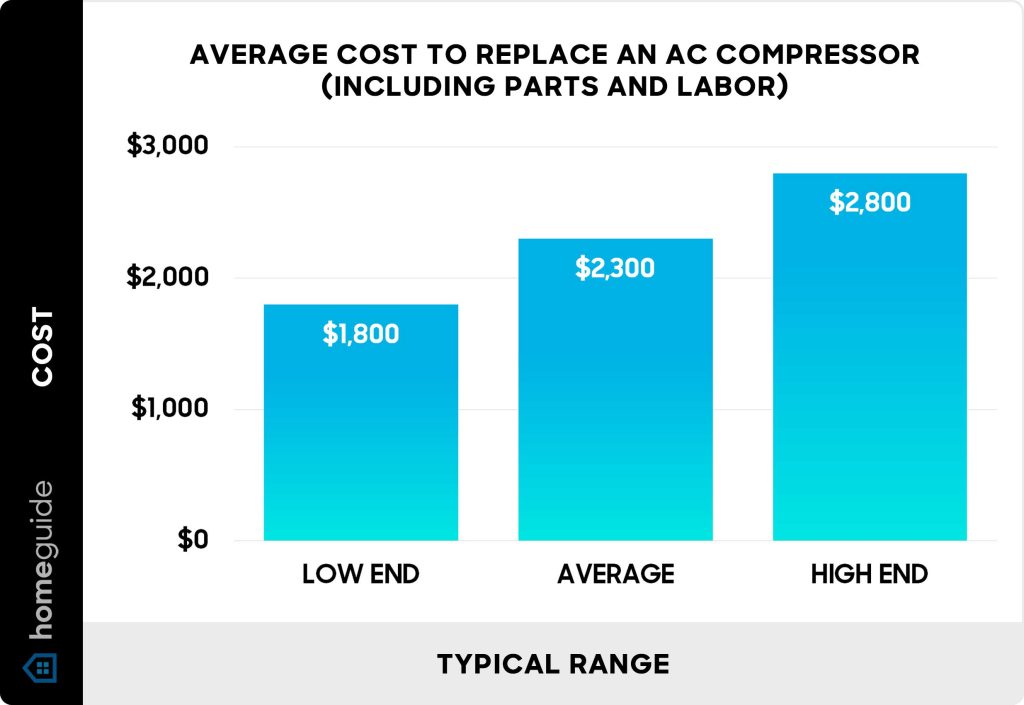
Is your air conditioner not cooling like it used to? You might need to replace the refrigerant.
But how much will that actually cost you? Knowing the price upfront can help you avoid surprises and plan your budget better. You’ll discover the real factors that affect the cost of replacing refrigerant in your AC. By the end, you’ll feel confident about making the right choice for your home and wallet.
Keep reading to find out what to expect and how to save money on this important repair.
Factors Affecting Refrigerant Replacement Cost
Understanding the factors that affect refrigerant replacement cost can save you from unexpected expenses. Several elements play a role in determining the final price, and knowing them helps you plan your budget better. Let’s break down these key factors so you can make informed decisions about your AC maintenance.
Type Of Refrigerant Used
The kind of refrigerant your AC requires has a major impact on the cost. Older units often use R-22, which is expensive and being phased out. Newer models use R-410A or other eco-friendly refrigerants that might cost less or more depending on supply and demand.
Have you checked which refrigerant your unit uses? This simple step can clue you into potential costs before you call a technician.
Ac Unit Size And Model
Bigger AC units need more refrigerant, naturally increasing the cost. The complexity of the model also matters; high-efficiency or specialty systems can be pricier to service. Your technician might charge extra time for handling advanced models.
Think about your AC’s size and type—does it look like a standard unit, or something more customized? This can affect how much refrigerant you’ll need and the total price.
Leak Detection And Repair
Refrigerant doesn’t just disappear; it usually leaks somewhere. Finding and fixing leaks adds to the overall cost. Sometimes the leak is easy to spot, but other times it requires special equipment and extra time.
Consider: Would you pay more upfront to fix a leak properly rather than keep refilling refrigerant repeatedly?
Labor Charges
Labor costs vary depending on the technician’s experience and the time required to complete the job. Some repairs are straightforward, while others take hours of diagnostic work. Don’t forget that emergency or weekend services often come with higher labor fees.
Ask your service provider for a clear labor estimate before they start work. This can help avoid surprises on your bill.
Location And Service Provider
Your geographical location heavily influences pricing. Urban areas with higher living costs usually have steeper service rates. Additionally, the reputation and expertise of the service provider can affect what you pay.
Would you choose a highly rated company that charges more or a budget service with mixed reviews? Your choice impacts both cost and quality.

Credit: www.angi.com
Common Types Of Refrigerants And Their Prices
Refrigerants play a key role in air conditioning systems. Different types of refrigerants have different costs. Knowing these prices helps plan your AC maintenance budget. Some refrigerants are more common, while others are newer and more eco-friendly. Prices vary due to availability, demand, and regulations. Understanding the costs of common refrigerants makes replacing them easier.
R-22 Refrigerant Costs
R-22, also known as Freon, is an older refrigerant. It is being phased out due to environmental rules. This makes R-22 expensive and harder to find. The price per pound can range from $50 to $150. Costs depend on location and supplier. Many older AC units still use R-22. Replacing this refrigerant can raise maintenance costs over time.
R-410a Refrigerant Costs
R-410A is a popular refrigerant for newer AC systems. It is more efficient and less harmful to the ozone layer. The price per pound usually falls between $20 and $40. R-410A is widely available and affordable. Many new air conditioners use R-410A as the standard refrigerant. It offers good cooling and better environmental safety.
Other Refrigerant Options
New refrigerants continue to enter the market. Some options include R-32, R-134a, and R-454B. These tend to be more eco-friendly and energy-efficient. Prices vary but often range from $30 to $70 per pound. Availability may be limited in some areas. Choosing these refrigerants depends on the AC system and local rules.
Signs You Need Refrigerant Replacement
Refrigerant is essential for your AC’s cooling function. Loss of refrigerant can cause your system to work poorly or even stop cooling. Spotting signs early helps avoid bigger problems and costly repairs. Here are common signs that indicate you may need a refrigerant replacement.
Reduced Cooling Efficiency
Your AC takes longer to cool the room. The air feels less cold than before. This happens because low refrigerant lowers the system’s ability to absorb heat. You may notice warm spots or uneven cooling across rooms.
Ice Formation On Coils
Ice or frost may build up on the evaporator coils. This occurs when refrigerant levels drop and pressure falls. Ice blocks airflow and damages the coils. It can cause the AC to shut down or work harder than normal.
Hissing Or Bubbling Noises
Listen for unusual sounds near the AC unit. Hissing or bubbling can mean refrigerant leaks. These noises come from escaping gas or refrigerant moving through damaged pipes. Such leaks lower cooling power and waste energy.
Higher Energy Bills
Your electricity bill rises without increased use. A refrigerant leak forces the AC to run longer and harder. This wastes energy and raises costs. Monitoring bills helps catch issues early before repair costs grow.
Step-by-step Refrigerant Replacement Process
Replacing refrigerant in an AC system requires careful work to ensure safety and proper function. The process involves checking the system for leaks, removing old refrigerant, fixing any leaks, adding new refrigerant, and testing the system. Each step is important to keep the AC running efficiently.
Inspection And Leak Testing
Technicians start by inspecting the AC system thoroughly. They check all parts for visible damage or wear. Then, they perform a leak test to find any refrigerant leaks. This test uses special tools to detect escaping gas. Finding leaks early helps prevent future problems.
Recovering Old Refrigerant
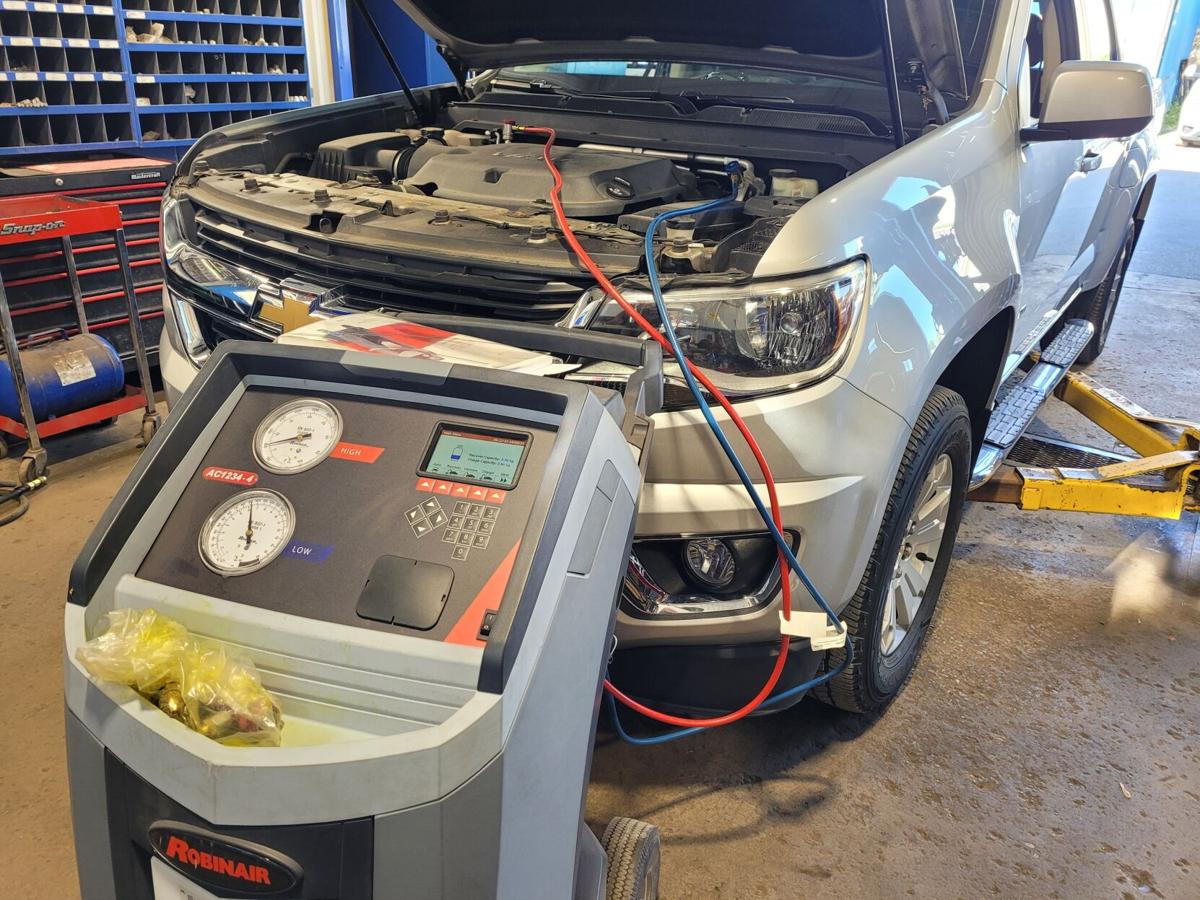
Before adding new refrigerant, the old one must be removed safely. Technicians use recovery machines to extract the refrigerant. This process prevents harmful gas from entering the atmosphere. Proper recovery also follows environmental laws and regulations.
Repairing Leaks
If leaks are found, they must be repaired before recharging the system. Technicians fix or replace faulty parts like hoses, valves, or coils. Repairing leaks stops refrigerant loss and improves system efficiency. This step protects the environment and saves money in the long run.
Charging New Refrigerant
After repairs, new refrigerant is added to the system. The amount added matches manufacturer recommendations. Technicians use precise tools to measure and add refrigerant. Correct charging ensures the AC cools properly and runs smoothly.
System Testing
Finally, the entire AC system is tested. Technicians check pressure levels and cooling performance. They ensure there are no leaks or issues after charging. Testing confirms the system is ready for use and working efficiently.
Diy Vs Professional Refrigerant Replacement
Deciding between DIY and professional refrigerant replacement is important for your AC’s health. Handling refrigerants requires care, skill, and the right tools. This section explains the risks of DIY, benefits of experts, and cost differences.
Risks Of Diy Refrigerant Handling
- Refrigerants can cause serious injury if mishandled.
- Incorrect charging may damage the AC system.
- Leaks might go unnoticed, harming the environment.
- Legal rules restrict refrigerant handling to certified people.
- DIY mistakes often lead to higher repair costs later.
Benefits Of Hiring Experts
- Professionals have the right tools and training.
- They ensure the correct amount of refrigerant is added.
- Experts can spot and fix leaks quickly.
- Certified technicians follow safety and environmental laws.
- They provide a warranty on their work for peace of mind.
Cost Comparison
| Type | Average Cost | Notes |
|---|---|---|
| DIY Refrigerant Purchase | $50 – $150 | Only refrigerant cost, no tools or safety gear included. |
| Professional Replacement | $150 – $400 | Includes labor, leak check, and proper disposal. |
Professional service costs more but reduces risks and ensures quality. DIY may save money upfront but can lead to bigger expenses.
Credit: www.thestar.com
Ways To Save On Refrigerant Replacement
Replacing refrigerant in your AC can be costly, but there are smart ways to reduce these expenses without compromising your unit’s performance. By taking proactive steps, you can extend the life of your system and avoid frequent, costly refills. Let’s look at practical strategies that help you save money on refrigerant replacement.
Regular Maintenance Tips
Keeping your AC well-maintained is the easiest way to prevent refrigerant leaks and loss. Simple actions like cleaning or replacing air filters every 1-3 months can improve airflow and reduce strain on your system.
Check for visible signs of leaks, such as oily spots on refrigerant lines or hissing sounds. Scheduling a professional inspection once a year can catch small issues before they become expensive repairs.
Have you ever ignored a minor AC issue only to face a much larger bill later? Regular upkeep saves you from that frustration by preserving refrigerant levels efficiently.
Energy-efficient Ac Upgrades
Older air conditioners often use outdated refrigerants that are less efficient and more costly to replace. Upgrading to a newer model designed for energy efficiency can reduce the frequency and amount of refrigerant needed.
Look for units with ENERGY STAR certification—they use advanced refrigerants that cool better and consume less energy. This not only lowers replacement costs but also trims your monthly electricity bills.
Consider whether your current AC’s age and performance justify an upgrade. Investing in a modern system might save you more money over time than repeatedly refilling refrigerant in an outdated unit.
Choosing The Right Service Provider
The cost of refrigerant replacement varies widely depending on who you hire. Select a licensed technician who specializes in refrigerant handling to ensure quality work and avoid future leaks.
Request multiple quotes and compare not just prices but services offered. Some providers include leak detection and system checks in their package, which can prevent unexpected costs later.
Have you checked reviews or asked for recommendations before booking service? A trustworthy professional can save you money by doing the job right the first time and advising on the best refrigerant options.

Credit: atlasacrepair.com
Frequently Asked Questions
How Much Does Refrigerant Replacement Cost?
Refrigerant replacement typically costs between $100 and $350. Prices vary based on AC unit size and refrigerant type. Labor charges can also affect the total cost. Always consult with a certified HVAC technician for an accurate estimate.
Why Is Refrigerant Replacement Necessary?
Refrigerant replacement is essential to maintain your AC’s cooling efficiency. Low refrigerant levels can lead to higher energy bills and reduced performance. It also prevents potential damage to the AC compressor, ensuring your unit runs smoothly and efficiently.
Can I Replace Refrigerant Myself?
Replacing refrigerant is not a DIY task. It requires specialized knowledge and equipment. Only certified HVAC professionals should handle refrigerants. Improper handling can lead to leaks, inefficiencies, and environmental harm. Always hire a professional to ensure safe and effective refrigerant replacement.
How Often Should Refrigerant Be Replaced?
Refrigerant should not need frequent replacement. However, if there’s a leak or the AC isn’t cooling properly, it may be necessary. Regular maintenance checks can help identify issues early, preventing costly repairs and ensuring optimal performance.
Conclusion
Replacing refrigerant in your AC can vary in cost. Factors like unit size and refrigerant type affect prices. Choosing a trusted technician ensures safety and quality work. Regular maintenance helps avoid costly repairs later. Knowing these costs helps you plan your budget well.
Keep your AC running smoothly and stay cool all year.