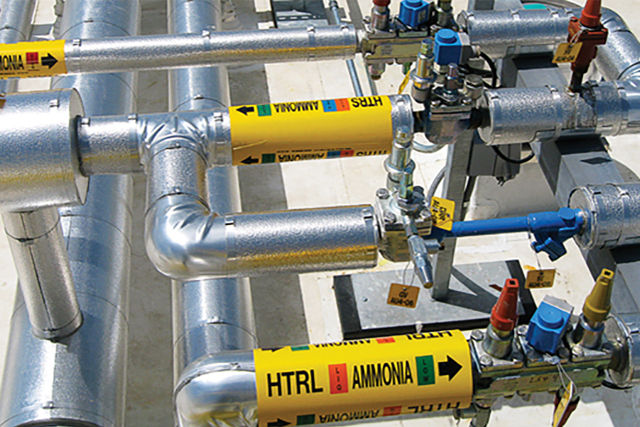
Are you planning to use ammonia as a refrigerant in your system? One crucial step you can’t afford to overlook is choosing the right piping material.
The wrong choice could lead to leaks, corrosion, or even system failure. But which material will keep your ammonia flowing safely and efficiently? You’ll discover exactly what type of piping is needed to handle ammonia’s unique properties. By the end, you’ll feel confident about making the best choice for your refrigeration setup.
Keep reading to protect your investment and ensure smooth operation.
Properties Of Ammonia Refrigerant
Understanding the properties of ammonia as a refrigerant helps you choose the right piping material. Ammonia behaves differently than other refrigerants, so knowing its characteristics is essential for safety and efficiency. Let’s break down what makes ammonia unique and what you need to consider when handling it.
Chemical Characteristics
Ammonia (NH3) is a compound of nitrogen and hydrogen. It is highly reactive with copper and its alloys, which means copper piping is not suitable. Instead, steel or stainless steel pipes are often preferred because they resist ammonia’s corrosive effects.
Ammonia has a strong alkaline nature, which can cause corrosion if the material is not compatible. That’s why understanding its chemical behavior helps you avoid costly repairs and leaks.
Physical Properties
Ammonia is a colorless gas with a sharp, pungent smell that you can easily detect even at low concentrations. It liquefies under moderate pressure, making it ideal for refrigeration systems.
Its boiling point is -33.34°C (-28.01°F), which allows it to absorb heat efficiently. This means piping must handle both low temperatures and pressure fluctuations without becoming brittle or cracking.
Safety Hazards
Ammonia is toxic and can cause severe irritation to the eyes, skin, and respiratory system. A small leak can become dangerous quickly, so the piping material must be robust and leak-proof.
It’s also flammable under certain conditions, so proper ventilation and regular maintenance of pipes are critical. Choosing the right material can reduce risks and protect your health and property.

Credit: www.danfoss.com
Material Compatibility With Ammonia
Choosing the right material for piping ammonia is crucial for safety and efficiency. Ammonia is a common refrigerant but can react with certain metals. Understanding which materials resist ammonia helps avoid leaks and damage.
Material compatibility means selecting metals that do not corrode or degrade when exposed to ammonia. This ensures long-lasting pipes and reduces maintenance costs. Below, key points about metals and corrosion risks are explained.
Metals Resistant To Ammonia
- Carbon steel is widely used and shows good resistance to ammonia.
- Stainless steel, especially grades 304 and 316, offers excellent durability.
- Copper is not recommended due to poor resistance and quick corrosion.
- Aluminum reacts with ammonia and should be avoided in piping.
- Cast iron has moderate resistance but can be brittle under stress.
Corrosion Risks And Prevention
Ammonia can cause stress corrosion cracking in certain metals. This happens when metal and ammonia combine under tension.
Moisture presence increases corrosion risk significantly. Dry ammonia is less aggressive but still requires caution.
Prevent corrosion by:
- Using resistant metals like stainless steel or carbon steel.
- Maintaining dry conditions inside pipes.
- Applying protective coatings or inhibitors.
- Regularly inspecting and replacing damaged sections.
Material Degradation Factors
Temperature and pressure affect how materials react to ammonia. Higher temperatures speed up corrosion and cracking.
Mechanical stress weakens pipes, making them prone to failure. Vibrations and pressure changes add to this risk.
Impurities in ammonia, like moisture or oil, can accelerate material degradation. Clean, pure ammonia extends pipe life.
Choosing the right material and controlling these factors ensures safe ammonia refrigeration systems.
Common Materials Used In Ammonia Piping
Ammonia is a common refrigerant used in many cooling systems. Choosing the right piping material is key for safety and durability. The material must resist corrosion caused by ammonia. It also needs to handle high pressure and temperature changes.
Several materials meet these needs. Each has benefits and limits. Understanding common options helps in making the best choice for ammonia piping.
Carbon Steel Pipes
Carbon steel pipes are widely used for ammonia piping. They offer good strength and durability. These pipes handle high pressure well. They are cost-effective compared to other materials. Proper coating or painting protects them from corrosion. Carbon steel requires regular inspection to avoid rust buildup.
Stainless Steel Options
Stainless steel pipes resist corrosion better than carbon steel. They last longer in harsh environments. Stainless steel is ideal for systems with frequent temperature changes. It works well for ammonia because it does not react easily. The price is higher but offers low maintenance costs. These pipes are strong and safe for ammonia transport.
Copper And Alloys
Copper pipes are less common for ammonia. Ammonia can cause stress corrosion cracking in copper. Some copper alloys improve resistance to ammonia. These alloys are used in special cases only. Copper is easy to install and has good thermal conductivity. Usually, copper is avoided unless specific conditions require it.
Insulation And Protective Coatings
Proper insulation and protective coatings are vital for piping ammonia as a refrigerant. They ensure system efficiency and protect pipes from damage. These materials help maintain temperature and prevent leaks. Understanding the types and roles of insulation and coatings improves safety and performance.
Importance Of Insulation
Insulation stops heat from entering or leaving the ammonia pipes. This keeps the refrigerant cold and saves energy. It also prevents condensation on pipe surfaces. Without insulation, pipes may sweat and cause corrosion or ice build-up. Good insulation extends pipe life and lowers maintenance costs.
Types Of Protective Coatings
Protective coatings shield pipes from corrosion and chemical damage. They form a barrier against moisture and ammonia exposure. Common coatings include:
- Epoxy coatings – strong and resistant to chemicals.
- Polyurethane coatings – flexible and durable.
- Bituminous coatings – water-resistant and cost-effective.
- Zinc-rich coatings – provide cathodic protection.
Choosing the right coating depends on pipe material and environment.
Preventing Ammonia Leaks
Insulation and coatings reduce pipe wear and tear. They protect welds and joints from corrosion. This lowers the chance of leaks. Regular inspection of insulation and coatings helps detect damage early. Repairing damaged areas prevents ammonia from escaping. Safe piping ensures system reliability and worker safety.
Design Considerations For Ammonia Piping
Designing ammonia piping requires careful planning to ensure safety and efficiency. Ammonia is a powerful refrigerant, but it can be hazardous if handled incorrectly. Proper materials and construction methods help prevent leaks and system failures. The design must consider pressure, temperature, joints, seals, and flexibility to manage the unique properties of ammonia.
Pressure And Temperature Ratings
Ammonia piping must handle high pressure and wide temperature ranges. Pipes should be rated above the maximum operating pressure to avoid bursts. Materials must resist low temperatures, as ammonia systems often operate below freezing. Steel and carbon steel are common choices for their strength and durability. Always check the pipe’s pressure class and temperature limits before installation.
Joint And Seal Selection
Joints and seals must prevent ammonia leaks under pressure. Welded joints are preferred for their strength and tightness. Flanged connections need proper gaskets compatible with ammonia. Elastomer seals must resist ammonia’s chemical effects without degrading. Use materials like PTFE or special rubber designed for ammonia. Regular inspection and maintenance keep joints secure and leak-free.
Expansion And Flexibility
Ammonia piping expands and contracts with temperature changes. Design must include expansion loops or joints to absorb movement. Flexible connectors reduce stress on pipes and fittings. Proper support and alignment prevent bending and cracking. Allowing controlled movement extends the system’s life and improves safety.

Credit: www.araner.com
Installation Best Practices
Installing ammonia piping requires careful attention to detail. Proper practices ensure safety and long system life. Every step, from handling to maintenance, affects performance. Follow these best practices to avoid leaks and damage.
Proper Handling And Assembly
Use materials compatible with ammonia, like carbon steel or stainless steel. Handle pipes carefully to avoid dents or scratches. Clean all components before assembly to prevent contamination. Use correct tools and follow torque specifications for fittings. Avoid over-tightening, which can cause cracks or leaks. Always wear protective gear during installation.
Leak Testing Procedures
Test the system for leaks before full operation. Use nitrogen or dry air for initial pressure testing. Apply soap solution or leak detection spray to joints and fittings. Look for bubbles indicating leaks. Repair any leaks promptly with proper sealing methods. Conduct pressure tests at recommended levels and durations. Document test results for safety records.
Maintenance Guidelines
Inspect ammonia pipes regularly for signs of corrosion or wear. Clean surfaces and remove any debris around piping. Check joints and valves for tightness and leaks. Replace worn or damaged parts immediately. Monitor system pressure and temperature for anomalies. Schedule professional inspections yearly to ensure compliance. Keep detailed maintenance logs for future reference.
Regulations And Standards
Regulations and standards are essential for safely piping ammonia as a refrigerant. Ammonia is a hazardous substance that requires strict control. Following the right rules helps prevent leaks, accidents, and health risks. These regulations cover materials, design, installation, and maintenance of ammonia piping systems. They ensure the system works efficiently and safely in industrial and commercial settings.
Industry Codes For Ammonia Systems
Industry codes define the materials suitable for ammonia piping. Common codes include ASME B31.5 and IIAR standards. These codes specify pipe types, thickness, and joint methods. Carbon steel and stainless steel are often recommended. The codes also guide pressure ratings and temperature limits. Following these codes reduces the risk of material failure and leaks.
Safety Compliance Requirements
Safety compliance ensures ammonia systems protect workers and the environment. Regulations require proper ventilation and leak detection systems. Operators must have safety training and emergency plans. Personal protective equipment (PPE) is mandatory for maintenance tasks. Compliance with OSHA and EPA rules is critical for legal operation. These rules minimize exposure to toxic ammonia vapors.
Inspection And Certification
Regular inspection keeps ammonia piping systems safe and reliable. Certified inspectors check for corrosion, cracks, and pressure integrity. Certification confirms the system meets all safety and code requirements. Documentation of inspections is often required by law. Repair or replacement must follow certified procedures. Proper inspection helps avoid costly accidents and downtime.
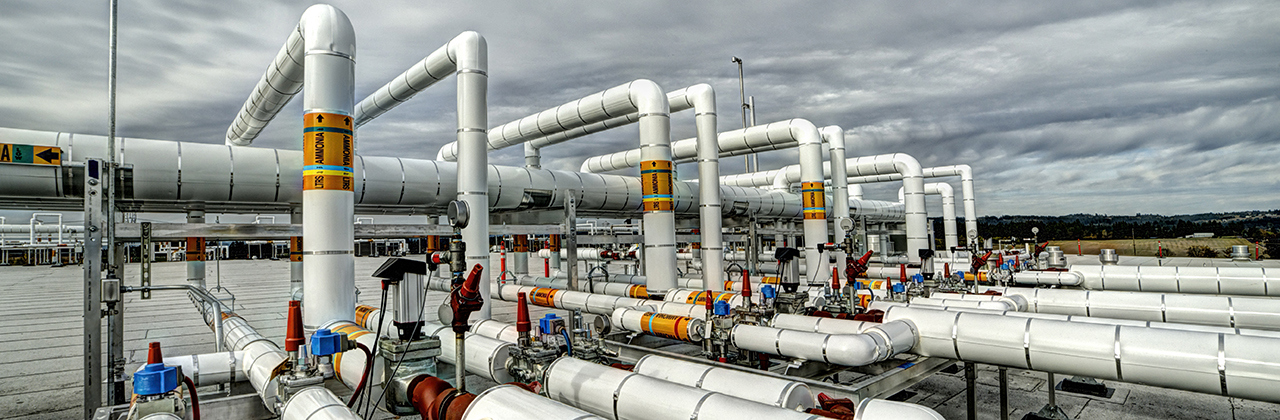
Credit: www.danfoss.com
Frequently Asked Questions
What Is The Best Material For Ammonia Piping?
The best material for ammonia piping is steel, especially carbon or stainless steel. These materials resist corrosion and withstand high pressures. They ensure safety and durability in refrigeration systems. Always choose materials that meet industry standards and specifications for ammonia use.
Can Copper Pipes Be Used For Ammonia?
Copper pipes are not suitable for ammonia refrigeration systems. Ammonia reacts with copper, causing corrosion and potential system failures. This reaction can lead to leaks and other hazards. Instead, use steel pipes for ammonia systems to ensure safety and longevity.
Why Is Steel Preferred For Ammonia Systems?
Steel is preferred for ammonia systems due to its strength and durability. It resists corrosion and handles high pressures effectively. Steel’s robustness ensures safety and reliability in ammonia refrigeration systems, reducing maintenance needs and potential risks.
Are There Regulations For Ammonia Piping Materials?
Yes, there are specific regulations for ammonia piping materials. These regulations ensure safety and efficiency in refrigeration systems. They mandate using corrosion-resistant materials like steel. Following these guidelines prevents leaks and accidents, ensuring system integrity and compliance.
Conclusion
Choosing the right material for ammonia pipes matters a lot. Steel pipes work well because they resist ammonia’s effects. They stay strong and safe under pressure. Copper is not good since ammonia can damage it. Proper piping helps avoid leaks and accidents.
Always pick materials that last and keep the system safe. This keeps your refrigeration running smoothly and saves money. Safety and durability come first when handling ammonia.