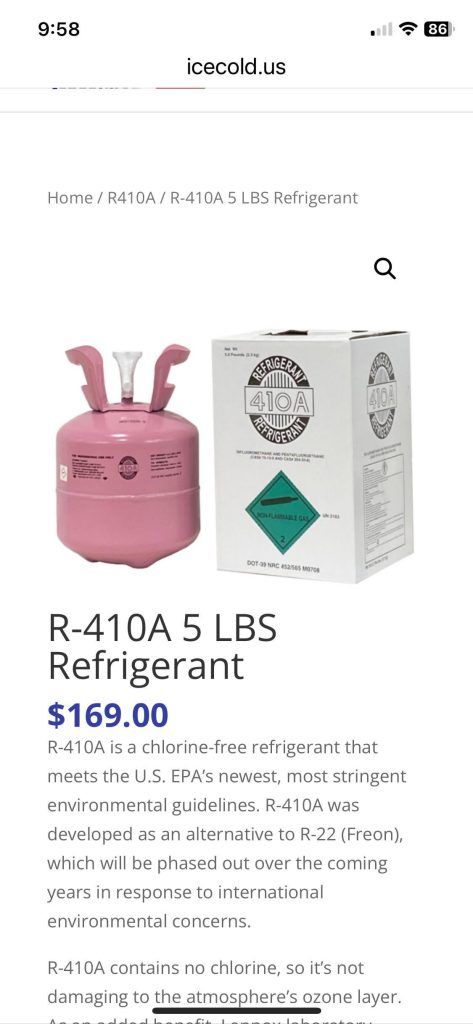
Have you ever wondered why refrigerant costs seem to keep rising every time you need an air conditioner refill or repair? If you’ve faced a surprise bill, you’re not alone.
Understanding why refrigerant is so expensive can save you from frustration and help you make smarter choices for your cooling system. You’ll discover the key reasons behind these high costs—and what it means for your wallet. Keep reading to uncover the facts that could change the way you think about refrigerant forever.
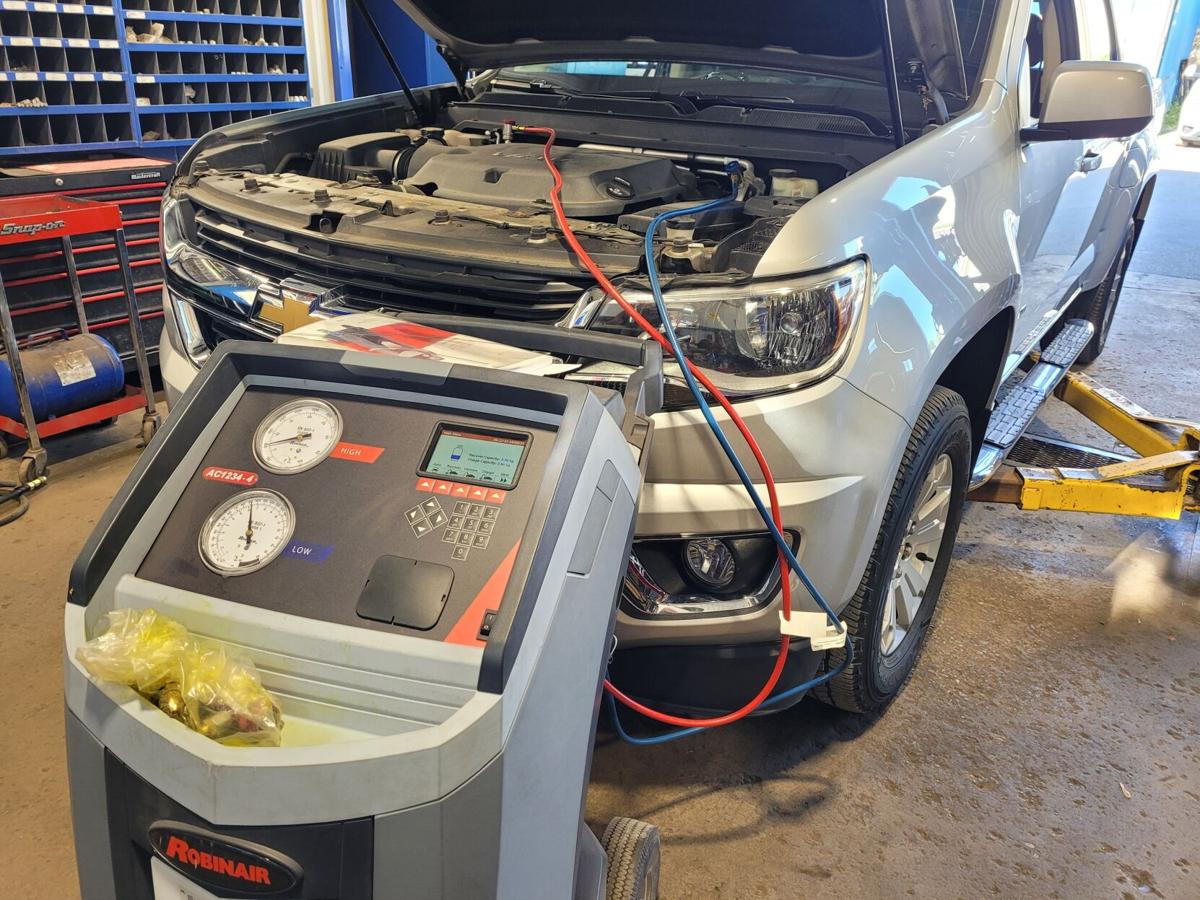
Credit: www.thestar.com
Refrigerant Market Basics
The refrigerant market plays a crucial role in how efficiently cooling systems work in homes, cars, and businesses. Understanding the basics of this market helps explain why refrigerant prices can be so high. The costs are influenced by the types of refrigerants available and how much demand there is for them across different industries.
Types Of Refrigerants
Refrigerants come in several types, each with unique properties and environmental impacts. The most common ones include:
- CFCs (Chlorofluorocarbons):Mostly phased out due to their damage to the ozone layer.
- HCFCs (Hydrochlorofluorocarbons):Transitional refrigerants with less ozone depletion but still being phased out.
- HFCs (Hydrofluorocarbons):Widely used today, but have high global warming potential.
- Natural refrigerants:Such as ammonia and CO2, which are gaining popularity for being eco-friendly.
Each type requires different manufacturing processes, affecting availability and price. Have you ever wondered why your air conditioning technician asks about specific refrigerant types?
Common Uses And Demand
Refrigerants are essential in various applications beyond just air conditioners. They are used in:
- Residential and commercial air conditioning units
- Refrigerators and freezers
- Automobile air conditioning systems
- Industrial cooling and refrigeration systems
The demand for refrigerants spikes with the growing need for cooling solutions in warmer climates and expanding industries. This demand, combined with regulations limiting harmful refrigerants, creates supply challenges. How do you think increasing regulations affect the price you pay for cooling your home?
Raw Material Challenges
Raw material challenges play a major role in the rising cost of refrigerants. The materials used to make refrigerants are not always easy to find or produce. This affects both supply and price.
Manufacturers face difficulties in securing enough raw materials. This shortage pushes prices higher and slows down production. The complexity of the chemical components adds to the challenge.
Scarcity Of Key Components
Some essential chemicals for refrigerants are rare. They come from limited natural sources or require complex extraction methods. Mining or production limits reduce availability.
Global demand often outpaces supply. This creates competition for these scarce resources. Countries with rich reserves may restrict exports to protect their own industries.
Rising Production Costs
The process to make refrigerants involves many steps. Each step needs special equipment and energy. These factors increase the overall cost.
Strict environmental rules raise costs too. Producers must use cleaner technologies and handle waste carefully. These safety measures add to expenses.
Environmental Regulations Impact
Environmental regulations play a major role in the rising cost of refrigerants. Governments worldwide have introduced strict rules to protect the planet. These rules limit the use of harmful chemicals in refrigerants. Manufacturers must follow these laws closely. The result is a more expensive production process and higher prices for consumers.
Phasing Out Harmful Chemicals
Many old refrigerants damage the ozone layer and increase global warming. Laws now ban or restrict these substances. Producers must switch to safer, eco-friendly alternatives. Developing and testing new refrigerants costs a lot of money. Plus, these newer chemicals often require special handling and equipment. This adds to the overall cost of refrigerants.
Compliance Costs For Manufacturers
Manufacturers spend heavily to meet environmental standards. They invest in research to create safe refrigerants. New production methods and quality checks are mandatory. Companies also pay fees and taxes related to compliance. These extra expenses get passed on to buyers. This makes refrigerants more costly than before.
Supply Chain Disruptions
Supply chain disruptions have played a major role in driving up refrigerant prices. These disruptions affect how refrigerants are produced and delivered worldwide. Delays and shortages are common, making it harder for businesses to get the materials they need. Understanding these supply chain issues helps explain why refrigerants cost so much today.
Global Shipping Issues
Shipping problems slow down refrigerant delivery across countries. Port congestion causes long wait times for shipments. Container shortages and rising freight costs add to the delays. Many shipments face unexpected hold-ups, causing supply shortages. This limits availability and pushes prices higher.
Limited Manufacturing Facilities
Few factories produce refrigerants globally. These facilities often run at full capacity. Any disruption, like maintenance or supply shortages, reduces output. Building new plants takes years and large investments. Limited production capacity makes refrigerant supply fragile. This scarcity increases the cost for buyers everywhere.
Geopolitical Factors
Geopolitical factors play a significant role in shaping the cost of refrigerants. These influences go beyond simple supply and demand, involving complex international relations and regional stability. Understanding these elements helps you see why prices can suddenly spike or stay high over time.
Trade Restrictions
Trade restrictions often limit the flow of refrigerants between countries. Governments may impose tariffs, quotas, or outright bans to protect local industries or respond to political conflicts.
These restrictions reduce the available supply on the global market. When supply shrinks but demand remains steady or grows, prices naturally rise. Have you noticed how certain products become more expensive when political tensions rise? Refrigerants are no different.
Political Instability In Supplier Regions
Many refrigerant chemicals come from regions prone to political unrest or conflict. When instability hits, production can be disrupted or halted entirely.
This uncertainty makes suppliers cautious, often leading to stockpiling or reduced exports. The resulting shortage pushes prices upward. Think about how a single factory shutdown can affect your local market—now imagine this on a global scale.
Recognizing these geopolitical influences can help you plan better when purchasing refrigerants. Have you considered diversifying your suppliers or timing your purchases to avoid peak price periods?

Credit: www.reddit.com
Technological Advances And Alternatives
Technological advances and the search for alternatives play a big role in why refrigerants are so costly today. As industries push for safer, greener options, the science behind refrigerants becomes more complex. You might wonder how these innovations affect the price you pay.
Development Of Eco-friendly Refrigerants
Scientists and engineers are creating refrigerants that don’t harm the ozone layer or contribute heavily to global warming. These eco-friendly refrigerants often require advanced chemical formulations and testing to meet strict environmental rules.
Switching to these newer refrigerants means changing equipment designs and manufacturing processes, which adds to the cost. For example, some eco-friendly refrigerants need special compressors or seals, raising production expenses. Have you noticed how newer air conditioners often come with a higher price tag? That’s partly because of these advanced refrigerants inside.
Impact On Price Trends
The demand for environmentally safe refrigerants is growing fast, but production isn’t keeping up equally. Limited supply combined with stricter regulations drives prices upward. Manufacturers pass these costs down to consumers like you.
Also, as older refrigerants get phased out, their prices spike due to scarcity and the costs of safe disposal. This change pushes you to pay more for alternatives that meet the new standards.
- High research and development costs
- Specialized manufacturing requirements
- Strict environmental compliance fees
- Limited availability and higher demand
Do you think these investments in technology and environment justify the higher prices? Understanding this helps you make smarter choices when buying or servicing cooling systems.
Future Price Outlook
Rising demand and strict environmental rules drive refrigerant prices higher. Limited supply and complex production add to the cost challenges. Prices may stay high as regulations tighten worldwide.
The cost of refrigerants is expected to remain high in the near future. New regulations aim to reduce harmful emissions, which limits the types of refrigerants available. This creates supply challenges and keeps prices elevated. Manufacturers are investing in new technologies, but these changes take time. Demand for eco-friendly refrigerants grows, adding pressure to the market. Overall, the price trend points upward, with occasional fluctuations based on global events and policies.
Potential Market Shifts
- Stricter environmental rules will reduce production of older refrigerants.
- New refrigerants with lower global warming potential will become more common.
- Manufacturers may increase prices to cover costs of new technology.
- Supply chain disruptions could cause sudden price jumps.
- Innovation may eventually lower costs, but this will take years.
Consumer Impact
Higher refrigerant prices will raise repair and maintenance costs for consumers. Homeowners and businesses may face bigger bills for air conditioning service. Some may delay repairs, risking system damage. New equipment using eco-friendly refrigerants may cost more upfront. Consumers might need to budget more for cooling and refrigeration in the future. Awareness about refrigerant prices can help plan expenses better.

Credit: www.youtube.com
Frequently Asked Questions
Why Is Refrigerant Costly Today?
Refrigerant prices have risen due to strict environmental regulations. These regulations limit production and increase costs. Additionally, the phase-out of older refrigerants has increased demand for newer alternatives. This demand, coupled with limited supply, drives up prices.
What Factors Affect Refrigerant Prices?
Several factors influence refrigerant costs, including production restrictions and environmental regulations. Supply and demand dynamics also play a critical role. Additionally, manufacturing costs and transportation expenses contribute to the final price. All these elements combined lead to fluctuating refrigerant prices.
How Do Regulations Impact Refrigerant Costs?
Regulations enforce the phase-out of harmful refrigerants, limiting supply. This raises costs for manufacturers and consumers. Compliance with these regulations requires investments in research and development. These additional expenses contribute to the increased cost of refrigerants.
Why Is There A Refrigerant Supply Shortage?
Supply shortages result from stringent environmental regulations limiting production. Additionally, the phase-out of older refrigerants increases demand for new alternatives. Manufacturers struggle to keep up with this demand. This imbalance between supply and demand leads to shortages.
Conclusion
Refrigerant costs have risen due to strict rules and limited supply. Producing safe and eco-friendly refrigerants takes time and money. Demand grows as more systems need replacements or upgrades. These factors keep prices higher than before. Understanding why refrigerants cost more helps us appreciate the process.
It also shows the importance of using them wisely. Saving energy and avoiding leaks can lower future expenses. Smart care keeps systems running well and protects the environment.