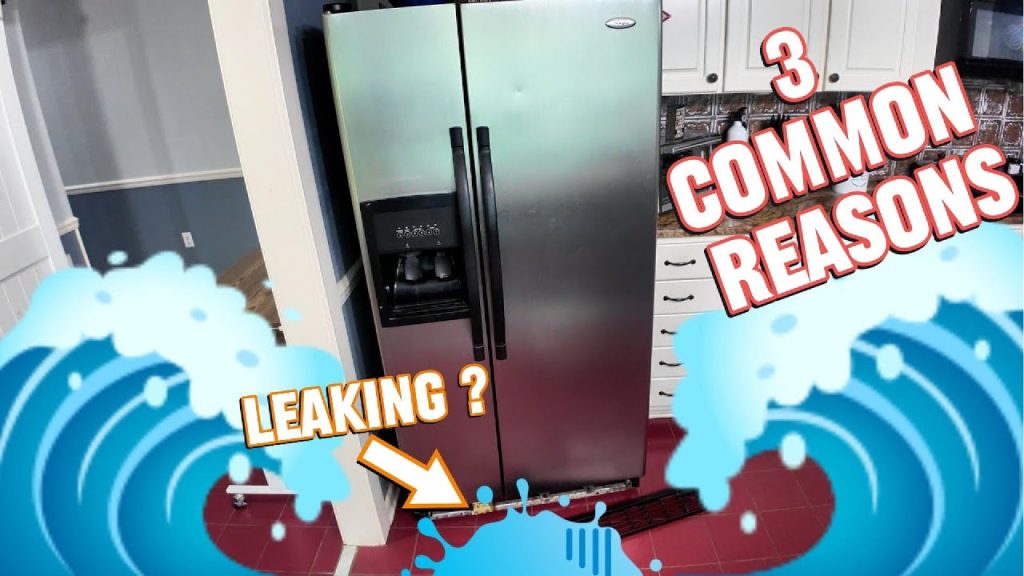
Is your refrigerator leaking water and leaving a mess on your kitchen floor? You’re not alone, and it’s more common than you might think.
Water leaks from your fridge can cause damage, waste food, and lead to costly repairs if left unchecked. But why does this happen? Understanding the main reasons behind a leaking refrigerator can help you fix the problem quickly and prevent it from happening again.
Keep reading to find out what causes your fridge to leak water and how you can solve it before it gets worse.
Common Causes Of Refrigerator Leaks
Noticing water pooling around your refrigerator can be frustrating and worrying. Understanding the common causes of refrigerator leaks can help you fix the issue quickly and prevent damage to your kitchen floor or food. Let’s look at the typical reasons your fridge might be leaking water and what you can do about them.
Clogged Defrost Drain
The defrost drain removes water from the melting frost inside your fridge. If this drain gets clogged with debris or food particles, water starts to build up and leak onto the floor. Cleaning the drain with warm water or a pipe cleaner often solves the problem quickly.
Damaged Door Seal
A torn or worn door seal lets warm air into your fridge, causing excess condensation inside. This moisture can drip down and pool outside the fridge. Check the seal for cracks or gaps and replace it if necessary to keep the cold air in and water out.
Blocked Or Frozen Drain Pan
The drain pan collects water from the defrost cycle and evaporates it. If the pan is blocked or frozen, it can overflow and leak water. Regularly inspect and clean the drain pan to avoid this messy issue.
Faulty Water Filter
A water filter that’s not installed correctly or is defective can leak water inside or underneath your fridge. Make sure the filter is properly seated and replace it according to the manufacturer’s schedule to prevent leaks.
Leaking Ice Maker
If your ice maker’s water line is loose or cracked, water can drip and cause leaks. Sometimes the ice maker itself can malfunction and overflow. Tighten connections and monitor the ice maker’s operation to catch leaks early.
Improper Refrigerator Leveling
When your fridge isn’t level, water may not flow to the drain correctly and can spill out. Use a level tool to check your refrigerator’s position. Adjust the feet to keep it balanced and avoid unwanted leaks.

Credit: www.reddit.com
Identifying Leak Sources
Water leaking from a refrigerator can come from different spots. Finding the exact source helps fix the problem faster. Start by looking closely at key areas inside and outside the fridge. Each section plays a role in keeping water in its place.
Checking The Drainage System
The drainage system removes excess water from inside the fridge. It usually has a drain hole and drip pan. Dirt or food bits can block the drain hole. This causes water to build up and leak out. Clean the drain hole with a pipe cleaner or warm water. Make sure the drip pan is not cracked or overflowing.
Inspecting Door Seals
Door seals keep cold air in and moisture out. Check for cracks, tears, or dirt on the seals. Dirty seals may not close tightly, letting water escape. Clean the seals gently with warm soapy water. Replace damaged seals to stop leaks and save energy.
Examining Ice Maker Connections
Ice makers need water lines and connections to work. Look for loose or broken hoses behind the fridge. Water can drip from damaged connections. Tighten loose fittings and replace any worn hoses. Watch for ice buildup around the ice maker, which may cause leaks.
Assessing Water Filter Condition
The water filter cleans water for drinking and ice. Old or clogged filters can leak water inside the fridge. Check the filter for cracks or improper installation. Replace the filter every six months or as per instructions. A fresh filter prevents leaks and keeps water clean.
Simple Fixes For Water Leaks
Water leaks in refrigerators can cause mess and damage. Most leaks come from simple issues. Fixing these problems often takes little time and no special tools. Understanding how to address common causes can stop leaks fast.
Try these easy fixes to solve water leaks and keep your fridge dry and working well.
Clearing The Defrost Drain
The defrost drain can get clogged with food or ice. This blockage stops water from draining properly. Water then pools inside the fridge or under it. Use warm water or a pipe cleaner to clear the drain hole. This helps water flow freely and prevents leaks.
Replacing Door Gaskets
Door gaskets are rubber seals around the fridge door. If they are cracked or worn, cold air escapes. This causes condensation that turns into water drops. Replace damaged gaskets to keep the door sealed tight. A good seal stops water buildup inside the fridge.
Leveling The Refrigerator
A fridge that is not level can cause water to leak out. When tilted, water may pool near the door or drip from the bottom. Use a level tool to check your fridge’s position. Adjust the feet or wheels until it sits evenly on the floor. Proper leveling directs water into the drain.
Changing The Water Filter
A clogged or old water filter can cause leaks near the dispenser or ice maker. Replace the filter according to the manufacturer’s instructions. A new filter ensures proper water flow and reduces leaks. Check the filter regularly for best performance.
Repairing Ice Maker Leaks
Ice makers can leak due to loose connections or cracked parts. Inspect the water line and ice maker assembly for damage. Tighten loose fittings or replace broken pieces. Fixing these issues stops water from leaking inside or under the fridge.

Credit: www.reddit.com
Preventive Measures
Preventive measures are key to stopping your refrigerator from leaking water. Small actions you take regularly can save you from costly repairs and messy floors. Let’s look at practical steps you can apply to keep your fridge in top shape and dry.
Regular Maintenance Tips
Check the door seals often. If the seal is loose or cracked, cold air escapes, causing condensation that leads to leaks. Clean the drip pan and drain hole regularly to avoid clogs that can cause water to overflow inside your fridge.
Have you ever noticed water pooling after a defrost cycle? That’s a sign your drain might be blocked. Use a pipe cleaner or a small brush to clear any debris and keep water flowing properly.
Proper Food Storage Practices
Store food in sealed containers to prevent moisture buildup inside the fridge. Avoid placing hot or uncovered food directly in the fridge, as this creates excess humidity and can cause water to drip.
Think about the last time you had a spill that went unnoticed. Even a small leak can cause bigger problems over time. Clean spills immediately to prevent water from accumulating and causing damage.
Monitoring Water Supply Lines
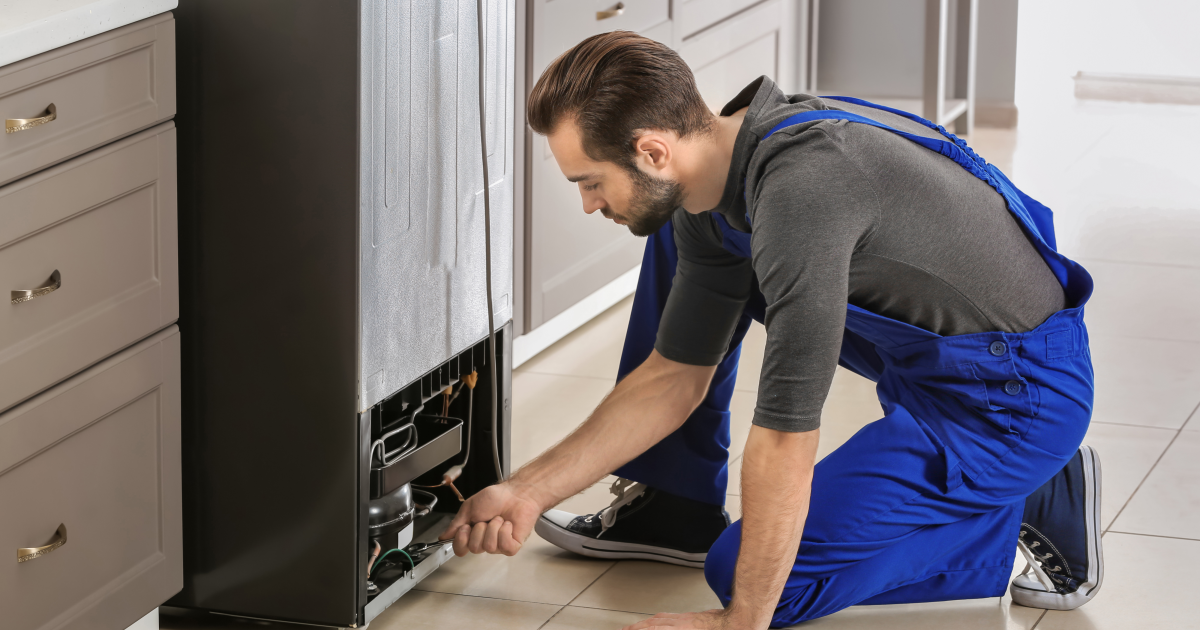
If your refrigerator has an ice maker or water dispenser, inspect the water supply lines regularly. Look for cracks, loose connections, or kinks that might cause leaks.
Have you ever ignored a slow drip from the supply line? That drip could turn into a flood. Tighten connections and replace old hoses to keep your water supply leak-free.
Credit: dengarden.com
Frequently Asked Questions
Why Is My Refrigerator Leaking Water?
A clogged defrost drain is a common cause of refrigerator leaks. Debris can block the drain, causing water to overflow. Regularly cleaning the drain can prevent this issue. Additionally, check for damaged door seals, which can cause condensation and water leakage.
How Do I Fix A Leaking Fridge?
First, unplug your fridge and locate the defrost drain. Use warm water to clear any clogs. Check door seals for damage and replace if needed. Ensure the fridge is level to prevent water pooling. If problems persist, consider calling a professional technician.
Can A Blocked Defrost Drain Cause Leaks?
Yes, a blocked defrost drain can lead to water leaks. Debris and food particles can clog the drain, causing water to back up and overflow. Regular maintenance and cleaning of the defrost drain can prevent leaks and ensure your refrigerator functions properly.
Are Damaged Door Seals A Leak Cause?
Damaged door seals can cause leaks by allowing warm air inside, leading to condensation. This excess moisture can pool at the bottom of the fridge. Regularly inspect and replace worn or damaged seals to prevent water leakage and maintain energy efficiency.
Conclusion
A leaking refrigerator can cause many problems at home. Water may come from blocked drains, damaged seals, or broken parts. Fixing leaks early helps avoid bigger damage and food spoilage. Regular cleaning and checking can keep your fridge working well.
Watch for signs like puddles or unusual noises. Taking simple steps can save money and stress. Keep your fridge dry and clean for better performance. Don’t ignore leaks; they usually mean a repair is needed. A little care goes a long way in fridge maintenance.