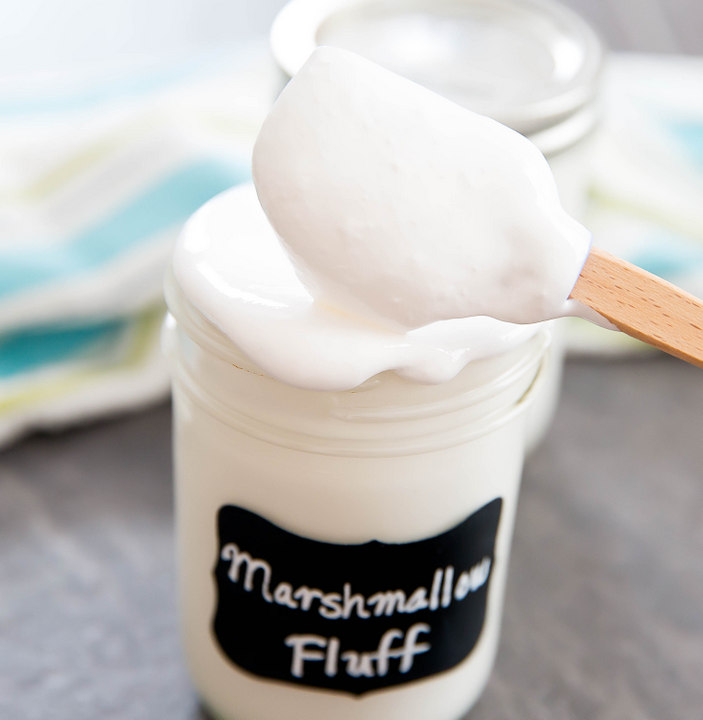
Have you ever opened a jar of marshmallow fluff and wondered if it needs to be refrigerated? You’re not alone.
Keeping your marshmallow fluff fresh and tasty is important, especially if you want to enjoy it for a long time. But the question is, should you store it in the fridge or leave it on your kitchen counter? You’ll discover the best way to store your marshmallow fluff so it stays soft, sweet, and ready for your favorite treats.
Keep reading to find out the simple tips that will help you get the most out of every jar.
What Is Marshmallow Fluff
Marshmallow Fluff is a sweet, creamy spread with a light texture. It tastes like marshmallows but in a spreadable form. People use it in desserts, sandwiches, and as a topping. It has been popular in the United States for many years.
Its unique texture makes it different from regular marshmallows. Marshmallow Fluff is smooth and easy to spread on bread or mix in recipes. It adds sweetness and a soft, fluffy feel to food.
What Is Marshmallow Fluff Made Of?
Marshmallow Fluff contains simple ingredients. These include sugar, corn syrup, egg whites, and vanilla. Egg whites give it a light, airy texture. Corn syrup helps keep it soft and smooth.
How Does Marshmallow Fluff Differ From Marshmallows?
Marshmallows are solid and chewy. Marshmallow Fluff is creamy and spreadable. Fluff is easier to mix into recipes or spread on toast. Marshmallows are better for roasting or baking.
Common Uses Of Marshmallow Fluff
- Spread on sandwiches, especially with peanut butter
- Ingredient in desserts like fudge or cookies
- Topping for hot chocolate or ice cream
- Mixed into frosting or cake batter

Credit: lifestyleofafoodie.com
Shelf Life Without Refrigeration
Wondering how long marshmallow fluff lasts without refrigeration? Knowing its shelf life can save you from tossing out perfectly good fluff or risking eating spoiled product. While refrigeration is often recommended, marshmallow fluff’s high sugar content naturally preserves it for a time.
Shelf Life Of Marshmallow Fluff At Room Temperature
Unopened marshmallow fluff can last for several months at room temperature, typically up to 6 to 9 months past the printed date if stored in a cool, dry place. Once opened, it’s best to use it within 1 to 2 weeks when kept outside the fridge.
Have you ever left a jar out and noticed a change in texture or smell? That’s a good sign it’s time to toss it.
How Storage Conditions Affect Shelf Life
Temperature and humidity play a big role in how long your marshmallow fluff stays fresh. Warm, humid environments can cause it to spoil faster or develop mold.
Keep your jar away from direct sunlight and heat sources to extend its usability. A pantry shelf or cupboard is usually ideal.
Signs Your Marshmallow Fluff Has Gone Bad
Look for changes in color, texture, or smell. If the fluff becomes discolored, watery, or develops an off odor, it’s time to discard it.
Mold growth is a clear indicator you should not eat it. Trust your senses—if it looks or smells off, don’t risk it.
When To Refrigerate Marshmallow Fluff
Knowing when to refrigerate marshmallow fluff can save you from a sticky mess or losing that perfect texture. It’s not always obvious whether this sweet treat needs to be chilled or if it can safely sit at room temperature. Let’s clear up the confusion and help you keep your marshmallow fluff fresh and ready to enjoy.
Unopened Marshmallow Fluff: Shelf-stable Or Not?
Unopened jars of marshmallow fluff usually don’t require refrigeration. Manufacturers often design them to stay fresh at room temperature until you crack open the seal. This means you can keep a jar in your pantry or cupboard without worry.
However, always check the label for any specific storage instructions. Some brands may recommend refrigeration after purchase, even if unopened. Have you ever noticed a difference in fluff texture after leaving it out too long?
Opened Marshmallow Fluff: To Chill Or Not To Chill?
Once you open your marshmallow fluff, the clock starts ticking on its freshness. Most experts suggest refrigerating it after opening to prevent spoilage and maintain its fluffy texture. Leaving it out can cause it to dry out or become sticky.
Refrigeration slows down bacterial growth and keeps your fluff smooth and spreadable. I once left a jar out overnight, and it turned tough and hard to use the next day—definitely not what you want when making a quick dessert.
How Long Can Marshmallow Fluff Stay Fresh In The Fridge?
When refrigerated properly, marshmallow fluff can last for several weeks. Typically, manufacturers recommend consuming it within 1 to 3 months after opening. Keeping the jar tightly sealed is key to preventing it from absorbing fridge odors or drying out.
Have you ever struggled with fluff that’s gone stale or clumpy? Storing it well in the fridge can help you avoid that disappointment. Make sure to use a clean spoon each time to extend its shelf life even further.
Storage Tips For Opened Containers
Once you’ve opened a container of marshmallow fluff, proper storage becomes key to keeping it fresh and delicious. How you seal the container, the temperature you store it at, and preventing contamination all play a big role in maintaining its texture and taste. Let’s break down these essential storage tips so your marshmallow fluff stays perfect for your next sweet craving.
Sealing Techniques
Keeping marshmallow fluff airtight is crucial. Use the original lid tightly screwed on or transfer the fluff to an airtight jar if the original packaging isn’t secure enough. You can also add a layer of plastic wrap over the container’s opening before sealing the lid to create an extra barrier against air.
If you notice fluff sticking to the lid, wipe it clean before sealing to prevent it from drying out and hardening. Do you ever find your fluff turning crusty? A proper seal can save you from that frustration.
Ideal Temperature
Marshmallow fluff lasts best when stored in a cool place, ideally in the refrigerator. Room temperature might seem convenient, but warmth can cause the fluff to lose its consistency or even spoil faster. Keep your fridge temperature around 35°F to 40°F (1.5°C to 4.5°C) to maintain its softness and freshness.
Have you ever left fluff out and found it grainy or separated? That’s a sign it needs a cooler home. Refrigeration helps avoid that unpleasant texture change.
Avoiding Contamination
Using a clean utensil every time you scoop fluff is a simple but often overlooked step. Double-dipping or using dirty spoons introduces bacteria that can spoil the fluff quickly. Consider dedicating a small spoon or spatula just for your marshmallow fluff to keep it safe.
Also, keep the container away from strong-smelling foods in the fridge, as fluff can absorb odors easily. Have you noticed any strange flavors after storage? It might be time to rethink where you place your jar.
Storage Tips For Unopened Containers
Proper storage of unopened marshmallow fluff keeps it fresh and safe. Knowing the right conditions helps maintain its texture and taste. Follow these simple tips to store your fluff correctly before opening.
Pantry Conditions
Store unopened marshmallow fluff in a cool, dry place. Avoid areas near heat sources like ovens or direct sunlight. A pantry or cupboard works best. Make sure the container stays sealed and dry. Humidity can change the fluff’s texture and cause spoilage.
Expiration Dates
Check the expiration date printed on the container. Marshmallow fluff usually lasts several months unopened. Use it before the date for the best quality. Do not rely on smell or appearance alone. Expired fluff may lose flavor or become unsafe to eat.

Credit: alittlespoon.com
Signs Of Spoiled Marshmallow Fluff
Knowing the signs of spoiled marshmallow fluff can save you from an unpleasant surprise. Marshmallow fluff is sweet and soft, but it won’t stay perfect forever. You need to watch for subtle changes that hint it’s time to toss it out.
Texture Changes
Fresh marshmallow fluff is smooth and spreadable. If you notice it becoming unusually dry, clumpy, or hard, that’s a warning sign. Sometimes, fluff may separate or become watery, which means the texture is breaking down.
Have you ever tried spreading fluff that suddenly feels gritty? That’s a clear sign it’s past its prime. Keep your jar sealed tightly to avoid these changes, but if texture shifts, don’t risk using it.
Smell And Taste
Marshmallow fluff should smell sweet and vanilla-like. If you detect sour, off, or fermented odors, it’s likely spoiled. Taste can confirm this—if it’s bitter or has a strange aftertaste, spit it out.
One time, I ignored a faint sour smell and ended up with a bad flavor in my dessert. Trust your senses; they’re the best tool for spotting spoilage.
Color Alterations
Look closely at the color of your marshmallow fluff. It should be bright white or slightly creamy. Any yellowing or dark spots indicate mold or spoilage.
Even small discolorations mean bacteria or fungi might be growing. Don’t taste it to check—discard immediately if you see color changes.
Using Marshmallow Fluff After Refrigeration
Using marshmallow fluff after refrigeration can feel a bit tricky if you notice it’s changed texture or become less spreadable. Refrigeration can make it firmer and sometimes a little grainy, but that doesn’t mean you can’t get it back to its smooth, fluffy self. Understanding how to restore its texture and how to serve it deliciously can make your marshmallow fluff experience much better.
Restoring Texture
If your marshmallow fluff has thickened or become stiff after refrigeration, don’t worry—you can easily fix it. Let it sit at room temperature for about 15-20 minutes to soften naturally. Then, stir it gently with a spoon or whisk to bring back its creamy consistency.
Sometimes, a quick zap in the microwave for 5-10 seconds can help smooth it out, but be careful not to overheat or it will melt completely. You could also add a tiny drop of water or milk to loosen it up while stirring. Have you tried this trick before? It’s simple yet effective.
Serving Suggestions
Once your marshmallow fluff is ready, think beyond just spreading it on bread. It pairs wonderfully with fresh fruit like strawberries or bananas for a quick sweet snack. You can also use it as a topping for hot chocolate or swirl it into yogurt for added sweetness and texture.
- Mix it into frosting for cupcakes to add a light, fluffy texture.
- Use it as a dip for pretzels or graham crackers to balance salty and sweet flavors.
- Spread it between layers of cake or in sandwiches with peanut butter for a nostalgic treat.
What’s your favorite way to enjoy marshmallow fluff after it’s been chilled? Trying new serving ideas can turn a simple ingredient into a delightful surprise.

Credit: www.midgetmomma.com
Frequently Asked Questions
Is Marshmallow Fluff Shelf-stable?
Yes, marshmallow fluff is shelf-stable and can be stored at room temperature. It doesn’t require refrigeration after opening. Just ensure the lid is tightly sealed. This helps in maintaining its freshness and texture for an extended period.
How Long Does Marshmallow Fluff Last?
Unopened marshmallow fluff can last for several months. Once opened, it’s best consumed within 3-4 weeks. Always ensure the lid is sealed tightly to maintain freshness. Check for any changes in smell or texture before using.
Can Marshmallow Fluff Go Bad?
Yes, marshmallow fluff can go bad over time. Watch for changes in smell or texture as indicators. If it smells off or has an unusual texture, it’s best to discard it. Always store it properly to extend its shelf life.
What Happens If You Refrigerate Marshmallow Fluff?
Refrigerating marshmallow fluff can make it thicker and harder to spread. However, it won’t spoil if refrigerated. To return it to a spreadable consistency, allow it to reach room temperature before using.
Conclusion
Marshmallow fluff does not always need refrigeration. Keep it sealed tightly to stay fresh longer. Store it in a cool, dry place away from sunlight. Refrigeration can change its texture and make it harder to spread. Use it within a few months after opening for best taste.
Always check the label for specific storage advice. Enjoy your marshmallow fluff in desserts or snacks without worry. Simple care keeps it tasty and safe to eat.