Have you ever wondered if your box wine needs to be refrigerated? Maybe you’ve left it on the counter and questioned whether it’s still good to drink.
The truth is, knowing how to store box wine can save you from wasted money and disappointment. You’ll discover simple tips that keep your wine fresh and tasty every time. Keep reading to find out exactly what you should do with your box wine after opening it.

Credit: www.franzia.com
Shelf Stability Of Box Wine
Box wine offers convenience and longer freshness than bottled wine. Its shelf stability depends on unique packaging and preservation methods. Understanding these factors helps determine if refrigeration is necessary.
Packaging And Preservation
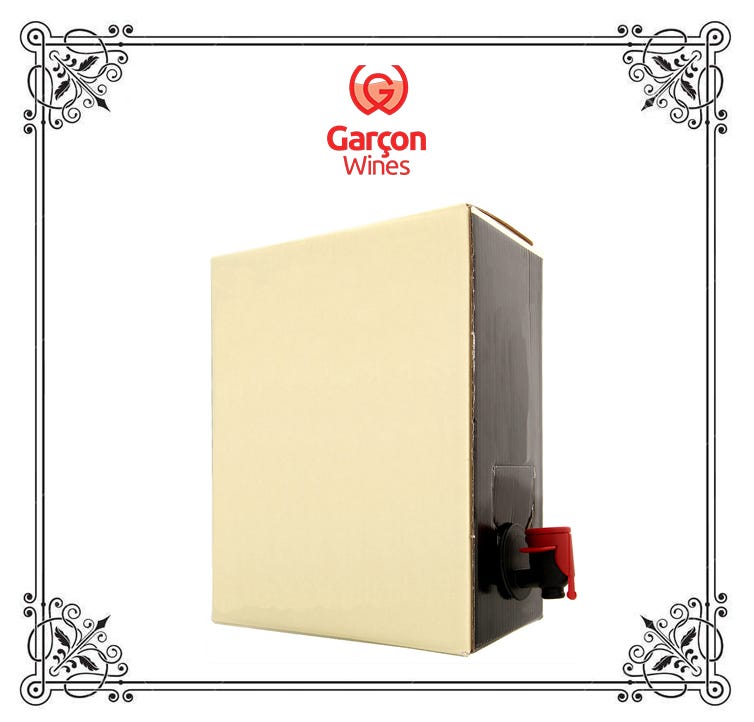
Box wine comes in a sealed bag inside a cardboard box. The bag collapses as you pour, limiting air exposure. This design keeps oxygen away from the wine. Less oxygen means slower spoilage and longer freshness. The packaging also blocks light, protecting wine from damage. These features make box wine more shelf-stable than bottled wine after opening.
Typical Shelf Life
Unopened box wine can last for months without refrigeration. Most brands have a shelf life of 6 to 12 months at room temperature. Once opened, the wine stays fresh for 3 to 4 weeks if stored in a cool place. Refrigeration after opening extends freshness further. The bag and box slow down oxidation, but cold storage helps maintain flavor and aroma.

Credit: www.thefreshgrocer.com
When To Refrigerate Box Wine
Knowing when to refrigerate box wine can save you from wasting your favorite drink. The timing affects both taste and freshness. Let’s look at the key moments you should consider chilling your box wine.
After Opening
Once you open a box of wine, oxygen starts to change its flavor. Refrigeration slows down this process and keeps the wine fresh longer.
Keeping the box in the fridge after opening can extend its life by up to four weeks. This helps you enjoy the wine at its best, even if you don’t finish it in one sitting.
Have you ever left wine out and noticed a sour or flat taste the next day? Refrigeration helps prevent that from happening.
Before Serving
Chilling box wine before serving enhances its taste, especially for white, rosé, and sparkling varieties. These wines are best enjoyed cold, around 45-55°F (7-13°C).
If you prefer red box wine, a slight chill can improve its flavor, but avoid making it too cold. Aim for about 55-65°F (13-18°C) to bring out the best notes.
Try refrigerating your box wine for at least 2 hours before serving to experience the full flavor. Have you noticed how temperature changes the wine’s aroma and smoothness?
Ideal Storage Conditions
Keeping box wine fresh and enjoyable depends heavily on how you store it. Ideal storage conditions protect the wine’s flavor and prevent spoilage. Understanding these conditions helps you get the most out of every pour.
Temperature Range
Box wine needs to be kept cool, but not too cold. The best temperature range is between 50°F and 59°F (10°C to 15°C). Storing it above this can cause the wine to age faster and lose its taste.
Have you ever left a box of wine in a warm kitchen corner? You probably noticed the flavor became flat or off. On the other hand, freezing the wine will damage the packaging and spoil the wine inside.
Light And Humidity Effects
Light can change the taste of your wine by causing chemical reactions. Keep your box wine away from direct sunlight or strong artificial light. A dark cupboard or a wine fridge with UV protection works well.
Humidity also plays a role, especially if you plan to store wine long-term. Ideally, maintain humidity around 70% to keep the packaging in good shape and prevent the cardboard from drying out or molding.
So, ask yourself: Is your storage spot dark, cool, and a bit humid? If not, consider moving your box wine to a place that fits these conditions. This small change can make a big difference in taste and longevity.
Common Storage Mistakes
Storing box wine may seem straightforward, but common mistakes can quickly ruin your wine’s flavor and freshness. Many assume that box wine is less delicate than bottled wine, leading to careless storage choices. These errors often result in unwanted taste changes or spoilage, making it crucial to handle your box wine correctly.
Avoiding Heat Exposure
Heat is one of the biggest enemies of box wine. Leaving your wine in a warm place, like near a stove or in direct sunlight, can accelerate spoilage and cause the wine to taste flat or sour.
Think about the last time you left a bottle or box of wine in a hot car. Did it still taste the same afterward? Probably not. The same applies to your box wine at home.
Keep your box wine in a cool, dark spot. Even a simple cupboard away from heat sources can make a big difference in preserving its quality.
Preventing Oxidation
One advantage of box wine is its built-in protection against oxygen exposure, but it’s not foolproof. Once opened, oxygen can sneak in and spoil your wine if you don’t use it quickly or store it properly.
Have you ever noticed a change in flavor after leaving box wine open for several days? That’s oxidation at work, dulling the wine’s taste and aroma.
To prevent this, always reseal the bag tightly inside the box. If you won’t finish it soon, consider transferring the remaining wine to a smaller container to limit air contact. This simple step can keep your wine fresh for weeks instead of days.
Tips For Extending Freshness
Keeping box wine fresh can be a challenge after opening. The wine is exposed to air, which can change its flavor and quality. Using the right techniques helps keep the wine tasty for longer. These tips focus on reducing air contact and maintaining the right temperature.
Using Wine Pumps Or Valves
Wine pumps remove air from the box, slowing oxidation. This process helps keep the wine fresh for days. Some boxes come with built-in valves that close tightly after pouring. These valves limit air exposure automatically. Using a pump or valve means less waste and better taste.
Proper Sealing Techniques
Always close the box tightly after each use. Press the spout firmly to seal it well. Avoid leaving the box open or loosely closed. Store the box upright to prevent leaks. Keeping the box sealed reduces air entering and spoiling the wine.

Credit: abcfws.com
Differences Between Box And Bottled Wine Storage
Understanding the differences between storing box wine and bottled wine can help you keep your wine tasting fresh and enjoyable for longer. While both types of wine require care, their packaging affects how you should store them. Let’s look closely at how material and handling impact their longevity and portability.
Material Impact On Longevity
Bottled wine is usually stored in glass, which is airtight and blocks out oxygen well. This helps preserve the wine’s flavor and aroma over time. However, once opened, bottled wine is exposed to air and can spoil quickly if not consumed or properly sealed.
Box wine comes in a plastic bladder inside a cardboard box, which includes a tap for easy pouring. This design limits oxygen exposure after opening, helping the wine stay fresh for weeks. Still, the materials used in box wine packaging can be more sensitive to temperature changes and light, which can affect the wine’s quality.
Handling And Portability
Glass bottles are heavier and more fragile, making them less convenient for travel or outdoor events. You need to be careful when handling them to avoid breakage. If you like taking wine to picnics or camping, this can be a hassle.
Box wine, on the other hand, is lighter and much easier to carry around. Its sturdy cardboard exterior reduces the risk of damage during transport. The built-in tap means you don’t need extra tools to pour, which is great for casual settings.
Have you ever spilled wine from a bottle during a trip? Box wine could save you from that mess. Think about your lifestyle—does ease of handling matter more, or do you prefer the classic feel of a bottle?
Frequently Asked Questions
Does Box Wine Need Refrigeration Before Opening?
Box wine does not require refrigeration before opening. Store it in a cool, dark place away from heat and sunlight to maintain quality. Refrigeration is only necessary after opening to keep the wine fresh and prevent spoilage.
How Long Can Box Wine Stay Unrefrigerated?
Unopened box wine can last several months unrefrigerated if stored properly. Keep it in a cool, dark area to avoid heat damage. Once opened, refrigerate and consume within 4 to 6 weeks for best taste and freshness.
Should Box Wine Be Refrigerated After Opening?
Yes, box wine should be refrigerated after opening. The cooler temperature slows oxidation and preserves flavor. Keep the bag sealed tightly inside the box and use within 4 to 6 weeks for optimal freshness.
Can Unrefrigerated Box Wine Spoil Faster?
Yes, unrefrigerated box wine can spoil faster when exposed to heat or sunlight. Warm temperatures accelerate oxidation, causing off-flavors. Always store unopened box wine in a cool, dark place to prolong shelf life and maintain taste.
Conclusion
Refrigerate box wine to keep it fresh longer. It helps maintain flavor. No need for fancy storage methods. Just a cool place works. Unopened, it can stay out. Once opened, chill it. This keeps it tasting good. Avoid heat and sunlight.
They spoil the wine quickly. Planning a party? Chill it beforehand. Guests will enjoy the taste more. Enjoy your wine at its best. Simple steps make a big difference. Cheers to fresh wine every time!