
Have you ever opened a jar of tahini and wondered if it needs to be kept in the fridge? You’re not alone.
Tahini is a pantry staple for many, but knowing how to store it properly can make a big difference in taste and freshness. If you want to keep your tahini smooth, flavorful, and safe to eat, it’s important to get this right.
Keep reading to discover the simple storage secrets that will help your tahini last longer and taste better every time.

Credit: www.souschef.co.uk
Shelf Life Of Tahini
Tahini is a creamy paste made from ground sesame seeds. It has a rich, nutty flavor. Knowing its shelf life helps keep it fresh and safe to eat. Tahini can last a long time if stored properly. But its freshness depends on several factors. Understanding these can help you enjoy tahini without waste.
Unopened Vs Opened Tahini
Unopened tahini usually has a long shelf life. It can last up to 6 months past the printed date. Store it in a cool, dry place away from sunlight. Once opened, the shelf life shortens. Opened tahini lasts about 1 to 3 months in the fridge. The taste and texture may change after opening. Always check for signs of spoilage before use.
Factors Affecting Freshness
Several factors affect tahini’s freshness. Temperature is important; heat speeds up spoilage. Air exposure causes oxidation and rancidity. Moisture can lead to mold growth. Quality of the sesame seeds also matters. Check the label for preservatives or additives. Stir tahini well to mix natural oils and avoid separation. Proper sealing after each use helps maintain freshness.
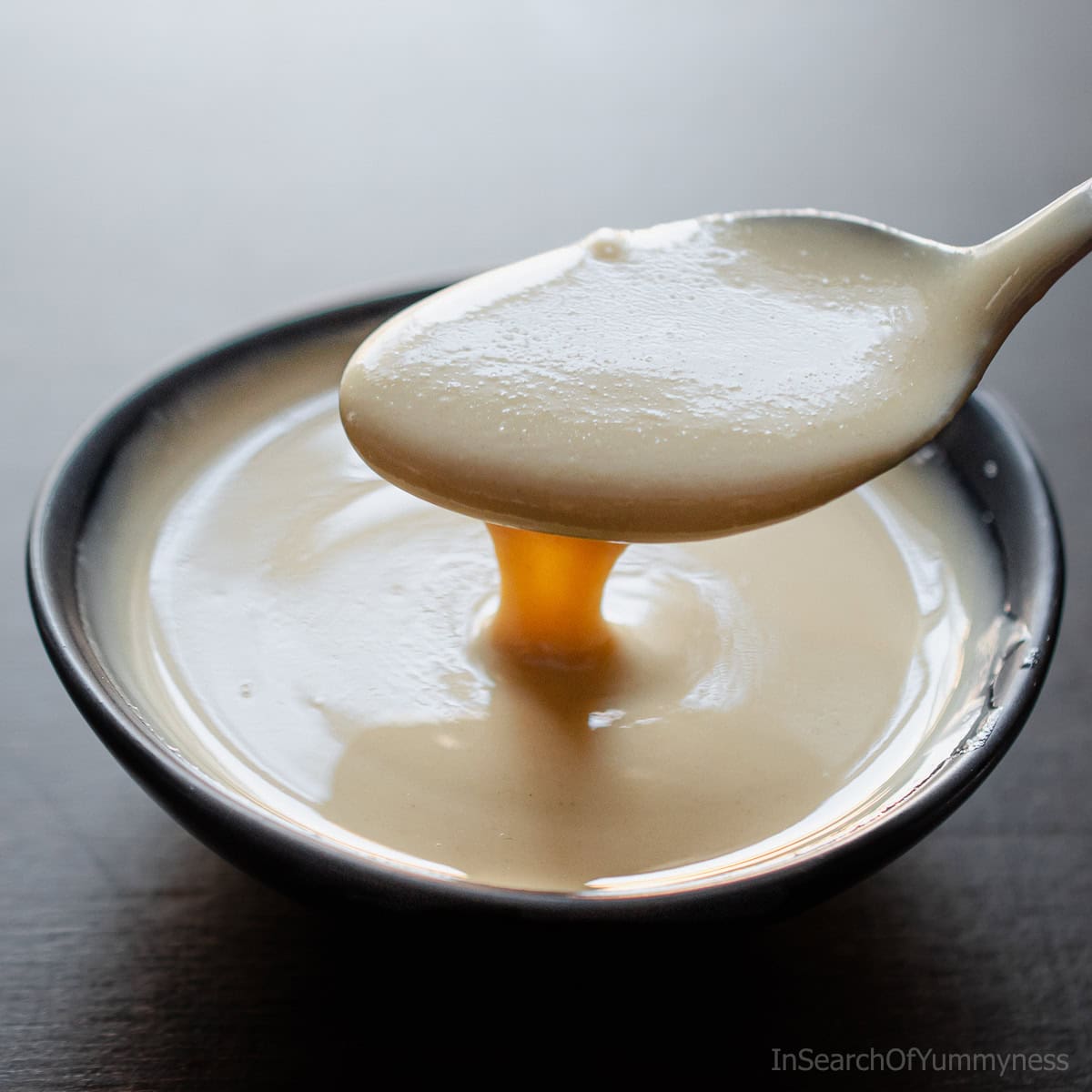
Credit: insearchofyummyness.com
Room Temperature Storage
Storing tahini at room temperature is common in many kitchens, but it raises questions about maintaining its freshness and safety. Understanding how to store tahini properly outside the fridge can help you keep its nutty flavor and creamy texture intact. Let’s look at what makes room temperature storage work and what risks you might face if you skip refrigeration.
Ideal Conditions
Keep tahini in a cool, dark place away from direct sunlight. A pantry or cupboard works well as long as the temperature stays consistent between 65°F and 75°F (18°C to 24°C).
Make sure the jar is tightly sealed to prevent air and moisture from getting in. This reduces the chance of oxidation, which can cause the tahini to turn bitter.
- Store tahini away from heat sources like ovens or stoves.
- Keep the container upright to avoid oil separation on the lid.
- Use a clean spoon every time to avoid contamination.
I once left a jar on my kitchen counter for weeks in a sealed container, and it stayed perfectly creamy and delicious. That experience showed me how stable tahini can be when conditions are right.
Risks Of Not Refrigerating
If you don’t refrigerate tahini, it may go rancid faster. Exposure to heat and air speeds up the breakdown of natural oils, causing an unpleasant taste and smell.
There’s also a risk of mold growth if moisture sneaks in, especially in humid environments. This not only ruins the tahini but could also be harmful to your health.
- Watch for a sour or off smell as a sign of spoilage.
- Check for any visible mold or changes in color.
- Discard tahini that tastes bitter or has an unusual texture.
Have you ever noticed a strange smell from your tahini after leaving it out too long? That’s a clear warning sign. Your best bet is to test the flavor and appearance regularly if you prefer room temperature storage.
Refrigeration Benefits
Refrigerating tahini offers several benefits that help keep it fresh and tasty. It slows down natural oils from going bad. It also helps keep the tahini’s texture just right. Storing tahini in the fridge is a simple way to enjoy it longer and better.
Extending Shelf Life
Cold storage slows the growth of bacteria and mold. This prevents the tahini from spoiling quickly. It can last for months in the fridge. Room temperature storage shortens its life span. Keeping tahini cold helps you avoid waste.
Maintaining Flavor And Texture
Refrigeration keeps the natural oils from separating fast. It stops the tahini from tasting bitter or rancid. The creamy texture stays smooth and thick. Without refrigeration, tahini can become grainy. Cold storage preserves its fresh, nutty flavor longer.
How To Store Tahini Properly
Storing tahini properly keeps it fresh and tasty for longer. It also stops it from spoiling or losing flavor. Knowing how to store tahini helps you enjoy its rich, nutty taste every time.
Sealing And Container Tips
Always close the tahini jar tightly after use. Air exposure can make it spoil faster. Use the original container if it seals well. Otherwise, transfer tahini to an airtight glass jar. Avoid plastic containers that may absorb odors. Keep the jar in a cool, dark place away from heat. Stir tahini before sealing to mix natural oils. This keeps the texture smooth and creamy.
Avoiding Contamination
Use a clean spoon each time you scoop tahini. Never dip food directly into the jar. This prevents bacteria from entering and spoiling the paste. Avoid using wet utensils to keep moisture out. Moisture can cause mold growth in tahini. Store tahini separately from strong-smelling foods. It can absorb unwanted odors easily.
Signs Tahini Has Gone Bad
Knowing when tahini has gone bad helps you avoid unpleasant flavors and potential health risks. Since tahini has a long shelf life, it can be easy to overlook subtle signs of spoilage. Paying attention to specific changes can save you from using a batch that’s past its prime.
Visual Changes
One of the first signs that tahini has spoiled is a noticeable change in appearance. Fresh tahini is creamy and smooth, sometimes with a natural oil layer on top. If you see mold spots, dark discoloration, or excessive separation that doesn’t mix back in, it’s time to toss it out.
Have you ever opened a jar only to find a thick, grainy texture instead of the usual smoothness? This can indicate the oils have started to break down, signaling spoilage. Always check the surface and sides of the container for any unusual film or crusty buildup.
Smell And Taste Indicators
Smell is a powerful clue. Good tahini has a nutty, slightly toasted aroma. If it smells sour, bitter, or rancid, it’s a clear warning that the fats have gone bad.
Tasting a tiny amount can confirm your suspicion. A sharp or off-putting flavor means the tahini isn’t safe to eat. Have you ever experienced that unpleasant bitter aftertaste? Don’t ignore it—your body might thank you for discarding the spoiled jar.

Credit: www.kimecopak.ca
Using Tahini After Refrigeration
Using tahini after refrigeration can be a bit different from using it straight from the jar. The cold temperature changes its texture and consistency, so handling it correctly can make your dishes taste better and your preparation easier. Let’s look at how to get the best out of your tahini once it’s been chilled.
Bringing To Room Temperature
Take your tahini out of the fridge and let it sit at room temperature for about 15 to 30 minutes. This short wait helps the oils and solids blend back together smoothly. Ever noticed how cold tahini feels thick and hard to spread? Warming it slightly fixes that instantly.
If you’re in a hurry, you can place the jar in warm water for a few minutes. Just be careful not to overheat, as too much warmth can affect the flavor. Have you tried this before and noticed a difference in ease of use?
Stirring And Consistency
Once your tahini has warmed up, give it a good stir. The oil may have separated during refrigeration, sitting on top like a thin layer. Stirring recombines the oil and solids, restoring the creamy texture you expect.
Use a spoon or small whisk to mix thoroughly until smooth. If your tahini still feels grainy or thick, a little warm water can help loosen it. This simple step can make your hummus or salad dressing creamier and more enjoyable.
Think about how you usually handle tahini after opening. Could a better stirring routine improve your recipes? Often, small changes like these make a big impact on flavor and texture.
Frequently Asked Questions
Does Tahini Need Refrigeration After Opening?
Yes, tahini should be refrigerated after opening. This prevents oil separation and extends freshness for several months.
How Long Does Tahini Last Unrefrigerated?
Unopened tahini can last 6 months unrefrigerated. Once opened, it’s best kept in the fridge to avoid spoilage.
Can Tahini Spoil Without Refrigeration?
Tahini can spoil without refrigeration, especially after opening. Storing it in the fridge slows down rancidity and preserves flavor.
Is Refrigerated Tahini Thicker Or Harder?
Refrigerated tahini may thicken or harden slightly. Stir well before use to restore its smooth, creamy texture.
Conclusion
Tahini’s storage depends on usage and preference. For longer freshness, refrigerate it. This keeps the taste intact. If you use it often, a cool pantry works too. Check for signs of spoilage like smell or texture changes. Refrigeration extends shelf life.
But, some prefer it at room temperature for convenience. Always seal the jar tightly. This prevents moisture and odor absorption. Proper storage ensures tahini remains delicious. Make sure to choose what suits your needs best. Enjoy your tahini in tasty dishes!