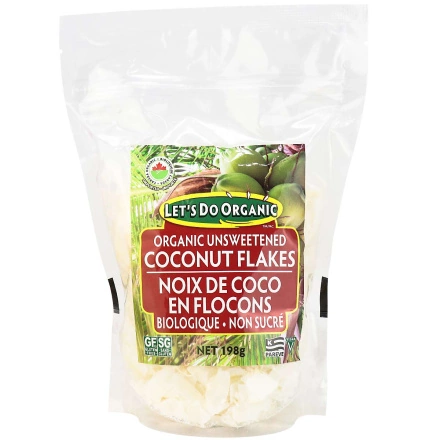
Are you wondering if your coconut flakes need to be refrigerated to stay fresh? It’s a common question that can save you from wasting food or risking spoilage.
Whether you use coconut flakes for baking, cooking, or snacking, knowing the right way to store them is key. You’ll discover simple tips to keep your coconut flakes tasty and fresh for longer. Keep reading to make sure your coconut flakes never go bad!
Shelf Life Of Coconut Flakes
Understanding the shelf life of coconut flakes is key to keeping them fresh and tasty. Whether you use them in baking or as a snack, knowing how long they last helps you avoid waste and maintain flavor. Let’s break down what affects their longevity and how you can store them properly.
Fresh Vs. Dried Coconut Flakes
Fresh coconut flakes have a high moisture content, which makes them prone to spoilage. They usually last only a few days in the refrigerator before they start to turn sour or moldy.
Dried coconut flakes, on the other hand, have had most of their moisture removed. This drying process extends their shelf life significantly, allowing them to stay good for several months when stored correctly.
Have you ever noticed fresh coconut flakes turning slimy or smelling off after a couple of days? That’s a clear sign they should be used quickly or refrigerated immediately.
Factors Affecting Shelf Life
Several factors influence how long coconut flakes remain fresh, including:
- Moisture:More moisture means faster spoilage. Keep dried flakes in airtight containers to prevent humidity from sneaking in.
- Temperature:Warm environments speed up rancidity. Store flakes in a cool, dark place or in the fridge for longer life.
- Exposure to Air:Oxygen can cause fats in coconut flakes to go rancid. Sealing your flakes tightly minimizes this risk.
- Packaging:Vacuum-sealed packs preserve freshness better than loose or poorly sealed containers.
Think about your kitchen setup. Are your coconut flakes stored near the stove or sunlight? Adjusting their storage spot might extend their usability significantly.
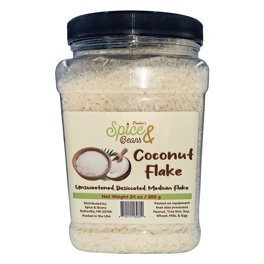
Credit: www.walmart.com
Storing Unopened Coconut Flakes
Storing unopened coconut flakes correctly helps keep their flavor and texture fresh. These flakes do not require refrigeration before opening. Proper storage extends their shelf life and prevents spoilage.
Pantry Storage Conditions
Store unopened coconut flakes in a cool, dry place away from direct sunlight. A pantry or kitchen cabinet works well. Avoid areas near heat sources like ovens or stoves.
Keep the package sealed tightly to block moisture and air. Moisture can cause clumping and mold growth. Air exposure may lead to stale flakes.
Expiration Dates And Indicators
Check the expiration date printed on the package before use. Coconut flakes usually last for several months unopened. Use them before the date for the best taste and quality.
Look for signs like off smell, discoloration, or mold. These indicate the flakes may have gone bad. Dispose of the flakes if any of these signs appear.
Refrigerating Coconut Flakes
Refrigerating coconut flakes can help keep them fresh longer. This simple step protects their flavor and texture. Coconut flakes have natural oils that can go bad if stored improperly. Understanding when to refrigerate ensures you enjoy their best quality.
Benefits Of Refrigeration
Refrigeration slows down the growth of bacteria and mold. It keeps coconut flakes dry and prevents spoilage. The cool temperature helps maintain the flakes’ crispness. Coconut flakes stay fresher for weeks or even months in the fridge. It also preserves the natural coconut aroma and taste. This method reduces the risk of rancidity from the coconut oil. Refrigerated flakes have a longer shelf life than those kept at room temperature.
When Refrigeration Is Necessary
Refrigerate coconut flakes if you buy them in bulk. Large quantities take longer to use up and can spoil. Opened packages should go in the fridge to stay fresh. Warm or humid climates make refrigeration more important. Coconut flakes stored at room temperature in such places spoil faster. Freshly shredded coconut flakes always need refrigeration. They contain more moisture and spoil quickly if left out. Use airtight containers or resealable bags for best results in the fridge.

Credit: realsimplegood.com
Freezing Coconut Flakes
Freezing coconut flakes is an effective way to keep them fresh for a longer time. It stops the flakes from going bad and maintains their taste. Proper freezing also protects the flakes from moisture and pests.
Freezing Techniques
Use an airtight container or a heavy-duty freezer bag. Remove as much air as possible to avoid freezer burn. Label the container with the date before placing it in the freezer. Spread the flakes evenly inside the container for faster freezing. Avoid freezing large clumps to keep the flakes easy to use later.
How Freezing Extends Freshness
Freezing slows down the growth of bacteria and mold. It keeps the natural oils in coconut flakes from turning rancid. The cold temperature preserves flavor and texture. Frozen flakes can last up to six months or more. This method prevents waste and saves money by extending shelf life.
Signs Of Spoiled Coconut Flakes
Knowing the signs of spoiled coconut flakes can save you from unpleasant tastes and potential health issues. Spoiled flakes not only lose their fresh flavor but may also pose risks if consumed. Watch out for clear indicators to keep your coconut flakes safe and delicious.
Visual And Smell Cues
Check the flakes carefully before using them. Fresh coconut flakes are usually white or off-white. If you notice dark spots, mold, or an unusual yellow tint, it’s a strong sign the flakes have gone bad.
Smell is just as important. Fresh coconut flakes have a mild, sweet aroma. If you detect a sour, rancid, or off-putting smell, it’s best to toss them out immediately.
Health Risks Of Spoiled Coconut
Eating spoiled coconut flakes can cause digestive problems like stomach cramps, nausea, or diarrhea. Moldy flakes may contain harmful toxins that affect your immune system.
Have you ever experienced an upset stomach after using old coconut flakes? It’s a warning that your body is rejecting harmful bacteria or molds. Protect your health by discarding any flakes that seem questionable.
Packaging Tips For Storage
Proper packaging plays a key role in keeping your coconut flakes fresh and tasty. How you store them affects their texture and flavor over time. Let’s look at smart ways to package coconut flakes so they stay in the best condition possible.
Best Containers To Use
Choosing the right container can make a big difference in how long your coconut flakes last. Airtight containers are your best bet because they keep air out, which helps prevent the flakes from drying out or going stale.
- Glass jars with tight-fitting lids offer a secure seal and don’t absorb odors.
- Plastic containers with snap-lock lids are lightweight and convenient for everyday use.
- Resealable food-grade bags are flexible and space-saving but should be squeezed to remove excess air before sealing.
Have you ever noticed coconut flakes that smell off? That’s often due to poor sealing, so investing in good containers pays off.
Avoiding Moisture And Odors
Moisture is the enemy of coconut flakes; it can cause clumping and spoilage quickly. Store your flakes in a dry spot away from humid areas like near the stove or sink.
Odors from strong-smelling foods can transfer easily to coconut flakes. Make sure your container is tightly closed and keep it away from items like onions or spices.
- Add a small food-safe desiccant packet to absorb any leftover moisture.
- Store containers in a cool, dark place to slow down any changes in flavor.
Do you keep coconut flakes in your pantry or fridge? Think about whether moisture or odors might be affecting their freshness where you store them.

Credit: www.amazon.com
Frequently Asked Questions
Do Coconut Flakes Need Refrigeration After Opening?
Yes, refrigerating coconut flakes after opening helps maintain freshness. It prevents moisture and mold growth. Store them in an airtight container inside the fridge to extend shelf life and keep their flavor intact.
Can Coconut Flakes Spoil Without Refrigeration?
Coconut flakes can spoil if left unrefrigerated in humid or warm conditions. They may develop mold or an off smell. Refrigeration slows spoilage and preserves quality, especially for natural or unsweetened flakes.
How Long Do Coconut Flakes Last In The Fridge?
When refrigerated properly, coconut flakes can last up to six months. Always use an airtight container to avoid moisture and odors. Check for any changes in smell or texture before use.
Is Refrigeration Necessary For Sweetened Coconut Flakes?
Sweetened coconut flakes benefit from refrigeration to prevent clumping and spoilage. The added sugar can attract moisture, so storing them cold keeps them fresh longer.
Conclusion
Storing coconut flakes correctly is important. No fridge needed for unopened packs. Keep them in a cool, dry place. Once opened, transfer them to an airtight container. This prevents moisture and preserves freshness. Remember, refrigeration can alter texture and taste.
Check expiration dates regularly. Enjoy fresh coconut flakes in your recipes. Proper storage ensures quality. Always keep an eye on the condition. Make your dishes delightful with fresh coconut flakes. Your pantry, the best storage spot. Simple steps for long-lasting freshness.
Enjoy the natural taste!