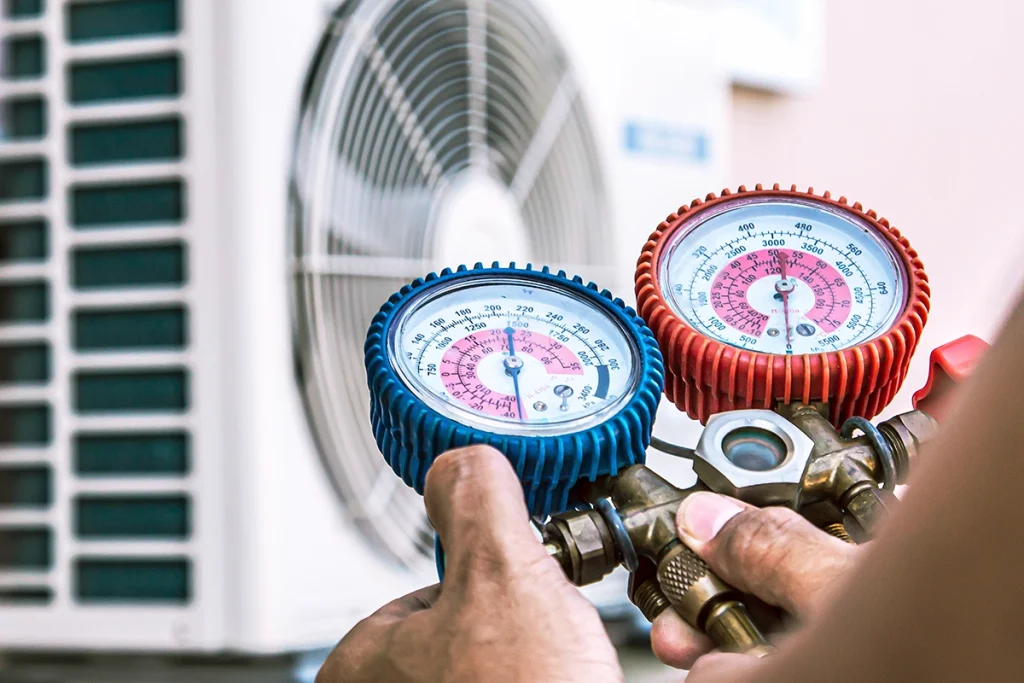
Have you ever noticed a strange smell around your fridge or air conditioner and wondered what it could be? That unusual scent might be a sign of leaking refrigerant.
But what does leaking refrigerant actually smell like? Understanding this can help you spot problems early, protect your health, and avoid costly repairs. You’ll discover the common smells linked to refrigerant leaks and why paying attention to them matters for your home and safety.
Keep reading to learn how to identify this hidden issue before it becomes a bigger problem.

Credit: www.reddit.com
Signs Of Refrigerant Leaks
Recognizing the signs of refrigerant leaks early can save you from costly repairs and potential health risks. Refrigerant leaks often go unnoticed until they cause a drop in cooling efficiency or create unpleasant odors. Knowing what to look for helps you act quickly and protect your home and appliances.
Common Odors Associated With Leaks
Have you ever caught a strange, chemical-like smell near your air conditioner or fridge? Refrigerant leaks usually produce a distinct odor that varies depending on the type of refrigerant used. Some common smells include:
- Sweet or chloroform-like scent:This is typical for many older refrigerants like Freon (R-22).
- Ether-like smell:Often noticed with newer refrigerants such as R-134a.
- Musty or sharp chemical odor:This can indicate a leak mixed with oil from the system.
If you detect any unusual smells around your cooling system, don’t ignore them. These odors are your first clue that refrigerant might be escaping.
Visual Indicators To Watch For
Sometimes, your eyes can spot what your nose detects. Visual signs often accompany refrigerant leaks and can help you pinpoint the problem area quickly.
- Oily residue or stains:Refrigerant leaks often carry oil with them, leaving behind oily patches near joints, pipes, or coils.
- Frost or ice buildup:Unexpected frost on refrigerant lines or coils can signal a leak causing pressure drops.
- Corrosion or discoloration:Metal parts around the leak may show rust or discoloration due to chemical exposure.
Have you checked your system for these signs recently? A quick look can help you catch leaks before they worsen.
Credit: 4neighborhood.com
Types Of Refrigerants And Their Scents
Refrigerants are chemicals used in cooling systems like air conditioners and refrigerators. Each type has a unique scent that helps identify leaks. Recognizing these smells can prevent health risks and costly repairs. Some refrigerants smell sweet, others sharp or pungent. Knowing these scents helps detect leaks quickly and safely.
Freon And Its Distinct Smell
Freon is a common refrigerant in older systems. It has a faint, sweet chemical odor. Many people describe it as similar to ether or cleaning solvents. The smell is subtle but noticeable near leaks. Though mild, Freon leaks can harm the environment and health.
Ammonia-based Refrigerants
Ammonia refrigerants are popular in industrial cooling. They have a strong, pungent smell like household cleaning products. The odor is sharp and can irritate the eyes and throat. Ammonia leaks require immediate attention due to their toxicity and health risks.
Natural Refrigerants And Odor Differences
Natural refrigerants include carbon dioxide, propane, and water. These often have little or no smell. Propane has a faint gas odor due to added odorants for safety. Carbon dioxide is odorless and colorless, making leaks hard to detect by smell. Knowing these differences is key to spotting leaks early.
Health Risks Linked To Refrigerant Exposure
Refrigerant leaks don’t just cause your cooling system to fail; they can pose real health risks. Many people underestimate how dangerous inhaling refrigerant fumes can be. Knowing these risks can help you protect yourself and your loved ones.
Short-term Effects Of Inhalation
Breathing in refrigerant fumes can cause immediate symptoms that are hard to ignore. You might experience dizziness, headaches, or even nausea after just a few minutes of exposure. Some people report a sweet or ether-like smell that seems harmless at first but quickly leads to irritation in the nose and throat.
In more severe cases, exposure can cause coughing, shortness of breath, or chest tightness. Have you ever felt light-headed or had difficulty concentrating in a room with a strange smell? That could be a sign of refrigerant inhalation. If you notice these symptoms, it’s vital to get fresh air immediately and seek medical advice.
Long-term Health Concerns
Repeated or prolonged exposure to refrigerants can lead to more serious health problems. Some refrigerants affect your nervous system, leading to issues like memory loss or trouble with coordination over time. Chronic exposure might also damage your liver or kidneys.
Children and people with pre-existing health conditions may be more vulnerable. Do you spend a lot of time in spaces with older or poorly maintained HVAC systems? It’s worth checking for leaks regularly to avoid hidden dangers. Protecting your indoor air quality is not just about comfort—it’s about your health.
Detecting Leaks Without Odor
Detecting refrigerant leaks without smell requires careful attention and the right tools. Some refrigerants have little or no odor, making leaks hard to notice. Early detection prevents damage and costly repairs.
Using Leak Detectors
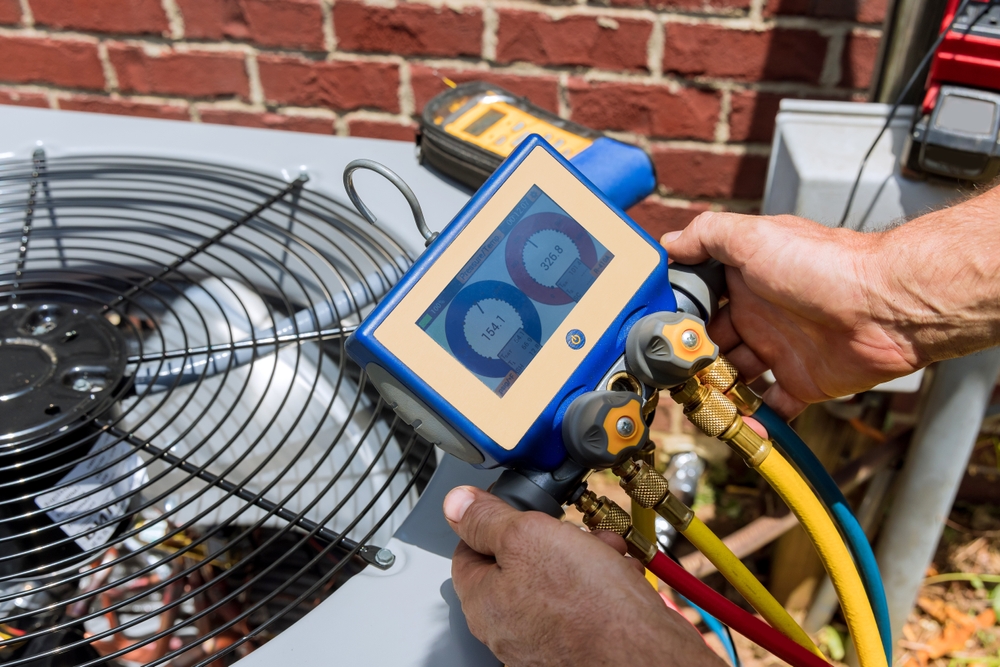
Electronic leak detectors sense refrigerant gas in the air. They beep or light up near leaks. These devices are portable and easy to use for quick checks.
Soap solution also helps find leaks. Apply it to pipes and joints. Bubbles form at leak points, showing where gas escapes.
Signs Beyond Smell
Watch for these clues that indicate a refrigerant leak:
- Reduced cooling or heating performance
- Ice buildup on coils or pipes
- Hissing or bubbling sounds near the system
- Higher energy bills than usual
Notice any of these signs? They may mean a hidden leak.
Preventing And Addressing Refrigerant Leaks
Preventing and addressing refrigerant leaks is crucial to keeping your cooling system efficient and safe. Leaks not only reduce your system’s performance but can also harm the environment and pose health risks. Taking proactive steps helps you avoid costly repairs and ensures your space stays comfortable.
Routine Maintenance Tips
Regularly inspect your air conditioning or refrigeration units for signs of wear or damage. Check hoses, connections, and coils for any visible cracks or oily residue, which often indicates a leak. Cleaning the coils and replacing filters on time keeps the system running smoothly and reduces strain that might cause leaks.
Keep an eye on your system’s cooling efficiency. If you notice uneven cooling or longer run times, it might be time to check for leaks. Simple actions like ensuring proper insulation around pipes can prevent refrigerant from escaping.
- Schedule seasonal tune-ups to catch small leaks before they grow.
- Use leak detection sprays or electronic leak detectors for early identification.
- Maintain proper refrigerant levels as recommended by the manufacturer.
When To Call A Professional
If you detect a strange chemical or sweet smell around your cooling unit, it could be refrigerant leaking. This is a sign to stop trying to fix it yourself and contact a certified technician immediately. Handling refrigerants requires special tools and knowledge to avoid health hazards and environmental damage.
Even if you don’t smell anything but notice your system isn’t cooling properly, a professional check-up is wise. Technicians can perform pressure tests and use advanced leak detection methods to find hidden leaks. Ignoring these signs can lead to a bigger problem, costing you more in the long run.
Think about this: how often do you schedule professional maintenance for your HVAC or refrigeration system? Waiting too long can risk a refrigerant leak that smells subtle or isn’t noticeable yet. Don’t wait until the smell or performance drop forces you to act—staying ahead protects your home and wallet.
Credit: jabertsch.com
Frequently Asked Questions
What Does Refrigerant Smell Like?
Refrigerant typically emits a sweet or chloroform-like odor. It’s often compared to the scent of nail polish remover. If you notice such smells, it could indicate a refrigerant leak. Detecting this smell early can prevent further damage to your cooling system and ensure safety.
Is Refrigerant Smell Harmful?
Yes, inhaling refrigerant can be harmful to your health. It can cause symptoms like dizziness, headaches, and respiratory issues. Prolonged exposure may lead to more severe health problems. If you suspect a leak, ventilate the area immediately and contact a professional for repair.
How To Identify A Refrigerant Leak?
A refrigerant leak can be identified by a sweet or chemical odor. Additionally, look for oil stains or ice build-up on the cooling unit. Another sign is the decreased cooling efficiency of your appliance. If these signs are present, it’s crucial to seek professional help.
Can I Fix A Refrigerant Leak Myself?
Fixing a refrigerant leak is not recommended for DIY. Refrigerant handling requires specialized equipment and knowledge due to its hazardous nature. Mishandling can lead to health risks and environmental harm. Always hire a certified technician to repair refrigerant leaks safely and effectively.
Conclusion
Detecting the smell of leaking refrigerant helps protect your home and health. Strange, sweet, or chemical odors may signal a leak nearby. Acting fast can prevent damage to your cooling system and avoid costly repairs. Always stay alert to unusual smells around appliances.
Trust your senses; they often warn you first. Keep your environment safe by checking for leaks regularly. Simple steps can save energy and money. Understanding these smells keeps your air clean and fresh. Stay aware, and don’t ignore signs of refrigerant leaks.