Have you ever wondered if refrigerated air actually uses water? It’s a question that pops up often, especially when you want to stay cool without wasting resources.
Understanding how refrigerated air works can help you make smarter choices for your home or office. You’ll discover the surprising truth about water’s role in cooling systems—and why it matters to you. Keep reading to unlock the secrets behind the air you breathe on hot days.
Credit: fluidairedynamics.com
How Refrigerated Air Works
Understanding how refrigerated air works can clear up many common questions, especially about whether water is involved in the process. The system cools the air around you, but it doesn’t rely on water directly like some might expect. Instead, it uses a clever cycle that moves heat out of your space, leaving cooler air behind.
Basic Cooling Process
The core of refrigerated air is a loop that moves heat from inside your room to the outside. It starts with warm air being pulled in and passed over cold coils. These coils absorb the heat, cooling the air before it’s blown back into your room.
As the warm air touches the cold coils, moisture in the air condenses and collects as water. This water is then drained away, which might make you wonder if water is part of the cooling mechanism itself. However, the water is actually a byproduct of cooling, not a source of it.
Role Of Refrigerants
Refrigerants are the unsung heroes in this process. They are special fluids that cycle through the system, changing from liquid to gas and back again. This phase change is what pulls heat away from the air.
When the refrigerant evaporates, it absorbs heat from the air inside your home. Then, when it condenses outside, it releases that heat into the outdoor air. This constant cycle is highly efficient and doesn’t depend on adding water to cool the air.
Have you ever noticed water dripping from your air conditioner? That’s the moisture your air conditioner pulls out of the air, making your space feel less humid. This highlights how the system improves comfort without using water as a cooling medium.

Credit: www.achrnews.com
Sources Of Moisture In Refrigerated Air
Moisture in refrigerated air comes from several sources. Understanding these sources helps in controlling humidity and preventing damage. Moisture affects air quality, comfort, and system efficiency. It is important to identify where moisture originates within refrigerated air systems.
Humidity Removal
Refrigerated air cools down warm air, causing water vapor to condense. This process removes humidity from the air. Moisture collects on cooling coils and drains away. The system reduces indoor humidity, making the air feel cooler and more comfortable. Proper drainage prevents water buildup and mold growth.
Condensation Effects
Condensation forms when warm, moist air meets cold surfaces inside the system. This can cause water droplets to appear on coils and ducts. Excess condensation may lead to corrosion or damage. It also reduces system efficiency by blocking airflow. Managing condensation is key to maintaining a healthy, efficient cooling system.
Water Usage In Air Conditioning Systems
Understanding water usage in air conditioning systems helps reveal their environmental impact. Some air conditioners use water directly, while others do not. Knowing the types of systems and their water needs can guide better choices for cooling.
Types Of Air Conditioners
Air conditioners mainly fall into two categories regarding water use:
- Traditional Refrigerant-Based Systems
- Evaporative Cooling Systems
Refrigerant-based systems cool air using a chemical cycle. They rarely use water in the cooling process but may need water for condensate drainage. Evaporative coolers, on the other hand, use water as a core part of their cooling method.
Evaporative Cooling Systems
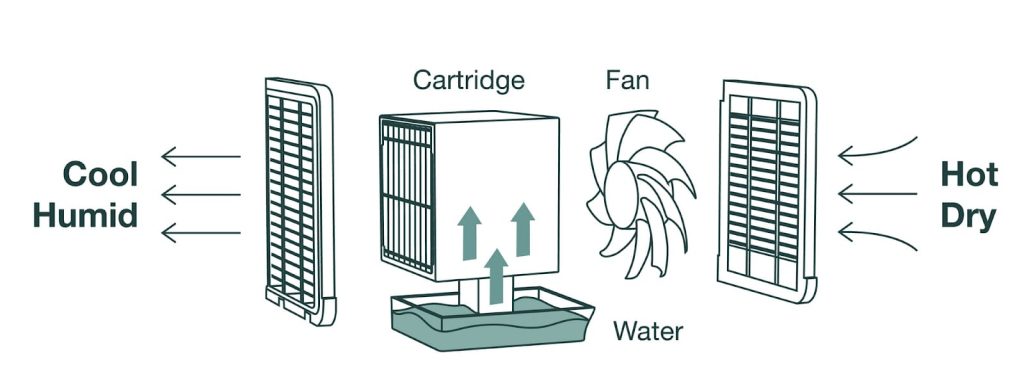
These systems cool air by passing it over water-saturated pads. The water evaporates, removing heat from the air. This process consumes water continuously during operation.
Evaporative coolers are common in dry climates. They use much less electricity but require a steady water supply. Water use varies by model but can be significant over time.
Common Misconceptions About Water And Refrigerated Air
Many people wonder if refrigerated air systems use water directly, leading to some common misunderstandings. These misconceptions can cause confusion about how these cooling systems work and their maintenance needs. Clearing up these myths helps you better understand your air conditioning and avoid unnecessary worries.
Myth: Refrigerated Air Directly Uses Water
It’s easy to assume refrigerated air systems operate like evaporative coolers that spray water to cool the air. However, traditional refrigerated air conditioners do not use water as a cooling agent inside the air stream. They rely on a refrigerant gas that cycles through the system to absorb and release heat.
Many people notice water dripping near their AC units and jump to the conclusion that water is used directly in the cooling process. In reality, this water is condensation formed when humid air cools down. This is a natural byproduct, not a sign that water is being used as a cooling medium.
Reality: Indirect Water Interaction
While refrigerated air systems don’t use water directly for cooling, water still plays an indirect role. As warm, moist air passes over the cold evaporator coil, the temperature drops below the dew point, causing moisture to condense out of the air. This condensation collects and drains away, which is why you see water dripping.
This process actually improves air quality by removing excess humidity from your indoor environment. Understanding this interaction can help you troubleshoot issues like water leaks or mold growth around your AC unit. Have you ever checked your drain line for blockages? It might be the key to preventing water damage in your home.
Benefits Of Moisture Control In Refrigerated Air
Controlling moisture in refrigerated air brings several key benefits. It helps maintain a clean and fresh environment by reducing excess humidity. Proper moisture control also prevents damage to materials and improves overall comfort. These advantages make refrigerated air systems more effective and healthier for users.
Improved Air Quality
Moisture control lowers the chance of mold and bacteria growth. Dry air stops dust mites and allergens from thriving. This creates a cleaner, safer space for everyone. Air with balanced moisture feels fresher and less stuffy. It also helps keep surfaces dry, reducing odors and dampness.
Comfort And Health Impact
Balanced moisture in refrigerated air prevents dry skin and irritation. It helps avoid respiratory problems caused by too much or too little humidity. Comfortable air reduces fatigue and headaches often linked to poor air quality. Proper moisture levels also support better sleep and overall well-being. This leads to a healthier living and working environment.

Credit: fischerheating.com
Environmental Impact Of Water Use In Cooling
Cooling systems often use water to lower air temperature. This water use impacts the environment in several ways. Understanding these effects helps in managing resources better. Water is a precious resource, and its use in cooling raises concerns about sustainability and conservation.
Water Consumption Concerns
Cooling systems can consume large amounts of water daily. This high usage stresses local water supplies, especially in dry regions. Water withdrawals for cooling may reduce water availability for farming and drinking. Some systems release heated water back into rivers, harming aquatic life. Water pollution from chemicals used in cooling also affects ecosystems. Managing water use carefully is critical to protect natural habitats.
Sustainable Cooling Alternatives
New cooling technologies reduce or eliminate water use. Air-cooled systems avoid water consumption but may use more energy. Closed-loop cooling recycles water, lowering total consumption. Green roofs and shading reduce the need for mechanical cooling. Using renewable energy sources can make cooling systems more eco-friendly. Choosing sustainable options helps save water and reduce environmental harm.
Frequently Asked Questions
Does Refrigerated Air Conditioning Use Water?
Refrigerated air conditioning mainly uses refrigerants, not water, to cool air. However, some systems may produce condensation as a byproduct, which involves water. Traditional refrigerated AC units do not require water for the cooling process itself, unlike evaporative coolers that use water directly.
How Does Refrigerated Air Remove Heat Without Water?
Refrigerated air systems remove heat using a closed-loop refrigerant cycle. The refrigerant absorbs heat from indoor air and releases it outside. This process cools the air without needing water. The system relies on compression and expansion of refrigerant gas, not water evaporation.
Is Water Needed To Maintain Refrigerated Air Conditioners?
No, water is not required for refrigerated AC maintenance. These units need regular filter cleaning, refrigerant checks, and coil maintenance. Water might be drained from condensation trays, but it is not essential for system operation or upkeep.
Can Refrigerated Air Conditioners Increase Indoor Humidity?
Refrigerated air conditioners typically reduce indoor humidity by condensing moisture from the air. As air cools, water vapor condenses and drains away. This helps maintain comfortable humidity levels. Therefore, refrigerated AC units often improve indoor air quality by lowering humidity.
Conclusion
Refrigerated air systems don’t require water for cooling. They’re efficient and user-friendly. Unlike evaporative coolers, they work well in humid areas. This makes them a popular choice for homes and offices. Their energy use is generally lower than traditional systems.
So, they save on electricity bills. Regular maintenance ensures they run smoothly. Choosing the right system can enhance comfort and efficiency. It’s important to weigh the pros and cons. This helps in making an informed decision. Consider your climate and budget.
This will guide your choice in cooling options.