Have you ever wondered how your heat pump keeps your home warm in winter and cool in summer? One common question is, “Does a heat pump use refrigerant?”
Understanding this can help you better care for your system and save on energy bills. You’ll discover the surprising role refrigerant plays in your heat pump’s performance and what it means for your comfort and efficiency. Keep reading to unlock the secrets behind this essential component and make the most of your heating and cooling system.
Heat Pump Basics
Understanding heat pump basics helps clarify how they use refrigerant. Heat pumps transfer heat from one place to another. They cool or heat spaces efficiently by moving heat instead of generating it.
How Heat Pumps Work
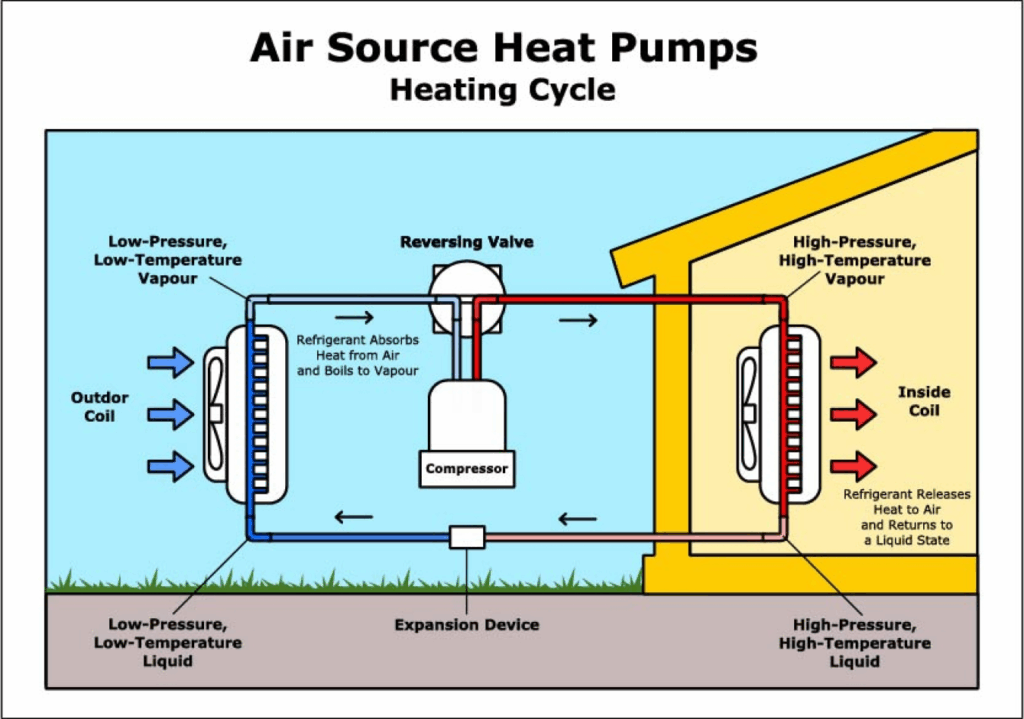
Heat pumps rely on a cycle that moves heat using refrigerant. The refrigerant absorbs heat from outside air or ground. Then, it changes from liquid to gas inside the system. The gas moves inside, releasing heat to warm your home. In summer, the process reverses to cool your space. This cycle uses less energy than traditional heating.
Types Of Heat Pumps
- Air-source heat pumps pull heat from outdoor air.
- Ground-source (or geothermal) heat pumps extract heat from the earth.
- Water-source heat pumps use heat from nearby water bodies.
Each type uses refrigerant to carry heat through the system. The choice depends on climate and installation needs.

Credit: cinergi.co.uk
Role Of Refrigerant In Heat Pumps
Refrigerant plays a vital role in the operation of heat pumps. It acts as the medium that transfers heat between the indoor and outdoor environments. Without refrigerant, a heat pump cannot absorb or release heat effectively. This substance cycles through the system, changing states from liquid to gas and back, enabling the heat pump to provide heating and cooling.
Function Of Refrigerant
The refrigerant absorbs heat from the outside air or ground. It evaporates at low temperatures, turning into a gas. This gas then moves to the compressor, which raises its temperature and pressure. Next, the hot gas travels through the condenser coil, releasing heat inside the home. After releasing heat, the refrigerant cools down and returns to a liquid state. This cycle repeats continuously, allowing the heat pump to regulate indoor temperatures efficiently.
Common Refrigerants Used
- R-410A:A widely used refrigerant in modern heat pumps. It is ozone-friendly and efficient.
- R-32:Known for its low global warming potential (GWP). It is gaining popularity due to environmental benefits.
- R-22:An older refrigerant being phased out due to environmental concerns.
- R-134a:Sometimes used in specific heat pump models but less common.
Refrigerant Cycle Explained
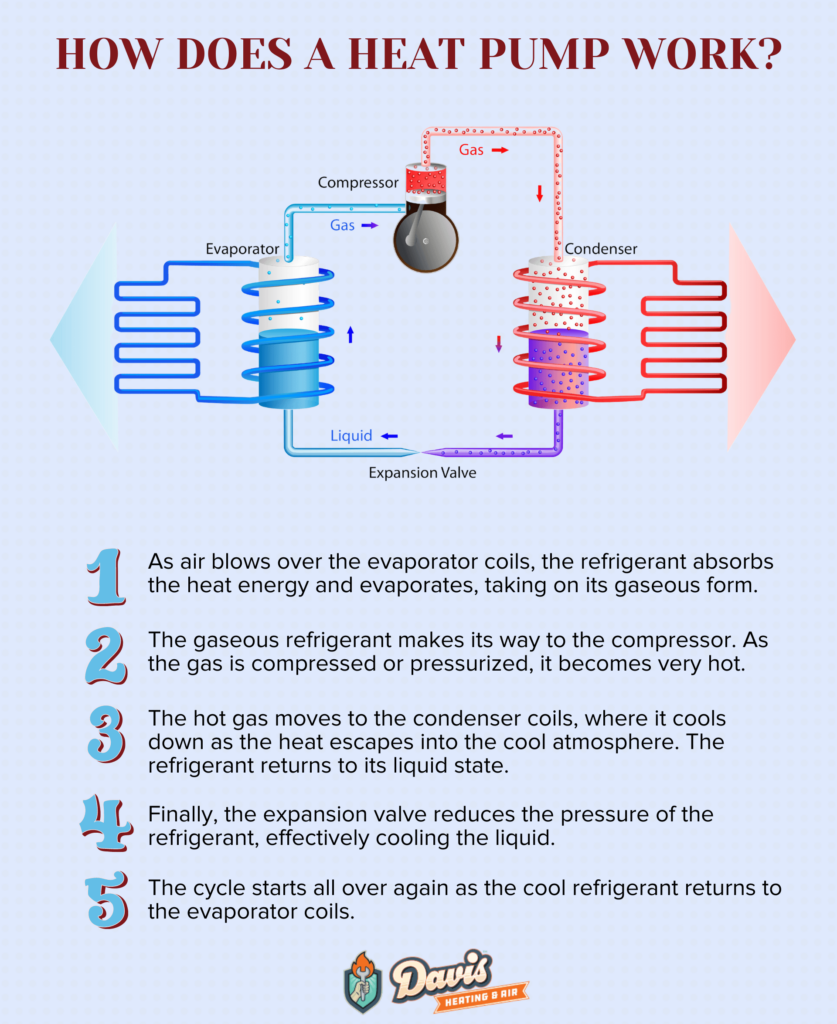
The refrigerant cycle is at the heart of how a heat pump works. It moves heat from one place to another by changing the state of the refrigerant fluid inside the system. Understanding this cycle helps you see why the refrigerant is essential and how it makes heating and cooling possible.
Evaporation And Compression
First, the refrigerant enters the evaporator as a cold, low-pressure liquid. Here, it absorbs heat from the outside air or ground, even when it feels cold outside. This causes the refrigerant to evaporate into a warm gas.
Next, this warm gas moves to the compressor. The compressor squeezes the gas, raising its pressure and temperature. Think of it like pumping air into a tire—the gas gets hotter as it’s compressed.
Condensation And Expansion
After compression, the hot, high-pressure gas flows into the condenser coil inside your home. It releases heat to warm your space, and as it cools down, it turns back into a liquid. This process is called condensation.
Finally, the refrigerant passes through an expansion valve. This valve lowers the pressure of the liquid refrigerant, cooling it down quickly and preparing it to absorb heat again. The cycle then repeats.
Can you imagine how this continuous loop keeps your home comfortable, no matter the season? Knowing this cycle helps you appreciate the magic behind your heat pump’s efficiency.
Credit: www.davisheat.com
Environmental Impact Of Refrigerants
Refrigerants are essential to how heat pumps work, but they also carry environmental consequences. Understanding the environmental impact of refrigerants helps you make better choices for your home and the planet. Let’s break down the key issues around refrigerants and their effect on the environment.
Global Warming Potential
Refrigerants have different levels of Global Warming Potential (GWP), which measures how much heat a gas traps in the atmosphere compared to carbon dioxide. Some older refrigerants, like R-22, have very high GWP values, meaning they contribute significantly to climate change if released.
Newer refrigerants, such as R-410A or natural refrigerants like CO2 and propane, have much lower GWP. Choosing heat pumps with low-GWP refrigerants can reduce your carbon footprint. Have you checked the type of refrigerant your current system uses?
Regulations And Standards
Governments worldwide are tightening rules on refrigerants to limit their environmental damage. The Montreal Protocol and Kigali Amendment are key international agreements that phase out harmful refrigerants with high ozone depletion and global warming potential.
Many countries now require heat pumps to use refrigerants that meet strict environmental standards. This means when you buy or maintain a heat pump, you should ask about compliance with these regulations. It’s not just about saving energy; it’s about using the right refrigerant to protect our planet for the future.
Maintenance And Safety Tips
Maintaining your heat pump and ensuring safety around refrigerants is essential for efficient operation and your well-being. Refrigerants are powerful chemicals that require careful handling and regular checks to avoid hazards. Paying attention to these maintenance and safety tips can save you from costly repairs and health risks.
Handling Refrigerants Safely
Refrigerants in heat pumps are under pressure and can be harmful if mishandled. Always wear protective gloves and goggles when dealing with refrigerants to protect your skin and eyes.
Only trained professionals should handle refrigerant refills or repairs. If you ever smell a strong, unusual odor near your heat pump, it could be a sign of a refrigerant leak—never try to fix it yourself.
Are you aware of the environmental impact of refrigerants? Improper release can damage the ozone layer, so proper containment and disposal are crucial.
Detecting And Preventing Leaks
Leaks reduce your heat pump’s efficiency and can pose health risks. Watch for signs like reduced cooling or heating performance, hissing sounds, or oily residue near the unit.
Regular inspections using leak detectors help catch issues early. You can also use soapy water on connections to spot bubbles, indicating leaks.
Prevent leaks by scheduling annual professional maintenance. Tightening fittings and replacing worn parts keeps your system sealed and running smoothly.

Credit: hub.utahcleanenergy.org
Future Trends In Heat Pump Refrigerants
The future of heat pump refrigerants is focused on sustainability and efficiency. New trends aim to reduce environmental impact while maintaining system performance. These changes respond to stricter regulations and growing climate concerns.
Scientists and engineers explore alternatives that lower greenhouse gas emissions. Innovations also improve the safety and energy use of heat pump systems. This section highlights key future trends shaping refrigerant choices.
Eco-friendly Alternatives
Eco-friendly refrigerants are gaining popularity worldwide. These include natural refrigerants like:
- Carbon dioxide (CO2)
- Ammonia (NH3)
- Hydrocarbons such as propane
These options have low global warming potential (GWP) compared to traditional refrigerants. They are biodegradable and less harmful to the ozone layer. Manufacturers focus on adapting heat pumps to work safely with these substances.
Technological Innovations
New technology helps improve refrigerant performance and safety. Innovations include:
- Advanced compressor designs for better efficiency
- Improved heat exchangers to maximize heat transfer
- Smart control systems to optimize refrigerant flow
These advances reduce energy consumption and extend system lifespan. They make eco-friendly refrigerants more practical and affordable for everyday use.
Frequently Asked Questions
Does A Heat Pump Contain Refrigerant?
Yes, heat pumps use refrigerants to transfer heat efficiently. The refrigerant absorbs heat from the air outside and releases it inside your home, or vice versa, depending on the mode.
What Type Of Refrigerant Is Used In Heat Pumps?
Most modern heat pumps use environmentally friendly refrigerants like R-410A or R-32. These refrigerants have low ozone depletion potential and improve energy efficiency.
How Does Refrigerant Work In A Heat Pump?
Refrigerant cycles through evaporation and condensation phases. It absorbs heat outside, turns into gas, then releases heat indoors as it condenses back into liquid.
Can Refrigerant Leaks Affect Heat Pump Performance?
Yes, leaks reduce refrigerant levels, lowering efficiency and heating or cooling capacity. Prompt repair is essential to maintain optimal heat pump operation.
Conclusion
Heat pumps do use refrigerant. This helps transfer heat efficiently. It plays a vital role in heating and cooling homes. Understanding this can help maintain your heat pump properly. Regular maintenance ensures it works effectively. Always consult a professional for refrigerant issues.
This prevents any potential problems. Knowledge of refrigerant use keeps your system efficient. It also extends its lifespan. A well-maintained heat pump saves energy. This reduces your energy bills. Choose the right refrigerant for your system. Ensure it meets environmental standards.
Stay informed. Make smart choices for your home heating and cooling needs.