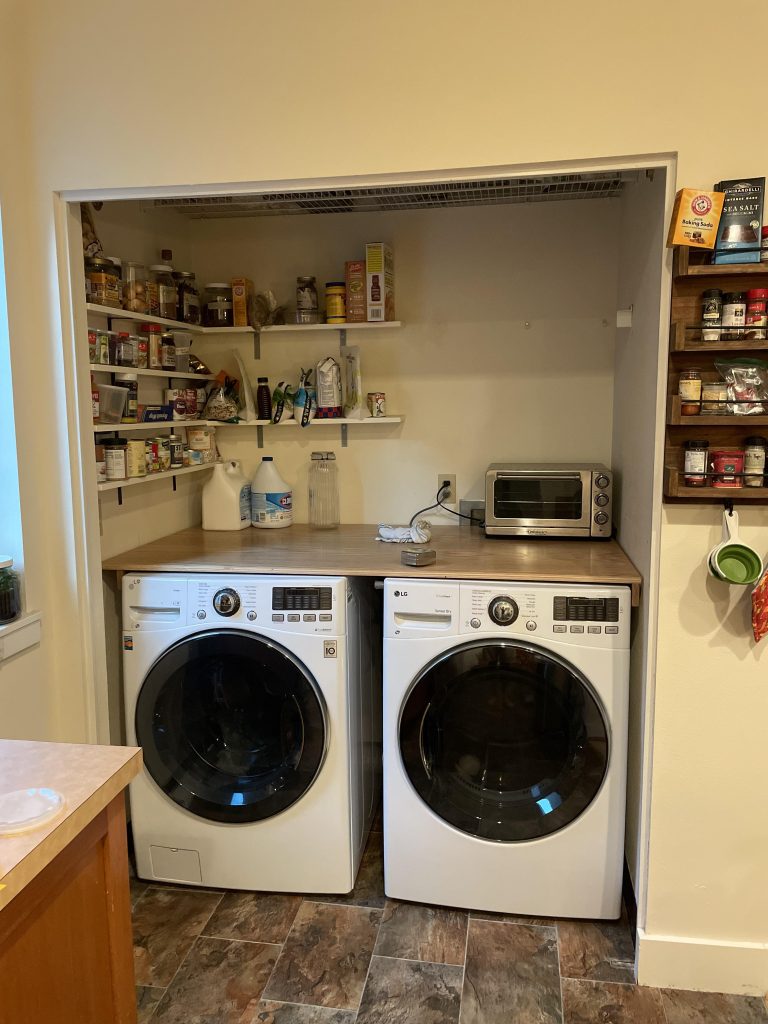
Are you wondering how much space you need for a washer and dryer in your home? Finding the right spot can feel tricky, especially if your laundry area is tight.
But don’t worry—knowing the exact space requirements will save you from headaches and costly mistakes. You’ll discover simple tips to measure and plan the perfect laundry setup that fits your needs. Keep reading, and you’ll be one step closer to a smooth, stress-free laundry day.
Washer And Dryer Sizes
Choosing the right size for your washer and dryer is important. It helps you save space and fit the machines in your laundry area.
Washers and dryers come in different sizes. Knowing the measurements can help you plan your laundry room better.
Standard Dimensions
Standard washers and dryers are the most common. They fit most homes and laundry rooms.
These machines usually measure about 27 inches wide and 30 to 34 inches deep. The height is around 36 inches.
| Type | Width (inches) | Depth (inches) | Height (inches) |
|---|---|---|---|
| Washer | 27 | 30-34 | 36 |
| Dryer | 27 | 29-34 | 36 |
Compact Options
Compact washers and dryers are smaller. They fit in tight spaces like apartments.
These units are about 24 inches wide and 24 to 26 inches deep. Their height is usually 33 to 39 inches.
- Width: 24 inches
- Depth: 24-26 inches
- Height: 33-39 inches
Stackable Units
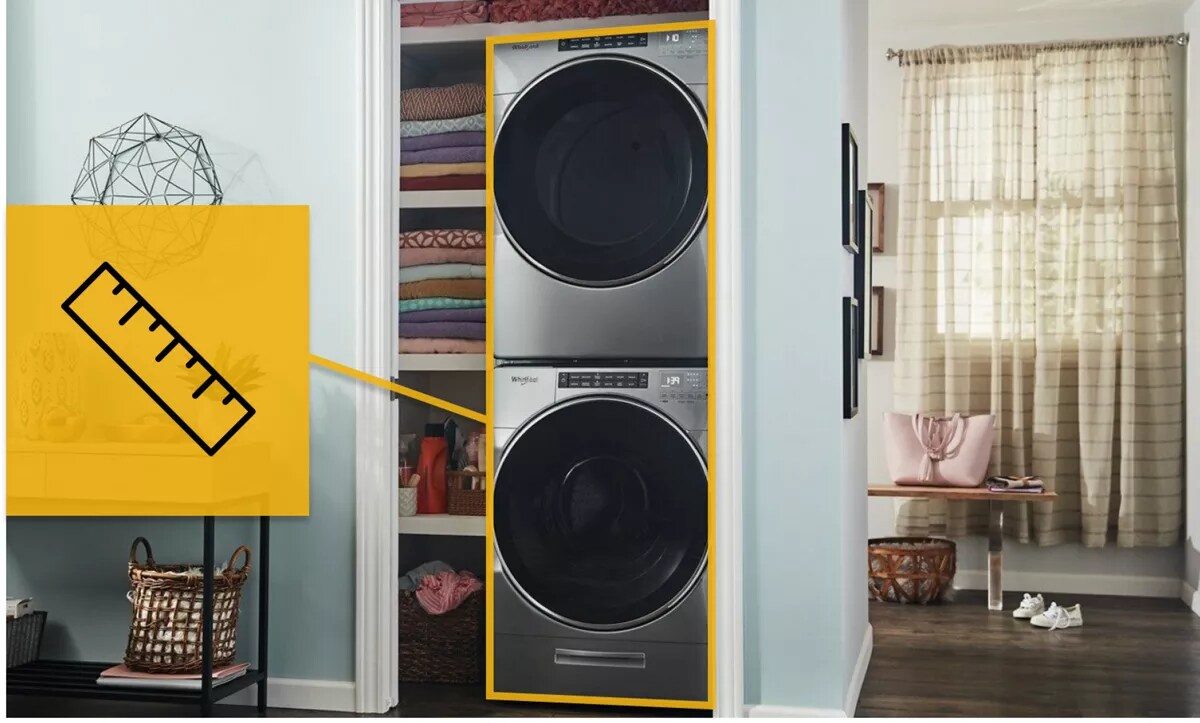
Stackable washer and dryer sets save floor space. They are great for small laundry rooms.
Each unit is usually about 24 to 27 inches wide and 24 to 30 inches deep. The combined height is about 70 inches.
| Unit | Width (inches) | Depth (inches) | Height (inches) |
|---|---|---|---|
| Washer or Dryer | 24-27 | 24-30 | 33-36 |
| Stacked Height | About 70 | ||
Measuring Your Laundry Space
Before installing a washer and dryer, you must measure the laundry area carefully. Accurate measurements help avoid fitting problems later.
Measure width, depth, and height to ensure your machines fit well. Also, allow space for ventilation and connections.
Width And Depth Requirements
Washers and dryers have different widths and depths. Most standard machines are about 27 inches wide and 30 to 34 inches deep.
- Measure the total width of the space to fit both units side by side or stacked.
- Check the depth to ensure doors can open fully without obstruction.
- Leave extra space for hoses, cords, and ventilation ducts behind the machines.
Height Considerations
Height matters for stacked washers and dryers or machines under shelves. Most washers are about 38 to 43 inches tall.
| Machine Type | Typical Height Range |
| Front-load Washer | 38–43 inches |
| Dryer | 38–43 inches |
| Stacked Units | 70–75 inches |
Allowing For Ventilation
Proper airflow keeps machines cool and prevents moisture buildup. Ventilation space is essential for safety and machine longevity.
- Leave at least 1 inch of space on the sides and back.
- Ensure vents are not blocked by walls or furniture.
- Check that exhaust vents have clear paths outdoors.
Space Planning Tips
Planning space for a washer and dryer is important for comfort and efficiency. You need enough room to move and work easily.
Good space planning helps keep your laundry area organized and neat. It also makes laundry tasks faster and less stressful.
Layout Ideas For Small Areas
Small laundry areas need smart layouts to save space. Stackable washer and dryer units are a good choice.
Placing machines side by side fits better in wider spaces. Use folding tables that can be put away when not used.
- Stack machines to save floor space
- Use side-by-side setup for wider rooms
- Add fold-down tables for folding clothes
- Keep pathways clear for easy access
Optimizing Laundry Room Flow
Good flow means moving easily between machines and storage. Put washer and dryer close but leave space to open doors.
Place laundry baskets near machines to carry clothes quickly. Keep detergent and supplies within arm’s reach.
- Leave about 2 to 3 feet in front of machines
- Keep laundry baskets near the washer
- Store detergents close to machines
- Make sure doors open without blocking walkways
Using Shelving And Storage
Shelves and storage keep the laundry room tidy. Use wall shelves above machines to save floor space.
Use baskets or bins on shelves to organize supplies. Cabinets can hide clutter and protect items from dust.
- Install shelves above washer and dryer
- Use baskets to sort laundry items
- Choose cabinets for hidden storage
- Keep heavy items low for safety
Credit: www.whirlpool.com
Installation Requirements
Installing a washer and dryer requires careful planning. You need to consider space, electrical, and plumbing needs.
Ensure your home supports the necessary infrastructure for safe and efficient operation.
Electrical And Plumbing Needs
Washer and dryer units require specific electrical and plumbing setups. Make sure you have the right outlets and water connections.
- Install a 240-volt outlet for the dryer.
- Ensure a 120-volt outlet for the washer.
- Check for hot and cold water supply lines.
- Make sure there is a waste water drain.
Ventilation And Dryer Ducts
Proper ventilation is essential for dryer efficiency. It helps prevent overheating and reduces fire risk.
Ensure your dryer duct is:
- Made of rigid metal
- Short and straight
- Free of kinks or obstructions
- Vented outside the house
Flooring And Support
Sturdy flooring is crucial for washer and dryer stability. It reduces noise and potential damage.
| Floor Type | Suitability |
| Concrete | Excellent |
| Wood | Good, with reinforcement |
| Tile | Acceptable, ensure level surface |
Choosing Between Side-by-side And Stacked
Deciding on a washer and dryer setup can be tricky. The space available often dictates the choice. Side-by-side and stacked are two popular options.
Each option has its own benefits and drawbacks. Consider space, accessibility, and aesthetics when choosing.
Space Saving Benefits
Stacked units save a lot of space. They are ideal for small laundry rooms. You can use the extra room for storage or other appliances.
Side-by-side units need more room. They work best in larger spaces. They offer more flexibility for folding or sorting laundry.
- Stacked units fit in closets or tight spaces
- Side-by-side units allow for extra workspace
- Consider ceiling height for stacked units
Accessibility Factors
Accessibility is important for everyone. Side-by-side units are easier to reach for people in wheelchairs. They require bending but offer direct access.
Stacked units can be harder to access. The top machine might be out of reach for some people. Consider who will be using the machines.
- Side-by-side units are wheelchair accessible
- Stacked units might need a step stool
- Consider the user’s height and mobility
Aesthetic Considerations
How the units look can affect your choice. Side-by-side units often look more traditional. They can be styled with cabinets or countertops.
Stacked units offer a sleek, modern look. They can fit into compact, minimalist designs. Consider how they fit with your home’s style.
- Side-by-side units offer more design flexibility
- Stacked units create a clean, vertical line
- Choose based on your home’s decor style
Credit: www.extraspace.com
Adjusting For Different Washer Types
Choosing the right space for your washer and dryer depends on the type of washer you have. Different models require different amounts of room. This guide helps you understand how to plan your laundry area better.
Knowing the size differences can save you from installation problems. It also ensures your laundry space works well and feels comfortable.
Front-load Vs. Top-load Sizes
Front-load washers are usually wider and deeper than top-load washers. They need more floor space but less clearance on top. Top-load washers are taller and need space above the machine to open the lid.
| Washer Type | Width | Depth | Height | Space Needed |
|---|---|---|---|---|
| Front-Load | 24 to 27 inches | 27 to 34 inches | 33 to 39 inches | Allow extra depth for door swing |
| Top-Load | 27 to 28 inches | 27 to 28 inches | 42 to 44 inches | Allow space above for lid opening |
High-efficiency Models
High-efficiency washers use less water and energy. They are often larger and need more room for hoses and ventilation. These models may also require special hookups.
- Allow extra space for water connections
- Ensure proper ventilation around the machine
- Check manufacturer’s space recommendations
- Plan for both washer and dryer clearance
Specialty Washers
Specialty washers include compact, portable, or stacked models. They save space but need specific measurements. Some may require custom installation or built-in cabinetry.
| Specialty Type | Typical Size Range | Installation Notes |
|---|---|---|
| Compact Washer | 18-24 inches wide | Fits small spaces, often stackable |
| Portable Washer | 20-24 inches wide | Easy to move, needs water hookup |
| Stacked Washer-Dryer | 27 inches wide | Vertical space needed, secure stacking |
Allowing Extra Space For Convenience
When planning space for a washer and dryer, extra room makes a big difference. It helps with daily chores and keeps the area safe and easy to use.
Small gaps around appliances improve comfort and allow better access for cleaning and repairs. This guide explains key space needs for your laundry setup.
Opening Doors And Drawers
Washer and dryer doors need enough space to open fully without hitting walls or other items. Drawers and detergent trays also require clearance to pull out easily.
- Leave at least 24 inches in front of the washer and dryer for door clearance.
- Allow 2 to 4 inches on the sides for drawer access and ventilation.
- Make sure the door swing does not block walkways or other appliances.
Loading And Unloading Comfort
Extra space helps with loading and unloading clothes without bending or squeezing. It also prevents clothes from falling on the floor.
| Space Type | Recommended Clearance | Reason |
| Front clearance | 24 to 36 inches | Room to stand and move laundry |
| Side clearance | 2 to 4 inches | Allows easier access to controls |
| Top clearance | 3 to 6 inches | Space for stacking or storage |
Maintenance Access
Technicians need space to move and work during repairs. Extra room behind and beside appliances makes maintenance easier and safer.
Key points for maintenance space:
- Leave 4 to 6 inches at the back for hose and vent connections.
- Allow at least 1 inch on each side for airflow and panel removal.
- Keep the area around the appliances clear of obstacles.
Common Mistakes To Avoid
Choosing the right space for your washer and dryer is important. Many people make simple mistakes that cause problems later.
Knowing what to avoid can save time and effort. It helps keep your laundry area safe and easy to use.
Underestimating Space Needs
Many people think washers and dryers take less space than they do. This mistake leads to tight spaces and hard access.
Remember to measure the width, depth, and height of both machines. Also, leave room for opening doors and moving clothes in and out.
- Check the exact size of your appliances before buying
- Allow extra space for laundry baskets and folding
- Think about future upgrades or bigger machines
Ignoring Ventilation
Dryers need good airflow to work safely and well. Ignoring ventilation can cause heat buildup and humidity problems.
A proper vent helps remove hot air and moisture. Avoid placing the dryer where airflow is blocked or limited.
- Use a vent that matches the dryer’s size and type
- Keep vents clean and free from dust and lint
- Check local codes for venting rules and safety
Overlooking Appliance Clearance
Clearance is the space around the washer and dryer. Skipping this step causes noise, vibration, and damage risks.
Appliances need space to operate without touching walls or each other. Clearance also helps with maintenance and repairs.
- Leave at least one inch of space on each side
- Give extra room behind for hoses and cords
- Follow the manufacturer’s clearance instructions
Custom Solutions For Unique Spaces
Finding space for a washer and dryer can be hard in small or odd rooms. Custom solutions help fit laundry appliances in unusual places.
This guide shows ideas for built-in cabinets, closet laundry areas, and portable units. Each option uses space smartly.
Built-in Cabinets
Built-in cabinets hide washers and dryers inside walls or custom furniture. This keeps the room neat and saves floor space.
- Measure your appliances before building cabinets.
- Allow space for doors to open fully.
- Include ventilation to prevent moisture build-up.
- Add shelves for detergent and supplies.
Closet Laundry Areas
Closets can become compact laundry areas with the right setup. Stackable washers and dryers work well here.
| Space Feature | Recommended Size | Notes |
| Width | At least 30 inches | Fits most stackable units |
| Depth | About 30 inches | Allows door clearance |
| Height | Minimum 70 inches | Accommodates stacked appliances |
Portable Units
Portable washers and dryers move easily. They work well in small homes without fixed laundry rooms.
Benefits of portable units:
- No permanent installation needed
- Fits under counters or in closets
- Easy to store when not in use
- Uses regular water faucets

Credit: www.housebeautiful.com
Frequently Asked Questions
How Much Space Do I Need For A Washer And Dryer?
You need a minimum of 30 inches in width and 30 inches in depth. Height clearance should be around 70 inches for most models. Always check your appliance specs for exact measurements before installation.
What Is The Ideal Floor Space For Laundry Appliances?
A combined washer and dryer typically require a 60-inch wide space. Depth should be at least 30 inches to accommodate machines and hookups. Allow extra room for ventilation and door clearance.
Can I Fit A Washer And Dryer In A Small Closet?
Yes, compact stackable units fit well in closets about 24 inches wide. Ensure proper ventilation and access to water and electrical connections. Measure carefully to avoid installation issues.
How Much Clearance Is Needed Around Washer And Dryer?
Leave 1 to 2 inches on each side for ventilation and vibration. At least 6 inches of space behind appliances is needed for hoses and cords. This prevents overheating and allows easy maintenance.
Conclusion
Choosing the right space for your washer and dryer matters a lot. Small areas can work if planned well. Allow enough room for doors to open fully. Leave space for ventilation and easy maintenance. Measure your machines before buying to avoid tight fits.
Remember, a good setup makes laundry easier and faster. A neat laundry space saves time and stress. Keep these tips in mind for the best results.