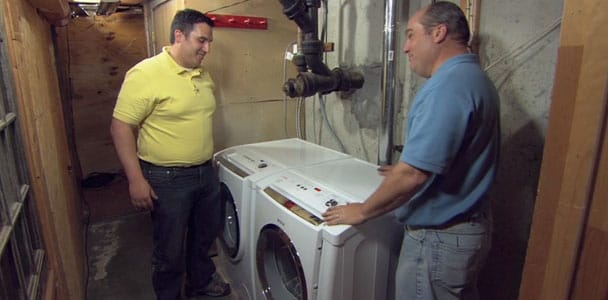
Are you tired of juggling laundry loads between your washer and dryer? Installing a washer dryer combo can save you time, space, and hassle.
But if the thought of setting it up feels overwhelming, don’t worry—you’re in the right place. This guide will walk you through every simple step to get your washer dryer up and running quickly and safely. By the end, you’ll have the confidence to handle the installation yourself and enjoy the convenience of clean, dry clothes without the extra trips.
Ready to take control of your laundry routine? Let’s dive in!
Choosing The Right Washer Dryer
Finding the right washer dryer can save you time and space. It also helps you do laundry more efficiently.
Consider your needs before buying. Think about the types, features, and size that fit your home.
Types Of Washer Dryers
There are mainly three types of washer dryers: combo units, stackable units, and separate machines. Each type suits different spaces and laundry habits.
- Combo Units:Wash and dry clothes in one machine. Good for small spaces.
- Stackable Units:Separate washer and dryer stacked vertically. Saves floor space.
- Separate Machines:Individual washer and dryer. Offers more capacity and flexibility.
Key Features To Consider
Look at important features that make laundry easier. These include energy efficiency, wash cycles, and drying options.
| Feature | Benefit |
| Energy Efficiency | Reduces power bills and saves environment |
| Wash Cycles | Allows cleaning different fabrics properly |
| Drying Options | Offers various heat settings for delicate clothes |
| Noise Level | Important for homes with kids or close neighbors |
| Smart Controls | Enables remote operation and notifications |
Size And Space Requirements
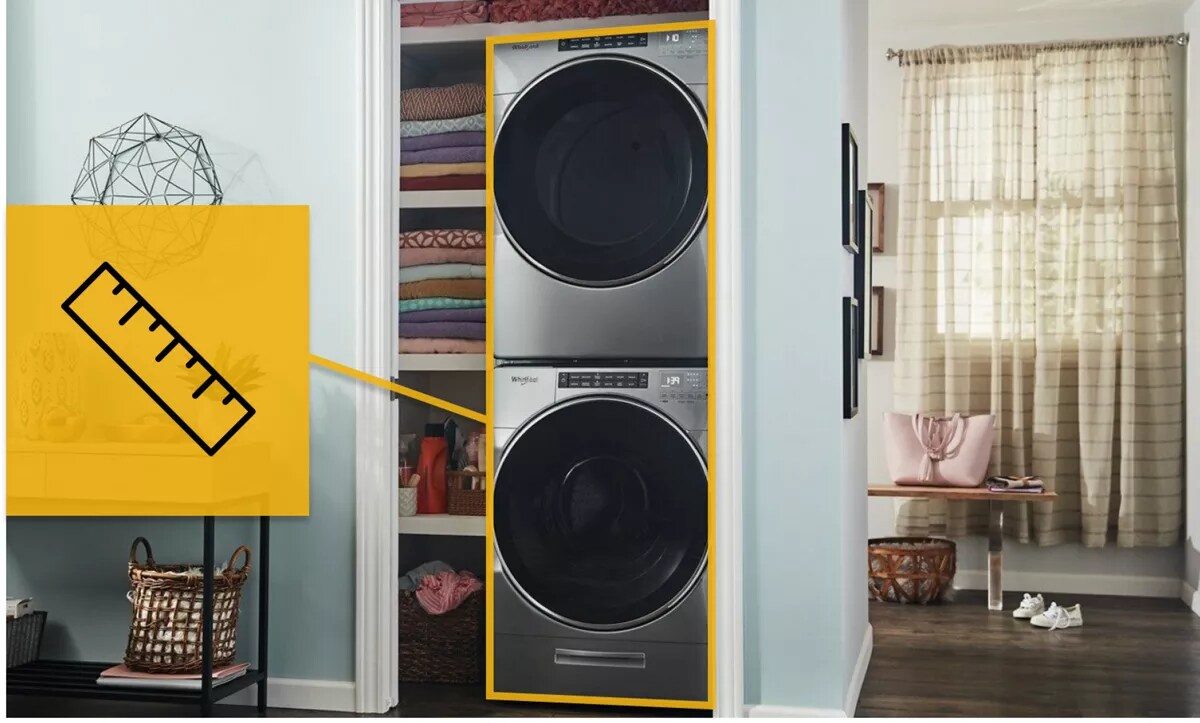
Measure your laundry area before buying. Make sure the washer dryer fits and has room to open doors and vents.
- Check the width, height, and depth of the machine
- Allow extra space for ventilation and connections
- Consider door opening direction and clearance
- Think about your laundry load size when choosing capacity

Credit: www.youtube.com
Preparing The Installation Area
Before installing your washer dryer, prepare the space carefully. This helps avoid problems later.
Check the area for size, power, water, and air flow. Proper setup keeps your machine safe and working well.
Measuring The Space
Measure the height, width, and depth of the spot where you want to place the washer dryer. Leave extra room for air and moving parts.
- Measure width and depth of the floor space.
- Check height from floor to ceiling.
- Allow at least 2 inches of space on each side.
- Leave space behind for hoses and cords.
Checking Electrical And Water Connections
Make sure power and water supplies match the washer dryer needs. Check sockets and faucets for the right type and location.
| Connection | Requirement | Notes |
| Electrical Outlet | 220-240V, grounded | Use dedicated circuit |
| Water Supply | Hot and Cold taps | Check for leaks |
| Drainage | Nearby drain pipe | Must be secure and clear |
Ensuring Proper Ventilation
Good air flow prevents heat and moisture buildup. It helps the dryer work better and stops mold growth.
- Check for vents near the installation area.
- Do not block air intake or exhaust.
- Keep space around the machine clear.
- Use vent hoses if needed for drying.
Tools And Materials Needed
Installing a washer dryer requires some basic tools and materials. Having them ready makes the process easier and safer.
Below are the essential tools and extra supplies needed to complete your installation smoothly.
Essential Tools
These tools help you connect and secure your washer dryer properly. Make sure you have each item before you start.
- Adjustable wrench for tightening connections
- Screwdriver set for removing panels and securing screws
- Level to ensure the machine sits flat
- Drill with drill bits for mounting brackets or holes
- Measuring tape to check space and hose lengths
- Pliers for gripping and bending small parts
- Bucket or towels for water spills
Additional Supplies
These supplies support the installation and make sure your washer dryer works well and stays safe.
| Supply | Purpose | Notes |
|---|---|---|
| Water supply hoses | Connects washer to water source | Use new hoses to avoid leaks |
| Drain hose | Removes wastewater from the machine | Check length fits your drain |
| Hose clamps | Secures hoses to fittings | Prevents water leaks |
| Electrical outlet | Powers the washer dryer | Should match machine’s plug type |
| Anti-vibration pads | Reduces noise and movement | Optional but helpful on hard floors |

Credit: www.familyhandyman.com
Unpacking And Inspecting The Unit
Installing a washer dryer starts with careful unpacking. This step helps avoid damage and ensures the unit works well.
Take your time to check the unit before setup. Early inspection can save you from future problems.
Removing Packaging Safely
Clear enough space around the box before unpacking. Use a sharp cutter to open the packaging carefully.
Cut only the tape and avoid deep cuts that can scratch the unit. Remove all packing materials gently.
- Place the box on a flat surface.
- Cut tape along the edges slowly.
- Lift the unit out with help if it is heavy.
- Remove all foam and plastic covers.
Checking For Damages
Look at the washer dryer closely for dents or scratches. Check the front, sides, and back of the unit.
Make sure no parts are loose or broken. Report any damage to the seller before installation.
- Check the control panel for cracks.
- Inspect the door and seals for tears.
- Look inside the drum for dents or marks.
- Verify all accessories and manuals are included.
Connecting Water Supply
Connecting the water supply to your washer dryer is essential. Proper connections ensure efficient operation.
Follow the steps to attach hoses and secure connections. This prevents leaks and maintains smooth function.
Attaching Inlet Hoses
Inlet hoses connect your washer dryer to the water supply. Check for the right size and type.
- Locate cold and hot water taps.
- Attach the blue hose to the cold tap.
- Connect the red hose to the hot tap.
- Ensure hoses are tightened securely.
Securing Connections To Prevent Leaks
Leaks can cause damage and waste water. Secure connections carefully.
Use a wrench to tighten fittings but avoid over-tightening.
Inspect connections for drips after turning on the water.
| Check Point | Action Required |
| Connection Tightness | Use a wrench |
| Hose Condition | Look for cracks or wear |
| Water Flow | Test for leaks |
Credit: www.whirlpool.com
Setting Up Drainage
Setting up drainage is a key part of installing your washer dryer. Proper drainage stops water leaks and damage.
Follow simple steps to connect the drain hose and position it for good water flow.
Connecting Drain Hose
Attach the drain hose securely to the washer dryer’s drain outlet. Use a clamp to keep it tight.
Make sure the hose is not kinked or twisted. This allows water to flow out easily.
- Slide hose end over the drain outlet
- Use a hose clamp and tighten it
- Check hose for bends or twists
- Replace damaged hoses immediately
Positioning For Effective Water Flow
Place the drain hose so water flows smoothly out of the machine. Keep the hose end above floor level.
A hose too low or pressed against the floor can cause water to back up or spill.
- Keep hose end at least 30 inches above the floor
- Secure hose to prevent it from moving
- Use a standpipe or laundry tub for drainage
- Ensure no sharp bends or dips in the hose
Electrical Hookup
Connecting your washer dryer correctly is crucial for safety. Ensure all hookups follow guidelines.
Read on to understand safe electrical connections and power needs.
Plugging In Safely
Always plug your washer dryer into a grounded outlet. This prevents electrical hazards.
- Ensure the outlet is easily accessible.
- Do not use extension cords.
- Check for any visible damages on cords.
Understanding Power Requirements
Know the power needs of your appliance. This ensures it operates efficiently without overloading circuits.
| Appliance | Voltage | Amperage |
| Washer Dryer Combo | 240V | 30A |
| Standard Dryer | 240V | 30A |
| Standard Washer | 120V | 15A |
Leveling The Washer Dryer
Leveling your washer dryer is important for its proper function. A level machine helps avoid noise and damage.
Use simple tools and steps to make sure the washer dryer sits evenly on the floor.
Adjusting Feet For Stability
Most washer dryers have adjustable feet to change their height. You can turn these feet to raise or lower each corner.
Turn the feet until the washer dryer feels stable and does not rock side to side or front to back.
- Check all four feet touch the floor firmly
- Turn feet clockwise to lower the machine
- Turn feet counterclockwise to raise the machine
- Make small adjustments until stable
Checking With A Level Tool
Use a level tool to check if the washer dryer is perfectly horizontal. Place the level on top of the machine.
Look at the bubble in the level to see if it is centered. Adjust the feet until the bubble is in the middle.
- Place the level front to back
- Place the level side to side
- Adjust feet to center the bubble each way
- Recheck stability after adjusting
Running Initial Tests
After installing your washer dryer, you need to check if it works correctly. Running initial tests helps find problems early.
These tests include doing a test wash and inspecting for leaks or strange noises. Follow these steps carefully.
Performing A Test Wash
Start a test wash to ensure the machine runs smoothly. Use a small load with no clothes inside.
- Plug in the washer dryer and turn on the water supply.
- Select a short wash cycle with cold water.
- Start the cycle and watch the machine carefully.
- Check that the drum fills with water and spins properly.
- Make sure the drain pumps out the water at the end.
Checking For Leaks And Noise
Look for leaks and listen for unusual sounds during the test wash. These issues can cause damage if not fixed.
| Check Area | What to Look For | Possible Cause |
|---|---|---|
| Water Inlets and Hoses | Water dripping or pooling | Loose connections or damaged hoses |
| Drain Hose | Water leaking at the drain | Improper hose placement or cracks |
| Drum and Door Seal | Water escaping from the door | Worn or misaligned door seal |
| Machine Noise | Loud banging or grinding sounds | Unbalanced load or faulty motor parts |
Maintenance Tips For Longevity
Keeping your washer dryer in good shape helps it last longer. Simple care routines prevent damage and save money.
This guide covers regular cleaning and how to fix common problems. Follow these tips to keep your machine running well.
Regular Cleaning
Cleaning your washer dryer stops dirt build-up and keeps it fresh. Clean the filters and drum often for best results.
- Wipe the drum and door seal with a damp cloth
- Remove and clean the lint filter after each use
- Use a washing machine cleaner monthly
- Check and clean detergent dispensers regularly
- Leave the door open after use to air dry
Troubleshooting Common Issues
Some problems happen often but are easy to fix. Knowing how to spot and fix these stops bigger damage.
| Issue | Cause | Solution |
| Machine won’t start | Power or door not closed | Check power and close door firmly |
| Water not draining | Clogged drain or pump | Clean drain hose and pump filter |
| Excess vibration | Uneven floor or loose parts | Level machine and tighten bolts |
| Clothes still wet | Overloaded or faulty spin cycle | Reduce load size and rerun spin |
Frequently Asked Questions
How Do I Prepare The Space For Washer Dryer Installation?
Clear the area, ensure a flat surface, and check nearby power outlets. Also, verify water supply and drainage access before starting installation.
What Tools Are Needed To Install A Washer Dryer?
You’ll need a wrench, screwdriver, pliers, level, and possibly a drill. These tools help connect hoses, secure the appliance, and ensure proper alignment.
How Do I Connect Water Supply To A Washer Dryer?
Attach the hot and cold water hoses to corresponding faucets. Tighten securely to avoid leaks, then connect the other end to the machine’s valves.
Can I Install A Washer Dryer Without Professional Help?
Yes, if you follow the manual carefully and have basic plumbing and electrical skills. For complex setups, professional help is recommended to avoid damage.
Conclusion
Installing a washer dryer can save space and time. Follow the steps carefully for the best results. Check all connections to avoid leaks or damage. Test the machine before using it fully. Regular maintenance helps your appliance last longer. Enjoy the convenience of washing and drying in one place.
This simple setup makes laundry easier at home. Keep your space neat and your clothes fresh.