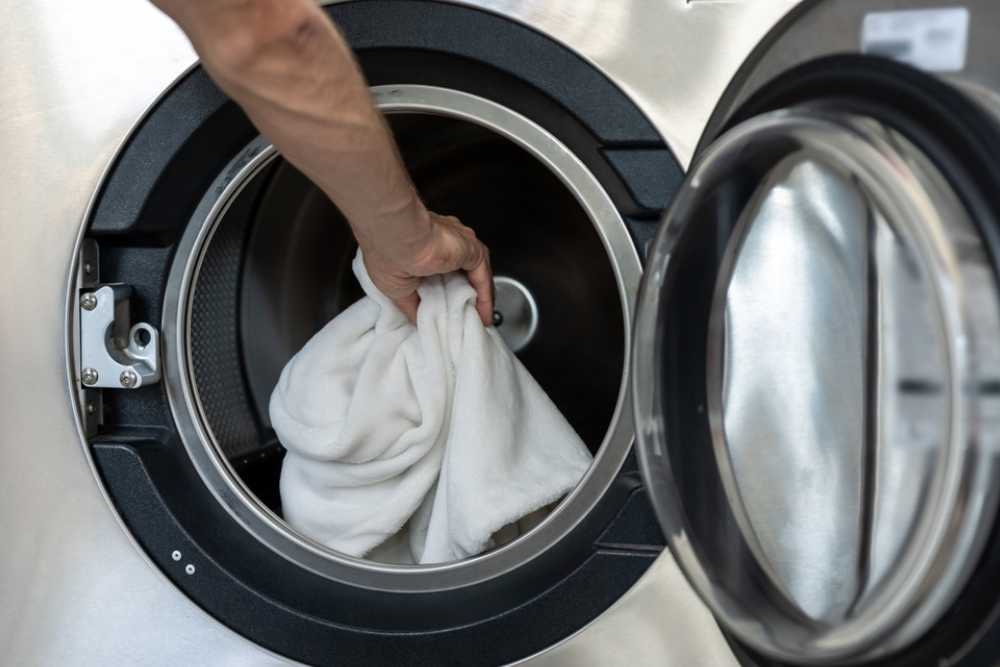
Wondering how long your washer dryer will last? You’re not alone.
Knowing the lifespan of this appliance can save you money and stress. Imagine avoiding unexpected breakdowns right when you need it most. You’ll discover the typical lifespan of washer dryers, signs your machine is nearing the end, and tips to make it last longer.
Keep reading to protect your investment and keep your laundry running smoothly.
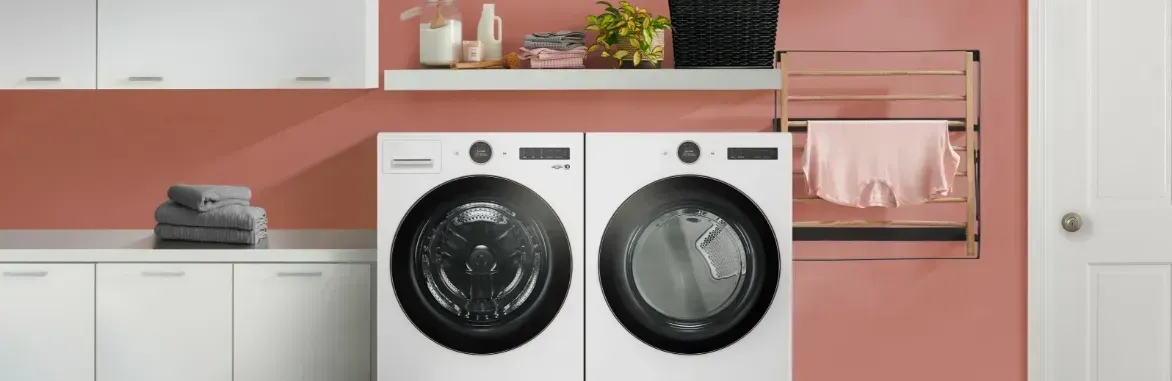
Credit: www.kellyshomecenter.com
Washer Dryer Lifespan Basics
Washer dryers combine washing and drying in one machine. Many people wonder how long these machines last.
Knowing the lifespan helps you plan for repairs or replacement. It also helps you get the best value for your money.
Average Lifespan Range
On average, washer dryers last between 8 and 12 years. This depends on the brand and how often you use it.
| Type | Average Lifespan |
|---|---|
| Washer Dryer Combo | 8 to 12 years |
| Separate Washer and Dryer | 10 to 15 years |
Factors Affecting Longevity
Many factors affect how long your washer dryer lasts. These can change the lifespan by several years.
- Usage frequency: More use means more wear.
- Maintenance: Regular cleaning and care extend life.
- Water quality: Hard water can damage parts.
- Load size: Overloading strains the machine.
- Brand and model: Some brands last longer than others.
- Installation quality: Proper setup prevents early issues.
Types Of Washer Dryers
Washer dryers come in different types to fit various needs and spaces. Knowing the types helps you choose the right one for your home.
Each type has its own features and lifespan. This guide explains the main types of washer dryers.
Front Load Models
Front load washer dryers have a door on the front to load clothes. They use less water and energy than top load models.
These models clean clothes gently and dry efficiently. They usually last 10 to 15 years with good care.
Top Load Models
Top load washer dryers open from the top. They are easier to load without bending down.
These models may use more water and energy. Their lifespan is about 8 to 12 years on average.
Ventless Vs Vented
Vented washer dryers release hot air outside through a vent. They dry clothes faster and use less energy.
Ventless models do not need a vent. They use condensation to dry clothes but may take longer.
- Vented models need an outside vent for air
- Ventless models work well in small spaces
- Ventless units may have a shorter lifespan due to complex parts
Signs Of Wear And Tear
Washer dryers can last many years, but signs of wear and tear appear over time. These signs help you know when parts need attention or replacement.
Knowing the common issues can save you from bigger problems. Look for these signs to keep your appliance working well.
Common Mechanical Issues
Mechanical problems often show first in your washer dryer. Parts can wear down or break, causing trouble during use.
- Loud noises during cycles
- Drum not spinning properly
- Water leaks under the machine
- Door latch that won’t close securely
- Vibrations or shaking when running
Performance Decline Indicators
Your washer dryer’s performance may drop as it ages. Clothes may come out wetter or dirtier than before.
| Indicator | Description | Possible Cause |
| Longer cycle times | Washing or drying takes more time | Worn motor or sensors |
| Poor drying results | Clothes stay damp after cycle | Heating element failure |
| Clothes still dirty | Stains and dirt remain after wash | Faulty pump or detergent dispenser |
| Frequent error codes | Machine stops with error messages | Electrical or sensor issues |
Maintenance Tips To Extend Life
Washer dryers are useful appliances that need care to last long. Proper maintenance helps avoid problems and costly repairs.
Simple habits can keep your washer dryer working well for many years. Here are some tips to extend its life.
Regular Cleaning Routines
Cleaning your washer dryer regularly stops dirt and lint from building up. This keeps the machine running smoothly.
Wipe down the drum, door seals, and detergent drawer. Clean the lint filter after each drying cycle to prevent blockages.
- Use mild soap and water for cleaning
- Check and clean the drain pump filter monthly
- Leave the door open after use to dry the drum
Avoiding Overloading
Do not put too many clothes in the washer dryer at once. Overloading strains the motor and parts.
Follow the machine’s capacity limits. Clothes need space to move for proper washing and drying.
- Sort laundry by weight and fabric type
- Load smaller amounts for heavy fabrics
- Balance the load evenly inside the drum
Proper Installation Practices
Install your washer dryer on a flat, stable surface. Proper setup helps prevent damage and noise.
Make sure water and electrical connections are secure. Follow the manufacturer’s instructions closely.
- Use a level to check the appliance position
- Connect water hoses tightly to avoid leaks
- Ensure the power outlet matches the machine’s voltage
When To Repair Or Replace
Washer dryers usually last about 8 to 12 years. Knowing when to fix or replace them saves money and time. Some problems need quick repair, while others mean it is time to buy new.
Look at repair costs and energy use before deciding. These factors help you choose the best option for your home and budget.
Cost Of Repairs Vs New Units
Repairing a washer dryer can be cheaper at first. But if the repair cost is over half the price of a new unit, replacement is better. Old parts can fail soon after repair, costing more money.
- Check the repair estimate before deciding.
- Compare repair cost with new unit price.
- Consider how long the machine has been used.
- Think about the warranty on new machines.
- Factor in labor and parts costs.
Energy Efficiency Considerations
| Factor | Old Washer Dryer | New Washer Dryer |
| Energy Use | High | Low |
| Water Use | High | Low |
| Operating Cost per Year | $120 | $70 |
| Environmental Impact | More | Less |
| Technology Features | Basic | Advanced |
New washer dryers use less energy and water. This lowers bills and helps the environment. Older models cost more to run and may lack useful features.
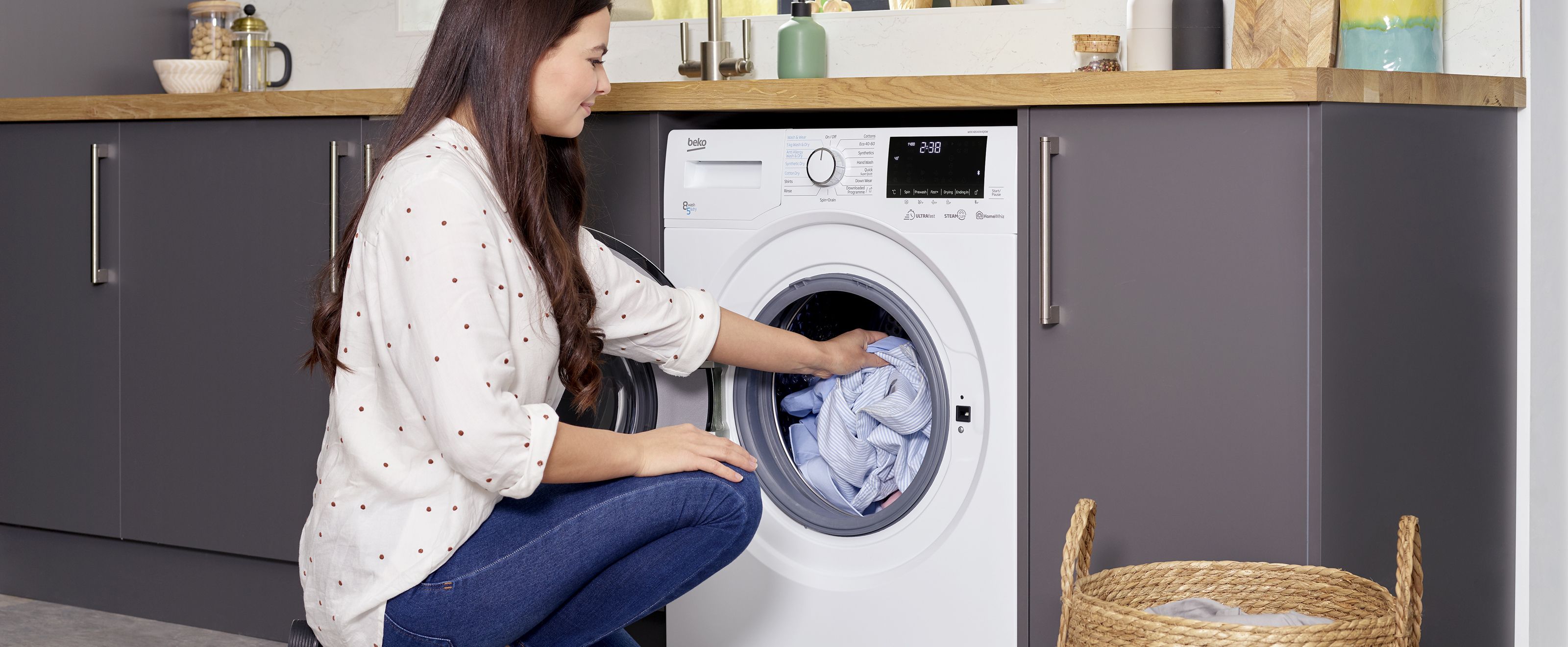
Credit: www.beko.co.uk
Latest Trends In Washer Dryer Technology
Washer dryers are evolving with new technologies. These advances make laundry easier and more efficient.
Smart features and energy-saving innovations are key trends. They help save time and reduce energy costs.
Smart Features
Smart features in washer dryers offer great convenience. You can control them using your smartphone.
These machines can send alerts when a cycle ends. Some even suggest the best settings for your clothes.
- Remote control through mobile apps
- Cycle status notifications
- Customized wash settings
Energy Saving Innovations
Energy saving is important in modern washer dryers. New models use less water and electricity.
They have sensors to adjust water levels. This helps in using only what is needed for each load.
- Low water usage
- Efficient power consumption
- Automatic load detection
Credit: www.consumerreports.org
Frequently Asked Questions
How Long Do Washer Dryers Typically Last?
Washer dryers usually last between 8 to 12 years. Proper maintenance can extend their lifespan. Usage frequency also affects durability.
What Factors Affect Washer Dryer Lifespan?
Factors include build quality, usage habits, maintenance, and water quality. Regular cleaning and timely repairs help increase longevity.
When Should I Replace My Washer Dryer?
Replace it when repair costs exceed 50% of a new unit’s price. Frequent breakdowns or poor performance also indicate replacement time.
How Can I Extend My Washer Dryer’s Life?
Clean filters, avoid overloading, use recommended detergents, and schedule regular servicing. Proper use reduces wear and prevents damage.
Conclusion
Washer dryers usually last about 8 to 12 years with good care. Regular cleaning and proper use help extend their life. Avoid overloading your machine to prevent damage. Choosing a quality model can also improve durability. Remember, timely repairs keep your appliance working well.
Small steps make a big difference in lifespan. Think of your washer dryer as an important home helper. Treat it well, and it will serve you longer. This way, you save money and avoid early replacements. Simple habits lead to lasting performance and peace of mind.