
Are you unsure whether to add fabric softener to your washer or dryer? You’re not alone.
Many people wonder where to put it to get the best results. Using fabric softener the right way can make your clothes softer, fresher, and longer-lasting. But if you get it wrong, you might end up with sticky residue or less effective softness.
Keep reading to discover the simple steps that will help your laundry routine feel easier and your clothes feel better every time.
Fabric Softener Basics
Fabric softener helps make clothes feel softer and smell fresh. It works by coating fibers in your clothes. This makes them smoother and less stiff after washing.
Choosing the right fabric softener and using it correctly can improve your laundry results. Understanding what fabric softener does and the types available is important.
What Fabric Softener Does
Fabric softener has several effects on your laundry. It helps reduce static cling, making clothes less sticky. It also makes fabrics feel softer and easier to iron. The softener adds a light fragrance to your clothes, leaving them smelling clean.
- Reduces static electricity in clothes
- Makes fabric feel softer and smoother
- Eases ironing and folding
- Adds a fresh scent to laundry
Types Of Fabric Softeners
There are several types of fabric softeners. Each one works in a different way and suits different laundry needs. Some come as liquids, while others are dryer sheets or beads.
| Type | Description | How to Use |
| Liquid Softener | Added during the rinse cycle in the washer | Pour into washer softener dispenser |
| Dryer Sheets | Used in the dryer to reduce static and add scent | Place in dryer with wet clothes |
| Fabric Softener Beads | Added to the washer to release scent gradually | Pour directly into the washer drum |
Using Fabric Softener In The Washer
Fabric softener makes clothes feel softer and smell fresh. You add it during the washing cycle, not the drying cycle.
Using fabric softener correctly helps protect your clothes and keeps them comfortable to wear.
Where To Add It In The Washer
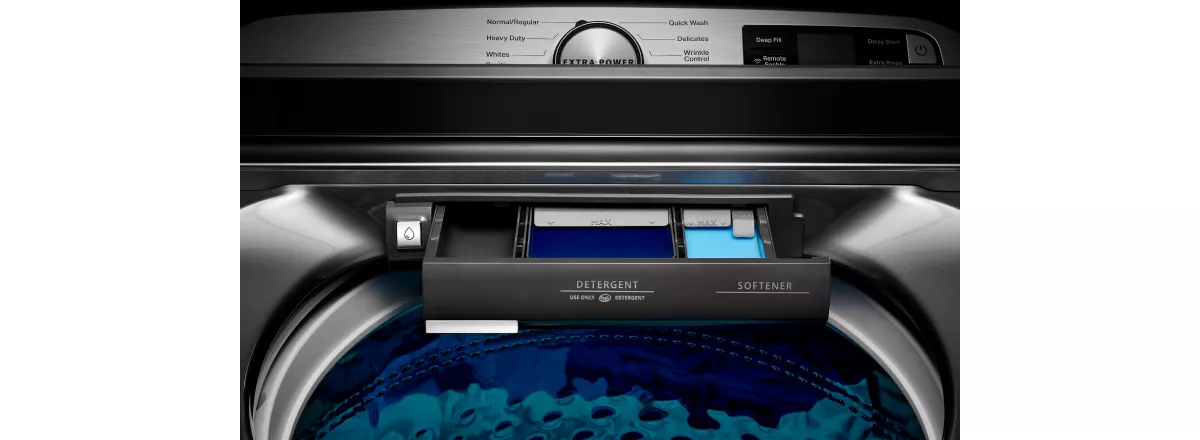
Most washers have a special compartment for fabric softener. It releases the softener at the right time in the wash cycle.
Look for a small drawer or cup labeled for fabric softener. It is usually separate from the detergent area.
- Do not pour fabric softener directly on clothes
- Use the fabric softener compartment in the detergent drawer
- Check your washer manual if unsure where to add it
Best Washer Settings For Fabric Softener
Use a normal or gentle wash cycle to protect your clothes and allow the fabric softener to work well.
Cold or warm water is best. Hot water can reduce the effectiveness of fabric softener.
- Select a cycle with a rinse phase to release softener properly
- Avoid extra-long cycles that may waste the softener
- Use the recommended amount of fabric softener for your load size
Common Mistakes To Avoid
Adding fabric softener at the wrong time can make clothes sticky or damaged. Avoid these mistakes for best results.
- Do not put fabric softener in the washing machine drum directly
- Avoid using fabric softener on towels and athletic wear
- Do not overfill the fabric softener compartment
- Never mix fabric softener with bleach or detergent
Using Fabric Softener In The Dryer
Many people wonder if they can use fabric softener in the dryer instead of the washer. Fabric softeners help make clothes soft and reduce static. Using them in the dryer is possible but needs care.
This guide explains how dryer sheets work, compares them to liquid softeners, and gives safety tips for dryer use.
Dryer Sheets Vs. Liquid Softener
| Feature | Dryer Sheets | Liquid Softener |
| Use Location | Placed in dryer with clothes | Added to washer during rinse cycle |
| Softening Method | Coats clothes with softening agents | Penetrates fabric during wash |
| Static Control | Effective in dryer | Less effective in dryer |
| Scent | Strong, lasts after drying | Milder, fades after drying |
| Residue Risk | Can leave film in dryer | May cause washer buildup |
How Dryer Sheets Work
Dryer sheets release softening agents when heated. These agents coat fabric fibers to reduce stiffness. They also reduce static cling by neutralizing electrical charges.
- Heat activates the softening chemicals on the sheet
- The sheet moves with clothes to spread softener evenly
- Softener reduces friction between fibers
- Static electricity is lowered, so clothes do not stick together
Safety Tips For Dryer Use
Using fabric softener in the dryer needs caution. Dryer sheets can leave a waxy build-up. This can reduce dryer efficiency and cause odors.
- Do not overload the dryer to allow sheets to move freely.
- Use dryer sheets as directed on the package.
- Clean the lint filter after each use to prevent residue build-up.
- Occasionally wipe the dryer drum with a damp cloth to remove softener film.
- Avoid using dryer sheets on moisture-wicking or flame-resistant fabrics.

Credit: lakeappliancerepair.com
Comparing Washer And Dryer Methods
Fabric softener is a common laundry product. People often wonder if it goes in the washer or dryer.
This guide compares using fabric softener in the washer and dryer. It explains their effects on clothes and the environment.
Effectiveness Of Each Method
Adding fabric softener to the washer helps spread it evenly during the rinse cycle. It softens clothes well and reduces static.
Dryer sheets are used in the dryer. They add softness and cut static too. But the effect may be less even than liquid softener.
- Washer softener mixes with water for full fabric coverage
- Dryer sheets work by heat and tumbling action
- Washer softener often lasts longer on clothes
- Dryer sheets provide quick static control
Impact On Fabric Longevity
Liquid fabric softener in the washer can keep fibers soft and reduce wear. It helps clothes last longer.
Dryer sheets may leave a residue that builds up over time. This can reduce fabric breathability and weaken fibers.
- Washer softener protects fibers during washing
- Dryer sheets may cause buildup on clothes
- Softener use can reduce fabric stiffness
- Overuse of dryer sheets can harm fabric quality
Environmental Considerations
Liquid fabric softeners may contain chemicals that affect water quality. Use eco-friendly brands for less impact.
Dryer sheets create waste after each use. They add to landfill and may release chemicals in the air.
- Eco-friendly softeners reduce water pollution
- Dryer sheets are single-use and create waste
- Using less softener helps protect the environment
- Air drying clothes saves energy and reduces impact
Alternatives To Fabric Softener
Fabric softeners make clothes feel soft and smell nice. Some people want natural or homemade options instead. These alternatives can be safer for skin and the environment.
Here are some easy alternatives you can try at home. They help keep clothes soft without using commercial fabric softeners.
Natural Softeners
Natural softeners use simple ingredients to make clothes soft. They avoid harsh chemicals found in store-bought products. These options are gentle and eco-friendly.
- White vinegar helps remove detergent residue and softens fabric.
- Baking soda balances pH and reduces stiffness in clothes.
- Wool dryer balls naturally soften clothes and reduce drying time.
- Almond or coconut oil lightly applied can soften fabrics without stains.
Diy Fabric Softener Recipes
You can make your own fabric softener with a few household items. These recipes are easy, cheap, and safe for most fabrics.
- Mix 1 cup white vinegar with 1 cup water. Add a few drops of essential oil for scent.
- Combine ½ cup baking soda with 1 cup warm water. Stir until dissolved.
- Use 3 wool dryer balls in the dryer. Add a few drops of essential oil on each ball.
- Mix 2 cups water, 2 cups white vinegar, and ½ cup baking soda for a strong softener.
Use these mixtures in the washer’s softener dispenser or during the rinse cycle. Adjust amounts depending on load size.
Credit: www.lisabronner.com
Troubleshooting Fabric Softener Issues
Fabric softeners can make clothes feel soft and smell good. But sometimes, they cause problems like residue, stains, or allergies.
Learn how to solve these issues to keep your laundry fresh and clean. Follow the tips in each section below.
Preventing Residue Build-up
Residue can make clothes feel sticky or stiff. It’s important to prevent build-up for the best results.
- Use the correct amount of fabric softener as per the package instructions.
- Clean the washer dispenser regularly to remove any residue.
- Consider diluting fabric softener with water before adding it to the washer.
Fixing Stains From Softener
Sometimes, fabric softener leaves stains on clothes. These stains can be tricky but are removable with care.
| Step | Action |
| 1 | Rewash the stained items without fabric softener. |
| 2 | Use a stain remover on the affected areas. |
| 3 | Check the care label for washing instructions. |
Dealing With Allergies
Some people may have allergic reactions to fabric softeners. These reactions can cause skin irritation or itching.
Credit: www.maytag.ca
Frequently Asked Questions
Where Should I Put Fabric Softener In The Washer?
Fabric softener should be added to the washer’s designated dispenser. This ensures it releases during the rinse cycle for best results. Avoid pouring it directly on clothes to prevent stains or uneven softening.
Can Fabric Softener Be Used In The Dryer?
No, fabric softener is not meant for the dryer. It’s designed for the washing machine to soften fabrics during rinsing. Dryer sheets or dryer balls are the proper alternatives for use in the dryer.
What Happens If Fabric Softener Is Added To The Dryer?
Adding fabric softener to the dryer can cause stains and residue on clothes. It may also damage the dryer’s interior or reduce its efficiency. Always use dryer sheets specifically made for the dryer instead.
Does Fabric Softener Work Better In Front-load Or Top-load Washers?
Fabric softener works well in both front-load and top-load washers. The key is to use the washer’s softener dispenser correctly. It releases the softener at the optimal rinse cycle timing in both machine types.
Conclusion
Fabric softener belongs in the washer, not the dryer. Add it to the right dispenser for best results. It helps clothes feel soft and smell fresh. Putting fabric softener in the dryer can damage clothes and machines. Always read the labels on your detergent and softener.
This keeps your laundry routine safe and effective. Small steps make a big difference in laundry care. Remember, the washer is the place for fabric softener. Your clothes will thank you for it.