Have you ever pulled your favorite shirt out of the washer only to find its colors running all over your other clothes? It’s frustrating and can ruin your entire laundry load.
You might be wondering, do colors bleed in the washer or the dryer? Knowing the answer can save you time, money, and your beloved clothes. You’ll discover exactly why colors bleed, when it happens, and how to stop it from ruining your laundry.
Keep reading to protect your wardrobe and keep your clothes looking fresh and vibrant every time.
Credit: www.caldwellandgregory.com
Why Colors Bleed
Colors bleed when dyes come loose from fabric fibers during washing or drying. This can cause colors to run and stain other clothes.
Understanding why colors bleed helps you protect your clothes and keep colors bright.
Fabric Types And Dye Quality
Some fabrics hold dye better than others. Natural fibers like cotton and wool often release dye more easily than synthetic fibers.
- Cotton: absorbs dye deeply but can bleed if not fixed well
- Polyester: holds dye tightly, less likely to bleed
- Silk: delicate, may bleed if dyed poorly
- Wool: can bleed if dyed with unstable dyes
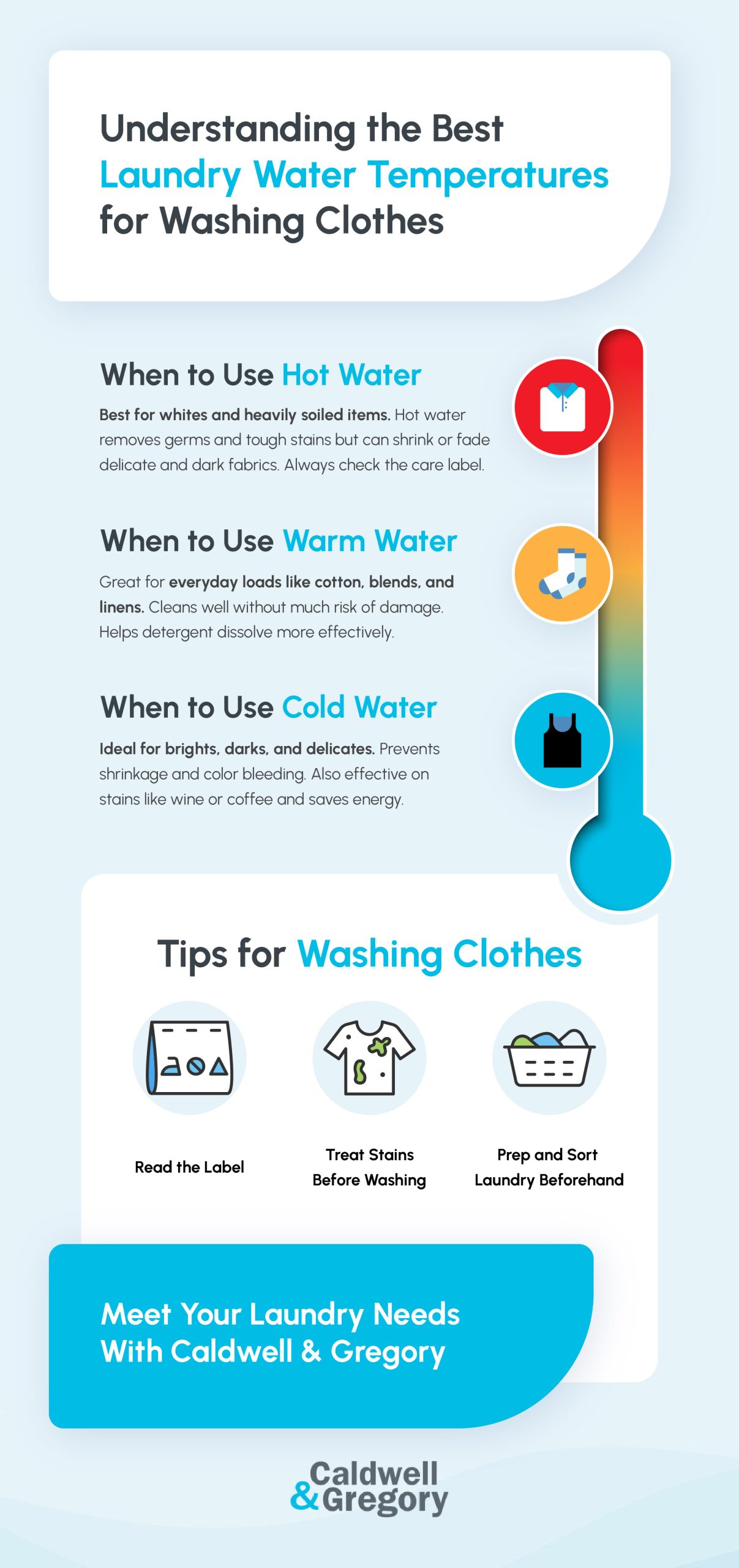
Water Temperature Effects
Water temperature affects dye release from fabrics. Hot water can loosen dye more than cold water.
| Water Temperature | Effect on Dye |
| Cold (Below 80°F) | Less dye release, safer for colors |
| Warm (80°F – 110°F) | Moderate dye release, some risk of bleeding |
| Hot (Above 110°F) | High dye release, more color bleeding |
Detergents And Chemicals
Detergents and washing chemicals can affect how colors bleed. Some chemicals break down dyes and cause bleeding.
Common causes of color bleeding from detergents and chemicals include:
- Harsh detergents with strong enzymes
- Bleach or bleach alternatives
- Fabric softeners that weaken dye bonds
- High pH detergents that damage fabric fibers
Bleeding In Washer Vs Dryer
Colors can bleed from clothes during washing or drying. This can cause stains on other fabrics. Knowing how washing and drying affect colors helps protect your clothes.
Washing and drying use different processes. These processes change how colors move from one fabric to another. It is important to understand these differences.
How Washing Causes Color Transfer
Washing uses water and detergent to clean clothes. Water can cause dyes to loosen and mix with other fabrics. This is the main way colors bleed in the washer.
Fabrics rub together in the washer. This friction helps dyes leave one fabric and stick to another. Hot water can make dyes bleed more.
- Water loosens dye from fabric
- Detergent can break down some dyes
- Friction moves dye to other clothes
- Hot water increases color bleeding
Dryer Heat Impact On Fabrics
Dryers use heat and tumbling to dry clothes. Heat can make dyes run, but less often than water. If colors bleed in the dryer, it is usually from heat affecting fabric dyes.
Dryer sheets and high heat can weaken fabric fibers. This makes it easier for dye to transfer. Overdrying clothes may also cause color fading or bleeding.
- Heat can loosen dye in some fabrics
- Tumbling causes friction between clothes
- High heat weakens fabric fibers
- Dryer sheets may affect color fastness
Signs Of Color Bleeding
Color bleeding happens when dye from one fabric runs and stains others. It can spoil your clothes and make them look old.
Knowing the signs helps you catch the problem early. This guide shows common signs of color bleeding in the washer or dryer.
Visible Stains And Discoloration
One clear sign of color bleeding is visible stains on your clothes. These stains may look like smudges or patches of a different color.
- Dark or bright colors leave marks on lighter fabrics.
- White or light clothes may have colored spots or streaks.
- Stains often appear after washing or drying.
- Discoloration can happen in small or large areas.
Faded Or Dull Clothes
Faded colors or dullness is another sign of color bleeding. When dyes run, fabrics lose their original brightness and look worn out.
| Effect | Cause | Appearance |
| Color Fading | Dye loss during washing | Colors look lighter than before |
| Dullness | Dye mixing with other fabrics | Colors lose shine and depth |
| Uneven Color | Partial dye bleeding | Patchy or blotchy areas on fabric |

Credit: www.maytag.com
Prevention Tips For Washing
Colors can bleed during washing or drying. This can ruin your clothes. Taking simple steps helps keep colors bright and clothes safe.
Follow these tips to stop colors from running in your washer or dryer. They make laundry easier and protect your clothes.
Sorting Clothes By Color
Always sort clothes before washing. Separate whites, darks, and bright colors. This reduces color transfer between fabrics.
- Sort whites and light colors together
- Keep dark colors like black and navy separate
- Wash new bright clothes separately the first few times
- Check labels for colorfastness warnings
Using Cold Water Washes
Cold water helps keep colors from bleeding. It is gentle on fabrics and saves energy. Use cold water for most colored clothes.
Warm or hot water can cause dyes to release. Cold water stops this and keeps clothes looking new longer.
Choosing The Right Detergent
Use detergents made for colored clothes. These detergents protect dyes and clean well without stripping colors.
| Detergent Type | Best For | Key Feature |
|---|---|---|
| Color-safe detergent | Bright and dark clothes | Prevents color fading |
| Mild detergent | Delicate fabrics | Gentle on fibers |
| Regular detergent | Whites and light colors | Strong cleaning power |
Pre-treating New Clothes
New clothes may bleed color in the first few washes. Pre-treat them to reduce bleeding and keep colors stable.
- Soak new clothes in cold water with a cup of salt for 30 minutes
- Wash new items separately the first 2–3 times
- Use vinegar in the rinse cycle to fix colors
- Check for colorfastness by rubbing fabric with a white cloth
Dryer Precautions
Dryers can cause colors to fade or bleed if not used carefully. Taking precautions helps keep clothes bright and fresh.
Using the right dryer settings and products protects your clothes from damage. Learn how to dry clothes safely.
Avoid Overdrying
Overdrying clothes can cause colors to fade and fabric to weaken. It also increases the risk of color bleeding.
Set your dryer to a low or medium heat and use the timer wisely. Remove clothes when they are just dry.
- Use moisture sensors if your dryer has them
- Check clothes early to avoid extra drying time
- Separate heavy and light items for better drying control
Use Color-safe Dryer Sheets
Color-safe dryer sheets help protect fabric colors during drying. They reduce static and keep clothes soft.
Choose dryer sheets labeled safe for colored clothes. Avoid using sheets that contain bleach or strong chemicals.
- Look for sheets designed for color protection
- Use one sheet per load for best results
- Do not mix color-safe sheets with bleach products
Air-drying Delicates
Delicate and brightly colored clothes can bleed or get damaged in the dryer. Air-drying is safer for these items.
Hang delicate clothes in a shaded area to dry. This method keeps colors intact and fabric in good shape.
- Use a drying rack or clothesline
- Avoid direct sunlight to prevent fading
- Reshape clothes while damp for best results
Credit: www.maytag.com
Quick Fixes For Bleeding Clothes
Color bleeding in laundry is a common issue. It can affect the look of your clothes. Quick fixes can help restore them.
Try these methods to prevent or fix color bleeding. They are easy to follow and can save your favorite garments.
Rinsing And Rewashing
Rinsing clothes in cold water helps remove excess dye. This can prevent further bleeding.
- Rinse clothes in cold water immediately after noticing bleeding.
- Use a gentle detergent for rewashing.
- Air dry the clothes to avoid heat damage.
Using Color Removers
Color removers can effectively treat bleeding clothes. They work by lifting unwanted dyes from fabrics.
| Product | Use |
| Color Run Remover | Follow package instructions for best results |
| Oxygen-based Bleach | Safe for colors, use as directed |
Home Remedies To Restore Color
Home remedies can also help in restoring color to your clothes. They are easy and cost-effective solutions.
- Add a cup of vinegar to the rinse cycle.
- Use salt to lock in colors during washing.
- Try a baking soda rinse for natural color restoration.
Long-term Care For Colorful Clothes
Caring for colorful clothes ensures they remain vibrant. Proper care can prevent colors from bleeding.
Taking a few extra steps can help maintain the beauty of your garments. Let’s explore some methods.
Proper Storage Methods
Storing your clothes correctly can prolong their life. Avoid dark, damp places to prevent color damage.
- Use breathable garment bags for delicate items
- Fold sweaters and knits to prevent stretching
- Store clothes away from direct sunlight
Regular Maintenance Washes
Washing your clothes regularly keeps them fresh. Use cold water to help colors stay bright.
| Fabric Type | Wash Temperature |
| Cotton | Cold |
| Polyester | Warm |
| Wool | Cold |
Avoiding Sun Damage
Sunlight can fade your clothes over time. It’s best to dry clothes in the shade when possible.
Frequently Asked Questions
Do Colors Bleed More In The Washer Or Dryer?
Colors primarily bleed in the washer due to water and agitation. The dryer’s heat can set stains but rarely causes bleeding. Washing in cold water reduces color bleeding significantly.
How Can I Prevent Colors From Bleeding In Laundry?
Wash new clothes separately in cold water. Use color-catching sheets and avoid overloading the washer. Promptly remove clothes and dry properly to prevent bleeding and fading.
Does Fabric Type Affect Color Bleeding In Washing?
Yes, natural fibers like cotton bleed more than synthetic fibers. Fabric dyes and quality also impact bleeding. Always check care labels for washing instructions to minimize color loss.
Can Hot Water Cause Colors To Bleed In Clothes?
Hot water can loosen dyes, increasing color bleeding risks. Cold water washing is safer for colored clothes, preserving vibrancy and preventing dye transfer during laundry.
Conclusion
Colors can bleed in both washers and dryers, but more often in washers. Hot water and strong detergents make colors run faster. Sorting clothes by color helps stop bleeding. Washing new clothes separately is a smart idea. Using cold water keeps colors brighter longer.
Dryers can cause color fading but rarely cause bleeding. Always check care labels to protect your clothes. Simple steps save your favorite outfits from color damage. Keep colors bright and clothes looking fresh with these tips. Easy habits make laundry safer for all your garments.