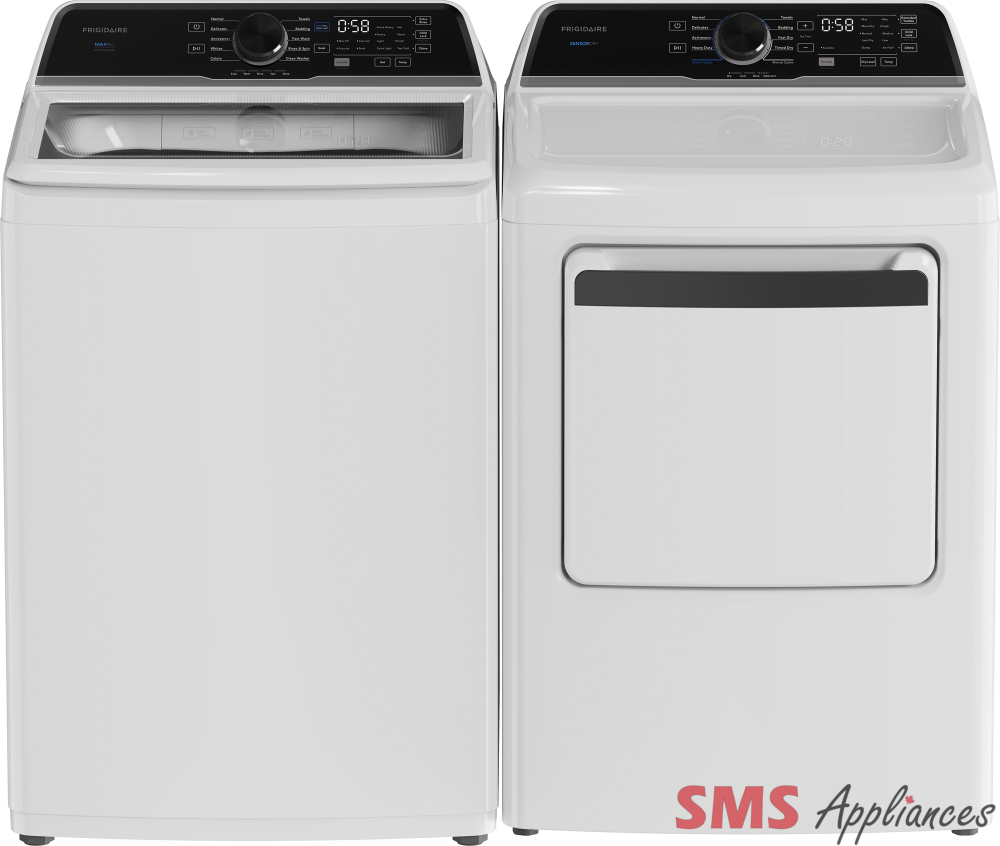
Are you planning to move your washer and dryer but unsure how heavy they really are? Knowing the weight of these appliances can save you from unexpected struggles and help you prepare better.
Whether you’re lifting, transporting, or just curious, understanding their weight is key to avoiding injury and making smart decisions. Keep reading, and you’ll discover exactly how heavy your washer and dryer might be—and get useful tips to handle them safely.

Credit: www.frigidaire.ca
Average Washer Weights
Washers come in many types and sizes. Their weight can affect moving and installation.
Knowing the average weight helps you plan for delivery and space needs.
Top-load Washers
Top-load washers are common in many homes. They usually weigh between 125 and 150 pounds.
- Basic models weigh around 125 pounds
- Heavy-duty models can weigh up to 150 pounds
- Weight depends on size and motor type
Front-load Washers
Front-load washers are heavier than top-load types. They weigh from 150 to 200 pounds on average.
| Model | Weight Range (pounds) |
| Compact Front-Load | 150 – 160 |
| Standard Front-Load | 160 – 190 |
| Heavy-Duty Front-Load | 190 – 200 |
Compact Washers
Compact washers are smaller and lighter. They usually weigh between 85 and 110 pounds.
Factors affecting compact washer weight:
- Material of the drum
- Size of the motor
- Additional features like steam cleaning
Average Dryer Weights
Dryers come in many sizes and types. Their weight can affect where you place them in your home.
Knowing the average weight helps with moving and installation. It also helps to choose the right support.
Electric Dryers
Electric dryers are common in many homes. They use electricity to heat and dry clothes.
These dryers usually weigh between 100 and 150 pounds. The weight depends on the model and size.
- Standard size: about 120 pounds
- Larger models: up to 150 pounds
- Smaller models: closer to 100 pounds
Gas Dryers
Gas dryers use natural gas or propane for heat. They need a gas line connection.
Gas dryers tend to be heavier than electric ones. They usually weigh between 120 and 160 pounds.
- Average weight: around 130 pounds
- Heavier due to gas components
- Large gas dryers can weigh up to 160 pounds
Compact Dryers
Compact dryers are smaller and lighter. They fit well in small spaces.
These dryers weigh between 50 and 90 pounds. They are easier to move and install.
- Small size: about 50 pounds
- Medium compact dryers: up to 70 pounds
- Heavier compact models: near 90 pounds
Factors Affecting Weight
The weight of a washer and dryer depends on several key factors. These factors influence how heavy the machines are.
Understanding these factors helps when moving or installing the appliances.
Materials Used
The materials in washers and dryers affect their total weight. Metal parts add more weight than plastic ones.
Steel frames and drums are heavier but last longer. Plastic parts help reduce weight but may not be as strong.
- Steel drum increases weight
- Plastic panels reduce weight
- Aluminum parts are lighter than steel
- Insulation inside dryers adds extra weight
Capacity And Size
Larger washers and dryers with bigger capacity weigh more. Size affects the weight directly.
Full-size machines are heavier than compact or portable models.
- Small machines weigh less than 100 pounds
- Medium capacity machines weigh around 150-200 pounds
- Large capacity machines can weigh over 200 pounds
Additional Features
Extra features add parts that increase weight. Features like steam, extra motors, and sound insulation add mass.
Some dryers have heavy gas burners or electric heating elements that add weight.
- Steam generators add weight
- Extra motors increase mass
- Soundproofing materials add weight
- Gas dryers are often heavier than electric ones
Weight Considerations For Installation
Washers and dryers vary in weight depending on their size and model. Knowing their weight helps plan for a safe and proper installation. This guide covers important factors to consider before placing these appliances in your home.
Weight affects the floor support needed, how you move the machines, and the space required around them. Each factor plays a role in avoiding damage and ensuring smooth operation.
Floor Support
Washers and dryers can weigh between 150 and 300 pounds. Floors must hold this weight safely. Older homes or upper floors may need extra support. Check floor strength before installation to prevent damage or accidents.
| Appliance Type | Average Weight | Floor Support Needed |
| Washer | 150 – 250 lbs | Strong, level floor |
| Dryer | 125 – 200 lbs | Stable, vibration-resistant |
| Stacked Units | 275 – 450 lbs | Reinforced support |
Transport And Handling
Moving a heavy washer or dryer requires care to avoid injury or damage. Use proper tools and techniques to handle these appliances safely.
- Use a dolly or hand truck with straps
- Get help when lifting heavy units
- Clear the path to the installation area
- Protect floors with blankets or boards
- Keep machines upright during transport
Space Requirements
Weight also impacts where you place the washer and dryer. They need enough space for ventilation and access. The floor must handle their weight plus any vibrations during use.
- At least 1 inch on each side
- 4 to 6 inches behind for hoses and vents
- Open space in front for door clearance
Tips For Moving Washers And Dryers
Washers and dryers are heavy and bulky appliances. Moving them needs planning and care to avoid damage.
Knowing the right tools and safety steps helps make the move easier and safer.
Tools And Equipment
You need special tools to move washers and dryers safely. These tools protect the appliances and help you carry the weight.
- Dolly or hand truck to lift and roll appliances
- Straps to secure the washer or dryer on the dolly
- Moving blankets to protect surfaces from scratches
- Work gloves to protect your hands
- Wrench or pliers to disconnect water hoses and power cords
Safety Precautions
Washers and dryers can weigh over 150 pounds. Use safe methods to avoid injuries and damage.
Always disconnect water and power before moving. Clear the path and use proper lifting techniques.
- Ask for help if the appliance is too heavy
- Lift with your legs, not your back
- Wear closed shoes and gloves
- Keep the appliance upright to avoid damage
- Check for water leaks before moving
Hiring Professionals
Professional movers have experience and tools to move heavy appliances safely. They reduce risks of damage and injury.
Hiring experts can save time and effort. They know how to protect your floors and walls during the move.
- Look for movers with appliance moving experience
- Ask about insurance for damages
- Get a clear price estimate before hiring
- Schedule the move to fit your timeline

Credit: www.frigidaire.ca
Credit: www.costco.ca
Frequently Asked Questions
How Heavy Is An Average Washing Machine?
An average washing machine weighs between 150 to 200 pounds. Front-load washers tend to be heavier than top-load models. Weight varies based on size, materials, and features. This helps in planning installation and transport safely.
What Is The Weight Of A Typical Dryer?
A typical dryer weighs around 125 to 150 pounds. Electric dryers are generally heavier than gas dryers. Weight depends on drum size, motor, and construction materials. Knowing this aids in proper handling and setup.
How Much Do Portable Washers And Dryers Weigh?
Portable washers and dryers weigh approximately 50 to 70 pounds. They are designed to be lightweight for easy movement and storage. This makes them ideal for small spaces or temporary use. Their weight affects portability and installation options.
Does Washer And Dryer Weight Affect Delivery Cost?
Yes, washer and dryer weight directly impacts delivery costs. Heavier units require special handling and may increase shipping fees. Knowing the weight helps estimate total delivery expenses. It also ensures proper equipment is used during transport.
Conclusion
Washers and dryers vary in weight depending on size and type. Most washers weigh between 150 and 250 pounds. Dryers usually weigh a bit less, around 100 to 200 pounds. Knowing these weights helps plan moving or installation. It also ensures safety during handling.
Always check the product details before buying or moving. This makes the process easier and safer for everyone. Understanding appliance weight saves time and effort. Simple steps lead to smooth laundry room setup.