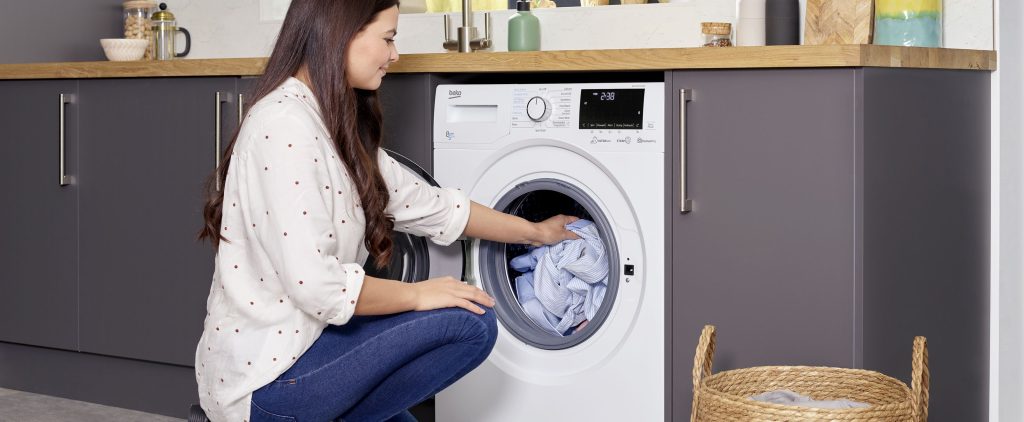
Are you tired of juggling separate machines for washing and drying your clothes? Imagine a single device that takes care of both tasks effortlessly, saving you time, space, and energy.
But how exactly does an all in one washer dryer work, and can it really simplify your laundry routine? You’ll discover the clever technology behind these machines and learn why they might be the perfect solution for your home. Keep reading to find out how this smart appliance can transform the way you handle laundry every day.
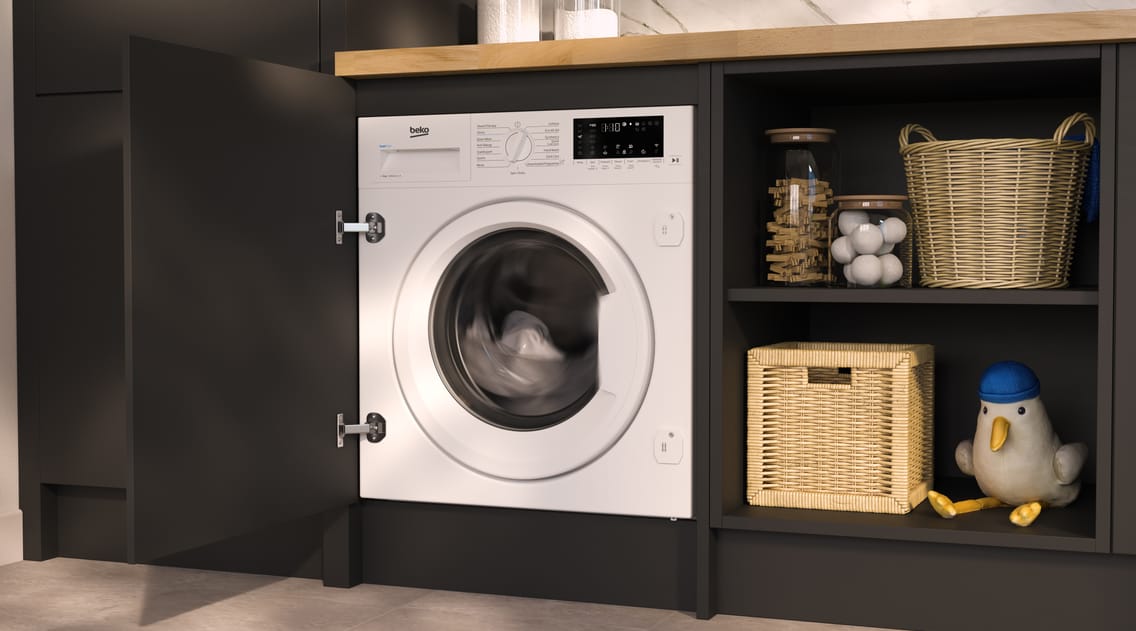
Credit: www.beko.co.uk
Design And Components
An all in one washer dryer combines washing and drying in a single machine. It saves space and time in homes.
These machines have special parts that let them wash clothes and dry them without moving laundry between machines.
Key Parts Of An All In One Washer Dryer
The machine has important parts that help it clean and dry clothes effectively. Each part plays a specific role.
- Drum:Holds clothes during washing and drying.
- Water Inlet Valve:Controls water flow into the machine.
- Heating Element:Warms air for drying clothes.
- Drain Pump:Removes water after washing.
- Motor:Spins the drum for washing and drying.
- Control Panel:Lets users choose wash and dry settings.
- Condensation System:Removes moisture from air during drying.
How Washing And Drying Compartments Interact
The washer dryer uses one drum for both washing and drying. It switches between these modes smoothly.
After washing, the machine drains water, then heats air to dry clothes inside the same drum. The drying air removes moisture and pumps it out.
- Washing: Water fills the drum, and the motor spins clothes to clean them.
- Draining: Water is pumped out after washing finishes.
- Drying: Heated air blows through the drum to dry clothes.
- Condensing: Moisture is collected and drained away.
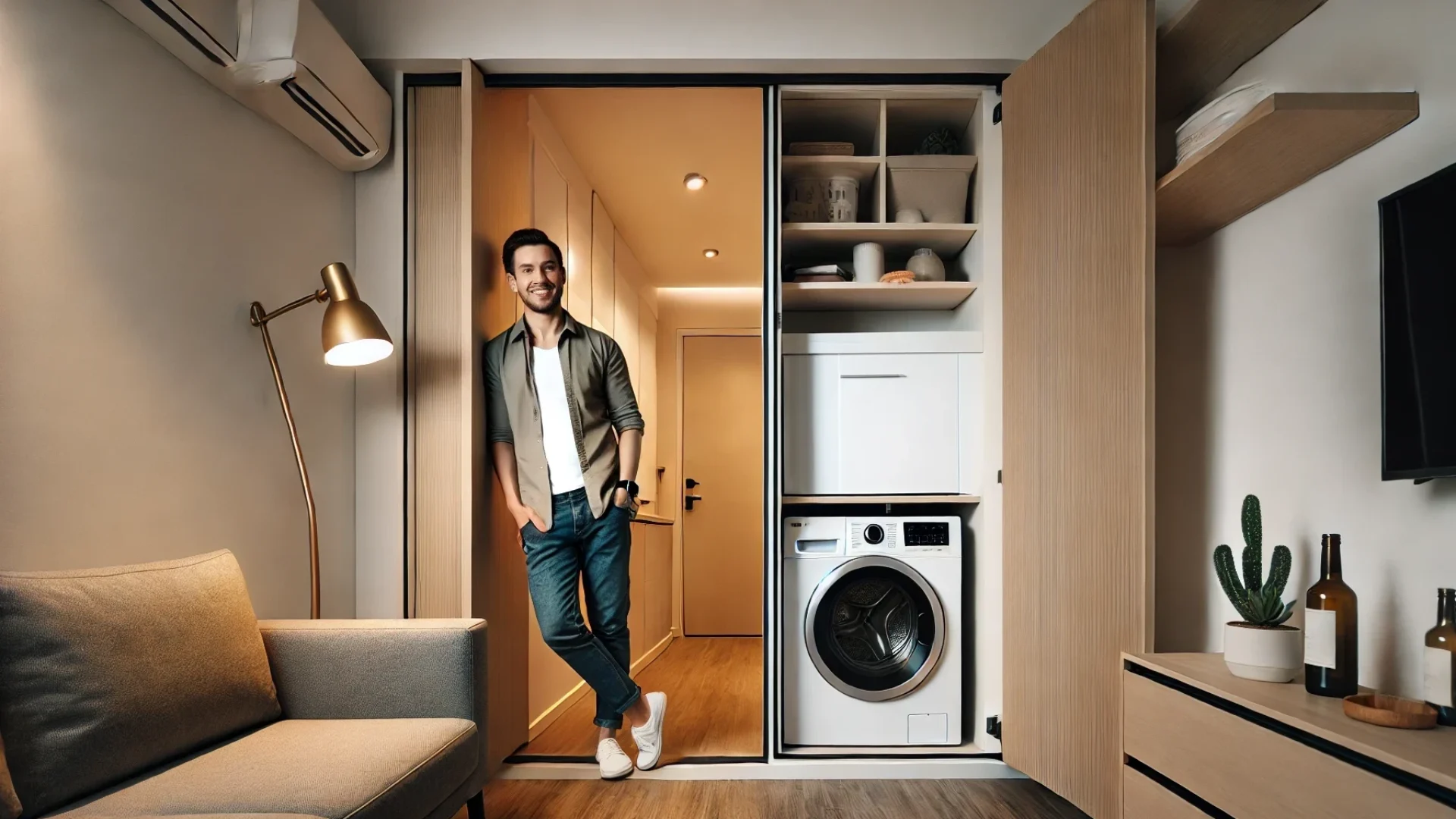
Credit: www.searshomeservices.com
Washing Process
An all-in-one washer dryer handles washing and drying in the same machine. It starts with washing clothes using water and detergent. The machine cleans clothes by moving them in water.
The washing process has several parts. Each part helps clean clothes well and prepare them for drying.
Water Inlet And Detergent Dispensing
The machine fills with water through a water inlet valve. This valve controls how much water enters the drum. The water mixes with detergent to clean clothes.
Detergent is added automatically from a dispenser drawer. The dispenser releases detergent at the right time during the wash cycle.
- Water inlet valve controls water flow
- Detergent drawer holds soap or liquid detergent
- Detergent is released during washing
Agitation And Cleaning Mechanisms
The drum moves clothes to clean them. This motion is called agitation. It helps remove dirt and stains from fabrics.
Some machines use a rotating drum. Others use a pulsator or impeller to move clothes. Water and detergent flow through clothes to clean deeply.
- Drum or impeller moves clothes
- Agitation helps loosen dirt
- Water and detergent clean fabric fibers
Drainage And Spin Cycle
After washing, the machine drains dirty water through a drain pump. This removes soap and dirt from the drum.
The spin cycle follows drainage. The drum spins fast to remove excess water from clothes. This step shortens drying time.
- Drain pump removes dirty water
- Spin cycle extracts water from clothes
- Faster drying after spinning
Drying Process
An all in one washer dryer cleans and dries clothes in one machine. The drying process removes water from wet clothes. It uses heat and air movement to dry clothes fast.
Different parts of the machine work together to dry clothes well. These include heating, moisture removal, and air handling systems.
Heat Generation Methods
The machine creates heat to dry clothes. It uses electric heating elements or sometimes gas. The heat warms the air inside the drum.
Warm air helps water evaporate from the clothes. The machine controls heat to keep clothes safe and dry evenly.
- Electric heating elements heat the air directly.
- Gas heating uses a small burner for warmth.
- Some models use heat pumps to save energy.
Moisture Extraction Techniques
After heating, the machine removes moisture from clothes. It uses spinning and air flow to pull water out. The wet air leaves the drum.
Many machines spin fast to push water out by force. Then warm air carries remaining moisture away from clothes.
- High-speed spinning extracts water from fabric.
- Warm air evaporates the moisture.
- Continuous airflow removes wet air from the drum.
Ventilation And Condensation
The machine handles wet air using ventilation or condensation. Some models vent wet air outside. Others cool air to collect water.
Ventilation machines need a vent pipe. Condenser dryers collect water in a tank or drain it out. Both ways keep clothes dry and prevent moisture buildup.
- Vent dryers push moist air outside through a pipe.
- Condenser dryers cool air to turn moisture into water.
- Collected water goes to a tank or drain.
Efficiency Features
All in one washer dryer units save both energy and space. They combine washing and drying in one machine.
These machines use smart features to reduce water, power, and time during laundry cycles.
Energy And Water Saving Technologies
Washer dryer combos use special systems to save water and electricity. They adjust the water level to the load size.
Energy-efficient motors and sensors help cut power use. This reduces your utility bills and environmental impact.
- Variable water levels for small or large loads
- Efficient motor designs that use less electricity
- Quick heating elements that reduce drying time
Sensor-based Cycle Adjustments
Sensors detect how dirty clothes are and adjust washing time. They also check moisture to stop drying early.
This smart system prevents over-washing and over-drying. It saves energy and protects clothes from damage.
- Soil sensors control washing duration
- Moisture sensors stop drying when clothes are dry
- Automatic cycle changes to fit the load
Space And Time Optimization
These machines fit in small spaces since they combine two appliances. This is great for small homes.
They save time by washing and drying clothes in one go. You don’t need to move clothes between machines.
- Compact design fits in tight areas
- Single drum for washing and drying
- Continuous cycle saves user effort and time
Common Benefits
An all-in-one washer dryer combines the functionality of a washing machine and a dryer. This appliance can save space and offer convenience in homes with limited room.
With its dual function, it can handle both washing and drying tasks, making laundry days simpler and quicker.
Convenience Of Combined Functions
The all-in-one washer dryer allows users to wash and dry clothes in one continuous cycle. This means no need to transfer clothes between machines.
- Space-saving design for small apartments
- Time-saving with combined wash and dry cycles
- Reduced manual handling of laundry
Ideal Use Cases And Settings
This appliance is perfect for urban settings where space is at a premium. It suits individuals or small families who need a compact solution for their laundry needs.
| Setting | Benefit |
| Small apartments | Space-efficient |
| RVs and mobile homes | Portable convenience |
| Offices | Quick laundry for staff |
Maintenance And Longevity Tips
To ensure the longevity of your all-in-one washer dryer, regular maintenance is key. Keeping the appliance clean and following manufacturer guidelines can extend its lifespan.
- Clean the lint filter after each cycle
- Run a monthly cleaning cycle with vinegar
- Check hoses for leaks regularly
Limitations To Consider
An all in one washer dryer combines two machines in one. It saves space and is convenient for small homes.
Still, this type of machine has some limits you should know. These limits affect how you use it and how long it lasts.
Load Size And Cycle Duration
All in one washer dryers usually have smaller drum sizes. You can wash less laundry in one load than separate machines.
The drying cycle takes longer because it uses the same drum to dry clothes. This means you spend more time on laundry.
- Wash smaller loads to avoid overloading
- Expect longer drying times compared to separate dryers
- Plan laundry with these time limits in mind
Potential Wear And Tear Factors
Using one machine for both washing and drying can cause more wear. The parts work harder and heat affects the machine.
Regular use may lead to faster breakdowns or the need for repairs. Proper care and maintenance are important to keep it working well.
- Frequent drying can wear out seals and belts
- Heating elements may need replacement sooner
- Check and clean filters regularly to avoid damage
Comparing With Separate Units
Separate washer and dryer units usually handle larger loads faster. Each machine is built for one task, so they may last longer.
All in one units save space but may not match the speed and capacity of separate machines. They also may need more care.
| Feature | All in One Washer Dryer | Separate Washer and Dryer |
|---|---|---|
| Load Capacity | Smaller loads | Larger loads |
| Cycle Time | Longer drying | Shorter drying |
| Space Needed | Less space | More space |
| Wear and Tear | Higher risk | Lower risk |

Credit: sparkservice.us
Frequently Asked Questions
How Does An All In One Washer Dryer Save Space?
An all in one washer dryer combines washing and drying in one unit. This eliminates the need for separate machines. It’s ideal for small homes or apartments. It saves floor space and reduces clutter effectively.
Can All In One Washer Dryers Handle Large Loads?
Most all in one washer dryers handle medium loads well. However, very large loads may reduce drying efficiency. Check the model’s capacity before purchase. Proper load size ensures optimal washing and drying performance.
How Long Does A Wash And Dry Cycle Take?
A typical wash and dry cycle takes 2 to 4 hours. Time varies by model, load size, and selected settings. Some units offer quick wash or dry options. Always refer to your appliance manual for exact times.
Are All In One Washer Dryers Energy Efficient?
Many all in one washer dryers are designed to be energy efficient. They use less water and electricity compared to separate units. Energy ratings vary by model, so check labels before buying. Efficient models help reduce utility bills.
Conclusion
An all in one washer dryer saves space and time in your home. It washes and dries clothes in one machine. You only need one power connection and one water hookup. This makes laundry easier for small spaces or busy lives.
The machine uses sensors to adjust cycles for the best results. It also helps reduce energy and water use. Choosing the right model depends on your needs and budget. Overall, an all in one washer dryer offers convenience and efficiency for everyday laundry tasks.
Simple and practical.