
Have you ever wondered how much power your washer and dryer really use? Knowing the watts these machines consume can help you save money on your energy bill and make smarter choices for your home.
If you’re curious about your appliances’ energy use or want to cut down on electricity costs, this article is made just for you. Keep reading to discover the surprising facts about your washer and dryer’s power needs and how you can take control of your energy usage today.

Credit: www.gerritsappliances.com
Washer Energy Basics
Understanding how many watts a washer uses helps save energy and money. Washers run on electricity, and their power use varies by model and cycle.
Knowing the basics of washer energy use can guide you to choose efficient appliances and reduce your electric bill.
Average Wattage Of Washers
Most washing machines use between 350 and 500 watts during operation. Some high-efficiency models use less power, while older models may use more.
| Type of Washer | Average Wattage (Watts) |
|---|---|
| Standard Top Load | 400 – 500 |
| High-Efficiency Front Load | 350 – 450 |
| Compact Models | 300 – 400 |
Factors Affecting Washer Power Use
Several factors change how much power a washer uses. These include water temperature, cycle length, and load size.
- Hot water cycles use more energy than cold water cycles.
- Longer wash cycles require more power.
- Full loads are more energy efficient than small loads.
- Older washers tend to use more electricity.
Energy Efficiency Ratings
Energy ratings help consumers find washers that use less power. Look for Energy Star labels and efficiency scores.
Energy efficiency ratings include:
- Energy Star Certification:Shows the washer meets strict energy use standards.
- Modified Energy Factor (MEF):Measures how well the washer cleans clothes per unit of energy.
- Water Factor (WF):Indicates water use per cycle, which affects energy for heating water.
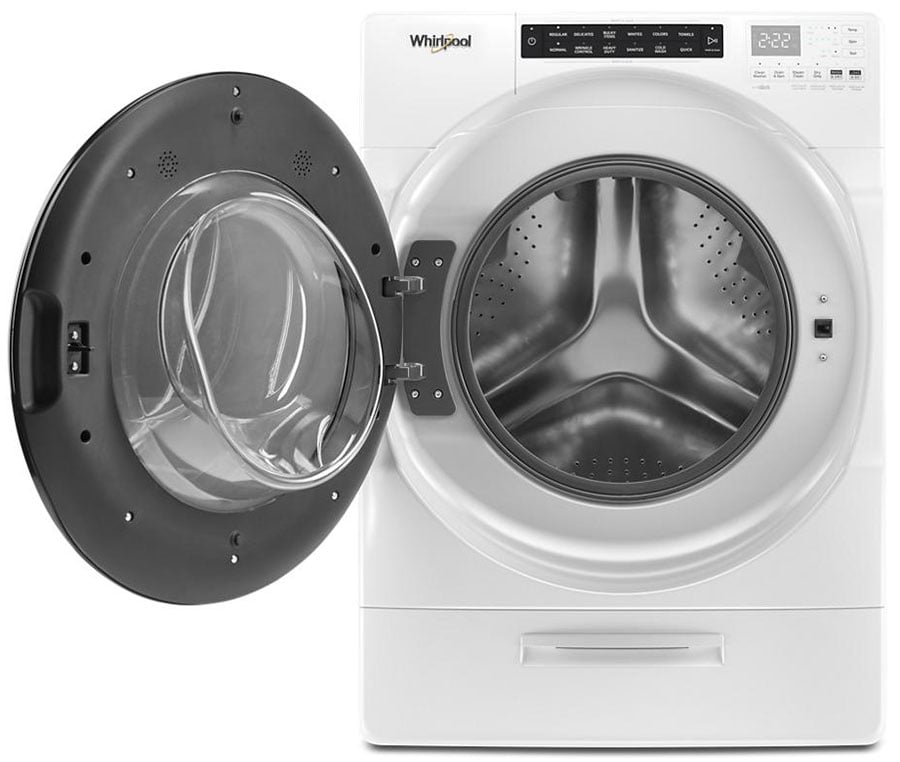
Credit: www.abt.com
Dryer Energy Basics
Dryers use electricity to remove moisture from clothes. They are one of the larger energy users in a home.
Knowing how much power a dryer uses can help you save energy and lower bills.
Average Wattage Of Dryers
Most electric dryers use between 1800 and 5000 watts. The exact wattage depends on the model and settings.
Gas dryers usually use less electricity because they heat with gas. Their wattage is often under 1000 watts.
- Electric dryers: 1800 to 5000 watts
- Gas dryers: under 1000 watts (mainly for controls and drum motor)
- Wattage varies by drying cycle and heat level
Impact Of Dryer Type On Energy Use
Electric dryers use heating coils powered by electricity. This makes them use more energy.
Gas dryers use a gas burner for heat. This can lower electricity use but still consumes gas.
- Electric dryers use more electricity for heating
- Gas dryers use gas for heat, less electricity
- Heat pump dryers recycle heat to save energy
Efficiency Standards For Dryers
Dryers must meet energy efficiency rules set by governments. These rules help reduce power use.
Energy Star certified dryers use less electricity. They use better technology to dry clothes faster.
| Efficiency Feature | Benefit |
|---|---|
| Moisture Sensors | Stops dryer when clothes are dry |
| Heat Pump Technology | Recycles heat, uses less energy |
| Improved Insulation | Keeps heat inside drum |
Comparing Washer And Dryer Energy Use
Washers and dryers use electricity to clean and dry clothes. Knowing their energy use helps save money. It also helps reduce electricity waste.
Washers usually use less power than dryers. Dryers run longer and need more heat. This makes their energy use higher in most cases.
Typical Energy Consumption Per Cycle
Washers use about 400 to 1300 watts per cycle. Front-load washers use less energy than top-load washers. Dryers consume around 1800 to 5000 watts per cycle. Electric dryers need energy to heat air and spin the drum.
The length of the cycle also affects energy use. Washers run for about 30 to 60 minutes. Dryers run for 30 to 45 minutes on average.
| Appliance | Watts Used Per Cycle | Cycle Duration |
|---|---|---|
| Washer | 400 – 1300 watts | 30 – 60 minutes |
| Dryer | 1800 – 5000 watts | 30 – 45 minutes |
Energy Costs Breakdown
The cost to run a washer is lower than a dryer. Washers use less power and less time per load. Dryers use more electricity due to heating elements.
On average, washing one load costs about 10 to 20 cents. Drying one load can cost 30 to 60 cents depending on rates. Using energy-efficient models lowers these costs.
- Washer cost per load: $0.10 – $0.20
- Dryer cost per load: $0.30 – $0.60
- Energy rate affects total cost
- Efficient machines reduce bills
Peak Power Usage Times
Washers use less power at peak times than dryers. Dryers draw a lot of electricity quickly. This can add to peak demand on the grid.
Running washers during off-peak hours saves money. Dryers should also be used when electricity is cheaper. Some utilities offer lower rates at night.
- Washers: moderate power use during cycle
- Dryers: high power spikes due to heating
- Off-peak hours reduce electricity costs
- Check local utility peak times
Reducing Energy Consumption
Washers and dryers use a lot of electricity. Knowing how to lower this use saves money and helps the planet.
Small changes in how you use these machines can cut energy use a lot.
Choosing Energy-efficient Models
New washers and dryers use less power. Look for models with energy-saving labels.
Energy-efficient machines use less water and electricity. They save money over time.
- Check for Energy Star certification
- Choose front-load washers when possible
- Look for dryers with moisture sensors
Optimizing Load Sizes
Wash full loads to use energy well. Running small loads wastes power and water.
Do not overload machines. Clothes need space to clean and dry well.
- Fill the washer but do not pack tightly
- Dry full loads for best energy use
- Split very large loads into two if needed
Using Eco-friendly Settings
Many machines have eco settings. These use less heat and water to save energy.
Choose cold water wash and low heat drying to cut electricity use.
- Use cold or warm water instead of hot
- Select eco or energy saver modes
- Use shorter drying cycles when possible
Alternative Energy Tips
Using energy wisely for washers and dryers helps save money and the planet. You can reduce electricity use with simple changes.
Here are some tips to use less power and use clean energy for laundry appliances.
Solar Power For Laundry Appliances
Solar panels can power your washer and dryer. They turn sunlight into electricity for your home.
This reduces your electricity bill and helps the environment by using clean energy.
- Install solar panels on your roof
- Use solar batteries to store energy
- Run laundry during sunny hours
- Choose energy-efficient washers and dryers
Off-peak Energy Use Benefits
Electricity costs less during off-peak hours. Running laundry machines then saves money.
| Time | Cost |
| Peak Hours (6 AM – 10 PM) | High |
| Off-Peak Hours (10 PM – 6 AM) | Low |
Check with your energy provider for off-peak times. Set your washer and dryer to run during these hours.
Regular Maintenance For Efficiency
Keeping your washer and dryer clean helps them work well and use less power.
- Clean lint filters after every use
- Check hoses and vents for blockages
- Fix leaks and worn parts quickly
- Use the right detergent and settings

Credit: www.famoustate.com
Frequently Asked Questions
How Many Watts Does A Typical Washer Use?
A typical washing machine uses between 400 to 1300 watts per cycle. The wattage varies based on the model and cycle type. Energy-efficient washers consume less power, especially during cold water washes.
How Many Watts Does A Dryer Consume On Average?
Most electric dryers consume between 1800 to 5000 watts per hour. The exact wattage depends on the dryer’s size, heat setting, and drying time. Gas dryers usually use less electricity but still require some power.
Can Washer And Dryer Wattage Affect Electricity Bills?
Yes, higher wattage appliances increase electricity consumption. Frequent or long cycles with high wattage settings raise your monthly energy costs. Using energy-efficient models or shorter cycles can reduce electricity bills.
What Factors Influence Washer And Dryer Power Usage?
Power usage depends on the appliance’s size, model, and energy efficiency. Cycle duration, temperature settings, and load size also impact wattage consumption. Newer ENERGY STAR models are designed to minimize power use.
Conclusion
Knowing how many watts a washer and dryer use helps save energy and money. Washers usually use less power than dryers. Dryers can use a lot, especially electric ones. Choosing energy-efficient models lowers electricity bills. Running full loads also saves energy.
Simple changes make a big difference over time. Understanding power use helps you plan better. Keep these tips in mind for smarter laundry days.