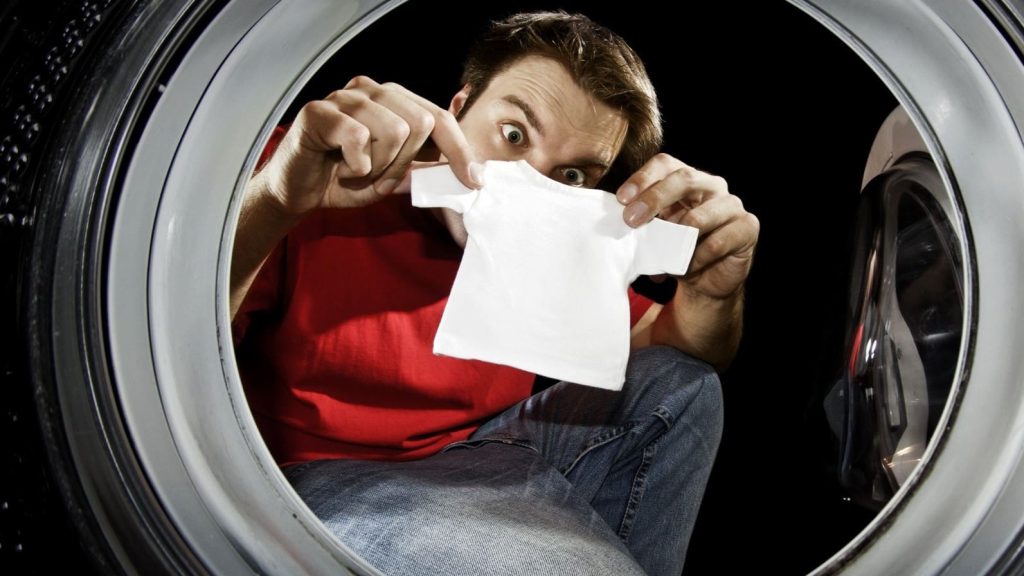
Have you ever pulled your favorite shirt from the washer or dryer only to find it smaller than before? It’s frustrating when clothes you love suddenly don’t fit right.
You might wonder, does the washer or dryer actually shrink your clothes? Understanding what really happens during washing and drying can save your wardrobe from unwanted damage. Keep reading to learn the truth and discover simple tips to keep your clothes looking their best, wash after wash.
Credit: www.whirlpool.com
How Fabric Shrinks
Clothes can shrink after washing or drying. Shrinking changes the size and fit of fabric.
Fabric shrinkage depends on the type of fiber, heat, water, and motion during cleaning.
Natural Fibers Vs Synthetic Fibers
Natural fibers like cotton and wool shrink more than synthetic fibers. Natural fibers absorb water and swell.
Synthetic fibers like polyester and nylon resist shrinking. They hold their shape better after washing.
- Natural fibers are made from plants or animals.
- Synthetic fibers are made from chemicals.
- Natural fibers tend to shrink due to water absorption.
- Synthetics resist water and heat shrinkage.
Role Of Heat And Water
Heat causes fibers to tighten and shrink. Hot water makes fibers swell and then shrink when drying.
Cold water reduces shrinkage. Drying with low heat helps keep clothes size stable.
- Hot water opens fiber pores.
- Heat shrinks fibers as they dry.
- Cold water keeps fibers relaxed.
- Low heat drying limits shrinkage.
Impact Of Mechanical Action
Washing machines and dryers use motion that can stretch or shrink fabric. Rough action causes fibers to tighten.
Gentle cycles reduce shrinking. Over-agitation makes natural fibers shrink more.
- Mechanical action moves fibers during cleaning.
- Strong agitation tightens fibers.
- Gentle washing protects fabric size.
- Dryers add tumbling that can shrink clothes.
Credit: www.apparelnbags.com
Washer Effects On Clothes
Washing machines can change how clothes fit and feel. Some fabrics may shrink after washing. Understanding the washer’s effects helps keep clothes looking good.
The washer can affect clothes in different ways. Temperature, agitation, and fabric type all matter. Let’s explore how washers can shrink clothes.
Temperature Settings And Shrinkage
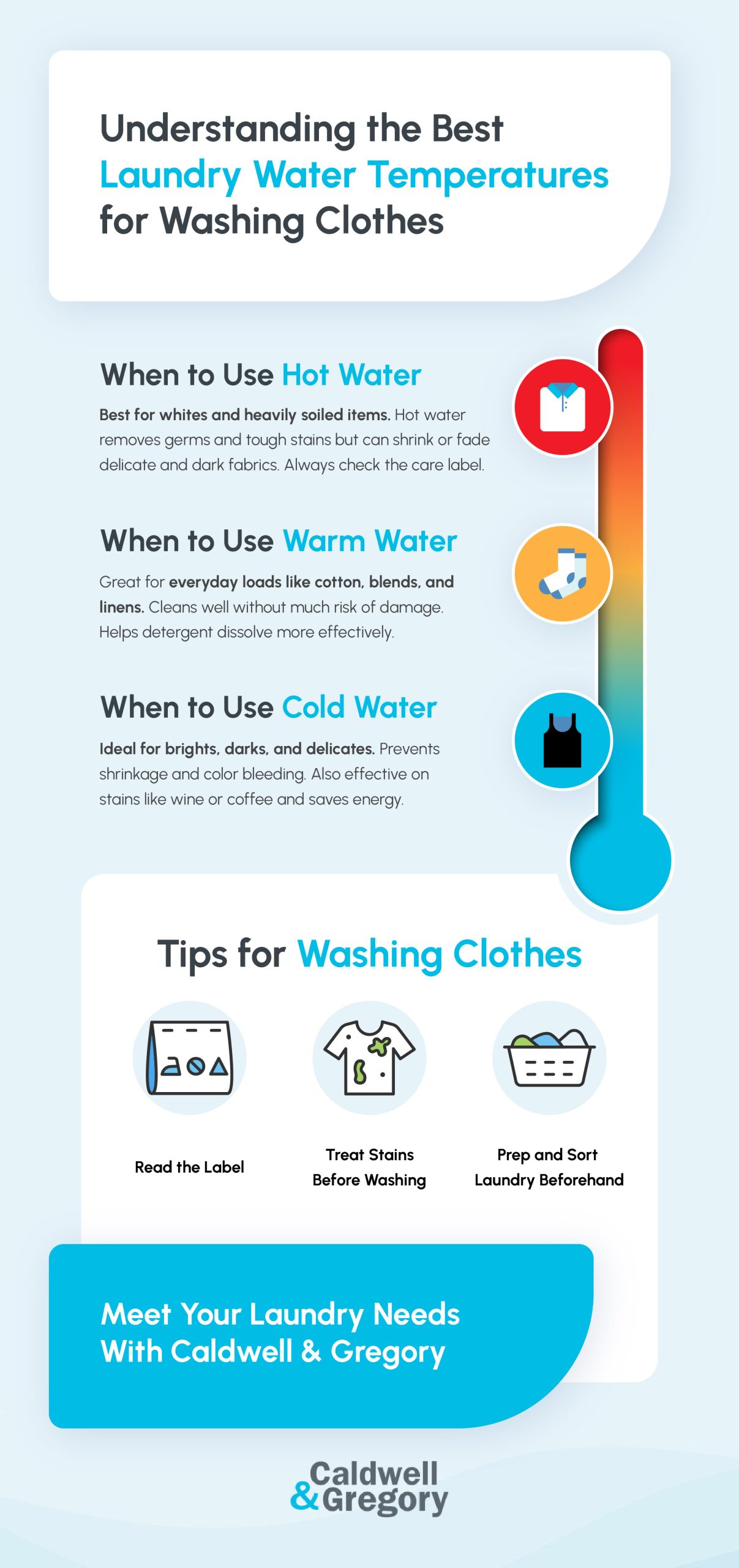
Hot water can cause fabrics to shrink more than cold water. Heat makes fibers contract and tighten. This is common with cotton and wool clothes.
Using cold or warm water can reduce the risk of shrinking. Always check the clothing label for recommended washing temperatures.
- Hot water shrinks natural fibers faster
- Cold water helps keep size stable
- Delicate fabrics often need cool washing
Agitation And Fabric Stress
The washer’s movement can stretch or stress fabric fibers. Strong agitation may cause clothes to lose shape or shrink. Gentle cycles reduce this damage.
High-speed spinning can also stress fabric. It can pull threads tightly, causing changes in size and texture.
- Harsh agitation can harm delicate fabrics
- Gentle cycles protect fabric fibers
- Lower spin speeds reduce fabric stress
Best Practices To Minimize Shrinkage
Wash clothes with care to avoid shrinking. Use the right temperature and wash cycle for each fabric type. Avoid high heat and rough agitation.
Follow these tips to keep clothes fitting well and lasting longer.
- Use cold or warm water settings
- Select gentle wash cycles for delicate items
- Do not overload the washer
- Check care labels before washing
- Air dry or use low heat in the dryer
Dryer Effects On Clothes
Dryers are common household appliances used to dry clothes quickly. They use heat and tumbling action to remove moisture.
Understanding how dryers affect fabrics helps prevent damage like shrinking or weakening of clothes.
Heat Exposure And Fabric Response
Heat from dryers can cause fabrics to react in different ways. Natural fibers like cotton and wool are more prone to shrink.
- High heat makes fibers contract and tighten, causing shrinkage.
- Synthetic fibers resist heat better but may melt or lose shape if too hot.
- Delicate fabrics can weaken or fade with too much heat.
Cycle Duration And Shrinkage Risk
How long clothes stay in the dryer also impacts shrinkage. Longer cycles mean more heat exposure and more risk.
| Cycle Length | Effect on Clothes |
| Short (15-30 minutes) | Less shrinkage, safer for most fabrics |
| Medium (30-60 minutes) | Moderate shrinkage risk for natural fibers |
| Long (Over 60 minutes) | High shrinkage risk, possible fabric damage |
Safe Drying Methods
Using the right drying methods helps protect clothes from shrinking and damage. Lower heat and shorter cycles work best.
- Choose low heat or air dry settings for delicate fabrics.
- Remove clothes while slightly damp to reduce over-drying.
- Use dryer balls to improve air flow and reduce drying time.
- Check care labels before drying to follow fabric instructions.
Credit: www.caldwellandgregory.com
Fabric Types Most Prone To Shrinking
Some fabrics shrink more easily than others in the washer or dryer. Knowing which fabrics shrink helps you care for your clothes better.
Heat and water can change fabric size. Different materials react in different ways during washing and drying.
Cotton And Wool
Cotton shrinks a lot when it gets hot. Washing in hot water or drying on high heat causes cotton to get smaller.
Wool fibers are sensitive to heat and water too. Wool can shrink quickly if washed or dried incorrectly.
- Cotton shrinks most in hot water and high dryer heat
- Wool shrinks due to heat and agitation
- Use cold water and air dry to avoid shrinking
Denim And Other Heavy Fabrics
Denim is a heavy cotton fabric. It shrinks but less than light cotton fabrics.
Other heavy fabrics like canvas or twill also shrink but usually less. Heat can still cause size changes.
- Denim shrinks mainly in the first wash
- Heavy fabrics shrink less than light ones
- Cold water wash reduces shrinking risk
Blended Fabrics
Blended fabrics mix natural and synthetic fibers. Shrinking depends on the blend ratio.
Synthetics like polyester shrink less. More natural fiber means more chance to shrink.
- High natural fiber blends shrink more
- More synthetic fibers reduce shrinking
- Always check care labels for washing advice
Tips To Prevent Shrinkage
Clothes can shrink in the washer or dryer if not treated carefully. Shrinkage happens mostly because of heat and water.
Using the right washing and drying methods helps keep clothes the same size. Here are some tips to avoid shrinkage.
Washing Techniques
Wash clothes in cold water to stop fibers from shrinking. Avoid using hot water as it can tighten the fabric.
Use gentle cycles to reduce stress on your clothes. Harsh washing can cause fabric to shrink or lose shape.
- Choose cold or cool water settings
- Select gentle or delicate wash cycles
- Use mild detergent to protect fabric
- Avoid overloading the washer
Drying Alternatives
Heat from dryers causes most shrinkage in clothes. Air drying helps keep fabrics at their original size.
Lay clothes flat or hang them to dry. Avoid direct sunlight to prevent color fading and fabric damage.
- Air dry clothes on a rack or hanger
- Use low heat settings if using a dryer
- Remove clothes while slightly damp
- Do not overdry clothes in the dryer
Proper Storage And Care
Store clothes properly to keep their shape and size. Avoid folding clothes tightly or stuffing them in drawers.
Keep clothes clean and dry before storing. This prevents damage to fabric fibers and helps clothes last longer.
- Fold clothes gently without sharp creases
- Use hangers for shirts and dresses
- Keep storage areas dry and cool
- Avoid placing heavy items on top of clothes
Frequently Asked Questions
Does The Washer Cause Clothes To Shrink?
The washer rarely causes shrinkage. Shrinking mostly happens due to heat exposure. Hot water can tighten fibers, especially in natural fabrics like cotton or wool.
Can The Dryer Shrink Clothes More Than The Washer?
Yes, dryers shrink clothes more often. High heat in dryers causes fibers to contract. Using low heat or air-dry settings helps prevent shrinking.
How Can I Avoid Shrinking Clothes In The Laundry?
Use cold water washes and low heat drying. Check garment labels for care instructions. Air drying delicate fabrics also reduces shrinkage risk.
Why Do Some Fabrics Shrink More In Washers Or Dryers?
Natural fibers like cotton and wool shrink easily. Synthetic fibers resist shrinking. Heat, agitation, and moisture cause fiber contraction, especially in natural materials.
Conclusion
Washers usually do not shrink clothes. Dryers often cause shrinking due to heat. Using low heat helps protect fabrics. Always check care labels before washing or drying. Cold water can reduce the risk of shrinking. Air drying is a safer choice for delicate items.
Understanding your washer and dryer saves your clothes. Small steps keep your wardrobe looking great. Shrinking is avoidable with proper laundry habits. Keep your clothes fitting well for longer.