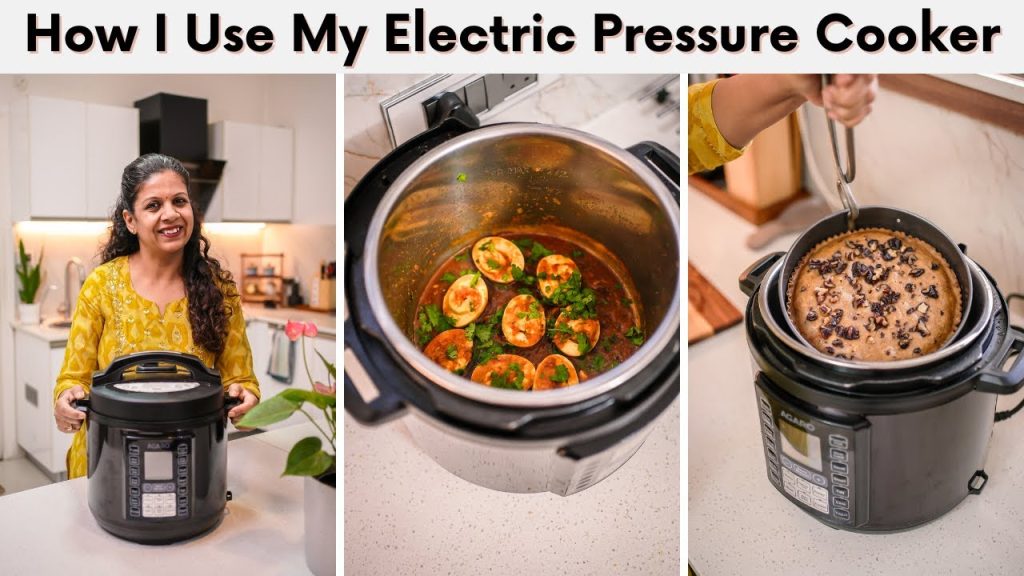
Are you ready to save time and make cooking easier? Using an electric pressure cooker can change the way you prepare meals.
Imagine cutting down your cooking time while still enjoying delicious, tender dishes. If you’ve ever felt overwhelmed by complicated kitchen gadgets, this guide is for you. You’ll learn simple, clear steps to master your electric pressure cooker and unlock its full potential.
Keep reading, and soon you’ll be cooking meals faster and with less effort than ever before.
Choosing The Right Cooker
Choosing the right electric pressure cooker makes cooking easier and faster. It helps you prepare many meals with less effort.
Think about what type of cooker fits your needs before buying. Consider size, features, and type.
Types Of Electric Pressure Cookers
There are different types of electric pressure cookers. Each has its own use and benefits.
- Basic Models:Simple controls and settings for everyday cooking.
- Multi-Cookers:Can pressure cook, slow cook, sauté, and more.
- Programmable Cookers:Allow you to set cooking times and temperatures.
- Smart Cookers:Connect to apps for remote control and recipes.
Features To Look For
Look for features that match your cooking style and safety needs. Some features make the cooker easier to use.
- Easy-to-read display and buttons
- Multiple cooking programs
- Automatic pressure release
- Safety locks and sensors
- Keep-warm function
- Dishwasher-safe parts
Size And Capacity Options
Electric pressure cookers come in different sizes. Choose one that fits your family and cooking habits.
| Size | Best For | Typical Capacity |
| Small | 1-2 people, small meals | 3-4 quarts |
| Medium | 3-5 people, daily use | 5-6 quarts |
| Large | Families of 6 or more, batch cooking | 7-8 quarts or more |

Credit: manuals.plus
Preparing For Cooking
Using an electric pressure cooker saves time and makes cooking easy. Before you start, you need to prepare your cooker and ingredients.
This guide helps you get ready for cooking safely and efficiently.
Setting Up Your Cooker
Place your cooker on a flat, stable surface. Keep it near a power outlet and away from walls or curtains.
Check that the lid, sealing ring, and steam valve are clean and in good condition. Make sure the inner pot is dry and properly positioned.
Safety Precautions
- Do not overfill the cooker; follow the maximum fill line.
- Check the sealing ring for cracks or damage before each use.
- Keep your hands and face away from the steam vent when cooking.
- Use only recommended liquids as directed in your recipe.
- Make sure the lid is locked securely before starting the cooker.
Gathering Ingredients
Collect all ingredients and measure them before cooking. This helps you cook without delay and keeps the process smooth.
| Ingredient | Preparation | Amount |
|---|---|---|
| Meat or vegetables | Cut into uniform pieces | As per recipe |
| Liquid (water, broth) | Measured accurately | Usually 1 to 2 cups |
| Spices and herbs | Washed and ready | According to taste |
| Oil or butter | Measured and set aside | 1 to 2 tablespoons |
Basic Cooking Steps
Using an electric pressure cooker is easy and fast. It cooks meals quickly while keeping flavors rich.
Follow simple steps to prepare your food safely and enjoy tasty dishes every time.
Adding Ingredients
Put all your ingredients inside the pressure cooker pot. Make sure not to overfill it.
Use enough liquid like water or broth to create steam for cooking.
- Do not fill the pot more than two-thirds full
- Place solid ingredients first, then add liquids
- Follow the recipe’s liquid amount for best results
Selecting Cooking Programs
Choose a cooking program based on your food type. Most pressure cookers have preset options.
Programs like “Meat,” “Rice,” or “Soup” adjust heat and pressure automatically.
- Use “Meat” for tougher cuts that need more cooking time
- Pick “Rice” for grains and delicate foods
- Choose “Soup” for stews and liquids
- Manual mode lets you set time and pressure yourself
Adjusting Time And Pressure
You can change cooking time and pressure if your recipe asks for it. Adjustments help cook food perfectly.
Higher pressure cooks food faster but needs careful timing. Lower pressure is gentler but takes longer.
- Set cooking time according to recipe instructions
- Choose high or low pressure based on ingredient type
- Use quick release or natural release to finish cooking safely
Using Advanced Functions
Electric pressure cookers offer more than just basic cooking. Advanced functions help you cook meals with better control and ease.
Learning these features lets you prepare different recipes with less effort and better results.
Sauté And Brown Options
The sauté and brown functions let you cook ingredients before pressure cooking. This adds flavor and texture to your meals.
Use the sauté mode to soften onions, garlic, or spices. The brown option helps to sear meats for a rich taste.
- Turn on sauté mode and add oil or butter.
- Stir ingredients often to prevent burning.
- Switch to pressure cooking after browning.
- Use brown mode for a deeper sear on meats.
Delay Start And Keep Warm
The delay start function lets you set the cooker to begin later. This is useful if you want food ready at a specific time.
The keep warm option keeps food hot after cooking finishes. It saves you from reheating your meal.
- Use delay start to prepare food while away.
- Set the timer for when you want cooking to begin.
- Keep warm keeps meals hot up to several hours.
- Turn off keep warm if you want to cool food quickly.
Customizing Settings
Most electric pressure cookers let you adjust time, pressure, and temperature. Custom settings help cook food exactly how you want.
Adjusting these settings is easy and allows you to try many recipes with your cooker.
- Set cooking time based on recipe needs.
- Choose high or low pressure for different textures.
- Adjust temperature for sauté or slow cooking.
- Save favorite settings if your cooker allows it.
Tips For Perfect Results
Electric pressure cookers save time and make cooking easy. Using them well helps you get tasty meals every time.
Learn simple tips to avoid mistakes, cook different foods right, and keep your cooker clean and safe.
Avoiding Common Mistakes
Many users make simple errors that can affect cooking results or safety. Avoid these common mistakes for best use.
- Do not overfill the cooker; keep below the max fill line.
- Always add enough liquid for steam to build pressure.
- Check the sealing ring for cracks or dirt before cooking.
- Release pressure safely using the correct method.
- Do not open the lid until pressure fully drops.
Cooking Different Food Types
Each food type needs special care. Use the right settings and times to cook them well.
| Food Type | Suggested Pressure Level | Cooking Time Range | Notes |
|---|---|---|---|
| Vegetables | High | 2-8 minutes | Cut evenly for uniform cooking |
| Rice and Grains | High | 10-20 minutes | Use the right water ratio |
| Meat (Beef, Pork) | High | 20-45 minutes | Trim excess fat for best results |
| Chicken | High | 8-15 minutes | Use bone-in for more flavor |
| Beans (Soaked) | High | 15-30 minutes | Soak beans overnight to reduce time |
Cleaning And Maintenance
Clean your electric pressure cooker after each use. Proper care keeps it working well and safe.
- Unplug the cooker and let it cool before cleaning.
- Remove and wash the inner pot with warm, soapy water.
- Check and clean the sealing ring carefully; replace if damaged.
- Wipe the lid and cooker exterior with a damp cloth.
- Make sure steam valves are free of food debris.

Credit: manuals.plus
Troubleshooting Guide
Electric pressure cookers are easy to use but sometimes problems occur. This guide helps you fix common issues fast.
Follow the tips below to solve pressure problems, understand error codes, and know when to ask for help.
Handling Pressure Issues
If your cooker does not reach pressure, check the sealing ring first. A dirty or damaged ring can cause leaks.
Make sure the lid is closed tightly and locked. Also, check if the steam release valve is in the sealed position.
- Clean the sealing ring and replace if cracked or deformed
- Ensure the lid is properly locked before cooking
- Check the steam release valve is set to “Sealing”
- Make sure there is enough liquid inside for pressure to build
- Inspect the float valve for blockages
Dealing With Error Codes
Electric pressure cookers display error codes to show specific problems. Each code means a different issue.
Read your cooker’s manual to identify the meaning of codes. Common codes include overheating, lid issues, or sensor errors.
| Error Code | Cause | Fix |
|---|---|---|
| E1 | Lid not locked | Close and lock lid securely |
| E2 | Pressure sensor problem | Restart cooker and check sensor |
| E3 | Overheating | Turn off, unplug, and cool down |
| E4 | Steam release valve error | Check valve position and clean |
When To Seek Help
If your cooker shows repeated errors or does not work after troubleshooting, contact a professional.
Do not try to open the cooker if it is still pressurized. This can cause injury.
- Call customer support if error codes persist
- Get a certified repair technician for internal problems
- Replace parts only with official components
- Never force open the lid during pressure

Credit: modernistcuisine.com
Frequently Asked Questions
How Does An Electric Pressure Cooker Work?
An electric pressure cooker works by trapping steam inside a sealed pot. This increases the pressure and temperature, cooking food faster. The cooker uses sensors to regulate pressure and temperature, ensuring consistent results. It’s a convenient tool for quick and efficient meal preparation.
What Can You Cook In An Electric Pressure Cooker?
You can cook a variety of dishes, including soups, stews, rice, and meats. It’s also perfect for beans and vegetables. The electric pressure cooker is versatile, allowing you to steam, sauté, and even bake. This makes it a valuable kitchen appliance for diverse recipes.
Is Electric Pressure Cooking Safe?
Yes, electric pressure cooking is safe when used correctly. Modern cookers have multiple safety features, like pressure release valves and locking lids. Always follow the manufacturer’s instructions and ensure the sealing ring is intact. Regular maintenance and correct usage are key to safe cooking.
How Do You Clean An Electric Pressure Cooker?
To clean, unplug and disassemble the cooker, removing the lid and inner pot. Wash the removable parts in warm soapy water. Use a damp cloth to clean the cooker’s exterior. Ensure all parts are dry before reassembling. Regular cleaning maintains performance and extends the cooker’s lifespan.
Conclusion
Using an electric pressure cooker saves time and effort in cooking. It cooks food quickly and keeps flavors rich. Just follow safety steps and recipe guidelines. Clean your cooker after each use to keep it working well. Experiment with different meals to enjoy its full benefits.
This tool fits well in busy kitchens. Give it a try and see how easy cooking can be. Simple, fast, and tasty meals await you.