Have you ever wondered how much pressure is really inside your pressure cooker when it’s sealed and cooking your favorite meal? Understanding this can help you use your cooker safely and get the best results every time.
Knowing the exact pressure inside can also prevent accidents and make your cooking faster and more efficient. You’ll discover what pressure levels to expect, why they matter, and how to keep your pressure cooker working perfectly for you. Keep reading to unlock the secrets behind that powerful cooking tool in your kitchen.

Credit: modernistcuisine.com
Pressure Levels In Cookers
A pressure cooker uses steam pressure to cook food faster. The pressure inside the cooker is higher than normal air pressure.
Different pressure levels affect cooking time and food texture. Knowing the pressure levels helps in using your cooker correctly.
Standard Pressure Ranges
Most pressure cookers work between 10 and 15 psi (pounds per square inch). This range is safe and effective for many recipes.
Lower pressure cooks food gently. Higher pressure cooks food faster but can be harsher on delicate items.
- Low pressure: about 10 psi
- High pressure: about 15 psi
- Some cookers have settings in between
Variations By Model
Pressure cookers differ by brand and model. Some have fixed pressure, others let you adjust the level.
Electric cookers often have multiple pressure settings. Stovetop models usually have one or two pressure levels.
- Basic models: single pressure level
- Advanced models: adjustable pressure settings
- Electric cookers: often include preset programs
Measuring Pressure
Pressure is measured in pounds per square inch (psi) or kilopascals (kPa). Most cookers show pressure on a gauge or indicator.
Some cookers have a pressure release valve that clicks or lifts when pressure reaches the set level.
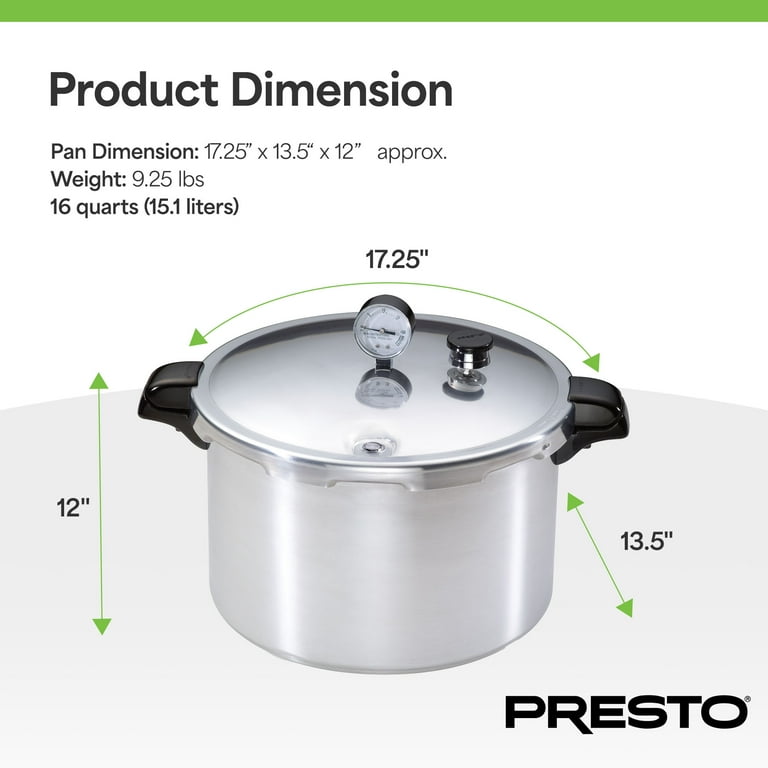
- Gauge pressure cookers show exact pressure
- Spring valve cookers use clicks or sounds
- Electric cookers display pressure digitally

Credit: www.amazon.com
How Pressure Is Created
A pressure cooker uses heat to build pressure inside a sealed pot. This pressure cooks food faster than regular pots.
Pressure forms because steam cannot escape. The trapped steam pushes down, raising the pressure inside.
Steam Generation
Water inside the cooker heats up and turns into steam. The steam fills the pot and raises the pressure.
The hotter the water, the more steam it produces. This steam is the main source of pressure inside the cooker.
Sealing Mechanism
The lid of the pressure cooker has a rubber or silicone ring. This ring seals the pot tightly to trap steam inside.
Without the seal, steam would escape, and pressure would not build up. The seal keeps the cooker airtight.
Safety Valves
Safety valves release extra steam if the pressure gets too high. They stop the cooker from exploding.
These valves open at set pressure points. This keeps the cooking safe and controlled.
Common Pressure Settings
Pressure cookers use different pressure levels to cook food fast. These settings control the steam pressure inside the pot.
Most pressure cookers have two main pressure modes. These are low pressure and high pressure.
Low Pressure Mode
Low pressure mode cooks food at a lower steam pressure. It usually ranges from 5 to 7 psi (pounds per square inch).
This mode is good for delicate foods. It helps avoid overcooking and keeps textures soft.
- Pressure range: 5-7 psi
- Suitable for vegetables, fish, and eggs
- Slower cooking than high pressure
- Preserves delicate flavors and textures
High Pressure Mode
High pressure mode cooks food faster by using higher steam pressure. This pressure usually ranges from 10 to 15 psi.
This setting is great for tough foods. It softens beans, meats, and grains quickly.
- Pressure range: 10-15 psi
- Best for beans, meats, and grains
- Speeds up cooking time
- Helps break down tough fibers
Credit: www.walmart.com
Risks Of Excess Pressure
Pressure cookers use steam pressure to cook food faster. Too much pressure can cause problems. It is important to understand the risks of excess pressure.
Excess pressure may damage the cooker or cause accidents. Knowing the hazards helps keep you safe in the kitchen.
Potential Hazards
Too much pressure inside the cooker can lead to serious issues. The cooker might burst or the lid could blow off. This can cause burns or injuries.
- Explosion of the cooker due to high pressure
- Lid forcibly opening and releasing hot steam
- Damage to seals and safety valves
- Food burning or sticking to the pot
- Risk of fire if pressure release fails
Signs Of Overpressure
You can spot overpressure by watching the cooker carefully. Some signs mean the pressure is too high.
| Sign | Description |
| Steam Release | Continuous steam escaping from the valve |
| Lid Movement | Lid shaking or lifting slightly |
| Pressure Gauge | Needle in the red zone or above normal level |
| Strange Sounds | Whistling or loud hissing noises |
| Cooking Time | Food cooks too fast or unevenly |
Safety Features In Pressure Cookers
Pressure cookers use high pressure to cook food faster. Safety features keep you safe during cooking. These parts control pressure and prevent accidents.
Understanding these safety features helps you use the cooker correctly. This guide covers pressure release valves, locking systems, and gasket integrity.
Pressure Release Valves
Pressure release valves let steam escape when pressure gets too high. This stops the cooker from exploding. They open automatically at set pressure levels.
- Release excess pressure safely
- Prevent dangerous pressure buildup
- Easy to check and clean
- Must never be blocked or damaged
Locking Systems
Locking systems keep the lid shut while pressure builds. They stop the lid from opening under pressure. This feature protects you from hot steam and spills.
| Type of Lock | Description | Safety Benefit |
|---|---|---|
| Mechanical Lock | Engages automatically when pressure rises | Prevents accidental opening |
| Spring Lock | Uses spring tension to hold lid | Keeps lid secure during cooking |
| Indicator Lock | Shows when pressure is high | Warns user not to open lid |
Gasket Integrity
The gasket seals the lid to the pot. It keeps steam inside the cooker. A worn or damaged gasket can cause leaks and pressure loss.
Check the gasket for cracks, tears, or hard spots. Replace it if it shows any damage. Proper gasket care ensures safe and efficient cooking.
Proper Use To Maintain Safe Pressure
Pressure cookers use steam pressure to cook food quickly. Keeping the right pressure is very important for safety.
Using the cooker properly helps avoid accidents and makes your food cook well every time.
Filling Guidelines
Never fill your pressure cooker more than two-thirds full. For foods that expand, like rice or beans, fill only half full.
Too much food or liquid can block the pressure valve and cause unsafe pressure levels.
- Fill up to 2/3 for most foods
- Fill up to 1/2 for foods that expand
- Always add enough liquid to create steam
- Do not overfill to avoid pressure problems
Monitoring Pressure
Watch the pressure indicator or gauge during cooking. It shows when the cooker reaches the right pressure level.
Adjust the heat to keep the pressure steady. Too high heat can cause too much pressure, too low heat stops cooking.
- Check pressure indicator often
- Lower heat once pressure is reached
- Keep pressure steady, not too high or low
- Use pressure gauge if your cooker has one
Handling After Cooking
Turn off the heat and let the pressure drop naturally or use the quick-release method if your cooker allows it.
Never open the lid until the pressure is fully released. Opening too soon can cause hot steam burns.
- Turn off heat to stop cooking
- Use natural release or quick release
- Wait for the pressure indicator to drop
- Open lid only when pressure is zero
Troubleshooting Pressure Issues
Pressure cookers use steam pressure to cook food quickly. Sometimes, the cooker may not build pressure or have other issues.
Knowing common problems helps you fix them and cook safely.
Pressure Not Building
If your pressure cooker does not build pressure, check the following causes first.
- The lid is not sealed properly.
- Insufficient liquid inside the cooker.
- The gasket or sealing ring is damaged or misplaced.
- The pressure valve is clogged or blocked.
- The heat source is too low or inconsistent.
Fix these problems by cleaning, repositioning, or replacing parts as needed. Always use enough liquid to create steam.
Pressure Too High
Too much pressure can be dangerous. Watch for signs like loud hissing or steam escaping forcefully.
| Cause | What to Do |
| Blocked pressure release valve | Clean or replace the valve |
| Wrong pressure setting | Adjust to the recommended level |
| Overfilling the cooker | Do not fill beyond the maximum fill line |
| Excessive heat | Lower the stove temperature |
Always monitor your cooker and never leave it unattended at high heat.
Valve Malfunctions
Valves control pressure release and must work well. Problems here can stop cooking or cause leaks.
- Check if the valve moves freely and is not stuck.
- Clean the valve regularly to remove food debris.
- Replace any cracked or damaged valves immediately.
- Ensure the valve fits properly on the lid.
Proper valve care keeps your pressure cooker safe and efficient.
Maintenance For Safety
Pressure cookers use high pressure to cook food quickly. Proper maintenance keeps them safe to use.
Regular care helps prevent accidents and keeps your cooker working well for a long time.
Cleaning Valves And Gaskets
Valves and gaskets control pressure inside the cooker. Dirt or food can block them and cause problems.
Clean valves and gaskets after every use with warm, soapy water. Check for any food stuck inside.
- Remove the gasket and wash it gently
- Use a small brush to clean valves
- Dry all parts before reassembling
Regular Inspections
Check your pressure cooker often for any signs of damage. Look for cracks, dents, or worn parts.
Make sure the lid fits properly and the locking mechanism works well. A poor fit can cause pressure leaks.
- Inspect the gasket for cracks or stiffness
- Check valves for proper movement
- Test the pressure release system regularly
Replacing Parts
Replace worn or damaged parts right away. Old gaskets and valves can fail and cause safety risks.
Use only parts made for your pressure cooker model. This keeps the cooker safe and working well.
- Replace the gasket yearly or if it cracks
- Change valves if they are blocked or broken
- Use manufacturer-approved parts only
Frequently Asked Questions
What Is The Typical Pressure In A Pressure Cooker?
A typical pressure cooker operates at around 15 psi (pounds per square inch). This is equivalent to about 103 kPa. The high pressure allows food to cook faster by raising the boiling point of water. It’s essential to follow the manufacturer’s instructions for safe operation.
How Does Pressure Affect Cooking Time?
Increased pressure inside a pressure cooker raises the boiling point of water. This allows food to cook faster than traditional methods. It reduces cooking time significantly while maintaining flavor and nutrients. Always adjust cooking times as per recipe guidelines for optimal results.
Why Is Pressure Important In Cooking?
Pressure is crucial because it increases the boiling point of water. This allows food to cook at higher temperatures. It speeds up the cooking process and retains more nutrients and flavors. Pressure cooking is efficient for tenderizing tough meats and cooking beans quickly.
Can Too Much Pressure Be Dangerous?
Yes, excessive pressure can be dangerous if not handled properly. Pressure cookers have safety features to prevent accidents. Always ensure the pressure release valve works and never overfill the cooker. Regular maintenance and following the manufacturer’s instructions are essential for safety.
Conclusion
A pressure cooker usually holds about 15 psi of pressure. This pressure helps food cook faster and stay tender. Always check your cooker’s instructions for exact pressure levels. Use the right amount of liquid to keep it safe. Watch the pressure gauge to avoid accidents.
Cooking with the right pressure saves time and energy. Now, you can cook meals quickly and easily. Pressure cookers make kitchen work simple and efficient. Keep these tips in mind for the best results.