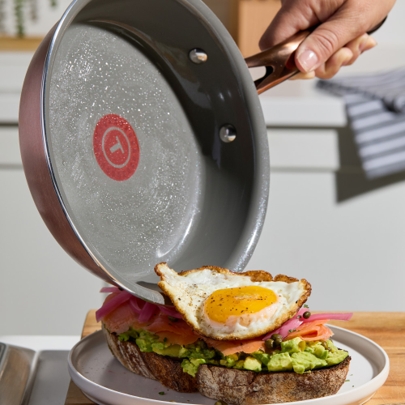
Are you curious about what makes Tfal pans special? You might have heard the word “Teflon” tossed around and wondered if Tfal pans are actually Teflon.
Understanding this can help you choose the right cookware for your kitchen and keep your meals safe and tasty. You’ll discover the truth behind Tfal pans and their coating. By the end, you’ll know exactly what you’re cooking with—and why it matters to you.
Keep reading to get the clear answers you’ve been looking for.

Credit: www.amazon.ca
Tfal Brand Origins
Tfal is a well-known cookware brand. It is famous for its non-stick pans and kitchen tools.
The brand started many years ago in France. It quickly became popular for easy-to-use pans.
Early History Of Tfal
Tfal began in 1956. The company introduced the first non-stick frying pan with Teflon coating.
This innovation made cooking and cleaning much easier for many people worldwide.
Connection To Teflon
Teflon is a special coating that stops food from sticking to pans. Tfal was one of the first brands to use it.
Teflon is made by a company called Chemours. Tfal partnered with them to make non-stick cookware.
Growth And Global Reach
After its start in France, Tfal grew fast. It began selling products in many countries.
Tfal offers many kitchen tools, not just pans. The brand is known worldwide for quality and ease.
Teflon Coating Basics
Teflon is a popular coating used on many pans, including Tfal pans. It helps food not stick during cooking. This makes cleaning easier and cooking smoother.
Teflon is made from a material called PTFE. It is safe to use if handled properly. Understanding how this coating works can help you take care of your pans better.
What Is Teflon?
Teflon is a brand name for a chemical called polytetrafluoroethylene (PTFE). It creates a smooth surface that food cannot easily stick to. This coating is often applied to metal pans.
How Teflon Coating Works
The Teflon coating stops food particles from bonding with the pan surface. It lowers friction, so cooking and flipping food is easier. This coating is non-stick and heat resistant.
- Prevents food from sticking
- Makes cooking with less oil possible
- Helps with easy cleaning
- Reduces wear on the pan surface
Care Tips For Teflon Pans
Proper care helps keep the Teflon coating strong and safe. Avoid using metal tools that can scratch the surface. Use low to medium heat to protect the coating.
| Do | Don’t |
| Use wooden or silicone utensils | Use metal spatulas or knives |
| Clean with soft sponges | Use abrasive scrubbers |
| Cook on low to medium heat | Cook on very high heat |
| Hand wash with mild detergent | Put in dishwasher often |
Materials Used In Tfal Pans
Tfal pans are popular for cooking because they use special materials. These materials help food cook evenly and prevent sticking.
Understanding the materials helps you know why Tfal pans work well in kitchens.
Nonstick Coatings
Tfal pans use nonstick coatings to stop food from sticking. This coating is often made from Teflon, a type of polytetrafluoroethylene (PTFE).
Teflon coatings provide a smooth cooking surface. They need gentle care to keep the coating safe and effective.
- Teflon is a common nonstick material
- It makes cleaning easier
- It prevents food from burning
- Avoid using metal tools to protect the coating
Base Metals
The base of Tfal pans is usually made from metals like aluminum or stainless steel. These metals provide strength and good heat distribution.
Aluminum is lightweight and heats up quickly. Stainless steel is heavier but lasts longer and resists rust.
- Aluminum offers quick, even heating
- Stainless steel is strong and durable
- Some pans combine metals for better performance
- The metal base supports the nonstick coating

Credit: www.amazon.ca
Differences Between Tfal And Teflon
Tfal and Teflon are popular brands in non-stick cookware. Many people ask if Tfal pans use Teflon coating.
This article explains the key differences between Tfal and Teflon. You will learn about their coatings, materials, and care tips.
What Is Teflon?
Teflon is a brand name for a chemical called PTFE. It creates a non-stick surface on pans. Many cookware brands use Teflon coatings.
What Is Tfal?
Tfal is a cookware company. It makes pans with different types of non-stick coatings. Some Tfal pans use Teflon, but not all.
Materials And Coating Types
| Feature | Tfal | Teflon |
| Coating Type | PTFE (Teflon) and others | PTFE only |
| Cookware Material | Aluminum, stainless steel | Not cookware brand |
| Heat Resistance | Up to 500°F (varies) | Up to 500°F |
| Durability | Varies by model | N/A (chemical) |
Safety And Usage Tips
- Use medium heat to avoid damaging coatings.
- Do not use metal utensils on non-stick surfaces.
- Hand wash pans to extend their life.
- Replace pans if coating peels or scratches.
Summary Of Key Differences
| Aspect | Tfal | Teflon |
|---|---|---|
| Brand Type | Cookware manufacturer | Non-stick coating chemical |
| Coating Use | May use Teflon or other coatings | Used by many cookware brands |
| Product Range | Pans, pots, kitchen tools | Only coating material |
| Ownership | Groupe SEB | Chemours Company |
Safety Of Tfal Pans
Tfal pans are popular for their non-stick surface. Many wonder if they are safe for cooking daily meals. Understanding their safety helps you make better choices in the kitchen.
This article looks at two important safety aspects: heat resistance and chemical concerns. These points explain how Tfal pans react to heat and what chemicals they may release.
Heat Resistance
Tfal pans use a coating that can resist heat up to a certain temperature. Cooking at very high heat can damage the coating and release harmful fumes. It is best to use medium or low heat to keep the pan safe.
- Do not heat empty Tfal pans for long periods.
- Keep the temperature below 500°F (260°C) to avoid damage.
- Avoid using Tfal pans under a broiler or in an oven above recommended heat.
- Use wooden or silicone utensils to protect the surface from scratches.
Chemical Concerns
Tfal pans have a non-stick coating often made with PTFE, known as Teflon. When used correctly, it is safe. But overheating or scratching the pan can cause chemicals to release.
| Concern | Details |
|---|---|
| PTFE (Teflon) | Stable under normal cooking heat, can emit fumes if overheated above 500°F. |
| PFOA | Tfal stopped using PFOA, a chemical once used in production, making pans safer now. |
| Scratches | Damaged coating may flake off but usually not harmful if swallowed in small amounts. |
Care Tips For Tfal Cookware
Tfal pans often use Teflon coatings. These coatings help food not stick to the pan. To keep your Tfal cookware safe, you need to clean and use them carefully.
Proper care will make your pans last longer. It will also keep the non-stick surface working well. Here are some care tips to follow.
Cleaning Your Tfal Pan
Wash your Tfal pan by hand with warm water. Use a soft sponge or cloth to avoid scratches. Avoid steel wool or harsh scrubbers. These can damage the Teflon coating.
Do not put your Tfal pan in the dishwasher often. The high heat and strong detergents can wear down the coating over time.
Using Your Teflon Pan Safely
Use wooden, plastic, or silicone utensils. Metal tools can scratch and ruin the non-stick surface. Avoid cooking on very high heat. Teflon coatings can break down if overheated.
- Use low to medium heat for cooking
- Do not preheat an empty pan
- Avoid metal spatulas and forks
- Use oils or butter to protect the surface
- Store pans carefully to avoid scratching
Storing Tfal Cookware
| Do | Don’t |
|---|---|
| Stack pans with soft cloth between them | Stack pans directly without protection |
| Keep pans dry before storing | Store pans wet or damp |
| Store in a cool, dry place | Store near heat sources |
Alternatives To Teflon Coatings
Teflon pans are common but not the only option for non-stick cookware. Some people look for safer or more durable choices. There are several good alternatives to Teflon coatings available today.
These alternatives offer different benefits and care needs. Knowing about them helps you pick the right pans for your kitchen.
Ceramic Coatings
Ceramic coatings use a natural mineral-based layer instead of chemical coatings. They are free from PTFE and PFOA, which are in Teflon. Ceramic pans heat well and offer a smooth cooking surface.
- Safe for cooking at medium to high heat
- Easy to clean with gentle scrubbing
- Can lose non-stick quality over time
- Usually more environmentally friendly
Cast Iron And Stainless Steel
Cast iron and stainless steel pans do not have a coating but can be used without sticking if cared for properly. Cast iron needs seasoning to build a non-stick surface. Stainless steel requires good heating and oil use.
| Type | Care | Best Use | Durability |
| Cast Iron | Season regularly to keep non-stick | Searing, frying, slow cooking | Very long-lasting if maintained |
| Stainless Steel | Use enough oil; clean with gentle scrubbing | Boiling, sautéing, browning | Highly durable and rust-resistant |

Credit: www.t-fal.com
Frequently Asked Questions
Are Tfal Pans Made With Teflon?
Yes, most Tfal pans are coated with Teflon, a popular non-stick material. Teflon provides easy cooking and cleaning benefits. However, Tfal also offers ceramic non-stick options for those seeking alternatives.
Is Teflon Safe For Cooking?
Teflon is generally safe for cooking at normal temperatures. Avoid overheating, as it can release harmful fumes. Always follow the manufacturer’s guidelines for safe use.
How Long Do Tfal Pans Last?
Tfal pans typically last 2 to 5 years with proper care. Avoid using metal utensils and high heat to extend their lifespan. Regular maintenance helps in preserving the non-stick coating.
Can Tfal Pans Be Used On Induction Cooktops?
Certain Tfal pans are designed for induction cooktops. Check the packaging or product details to ensure compatibility. Always use pans marked as “induction-ready” for best results.
Conclusion
Tfal pans often use Teflon coating, but not always. Many models feature non-stick surfaces that work like Teflon. This makes cooking easier and cleaning quick. Knowing the exact coating helps you choose the right pan. Always check product details before buying.
Safe cooking depends on using pans as directed. Understanding these facts helps you cook better every day. Simple, safe, and effective—Tfal pans offer good options for your kitchen.