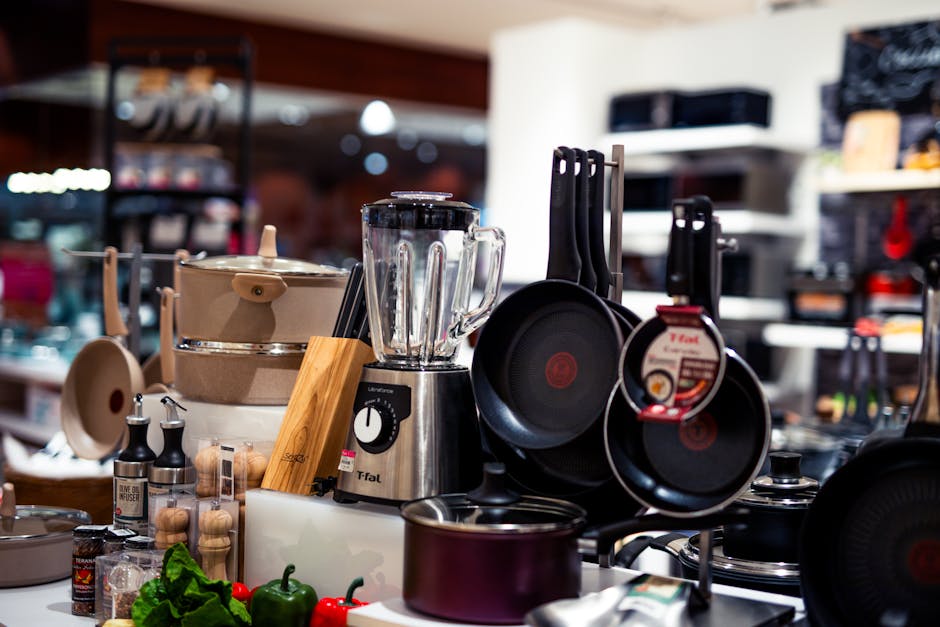
You want cookware that keeps your family safe, right? Caraway pans have become popular because they claim to be non-toxic and healthy for your kitchen.
But are they really as safe as they say? Before you spend your hard-earned money, it’s important to know what’s inside these pans and how they affect your cooking. You’ll discover the truth about Caraway pans and whether they’re the right choice for your home.
Keep reading to protect your health and make smart kitchen decisions.

Credit: www.fitmittenkitchen.com
What Are Caraway Pans Made Of
Caraway pans are known for their design and cooking quality. People want to know if they are safe to use.
Understanding the materials helps decide if these pans are non-toxic and healthy for cooking.
Materials Used
Caraway pans use a mix of materials to ensure durability and safety. The base is made of ceramic-coated aluminum.
Aluminum allows quick and even heating. The ceramic coating creates a smooth cooking surface without harmful metals.
- Aluminum base for heat conduction
- Ceramic coating on the surface
- Silicone handles for heat resistance
- Non-toxic materials without lead or cadmium
Coating Composition
The coating on Caraway pans is a ceramic-based, non-stick layer. It is free from PTFE and PFOA chemicals.
This coating is designed to resist scratching and avoid toxic fumes. It also keeps food from sticking during cooking.
- Ceramic non-stick coating
- No PTFE (Teflon) or PFOA chemicals
- Scratch-resistant and durable
- Safe for cooking at normal temperatures
Claims About Non Toxicity
Caraway pans are popular for their non toxic claims. Many people want safe cookware to avoid chemicals.
It is important to check if these claims are true. We will look at what the brand promises and what customers think.
Marketing Promises
Caraway promotes its pans as free from harmful chemicals. They say their coating does not use PTFE or PFOA.
The brand also claims their pans have a ceramic-based coating. This coating is said to be safe and durable.
- Non toxic ceramic coating
- No PTFE, PFOA, lead, or cadmium
- Safe for high heat cooking
- Easy to clean without harsh chemicals
Customer Perceptions
Many customers like Caraway pans for their easy cleaning and design. They feel the pans are safer than traditional ones.
Some users say the pans work well and do not release bad smells. Others worry about the coating wearing off over time.
- Positive: Safe feel and easy cleaning
- Positive: No toxic fumes during cooking
- Concern: Durability of the non toxic coating
- Concern: Price compared to other brands
Chemical Safety Analysis
Caraway pans are popular for their non-stick surface. Many people ask if these pans are safe to use. This analysis looks at the chemical safety of Caraway pans. It helps to understand what makes them non-toxic.
We will review the potential harmful chemicals that may be in these pans. We also examine the industry standards and regulations that apply to them.
Potential Harmful Chemicals
Some non-stick pans use chemicals that can release toxins when heated. It is important to know if Caraway pans use any of these substances. Common harmful chemicals to avoid are:
- Perfluorooctanoic acid (PFOA)
- Polytetrafluoroethylene (PTFE) at high temperatures
- Lead and cadmium in coatings
- BPA in plastic parts
Caraway pans use a ceramic-based coating. This coating does not contain PFOA or PTFE. It also avoids heavy metals like lead and cadmium. The ceramic surface resists scratching and does not release toxic fumes.
Industry Standards And Regulations
Cookware must meet safety rules set by regulatory bodies. These rules limit harmful substances and ensure safe use. Important standards include:
| Standard | Description |
| FDA | Regulates food contact materials in the USA |
| LFGB | German food safety law for consumer products |
| REACH | EU rules for chemical safety in products |
| Prop 65 | California list of chemicals known to cause harm |
Caraway pans claim compliance with FDA and LFGB standards. This means they are tested for toxic substances. The pans are free from harmful chemicals listed in these regulations. This compliance supports their safety for everyday cooking.
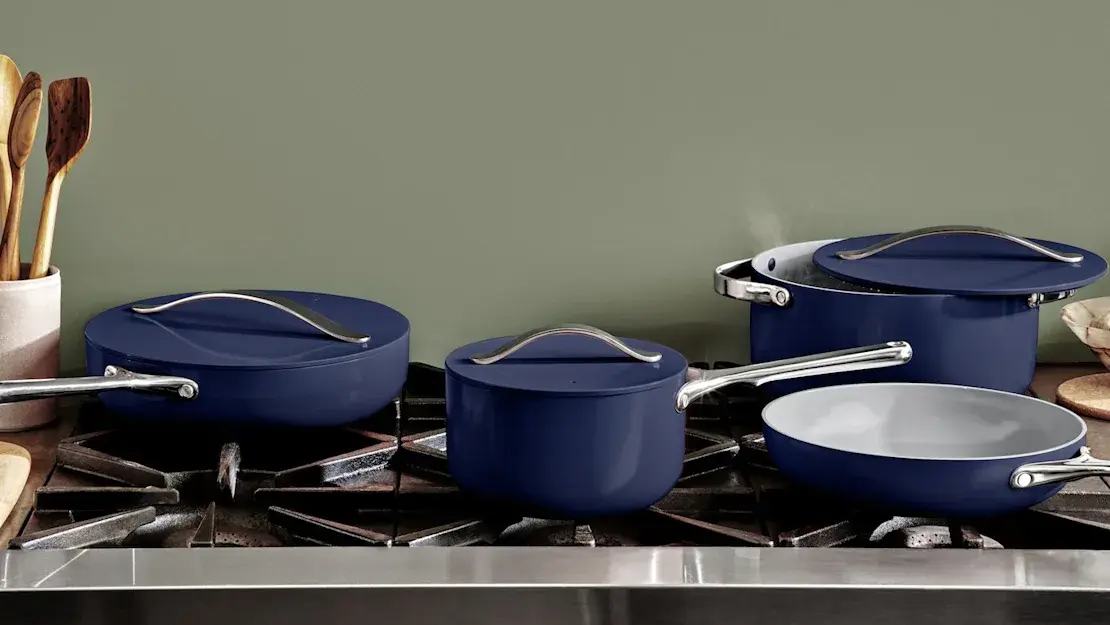
Credit: www.carawayhome.com
Comparing Caraway With Other Cookware
Choosing the right cookware affects your health and cooking results. Caraway pans claim to be non-toxic. This article compares Caraway pans to other common cookware types.
We focus on two key points: the coatings used and the durability and safety of the pans. This helps you understand how Caraway stacks up against others.
Ceramic Vs Nonstick Coatings
Ceramic and nonstick coatings are popular in many pans. Caraway uses a ceramic-based coating that is free of toxic chemicals. Other pans often use PTFE or Teflon coatings.
- Ceramic Coatings:Made from natural minerals, free from PFOA and PFAS.
- Nonstick (PTFE) Coatings:Can release harmful fumes if overheated.
- Caraway:Uses ceramic coating that is non-toxic and safe at high heat.
- Traditional Nonstick:May contain chemicals that degrade over time.
Durability And Safety
| Cookware Type | Durability | Safety Features |
|---|---|---|
| Caraway Ceramic | Good, scratch-resistant but avoid metal tools | Non-toxic, free from PTFE, PFOA, PFAS |
| Traditional Nonstick (Teflon) | Moderate, coating can wear off | May release fumes if overheated |
| Cast Iron | Very durable, lasts decades | Safe if properly seasoned, can leach iron |
| Stainless Steel | Highly durable, resists scratching | Safe, no coatings that degrade |
Expert Opinions And Reviews
Caraway pans have gained attention for their non-toxic claims. Many people want to know if these claims hold true. This article looks at expert opinions and user reviews.
We focus on health expert views and user experiences to give a clear picture. This helps you decide if Caraway pans are safe for your kitchen.
Health Experts
Health professionals study materials used in cookware to check for toxins. They note that Caraway pans use ceramic non-stick coatings. These coatings avoid harmful chemicals like PFOA and PTFE.
- Experts say ceramic coatings release fewer fumes when heated.
- They highlight the lack of heavy metals in Caraway pans.
- Some caution that high heat can still damage the coating.
- Experts recommend using moderate heat for safety.
User Experiences
Many users share their experiences online. Most praise the pans for easy cleaning and no strange smells. Some users report the pans last well without peeling.
| User Review | Comment | Rating |
|---|---|---|
| Anna M. | Cookware heats evenly and cleans easily. | 4/5 |
| James T. | No signs of coating wear after six months. | 5/5 |
| Linda K. | Needs gentle use to keep coating intact. | 3/5 |
Tips For Safe Use And Maintenance
Caraway pans are popular for their non-toxic ceramic coating. Using and caring for them properly helps keep them safe and lasts longer.
Follow simple tips to clean and maintain your Caraway pans. This keeps the coating strong and avoids damage.
Cleaning Guidelines
Clean your Caraway pans gently to keep the ceramic coating safe. Avoid harsh scrubbing and strong chemicals.
- Use warm water and mild dish soap for washing.
- Clean with a soft sponge or cloth to avoid scratches.
- Do not use steel wool or abrasive scrubbers.
- Dry the pan completely before storing to prevent rust on metal parts.
- For stuck food, soak the pan in warm soapy water before cleaning.
Avoiding Damage
Protect your Caraway pans by avoiding actions that can harm the coating or pan body. Handle with care during cooking and storage.
- Use wooden, silicone, or plastic utensils instead of metal ones.
- Do not heat an empty pan on high heat for a long time.
- Avoid sudden temperature changes, like rinsing a hot pan with cold water.
- Store pans carefully to avoid stacking without protection.
- Do not use the pan in the oven above the recommended temperature.

Credit: www.amazon.ca
Frequently Asked Questions
Are Caraway Pans Free From Toxic Chemicals?
Yes, Caraway pans are non-toxic and free from harmful chemicals. They use a ceramic non-stick coating. This coating is free from PTFE, PFOA, and other toxic substances. It’s designed to be safe and eco-friendly.
Do Caraway Pans Leach Harmful Substances?
No, Caraway pans do not leach harmful substances. Their ceramic coating ensures a toxin-free cooking experience. It remains stable at high temperatures, preventing chemical leaching. This makes them a safe choice for your kitchen.
Are Caraway Pans Safe For Everyday Use?
Yes, Caraway pans are safe for everyday use. Their non-toxic ceramic coating is durable and reliable. It ensures even heat distribution, reducing the need for excessive oil. This makes them perfect for regular cooking.
How Durable Is The Non-stick Coating?
The non-stick coating on Caraway pans is highly durable. It’s designed to withstand regular use without degrading. Proper care, like avoiding metal utensils, extends its lifespan. With good maintenance, the coating remains effective for years.
Conclusion
Caraway pans offer a non-toxic option for everyday cooking. They do not contain harmful chemicals like PTFE or PFOA. The ceramic coating provides a safer surface for your food. Cleaning these pans is easy and quick. They heat evenly and last long with proper care.
Choosing non-toxic cookware helps protect your health and the environment. Caraway pans suit those who want simple, safer kitchen tools. Consider your cooking habits and needs before buying. Safe cookware matters for you and your family’s wellbeing.