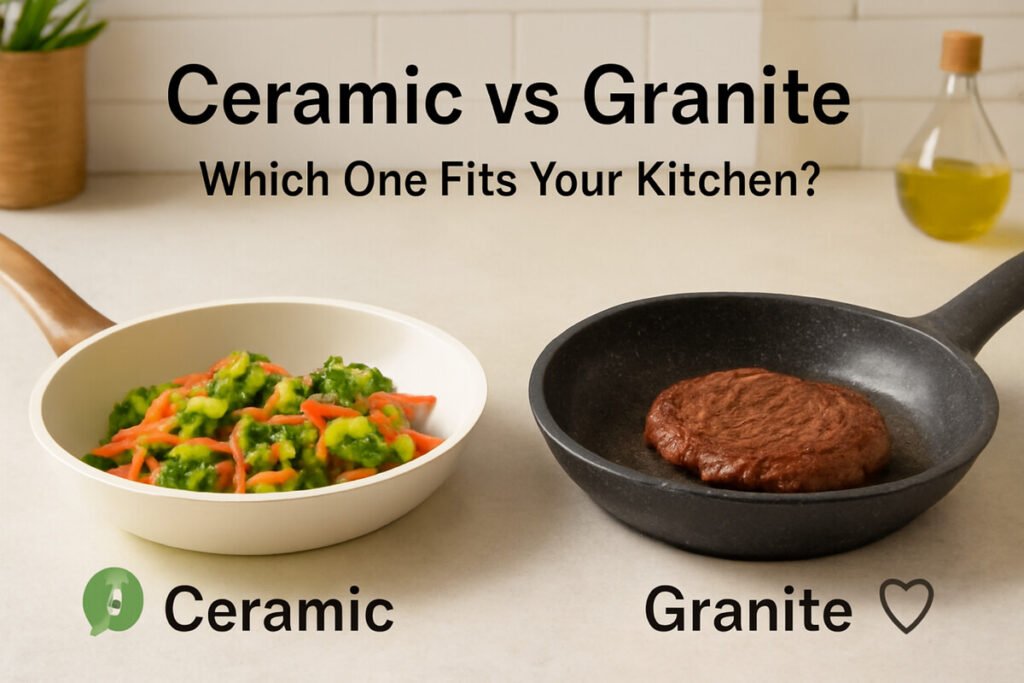
When it comes to choosing cookware, you want to make sure it’s safe for you and your family. But with so many options, it’s hard to know which one is truly healthy.
Is granite cookware better, or does ceramic have the edge? You might be wondering if these materials release harmful chemicals or if they can affect the taste of your food. You’ll discover the facts about granite and ceramic cookware, so you can make the best choice for your kitchen and your health.
Keep reading—you deserve to cook with confidence.

Credit: www.youtube.com
Health Risks Of Granite Cookware
Granite cookware is popular for its look and non-stick features. Many people wonder if it is safe for health.
This article talks about possible health risks linked to granite cookware. It covers materials, chemicals, and heat safety.
Material Composition And Safety
Granite cookware often uses a mix of stone and other materials. It usually has a coating that looks like granite.
The coating may contain synthetic materials. Some types have non-stick layers made from chemicals that might wear out.
Potential Chemical Leaching
When heated, some granite cookware may release chemicals. These can come from the coating or non-stick layers.
Certain coatings may contain substances like PTFE or PFOA. These chemicals could be harmful if they get into food.
- Worn coatings increase chemical release risk
- High heat can cause more leaching
- Using metal utensils may damage the surface
Heat Resistance And Toxins
Granite cookware can handle medium heat well. Some brands warn against using very high heat.
High heat may break down coatings and release toxins. This can affect the safety of your food.
- Use low to medium heat for safety
- Avoid overheating old or scratched pans
- Follow the manufacturer’s temperature guidelines
Credit: kitchenpluse.com
Health Risks Of Ceramic Cookware
Ceramic cookware is popular for its non-stick surface and stylish look. People often choose it to cook healthier meals.
Some health concerns exist about ceramic cookware. These risks mainly come from the materials used and how it wears over time.
Non-toxic Properties
Ceramic cookware is usually made from natural materials like clay and sand. It often has a non-toxic coating.
This coating can be free from harmful chemicals like PTFE and PFOA. These chemicals are linked to health problems in other cookware.
Glaze Concerns And Heavy Metals
The glaze on ceramic cookware can contain heavy metals. Lead and cadmium are metals that might be in some glazes.
If the glaze is not applied correctly, these metals can leach into food. This risk is higher with cheap or low-quality ceramic pots.
- Lead exposure can cause brain and kidney damage
- Cadmium can harm lungs and bones
- Check for cookware labeled as lead and cadmium-free
Durability And Safety Over Time
Ceramic coatings can wear down with use. Scratches and chips may expose harmful materials underneath.
Old or damaged ceramic cookware may release toxins. Using cookware in good condition helps reduce health risks.
- Do not use ceramic pans with cracked or chipped surfaces
- Follow manufacturer instructions for cleaning and use
- Replace cookware if the surface shows heavy wear
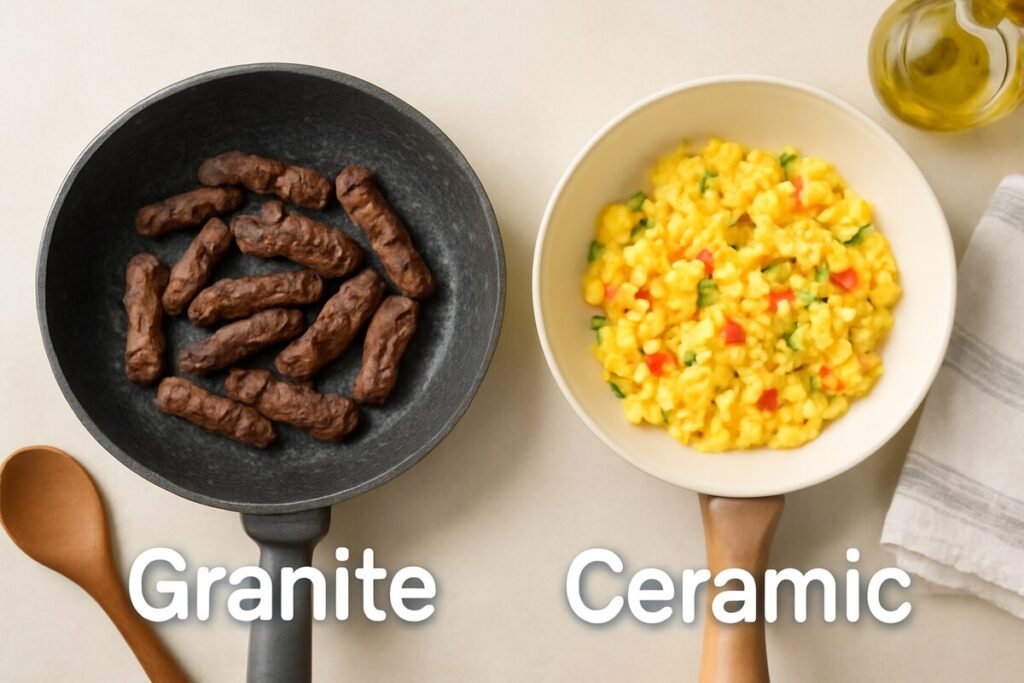
Comparing Granite And Ceramic Cookware
Granite and ceramic cookware are popular choices in many kitchens. Both offer non-stick surfaces and unique designs.
Choosing the right cookware depends on how it heats, wears, and cleans. This guide compares these key points.
Heat Distribution And Cooking Impact
Granite cookware often has an aluminum core that spreads heat evenly. This helps food cook without hot spots.
Ceramic cookware heats up quickly but may not spread heat as evenly. It can cause some areas to cook faster.
- Granite offers steady heat and less chance of burning food
- Ceramic heats fast but may need careful temperature control
- Both are good for low to medium heat cooking
Scratch Resistance And Wear
Granite cookware usually has a strong coating that resists scratches well. It holds up to metal utensils better.
Ceramic cookware has a softer surface that can scratch more easily. Using wooden or silicone tools is best.
- Granite is more durable against scratches
- Ceramic needs gentle use to avoid damage
- Both can wear down if overheated or used roughly
Cleaning Methods And Safety
Granite cookware cleans easily with warm water and mild soap. It is usually dishwasher safe but check the label.
Ceramic cookware can stain if not cleaned soon. Avoid harsh cleaners and use soft sponges to keep the surface safe.
- Granite handles dishwasher cleaning better
- Ceramic needs careful washing to avoid damage
- Both cookware types do not release harmful chemicals when used correctly

Credit: kitchenpluse.com
Tips For Choosing Safe Cookware
Choosing the right cookware is important for your health. Some materials may release harmful substances when heated.
This guide helps you pick safe granite or ceramic cookware. Follow these tips to protect your family.
Certifications To Look For
Check for certifications to ensure cookware safety. These prove the product meets health standards.
Look for labels from trusted organizations. They test materials for harmful chemicals and durability.
- FDA approval for food safety
- LFGB certification from Germany
- NSF certification for non-toxic materials
- European CE marking for safety standards
Avoiding Harmful Chemicals
Some cookware has coatings with harmful chemicals. Avoid items with PFOA, PFAS, and lead.
Granite and ceramic cookware should be free from toxic substances. Check product labels carefully.
- Choose PFOA-free and PFAS-free products
- Avoid lead or cadmium in ceramic glazes
- Pick non-toxic, food-safe coatings
- Research brand safety records before buying
Proper Use And Maintenance
Use cookware as the manufacturer instructs. Wrong use can damage the coating and release toxins.
Clean and store cookware properly to keep it safe and last longer.
- Do not overheat empty cookware
- Use soft sponges to avoid scratches
- Hand wash instead of using a dishwasher
- Replace cookware if coating chips or peels
Alternatives To Granite And Ceramic
Granite and ceramic cookware are popular but not the only healthy choices. Many people look for other options that suit their cooking needs and health preferences. Choosing the right cookware can help you cook better meals safely.
Below are some common alternatives to granite and ceramic cookware. Each type has its benefits and things to watch out for. Learning about these can help you pick the best cookware for your kitchen.
Stainless Steel Benefits
Stainless steel cookware is strong and lasts a long time. It does not react with food, so it keeps meals safe and tasty. Many chefs like it because it heats evenly and cleans easily.
This type of cookware does not have harmful coatings. It works well for frying, boiling, and sautéing. Stainless steel is also dishwasher safe and can handle high heat without damage.
Cast Iron Pros And Cons
Cast iron cookware holds heat very well, making it great for slow cooking and frying. It can add iron to your food, which is good for health. Cast iron lasts for decades if cared for properly.
Cast iron can be heavy and needs regular seasoning to keep food from sticking. It may rust if not dried well. Some acidic foods can react with the iron and change taste.
- Pros: Durable, adds iron, great heat retention
- Cons: Heavy, needs seasoning, reacts with acidic foods
Non-stick Options And Safety
Non-stick cookware uses coatings to prevent food from sticking. It makes cooking and cleaning easier. Many modern non-stick pans are free from harmful chemicals like PFOA.
Non-stick pans should not be overheated to avoid damage. Use wooden or silicone tools to protect the coating. Choosing high-quality non-stick cookware helps keep your meals safe.
Frequently Asked Questions
Is Granite Cookware Safe For Daily Use?
Granite cookware is generally safe for daily use. It features a non-stick surface without harmful chemicals like PFOA. However, ensure it’s from a reputable brand. Avoid using high heat and metal utensils, as they can damage the coating. Always follow the manufacturer’s care instructions for longevity and safety.
Does Ceramic Cookware Release Toxins?
Ceramic cookware is considered toxin-free. It’s made without harmful chemicals like PTFE and PFOA. The non-stick surface is safe, even when overheated. However, ensure it’s 100% ceramic, not just ceramic-coated. Always verify the brand’s claims and certifications for peace of mind.
Which Is More Durable, Granite Or Ceramic Cookware?
Granite cookware is generally more durable than ceramic. It has a harder surface that resists scratches and chips. Ceramic cookware can be prone to cracking or chipping if dropped. Both require careful handling to maintain their non-stick properties and longevity.
Can Granite Cookware Affect Food Taste?
Granite cookware does not affect food taste. Its non-stick surface ensures food cooks evenly without altering flavors. However, using high-quality cookware is essential. Cheap or damaged granite cookware might lead to uneven cooking or off-flavors. Always choose reputable brands for best results.
Conclusion
Choosing between granite and ceramic cookware depends on your cooking style. Both types offer safe, healthy options when used properly. Granite cookware often resists scratches and heat well. Ceramic cookware provides a non-stick surface without harmful chemicals. Cleaning is easy for both, saving you time.
Consider durability, maintenance, and cooking preferences. Small details can make a big difference. Healthy cooking starts with the right tools. Pick what fits your kitchen and habits best.