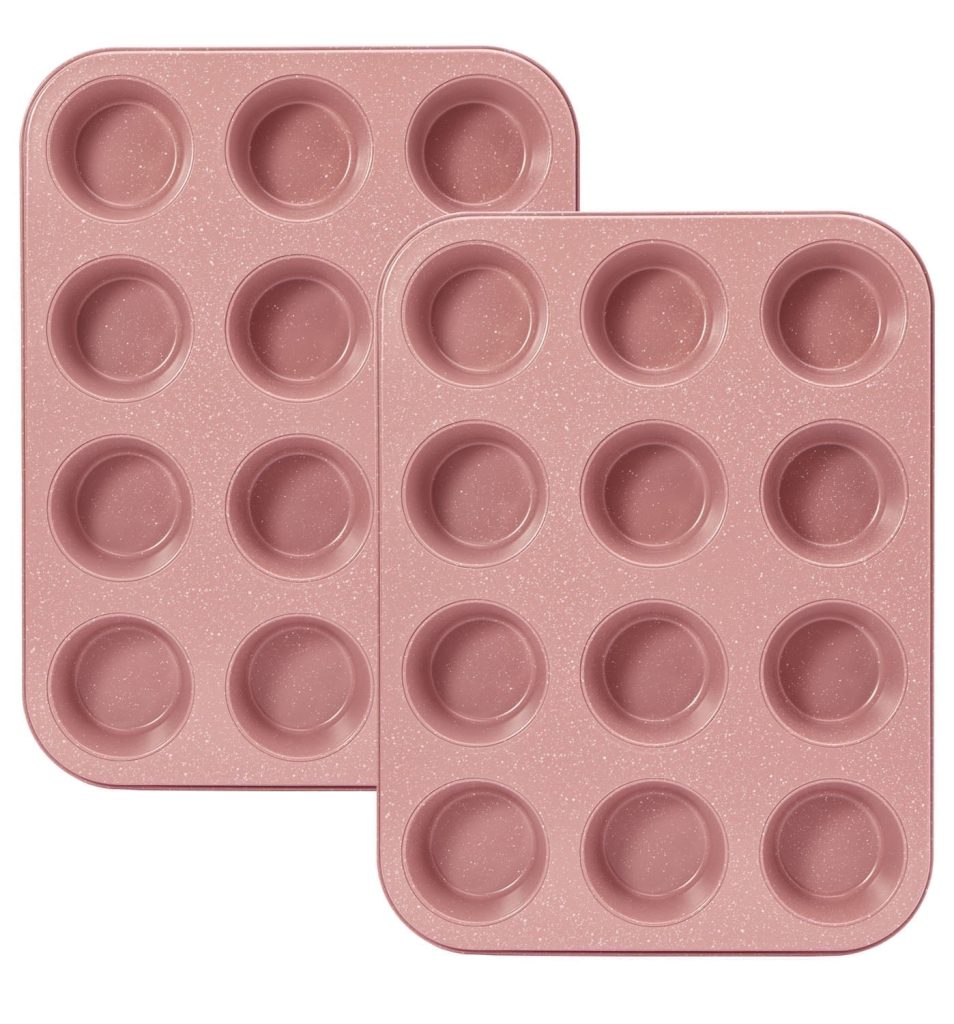
Are you wondering if a muffin pan and a cupcake pan are actually the same thing? It’s a question many home bakers ask, especially when shopping for new bakeware.
You might think they’re interchangeable, but there are subtle differences that can affect how your treats turn out. Understanding these differences can help you bake perfect muffins and cupcakes every time. Keep reading to discover what sets these pans apart and how choosing the right one can make your baking easier and more enjoyable.
Design Differences
Muffin pans and cupcake pans look similar but have key design differences. These differences affect baking results and usage.
Understanding these design traits helps you pick the right pan for your baking needs.
Shape And Size Variations
Muffin pans usually have larger cups than cupcake pans. Muffin cups are deeper and wider to hold more batter.
Cupcake pans have smaller, shallower cups. This size helps cupcakes bake evenly and rise well.
- Muffin cups: bigger, often about 3 inches wide
- Cupcake cups: smaller, about 2 inches wide
- Muffin cups can be rounded or slightly flared
- Cupcake cups tend to be straighter with smooth sides
Material And Coating Differences
Both pans come in metal, silicone, or nonstick versions. But coatings may differ for each pan.
Muffin pans often have thicker metal to handle more batter weight. Cupcake pans focus on even heat for small cakes.
- Metal pans: common for both, offer good heat conduction
- Nonstick coating: helps easy release of cupcakes and muffins
- Silicone pans: flexible and easy to clean, used for both types
- Muffin pans may have tougher coatings to resist batter sticking
Baking Performance
Many people wonder if a muffin pan and a cupcake pan bake the same. Both pans look alike but can affect baking differently. It is important to understand these differences for best results.
This section explains how heat distribution, baking time, and texture change when using each pan.
Heat Distribution
Muffin pans are usually thicker and heavier than cupcake pans. This helps them spread heat evenly. Even heat helps muffins bake without burning on edges.
Cupcake pans are often lighter and thinner. They can heat up faster but may cause uneven baking. This might lead to some cupcakes baking quicker than others.
- Muffin pans offer steady heat across all cups
- Cupcake pans heat up quickly but may have hot spots
- Material thickness affects how heat moves through the pan
Baking Time And Texture
Baking time can differ between muffin and cupcake pans. Muffin pans hold heat longer, so muffins may take more time to bake fully. Cupcakes in thinner pans bake faster.
The texture of the baked goods also changes. Muffins baked in thick pans tend to be moist and soft. Cupcakes baked quickly in thin pans may have a lighter texture with crisp edges.
- Muffin pans need longer baking time for even cooking
- Cupcake pans bake faster, watch closely to avoid drying
- Muffins usually come out dense and moist
- Cupcakes tend to be lighter with a delicate crust
Common Uses
Muffin pans and cupcake pans look alike but serve different purposes. Both pans have round molds, but their uses vary in the kitchen.
Understanding how to use each pan helps you bake the right treats with ease. Below are typical recipes and applications for both pans.
Typical Recipes For Muffin Pans
Muffin pans are perfect for baking items that are larger and less sweet than cupcakes. They hold more batter and often produce a denser texture.
- Blueberry muffins
- Bran muffins
- Cheese and herb savory muffins
- Breakfast egg muffins with vegetables
- Mini quiches
Popular Cupcake Pan Applications
Cupcake pans are designed for baking sweet, light, and fluffy cupcakes. They help cupcakes rise evenly and keep their shape during baking.
| Recipe | Use |
| Classic vanilla cupcakes | Perfect for parties and celebrations |
| Chocolate cupcakes | Great for dessert treats |
| Red velvet cupcakes | Used with cream cheese frosting |
| Mini cheesecakes | Baked in cupcake molds for single servings |
| Decorated birthday cupcakes | Easy to frost and personalize |

Credit: www.nordicware.com
Cleaning And Maintenance
Both muffin pans and cupcake pans require proper cleaning to keep them in good condition. Knowing how to clean and maintain them helps your baking tools last longer.
Even though they look similar, their cleaning needs can differ slightly. This guide covers key points for ease of cleaning and durability.
Ease Of Cleaning
Muffin pans often have deeper cups than cupcake pans. This can make cleaning tougher, especially if batter sticks inside the cups. Cupcake pans usually have smoother surfaces.
- Use warm, soapy water to soak pans before washing.
- A soft brush helps reach into muffin pan cups better.
- Non-stick pans clean easier but avoid metal scrubbers.
- Dry pans completely to prevent rusting.
Durability Considerations
The material affects how long the pans last. Both types come in metal, silicone, or non-stick finishes. Each type needs special care to stay strong.
| Material | Care Tips | Durability |
|---|---|---|
| Metal | Hand wash and dry well to avoid rust | High if maintained |
| Silicone | Dishwasher safe but can tear if stretched | Moderate |
| Non-stick | Use soft sponges, no metal utensils | Good but coating can wear |
Choosing The Right Pan
Choosing the right pan can change how your baked goods turn out. Muffin pans and cupcake pans look similar but serve different needs.
Knowing the differences helps you pick the best pan for your recipe. This guide explains what to consider and when to use each pan.
Factors To Consider
Size matters. Muffin pans usually have larger cups than cupcake pans. This affects baking time and portion size.
- Material: Choose metal for even heat or silicone for easy release.
- Shape: Cupcake pans have straight sides; muffin pans often have sloped sides.
- Capacity: Muffin pans hold more batter, making bigger treats.
- Cleaning: Non-stick pans clean easier but may wear out faster.
When To Use Each Pan
| Pan Type | Best For | Notes |
| Muffin Pan | Hearty muffins and breads | Use for larger portions and denser batters |
| Cupcake Pan | Light cupcakes with frosting | Better for uniform shape and size |
Use muffin pans for recipes needing more space to rise. Cupcake pans fit recipes that require a neat, even look.

Credit: www.amazon.ca
Credit: www.walmart.com
Frequently Asked Questions
Are Muffin And Cupcake Pans Interchangeable?
Yes, muffin and cupcake pans are generally interchangeable. Both have similar cup sizes and can be used for baking muffins or cupcakes. However, cupcake pans may have a slightly shallower depth. This means they produce slightly smaller cupcakes. The choice depends on personal preference and desired results.
What Is The Difference Between Muffin And Cupcake Pans?
The main difference is in the depth. Muffin pans are typically deeper, allowing muffins to rise and form a dome. Cupcake pans are slightly shallower, ideal for flat-topped cupcakes. Both pans have the same width, making them interchangeable for most recipes.
Can I Use A Muffin Pan For Cupcakes?
Yes, you can use a muffin pan for cupcakes. The deeper cups may result in taller cupcakes with a dome shape. This can be ideal for certain decorations. Adjust baking time if necessary to ensure even cooking.
Why Do Muffins And Cupcakes Have Different Shapes?
Muffins often have a dome shape due to deeper pans and thicker batter. Cupcakes are flatter because of their shallower pans and lighter batter. The shape also affects texture and taste, contributing to their distinct identities.
Conclusion
Muffin pans and cupcake pans look alike but have small differences. Muffin pans usually have bigger cups and rougher sides. Cupcake pans have smaller, smoother cups for delicate cakes. You can use them to bake, but results may change. Choosing the right pan helps your baked goods turn out best.
Knowing these differences makes baking easier and more fun. Try both to see which you like most. Baking is about enjoying the process and tasting good treats.