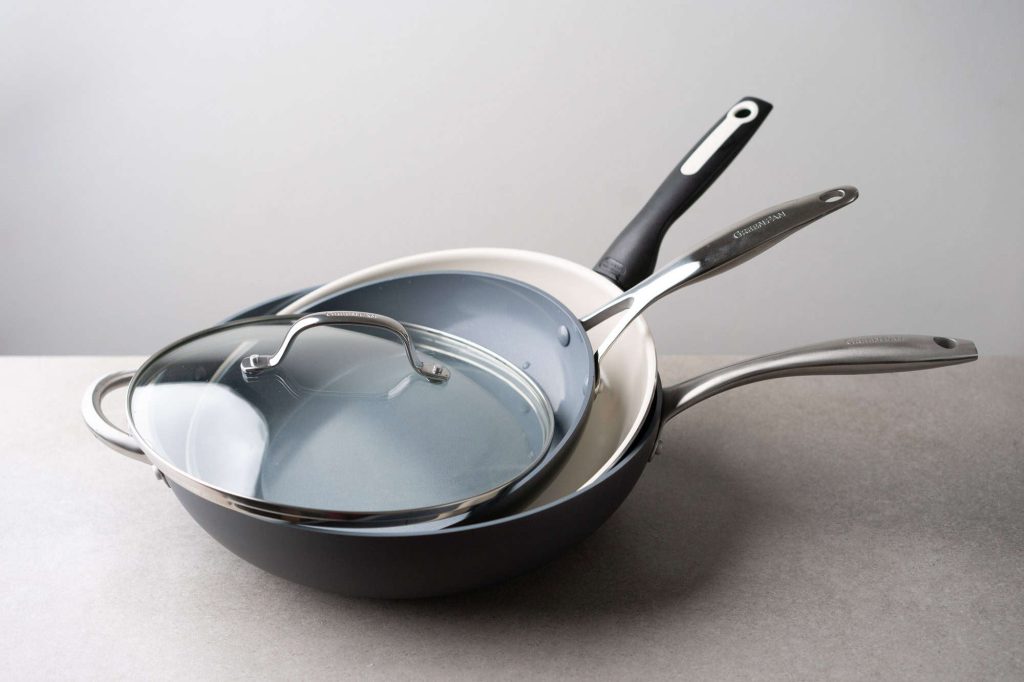
Are you wondering if your Green Pan is safe to use every day? With so many cooking options out there, it’s natural to worry about what’s really inside your cookware.
You want to protect your health without giving up the convenience of a non-stick pan. But how can you be sure your Green Pan isn’t releasing harmful chemicals into your food? Keep reading to discover the truth about Green Pan’s safety, so you can cook confidently and enjoy every meal without worry.
Credit: www.hungryhuy.com
Green Pan Materials
Green Pan cookware is known for its unique materials. These materials make cooking safer and easier.
This article looks at the main materials used in Green Pan products. It also compares them to traditional pans.
Ceramic Non-stick Coating
Green Pan uses a ceramic non-stick coating called Thermolon. It is free from PFAS, PFOA, lead, and cadmium.
- The coating is made from sand, which is natural.
- It provides a smooth cooking surface that resists sticking.
- The coating can handle higher heat than traditional non-stick coatings.
- It is safer for health and the environment.
Base Metals Used
Green Pan pans use different base metals under the ceramic coating. These metals affect heat distribution and durability.
| Metal | Feature | Use in Green Pan |
| Aluminum | Lightweight and good heat conductor | Common base for many models |
| Stainless Steel | Durable and resistant to rust | Used in some models for strength |
| Hard-Anodized Aluminum | Stronger and more scratch-resistant | Used in premium lines |
Comparison With Traditional Pans
Traditional non-stick pans often use PTFE-based coatings. These can release toxic fumes if overheated.
- Green Pan uses ceramic coatings that do not release toxins.
- Traditional pans may contain harmful chemicals like PFOA.
- Green Pan coatings are more heat resistant and eco-friendly.
- Metal bases in Green Pan improve cooking performance.
Chemical Composition
Green Pan cookware uses a special coating that is free from harmful chemicals. Understanding its chemical makeup helps us know if it is safe to use.
This section explains important parts of Green Pan’s materials and what they mean for health.
Presence Of Pfas And Pfoa
PFAS and PFOA are chemicals often found in non-stick coatings. They can be harmful to health if used in cookware.
Green Pan does not use PFAS or PFOA in its coatings. This makes it safer compared to some other non-stick pans.
Heavy Metals Concerns
Heavy metals like lead or cadmium can be toxic if they leach into food. Some cookware may contain these metals.
Green Pan tests its products to ensure they do not release harmful heavy metals. This helps keep cooking safe.
Natural Vs Synthetic Ingredients
Green Pan uses a ceramic non-stick coating made mostly from natural minerals. This is different from traditional synthetic coatings.
The natural ingredients reduce the need for chemicals that may harm health or the environment.
Health Risks
Green Pan cookware claims to use safe materials. It is important to know if it has any health risks. This section explains possible dangers linked to Green Pan.
We will look at toxicity, allergic reactions, and long-term exposure effects. Understanding these helps you make safe choices for your kitchen.
Potential Toxicity
Green Pan uses a ceramic non-stick coating that is free from PFAS, PFOA, lead, and cadmium. These chemicals are harmful in many pans. Green Pan aims to avoid these toxins.
Despite this, overheating Green Pan cookware above recommended temperatures can release fumes. These fumes may cause short-term irritation to the lungs and eyes.
Allergic Reactions
Some people may be allergic to materials used in Green Pan handles or coatings. These allergies are rare but possible.
Skin contact with damaged cookware might cause redness or itching. Avoid using scratched or chipped pans to reduce risks.
- Watch for skin irritation after use
- Discontinue use if allergy symptoms appear
- Consult a doctor for severe reactions
Long-term Exposure Effects
Long-term use of Green Pan is considered safer than traditional non-stick pans with toxic chemicals. The ceramic coating is more stable.
Still, repeated overheating or damage to the pan may reduce its safety over time. This can increase exposure to harmful particles.
- Use cookware within temperature limits
- Replace pans with visible damage
- Maintain proper cleaning and care
Safety Certifications
GreenPan is a popular brand of cookware known for its non-stick surface. Many people wonder if it is safe to use. Safety certifications help show if a product meets health standards.
These certifications come from trusted organizations that test materials and chemicals. They help buyers understand the safety of GreenPan products.
Fda And Epa Regulations
The Food and Drug Administration (FDA) checks if food contact materials are safe. GreenPan cookware uses materials that meet FDA rules. This means no harmful chemicals can leak into food.
The Environmental Protection Agency (EPA) regulates chemicals that affect health and the environment. GreenPan’s materials meet EPA standards for low toxicity. This helps reduce pollution and health risks.
Third-party Testing Results
Independent labs test GreenPan cookware to check safety. These tests look for toxic substances like PFOA and PFAS. GreenPan products usually pass these tests with no harmful chemicals found.
Third-party testing gives extra proof that GreenPan is safe for cooking. It shows the brand follows strict safety rules beyond basic laws.
Eco-friendly Claims
GreenPan promotes eco-friendly production. They use recycled materials and safe coatings. These efforts reduce harm to the environment.
- Free from PFAS, PFOA, lead, and cadmium
- Energy-efficient manufacturing processes
- Non-toxic ceramic coating
- Recyclable packaging
User Experiences
Many people use Green Pan cookware and share their thoughts. Their experiences help others know if it is safe or not.
This section looks at what users say about Green Pan and its safety. It covers complaints, praise, and expert opinions.
Common Complaints
Some users report problems with Green Pan. A few mention the coating wears off after months. Others worry about chemical smells when cooking.
Some complaints include uneven heating and food sticking after heavy use. A small number say the handles get hot during cooking.
- Coating chipping or peeling after long use
- Unpleasant smell during first few uses
- Food sticks if not used with enough oil
- Handles can become hot on stovetop
Positive Feedback
Many users like Green Pan for its non-stick surface and easy cleaning. They say it cooks food evenly and saves oil.
People also appreciate that Green Pan uses ceramic coating instead of traditional chemicals. They feel safer cooking with it daily.
- Easy to clean after cooking
- Non-stick surface works well with little oil
- Even heat distribution during cooking
- Ceramic coating feels safer than some other pans
Expert Reviews
Experts say Green Pan uses a ceramic non-stick coating called Thermolon. It does not contain PFAS or PFOA, which are harmful chemicals.
Some tests show Green Pan is safe for cooking at normal temperatures. Experts advise not to overheat it to keep the coating intact.
- Free from PFAS and PFOA chemicals
- Ceramic coating is safer than traditional non-stick
- Safe to use if not overheated
- Durability depends on user care and heat level
Proper Use And Maintenance
Green Pan cookware is popular for its non-stick surface and healthy cooking. Knowing how to use and care for it keeps it safe and lasting longer.
Proper use and maintenance help prevent damage and reduce any health risks. Follow simple steps to cook safely and clean well.
Safe Cooking Practices
Use Green Pan on low to medium heat to avoid overheating. High heat can damage the non-stick coating and release fumes.
Avoid using metal utensils. They can scratch the surface and reduce the pan’s effectiveness.
- Cook on low or medium heat only
- Use silicone, wooden, or plastic utensils
- Do not preheat an empty pan for long
- Avoid sudden temperature changes
Cleaning Tips
Let the pan cool before washing to avoid warping. Use warm water and mild dish soap to clean it gently.
Do not use abrasive sponges or harsh cleaners. They can scratch the non-stick surface and lower its quality.
- Cool the pan before cleaning
- Wash with soft sponge and mild soap
- Do not use steel wool or rough scrubbers
- Dry the pan well before storing
Extending Pan Lifespan
Store Green Pan carefully to avoid scratches. Use a paper towel or cloth between stacked pans.
Regularly check for damage. Replace the pan if the coating peels or wears off to stay safe.
- Use low to medium heat for cooking
- Avoid metal utensils and sharp tools
- Clean gently with mild soap and soft sponge
- Store with padding between pans
- Replace pan if coating is damaged
Alternatives To Green Pan
Green Pan is popular for its ceramic non-stick coating. Some people wonder if it is toxic. If you want other safe options, many alternatives exist.
This guide covers other ceramic pans, cast iron and stainless steel, and non-toxic cookware options. You can find what fits your needs best.
Other Ceramic Pans
Ceramic pans use a silica-based coating. They are free from PTFE and PFOA chemicals. Many brands offer ceramic pans with similar safety profiles to Green Pan.
- Choose pans labeled PTFE and PFOA free
- Look for durable ceramic coatings that resist chipping
- Check user reviews for heat resistance and safety
- Consider brands that use natural materials in coatings
Cast Iron And Stainless Steel
Cast iron and stainless steel pans do not have chemical coatings. They are durable and safe when used properly. Both types can last for decades.
| Cookware Type | Pros | Cons |
| Cast Iron | Retains heat well, natural non-stick if seasoned | Heavy, requires maintenance |
| Stainless Steel | Non-reactive, easy to clean, durable | Food can stick if not preheated |
Non-toxic Cookware Options
Some pans use alternative materials that avoid toxins. These include glass, carbon steel, and anodized aluminum. Each has unique benefits for health and cooking.
Here are some non-toxic cookware types:
- Glass:Does not react with food but is fragile.
- Carbon Steel:Similar to cast iron but lighter and quicker to heat.
- Anodized Aluminum:Hard surface with no aluminum leaching.
Credit: www.greenpan.us

Credit: www.greenpan.us
Frequently Asked Questions
Is Green Pan Cookware Safe For Health?
Green Pan cookware is safe for health. It uses Thermolon, a ceramic non-stick coating free from PFOA, PFAS, lead, and cadmium. This ensures no toxic fumes are released, even if overheated. Green Pan offers a healthy cooking alternative to traditional non-stick options.
Does Green Pan Contain Harmful Chemicals?
Green Pan does not contain harmful chemicals like PFOA or PFAS. Its non-stick coating is made from natural minerals, ensuring a toxin-free cooking experience. This makes it a safer choice for health-conscious individuals seeking eco-friendly cookware options.
Is Green Pan Free From Teflon?
Yes, Green Pan is free from Teflon. It uses a ceramic non-stick coating called Thermolon instead of traditional PTFE-based coatings. This offers a safer, environmentally friendly alternative without compromising on cooking performance.
Can Green Pan Release Toxic Fumes?
Green Pan does not release toxic fumes. Its Thermolon ceramic coating is free from PFOA, PFAS, and other harmful chemicals. This ensures a safe cooking experience, even at high temperatures, making it a reliable choice for health-conscious individuals.
Conclusion
Green Pan is generally safe for cooking. It uses non-toxic materials that do not harm your health. Avoid overheating to keep the coating intact. Clean the pan gently to prolong its life. Choosing Green Pan means choosing safer cookware. Remember, proper use matters more than the brand.
Cook with care and enjoy healthy meals every day.