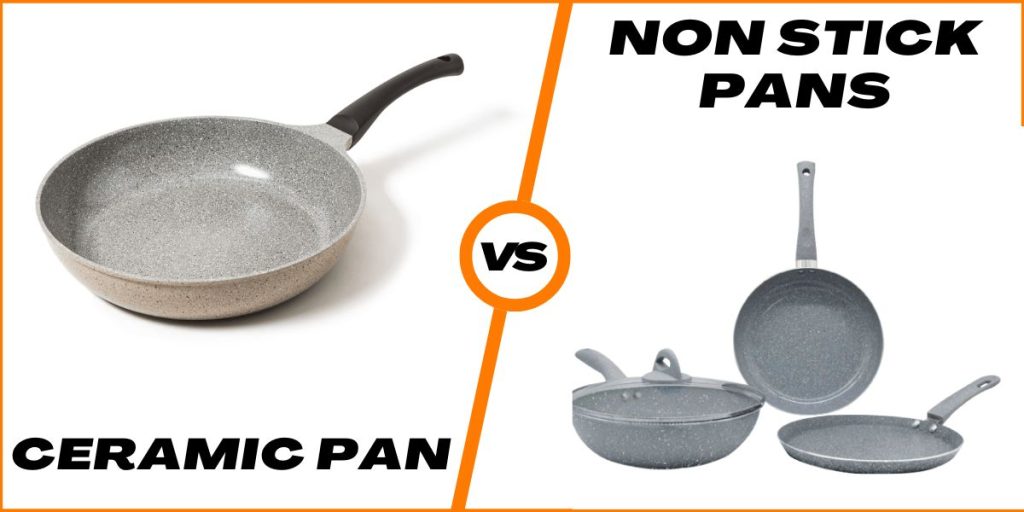
Are you tired of scrubbing stubborn food off your pans? Wondering if ceramic cookware might be the answer instead of your usual non-stick pots?
Choosing the right cookware can make a huge difference in your cooking experience and health. But with so many options, it’s easy to feel confused. This article will help you find out if ceramic is truly better than non-stick, so you can make the best choice for your kitchen and your family.
Keep reading to discover the surprising facts that will change how you cook forever.
Ceramic Cookware Basics
Ceramic cookware is popular for cooking food without sticking. It uses a ceramic coating on metal pots and pans.
This type of cookware is often compared to non-stick options. Both have their unique features and uses in the kitchen.
Material Composition
Ceramic cookware has a metal base that is coated with a layer of ceramic. This ceramic layer is made from natural minerals.
The coating is free from chemicals like PTFE and PFOA, which are found in some non-stick pans.
- Metal base usually aluminum or stainless steel
- Ceramic coating made from silica and minerals
- No synthetic chemicals in the ceramic layer
Heat Distribution
Ceramic cookware heats up evenly because of its metal base. This helps cook food without hot spots.
Non-stick pans also heat evenly but may vary depending on the metal used under the coating.
- Metal base spreads heat quickly
- Ceramic coating does not affect heat flow
- Good for cooking at medium heat levels
Durability Factors
Ceramic coatings can last long if cared for properly. They resist scratches better than some non-stick coatings.
Non-stick coatings may wear off faster with metal utensils or high heat.
- Avoid using metal tools on ceramic surfaces
- Clean with soft sponges to keep coating intact
- Do not use very high heat to protect the coating

Credit: www.360cookware.com
Non Stick Cookware Features
Non stick cookware helps food cook without sticking to the pan. It makes cooking and cleaning easier. Many kitchens use non stick pans for everyday cooking.
These pans usually have a special coating that stops food from sticking. This coating also affects how well the pan works and how long it lasts.
Common Coatings
Non stick pans use different coatings to keep food from sticking. The most common types are PTFE and ceramic. PTFE is often called Teflon. Ceramic coatings are made from a sand-based material.
- PTFE coatings are smooth and very slippery.
- Ceramic coatings are free of chemicals like PTFE.
- Some pans mix both types for better results.
- Each coating type has its own benefits and limits.
Performance Characteristics
Non stick pans heat food evenly and prevent burning. PTFE pans work well at low to medium heat. Ceramic pans can handle higher heat but may wear faster.
The smooth surface of non stick pans means food slides off easily. This helps cook eggs, pancakes, and fish without breaking them. Non stick pans use less oil for cooking.
- PTFE pans are very non stick but can overheat.
- Ceramic pans are safer at high heat but less durable.
- Both types reduce food sticking and clean up fast.
Maintenance Tips
To keep non stick pans working well, clean them gently. Use soft sponges and mild soap. Avoid metal tools that can scratch the coating.
Do not heat empty pans or use very high heat. Store pans carefully to prevent damage. Proper care helps the coating last longer.
- Wash pans by hand, avoid the dishwasher.
- Use wooden or silicone utensils only.
- Let pans cool before washing.
- Store pans with protection between them.
Health And Safety Concerns
Choosing the right cookware is important for your health. Both ceramic and non-stick pans have safety issues to consider.
This guide looks at health risks from chemicals, temperature limits, and food safety for ceramic and non-stick pans.
Chemical Risks
Non-stick pans often use chemicals like PTFE. When heated too much, these can release fumes. These fumes may harm your lungs.
Ceramic pans usually have a coating made from natural materials. They do not release harmful chemicals when heated.
- Non-stick coatings may contain PFOA, a harmful chemical
- Ceramic coatings are free from PTFE and PFOA
- Ceramic pans are safer for people with chemical sensitivities
Temperature Limits
Non-stick pans can be damaged if heated above 500°F (260°C). High heat can break down the coating and release toxins.
Ceramic pans tolerate higher temperatures, usually up to 850°F (454°C). This makes them better for cooking at high heat.
- Non-stick pans: safe below 500°F (260°C)
- Ceramic pans: safe up to 850°F (454°C)
- Use low to medium heat with non-stick pans
- Ceramic pans allow more cooking flexibility
Food Safety
Non-stick coatings can scratch easily. Scratches may cause flakes to mix with food, which is not good for health.
Ceramic coatings are harder and more scratch-resistant. They do not release particles into food during normal use.
- Avoid metal utensils on non-stick pans to prevent scratches
- Ceramic pans can handle metal utensils better
- Check cookware regularly for damage
- Replace pans if coating is peeling or flaking
:max_bytes(150000):strip_icc()/sea-kyocera-ceramic-nonstick-frying-pan-ashlee-redger-10-e75cc6d2f22c42498d6fd9c2a18893b1.jpeg)
Credit: www.seriouseats.com
Cooking Performance Comparison
Ceramic and non-stick cookware are popular choices in many kitchens. Both have unique features that affect cooking results. Understanding their differences helps you choose the best option for your cooking style.
This comparison focuses on heat retention, stick resistance, and cleaning ease. Each factor influences how well your food cooks and how easy cleanup will be.
Heat Retention
Ceramic cookware tends to hold heat longer than non-stick pans. This means food cooks evenly and stays warm after cooking. Non-stick pans heat up quickly but lose heat faster once removed from the stove.
Good heat retention helps with dishes that need steady cooking, like stews or sauces. Ceramic’s ability to keep heat can save energy and time.
Stick Resistance
| Cookware Type | Stick Resistance | Durability |
| Ceramic | Good for low to medium heat | Can wear with heavy use |
| Non-Stick | Excellent for most cooking | Coating can scratch or peel |
Non-stick pans usually provide better stick resistance than ceramic ones. They allow cooking with less oil and are ideal for eggs and pancakes. Ceramic coatings can lose their smoothness over time.
Cleaning Ease
- Non-stick pans clean easily with a soft sponge.
- Ceramic pans may need gentle scrubbing for stuck food.
- Both should avoid harsh cleaners to protect surfaces.
- Non-stick coatings require care to prevent damage.
- Ceramic coatings resist staining better than non-stick.
Cleaning non-stick pans is generally faster. Ceramic pans can be more forgiving with scratches but might need more effort to clean thoroughly.
Longevity And Wear
Ceramic and non-stick coatings differ in how long they last and how they wear out. This affects their use in kitchens over time.
Understanding their scratch resistance, coating degradation, and warranty helps choose the right cookware.
Scratch Resistance
Ceramic coatings are harder and resist scratches better than many non-stick coatings. This means they stay smooth longer.
Non-stick coatings can scratch easily if used with metal utensils. Scratches reduce their effectiveness quickly.
Coating Degradation
Ceramic coatings break down slower because they use natural minerals. They handle heat well without losing their surface.
- Non-stick coatings lose their finish after frequent use at high heat.
- Ceramic coatings resist damage from heat and cooking oils.
- Both types need gentle cleaning to avoid damage.
Warranty And Lifespan
| Feature | Ceramic Cookware | Non-Stick Cookware |
| Average Warranty | 1 to 3 years | 1 to 2 years |
| Typical Lifespan | 2 to 5 years | 1 to 3 years |
| Common Issues | Chipping or cracking | Peeling or flaking |

Credit: www.youtube.com
Cost And Value
Choosing between ceramic and non-stick cookware depends on cost and value. This guide looks at key factors to help you decide.
We will explore initial price, replacement frequency, and overall investment for both types.
Initial Price
Ceramic cookware usually costs more upfront than non-stick options. The price varies by brand and quality.
Non-stick pans are often cheaper but may have fewer features.
Replacement Frequency
Non-stick coatings can wear off after a few years. This leads to more frequent replacements.
- Ceramic pans last longer with proper care.
- Non-stick pans may need replacing every 1-3 years.
- Ceramic coatings resist scratches better.
Overall Investment
| Type | Average Cost | Replacement Span | Value Over Time |
| Ceramic | $50 – $150 | 5 – 10 years | Higher due to durability |
| Non-Stick | $20 – $80 | 1 – 3 years | Lower because of frequent replacement |
Choosing ceramic might mean paying more now but saving money later. Non-stick is cheaper first but may cost more over time.
Environmental Impact
Ceramic and non-stick cookware have different effects on the environment. Understanding these effects helps you choose better products.
We will look at how they are made, thrown away, and their sustainability.
Manufacturing Process
Ceramic cookware is made by coating metal with a layer of ceramic. The ceramic is made from natural materials like sand and minerals.
Non-stick pans use chemicals like PTFE and PFOA. These chemicals can harm the environment during production.
- Ceramic uses natural raw materials
- Non-stick uses synthetic chemicals
- Chemical production can release pollutants
Disposability
Ceramic cookware lasts longer and can be recycled in some places. It breaks down more easily in landfills.
Non-stick pans often wear out faster. Their chemical coatings can release toxins if burned or broken.
- Ceramic can be recycled or safely discarded
- Non-stick may release harmful chemicals when damaged
- Shorter lifespan means more waste for non-stick
Sustainability Factors
Ceramic cookware is more eco-friendly because it uses fewer chemicals. It also lasts longer, reducing waste.
Non-stick cookware needs careful disposal and replacement. It may add to pollution and landfill problems.
- Ceramic uses natural materials and lasts longer
- Non-stick needs more frequent replacement
- Ceramic has less chemical impact on nature
Choosing Based On Cooking Needs
Choosing between ceramic and non-stick cookware depends on your cooking habits. Each type works better for certain tasks.
Understanding your cooking needs helps pick the right option. This guide covers key points to consider.
Type Of Cooking
Ceramic pans handle high heat well. They are good for searing and frying.
Non-stick pans are best for gentle cooking like eggs or pancakes. They prevent food from sticking.
- Ceramic: good for browning and stir-frying
- Non-stick: ideal for delicate foods and low heat
- Ceramic can tolerate higher temperatures
- Non-stick coatings may break down with high heat
Frequency Of Use
If you cook often, durability matters. Ceramic cookware tends to last longer.
Non-stick pans need gentle care to keep the coating intact. Frequent use may wear them out faster.
- Frequent cooking favors durable ceramic pans
- Non-stick pans require careful cleaning
- Ceramic is less prone to scratches
- Non-stick may need replacement sooner
Personal Preferences
Some people prefer ceramic for its eco-friendly feel and look. Others like non-stick for easy cleaning.
Consider your comfort with maintenance and cooking style when choosing.
- Ceramic pans often require less oil
- Non-stick pans clean quickly
- Think about weight and handle comfort
- Choose what fits your kitchen habits
Frequently Asked Questions
What Are Ceramic Cookware Benefits?
Ceramic cookware is known for being non-toxic and eco-friendly. It provides even heat distribution and is easy to clean. Unlike some non-stick options, ceramic doesn’t release harmful fumes. It’s also aesthetically pleasing, often available in various colors and designs.
Is Ceramic Cookware Safe For Health?
Yes, ceramic cookware is generally safe for health. It doesn’t contain harmful chemicals like PFOA or PTFE. This makes it a healthier choice compared to some non-stick coatings. Always ensure the ceramic coating is intact to prevent any leaching of materials.
How Long Does Ceramic Cookware Last?
Ceramic cookware can last several years with proper care. Avoid using metal utensils to prevent scratches. Hand wash instead of using a dishwasher. Regular maintenance can extend its lifespan, ensuring you enjoy its benefits for a longer period.
Can Ceramic Cookware Go In The Oven?
Yes, most ceramic cookware is oven-safe. Always check the manufacturer’s guidelines for specific temperature limits. This versatility makes ceramic ideal for various cooking methods, from stovetop to oven. Ensure handles and lids are oven-safe as well.
Conclusion
Choosing between ceramic and non-stick depends on your cooking needs. Ceramic offers a natural, chemical-free surface. Non-stick pans heat quickly and clean easily. Both have strengths and weaknesses you should consider. Think about durability, ease of use, and health factors.
Your cooking style matters most in this choice. Either option can work well with proper care. Try both types to see which suits you best. Simple steps can help you make the right decision.