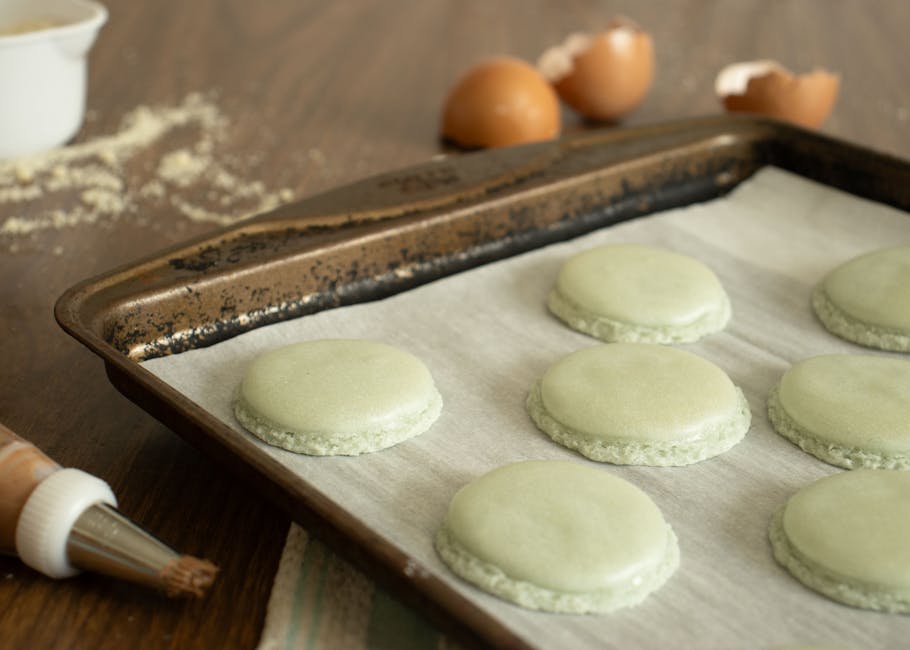
Have you ever wondered what a baking sheet really is and why it’s a must-have in your kitchen? Whether you’re just starting to explore baking or looking to improve your cooking skills, understanding this simple tool can make a big difference.
A baking sheet isn’t just a flat tray—it’s your secret weapon for perfect cookies, crispy veggies, and golden-brown treats every time. Keep reading, and you’ll discover how this one item can transform your cooking game and make baking easier and more fun than ever before.
Types Of Baking Sheets
Baking sheets come in different materials and styles. Choosing the right one helps with cooking and cleaning.
This guide explains four common types of baking sheets. Each type has unique features for baking needs.
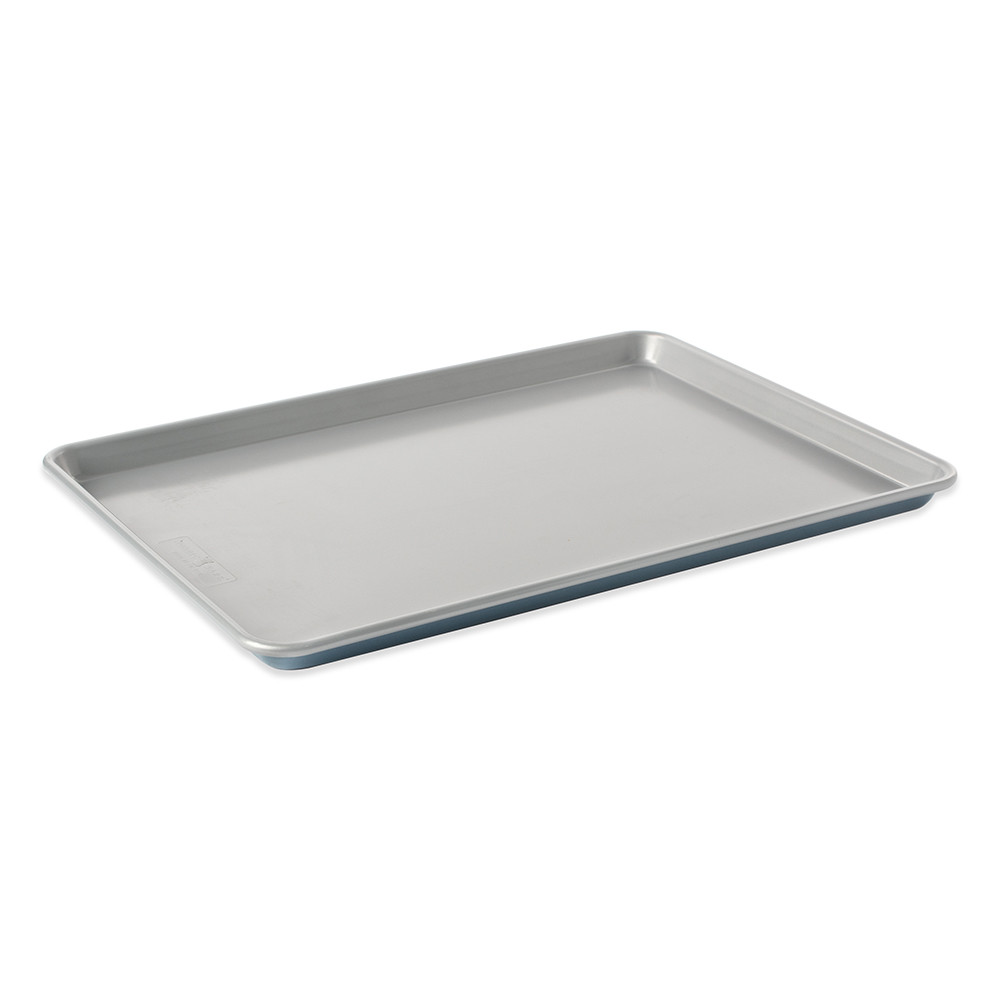
Aluminum Sheets
Aluminum baking sheets heat up quickly and evenly. They are lightweight and easy to handle.
These sheets are good for roasting vegetables and baking cookies. They may warp at high temperatures.
Stainless Steel Options
Stainless steel baking sheets are strong and durable. They resist rust and do not react with food.
They often have a dull finish and take longer to heat than aluminum sheets. Many cooks prefer them for heavy use.
Nonstick Surfaces
Nonstick baking sheets have a special coating to prevent food from sticking. This makes cleaning easier.
- Use silicone or wooden utensils to protect the surface
- Avoid metal scrubbing pads
- Nonstick sheets may wear out over time
- Good for baking sticky or delicate items
Silicone Baking Mats
Silicone mats fit on baking sheets and replace parchment paper. They provide a nonstick surface without coating the pan.
| Feature | Benefit |
| Reusable | Reduces waste and saves money |
| Flexible | Easier to store and clean |
| Heat resistant | Safe for oven temperatures up to 480°F |
| Nonstick | Prevents food from sticking without oil |
Choosing The Right Size
A baking sheet is a flat pan used in the oven to bake many foods. Choosing the right size helps your food cook evenly.
Picking a baking sheet that fits your recipes and oven space is important. This guide explains common sizes and how to choose.
Standard Dimensions
Standard baking sheets come in full, half, and quarter sizes. The full sheet is the largest and used in professional kitchens.
Here are the common sizes for baking sheets:
| Type | Dimensions (inches) |
|---|---|
| Full Sheet | 18 x 26 |
| Half Sheet | 13 x 18 |
| Quarter Sheet | 9 x 13 |
Half And Quarter Sheets
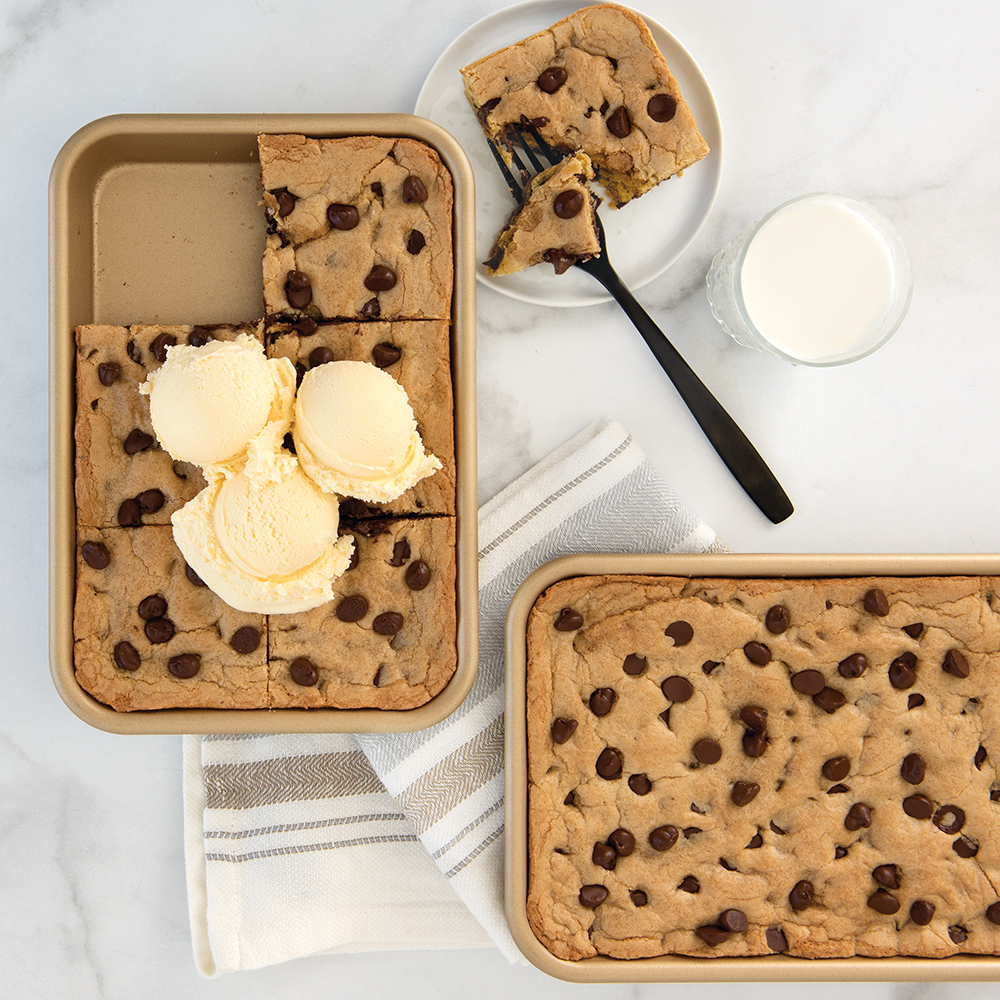
Half sheets are good for home ovens. They fit most racks and hold many cookies or baked goods.
Quarter sheets are smaller and easy to store. They are good for small batches or reheating food.
- Half sheets fit medium baking needs
- Quarter sheets save space in small kitchens
- Both sizes are easier to handle than full sheets
Fit For Your Oven
Before buying a baking sheet, measure your oven’s width and depth. Make sure the sheet fits without touching walls.
Some ovens have racks that slide in and out easily. Check how much space you need for air to flow around the pan.
- Measure inside your oven carefully
- Leave space for heat circulation
- Choose a sheet size that fits your cooking needs
Material Impact On Baking
The material of a baking sheet changes how heat moves through it. This affects how food cooks. Different materials also last differently and need different care.
Choosing the right baking sheet can help you bake better cookies, roast vegetables, and crisp foods just right.
Heat Conductivity
Heat conductivity is how fast heat passes through the baking sheet. Metals like aluminum and copper conduct heat well. This means food cooks evenly and quickly.
- Aluminum heats up fast and spreads heat evenly.
- Copper conducts heat best but is expensive.
- Stainless steel heats slower and can cause hot spots.
- Silicone sheets heat very slowly and are best for gentle baking.
Durability And Maintenance
Some materials last longer and need less care. Others may scratch or warp easily. Knowing how to clean and store your baking sheet helps it last.
| Material | Durability | Care Tips |
|---|---|---|
| Aluminum | Good, may warp at high heat | Hand wash, avoid harsh scrubbing |
| Stainless Steel | Very durable | Dishwasher safe, polish to keep shine |
| Non-stick Coated | Moderate, coating can scratch | Use soft sponges, avoid metal tools |
| Silicone | Good, flexible but can tear | Dishwasher safe, avoid sharp knives |
Effect On Browning And Crisping
How a baking sheet browns and crisps food depends on its material. Some materials help food get crisp and brown faster. Others keep food softer.
Here is a simple guide to how materials affect browning and crisping:
- Aluminum:Promotes even browning and crisp edges.
- Stainless Steel:Can cause uneven browning, may need longer time.
- Non-stick:Prevents sticking but may reduce crispiness.
- Silicone:Keeps food soft, not ideal for crisping.
Credit: www.nordicware.com
Using Baking Sheets Effectively
Baking sheets are handy tools for cooking many dishes. Using them right helps your food cook evenly and look great.
Learn simple tips to prepare your baking sheet, space your food well, and avoid damage to your sheet.
Preparing The Surface
Clean your baking sheet before use. A clean surface stops food from sticking and burning.
Use parchment paper or a silicone mat to protect the surface. This also makes cleanup easier.
Layering And Spacing Tips
Place food items with space between them. This helps hot air move around and cooks food evenly.
- Leave about 1 inch of space between cookies or pieces
- Do not overcrowd the sheet
- Use multiple sheets for large batches
- Arrange similar-sized items together
Avoiding Warping
| Cause | Tip to Avoid |
| Sudden temperature changes | Let the sheet cool before washing |
| Using high heat | Check manufacturer’s max temperature |
| Placing heavy items | Distribute weight evenly |
Cleaning And Care Tips
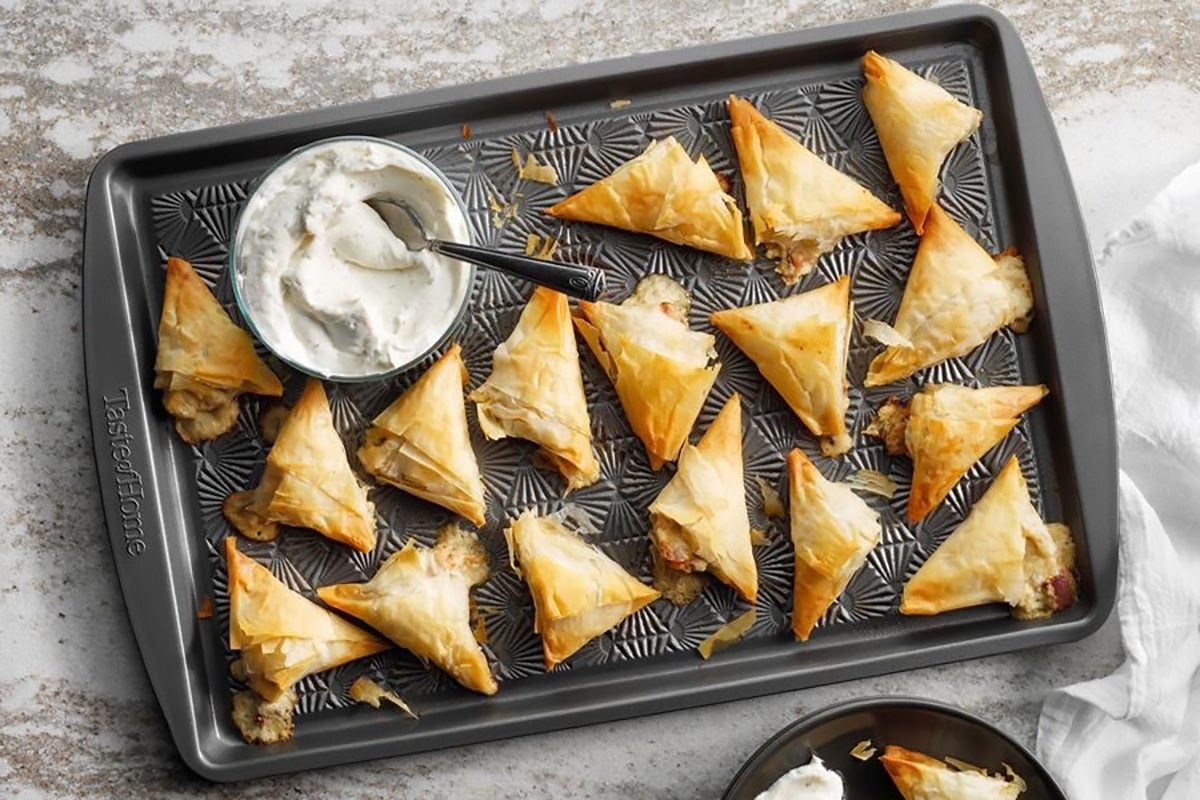
A baking sheet is a key tool in any kitchen. Keeping it clean helps it last longer. Proper care also keeps food tasting fresh.
Here are simple tips to prevent stains, clean safely, and store your baking sheet well.
Preventing Stains And Odors
Stains and smells can build up if you don’t clean your baking sheet right. Avoid this by removing food quickly and using gentle cleaning methods.
- Wipe off grease and crumbs right after use.
- Soak the sheet in warm, soapy water to loosen stuck food.
- Use a baking soda paste to scrub away tough stains.
- Rinse well to remove all cleaning residues.
Safe Cleaning Methods
Use safe ways to clean your baking sheet without damaging the surface. Avoid harsh chemicals and metal scrubbers that scratch or wear the finish.
| Cleaning Method | What to Use | What to Avoid |
| Soaking | Warm water and mild dish soap | Hot water that warps the sheet |
| Scrubbing | Soft sponge or nylon brush | Steel wool or metal scrubbers |
| Stain Removal | Baking soda paste or vinegar solution | Bleach or abrasive cleaners |
| Drying | Air dry or towel dry fully | Stack wet sheets together |
Storage Recommendations
Store your baking sheet carefully to keep it flat and clean. Proper storage prevents damage and keeps it ready for your next bake.
- Keep baking sheets dry before storing.
- Stack sheets with a cloth or paper towel between to avoid scratches.
- Store in a cool, dry place away from moisture.
- Hang sheets by a hook if space allows to keep them flat.
Credit: www.tasteofhome.com
Common Baking Sheet Mistakes
Baking sheets are a key tool in the kitchen. Many cooks make simple mistakes that affect baking results.
Understanding these mistakes helps you bake better cookies, breads, and more. Learn what to avoid.
Overcrowding The Pan
Putting too many items on a baking sheet stops heat from circulating well. This causes uneven baking.
- Leave space between pieces for air flow.
- Use multiple pans if needed.
- Avoid stacking food on top of each other.
- Follow recipe spacing guidelines.
Ignoring Oven Hot Spots
Ovens often have areas that are hotter or cooler. Ignoring these spots leads to burnt or undercooked food.
| Tip | Action |
| Test hot spots | Bake slices of bread to see which areas brown first. |
| Rotate pans | Turn trays halfway through baking for even heat. |
| Use oven thermometer | Check the real temperature inside your oven. |
| Adjust rack position | Place pans where heat is most even. |
Using The Wrong Sheet For Recipes
Not all baking sheets work for every recipe. Using the wrong one can change cooking time and texture.
Common baking sheet types:
- Dark, non-stick sheets:Heat faster, good for cookies but may burn delicate food.
- Light-colored aluminum sheets:Reflect heat, bake evenly for breads and pastries.
- Insulated sheets:Have a layer inside to prevent burning, great for even baking.
Baking Sheet Alternatives
A baking sheet is a flat pan used for baking cookies and roasting vegetables. Sometimes, you may not have one at home. Luckily, there are other kitchen tools you can use instead.
These alternatives work well for many recipes. They help you bake or roast food evenly without a baking sheet.
Cooling Racks
Cooling racks are metal grids used to cool baked goods. They can also be used as a baking surface. When placed on a baking pan, they allow heat to circulate around the food.
- Place the cooling rack inside a rimmed baking pan.
- Arrange food on the rack so hot air reaches all sides.
- Use for roasting small items like vegetables or chicken pieces.
Cast Iron Skillets
Cast iron skillets heat evenly and keep temperature well. They work great for baking and roasting food in the oven. You can use a cast iron skillet instead of a baking sheet for many recipes.
- Preheat the skillet before adding food for better cooking.
- Use it for items like cookies, pizza, or roasted vegetables.
- Be careful when handling, as cast iron stays hot for a long time.
Glass And Ceramic Trays
Glass and ceramic trays are common in many kitchens. They are sturdy and safe to use in ovens. These trays can replace baking sheets for baking and roasting tasks.
| Material | Best Use | Care Tips |
|---|---|---|
| Glass | Baking casseroles, roasting vegetables | Avoid sudden temperature changes to prevent cracking |
| Ceramic | Baking desserts, roasting meats | Use oven-safe trays only |
Credit: www.nordicware.com
Frequently Asked Questions
What Is A Baking Sheet Used For?
A baking sheet is used for baking or roasting food in the oven. It’s a flat, rectangular metal tray. You can use it for cookies, vegetables, or meats. The design ensures even heat distribution. It helps achieve perfect browning and crispiness.
Baking sheets are essential for many recipes.
Is A Baking Sheet The Same As A Cookie Sheet?
A baking sheet and a cookie sheet aren’t exactly the same. A cookie sheet is a type of baking sheet. Cookie sheets have one or two raised edges. This design allows easy sliding of cookies. Baking sheets generally have raised edges on all sides.
Both are used interchangeably in baking.
What Materials Are Baking Sheets Made Of?
Baking sheets are typically made from aluminum or stainless steel. Aluminum sheets offer even heat distribution. Stainless steel sheets are durable and resistant to rust. Some baking sheets come with non-stick coatings. This prevents food from sticking. Choose the material based on your baking needs and preferences.
How Do You Clean A Baking Sheet?
To clean a baking sheet, use warm soapy water and a sponge. Avoid abrasive cleaners to prevent scratches. For stubborn stains, make a paste with baking soda and water. Apply it, let it sit, and scrub gently. Rinse thoroughly and dry immediately to prevent rusting.
Conclusion
A baking sheet is a basic tool in any kitchen. It helps you bake cookies, roast vegetables, and cook many dishes. Choosing the right baking sheet can make cooking easier and cleaner. It comes in different sizes and materials to fit your needs.
Keep it clean and use it well for best results. Now you know why a baking sheet is important for everyday cooking. Try using one and enjoy simple, tasty meals.