Using a pressure cooker can save you time and effort in the kitchen, but knowing how to release pressure safely is key to avoiding accidents and keeping your food perfect. If you’ve ever felt unsure or nervous about opening your pressure cooker, you’re not alone.
You’ll discover simple, clear steps to release pressure quickly and safely every time. By the end, you’ll have the confidence to handle your pressure cooker like a pro, making your cooking experience easier and stress-free. Keep reading to learn the essential tips you need right now.

Credit: instantpot.co.nz
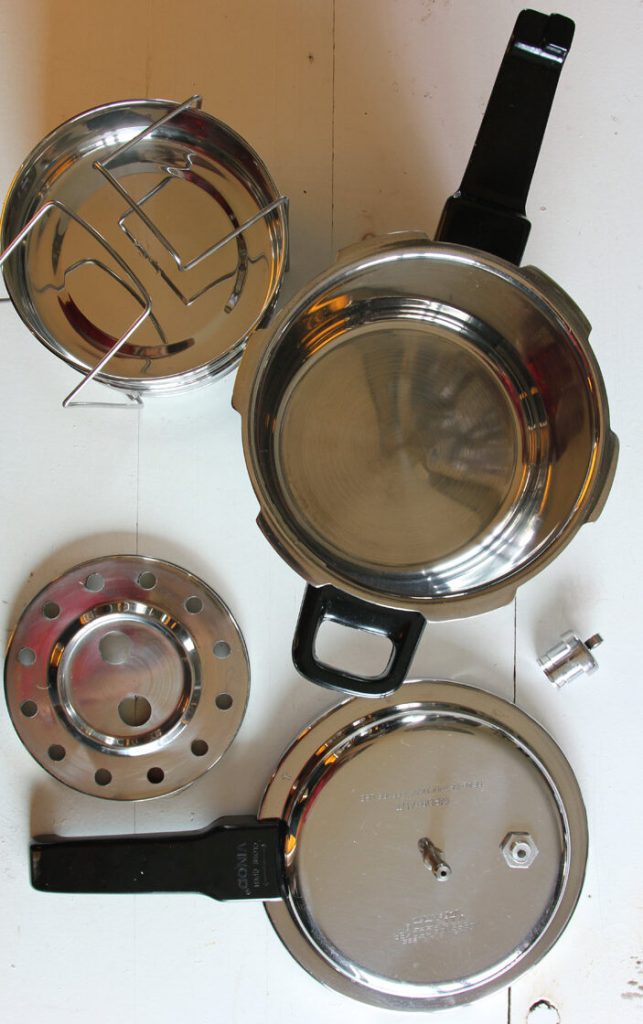
Types Of Pressure Cooker Valves
Pressure cookers use special valves to release steam and keep cooking safe. These valves control the pressure inside the cooker.
Understanding the different valve types helps you use your pressure cooker properly and avoid accidents.
Pressure Release Valves
Pressure release valves let steam out when the pressure gets too high. This helps keep the cooker from exploding. The valve opens automatically at a set pressure.
- They keep pressure steady during cooking.
- They release steam slowly to avoid sudden bursts.
- They reset automatically after releasing steam.
Safety Valves
Safety valves act as a backup if the main valve fails. They open only if pressure is dangerously high. This prevents accidents by releasing excess steam quickly.
| Valve Type | Function | When It Activates |
| Pressure Release Valve | Releases steam slowly | At normal cooking pressure |
| Safety Valve | Releases steam fast | At dangerous pressure levels |
| Spring Valve | Controls pressure with spring tension | Varies by spring setting |
Spring Valves
Spring valves use a spring to hold the valve closed. The steam pressure pushes against the spring. When pressure is high, it lifts the valve to release steam.
These valves allow precise pressure control by adjusting the spring tension.
- Adjustable pressure settings
- Quick steam release
- Reliable pressure control

Credit: modernistcuisine.com
Methods To Release Pressure
Using a pressure cooker saves time when cooking food. After cooking, releasing pressure safely is important. There are three common ways to release pressure from a pressure cooker.
Each method works best for different types of food and cooking times. Learn how to use the natural release, quick release, and cold water release methods below.
Natural Release Method
Natural release means letting the pressure cooker cool down on its own. The pressure drops slowly as the cooker cools.
This method is best for foods that need gentle cooking, like beans and large cuts of meat. It helps keep food tender and prevents splattering.
Quick Release Method
Quick release means opening the pressure valve to let steam out fast. This lowers pressure quickly.
- Turn the valve carefully to avoid steam burns.
- Use a kitchen tool to turn the valve if needed.
- Keep your face and hands away from the steam.
- Best for cooking vegetables or seafood that cook fast.
Cold Water Release Method
Cold water release uses cool water to lower pressure fast. Run cold water over the lid without getting water inside.
| Step | How to Do It |
| 1 | Place the cooker in the sink. |
| 2 | Run cold water on the lid edges only. |
| 3 | Wait for the pressure indicator to drop. |
| 4 | Open the lid carefully after pressure drops. |
Step-by-step Pressure Release Guide
Pressure cookers need pressure release before opening. This step keeps you safe and prevents accidents. There are different ways to release pressure safely.
Follow these steps carefully to release pressure from your cooker. This guide explains how to prepare, use quick release, and handle natural release.
Preparing To Release Pressure
Before releasing pressure, make sure the cooker is stable on a flat surface. Turn off the heat and wait a moment for pressure to settle.
Wear oven mitts or use a towel. This protects your hands from hot steam or parts of the cooker.
- Turn off the stove or heat source.
- Keep the cooker on a flat, stable surface.
- Wear protective gloves or use a towel.
- Keep your face and hands away from the steam vent.
Using The Quick Release Safely
The quick release lets steam out fast. This method cools the cooker quickly but needs care to avoid burns.
Use a tool or towel to turn the pressure valve. Stand back to avoid hot steam. Wait until all steam stops before opening.
- Turn the pressure release valve slowly.
- Keep your hands and face away from the steam.
- Use a utensil or towel to protect your skin.
- Wait for the steam to stop before opening the lid.
Handling Natural Release
Natural release lets pressure drop on its own. This method takes more time but is safer for some foods.
Do not open the cooker until the pressure indicator shows low pressure. Wait patiently and avoid forcing the lid.
- Turn off the heat and leave the cooker alone.
- Wait 10 to 30 minutes for pressure to drop naturally.
- Check the pressure indicator before opening.
- Never try to open the lid if pressure remains.

Credit: manuals.plus
Safety Tips During Pressure Release
Releasing pressure from a cooker needs care to avoid accidents. Steam can cause serious burns if not handled correctly.
Follow these safety tips to protect yourself and others around you while cooking.
Avoiding Steam Burns
Steam escapes quickly and is very hot. Stay clear of the steam vent when releasing pressure.
- Keep your face and hands away from the steam release valve.
- Use a long-handled tool to open the valve if needed.
- Release steam slowly to reduce sudden bursts.
- Wear oven mitts or gloves to protect your hands.
- Keep children and pets away from the cooker during release.
Proper Use Of Utensils
Use the right tools to handle the pressure cooker safely. Avoid plastic or short utensils near hot steam.
- Use wooden or heat-resistant spoons to control steam valves.
- Do not use your bare hands to touch metal parts during release.
- Have a heatproof cloth ready to hold or lift the lid.
Checking Pressure Indicators
Pressure indicators show when it is safe to open the cooker. Always check them before removing the lid.
| Indicator Type | Meaning |
| Pressure Pin | Raised pin means pressure is inside |
| Pressure Gauge | Shows current pressure level |
| Safety Valve | Releases excess pressure automatically |
Common Mistakes To Avoid
Using a pressure cooker saves time in the kitchen. It is important to release pressure safely. Some common mistakes can cause danger or damage.
Knowing what to avoid helps you use your pressure cooker well. Read on for key errors many people make.
Forcing The Lid Open
Trying to open the lid before the pressure is fully released is very risky. It can cause hot steam or food to burst out and cause burns.
Always wait until the pressure indicator shows it is safe. If the lid is stuck, do not force it open. Let the cooker cool down or follow the manufacturer’s release instructions.
Ignoring Pressure Indicators
Pressure cookers have indicators to show when the pressure is high or low. Ignoring these signs can lead to accidents or poorly cooked food.
- Check the pressure indicator before opening the lid.
- Do not open the lid if the indicator shows pressure inside.
- Use the pressure indicator to know when the cooker is ready to release pressure safely.
Using Cold Water Incorrectly
Some people cool their cooker with cold water to release pressure faster. This can cause damage or unsafe conditions if done wrong.
| Action | Risk | Advice |
| Pouring cold water on the lid | Cracks or warps the cooker | Avoid direct water on lid; use slow natural release instead |
| Using cold water on vent pipe | Blocks pressure release | Do not cover or block vents during release |
| Using cold water on metal body | Sudden temperature change causes damage | Let cooker cool naturally before cleaning |
Maintaining Your Pressure Cooker
Keeping your pressure cooker in good shape is important for safety. Regular care helps it work well for a long time. You can avoid problems by checking parts often.
This guide explains simple ways to maintain your pressure cooker. Focus on cleaning, inspecting, and replacing parts as needed.
Cleaning Valves And Seals
Clean the valves and seals after every use. Food bits can block the valves and cause pressure issues. Use warm water and a soft brush to clean them well.
- Remove the sealing ring and wash it separately.
- Check the pressure release valve for any blockages.
- Dry all parts completely before reassembling.
- Do not use harsh cleaners that may damage seals.
Inspecting For Wear And Tear
Look at your pressure cooker’s parts regularly. Check the sealing ring, valves, and lid for cracks or damage. Worn parts can cause leaks or unsafe pressure levels.
| Part | What to Check | Signs of Wear |
| Sealing Ring | Flexibility and cracks | Hard, cracked, or stretched ring |
| Pressure Valve | Cleanliness and movement | Stuck or clogged valve |
| Lid | Locking mechanism | Loose or damaged lock |
Replacing Parts When Needed
Replace parts if you see any damage or wear. Using broken parts can be dangerous. Most parts can be bought online or at stores that sell kitchen tools.
- Check the manufacturer’s guide for part numbers.
- Buy parts that fit your pressure cooker model.
- Replace sealing rings every 12 to 18 months.
- Install new parts carefully and test the cooker without food first.
Frequently Asked Questions
How Do You Safely Release Pressure?
To safely release pressure from a pressure cooker, use the quick-release or natural release method. Quick-release involves turning the valve to release steam rapidly. Natural release lets the pressure drop gradually as the cooker cools. Always refer to the manufacturer’s instructions for specific guidance.
What Is Natural Pressure Release?
Natural pressure release allows the pressure to decrease gradually as the cooker cools. It takes around 10-30 minutes depending on the contents. This method is ideal for dishes like stews or meats, which benefit from continued cooking and moisture retention during the cooling process.
Can I Open A Pressure Cooker Immediately?
No, you cannot open a pressure cooker immediately after cooking. Always ensure the pressure has been fully released. Opening a pressurized cooker can be dangerous and cause burns. Use the quick-release or natural release method to safely reduce pressure before opening the lid.
Why Is My Pressure Cooker Not Releasing Pressure?
If your pressure cooker isn’t releasing pressure, check for blockages in the valve or gasket issues. Ensure the cooker is not overfilled, as this can prevent proper pressure release. Always refer to the user manual for troubleshooting tips specific to your model.
Conclusion
Releasing pressure safely keeps you and your food protected. Always follow the cooker’s instructions carefully. Never force the lid open while pressure remains. Use natural release for dishes that need gentle cooling. Quick release works best for fast cooking. Keep your hands and face away from steam vents.
Regular practice builds confidence and prevents accidents. Enjoy cooking with ease and safety every time. Simple steps make pressure cooking stress-free and fun.