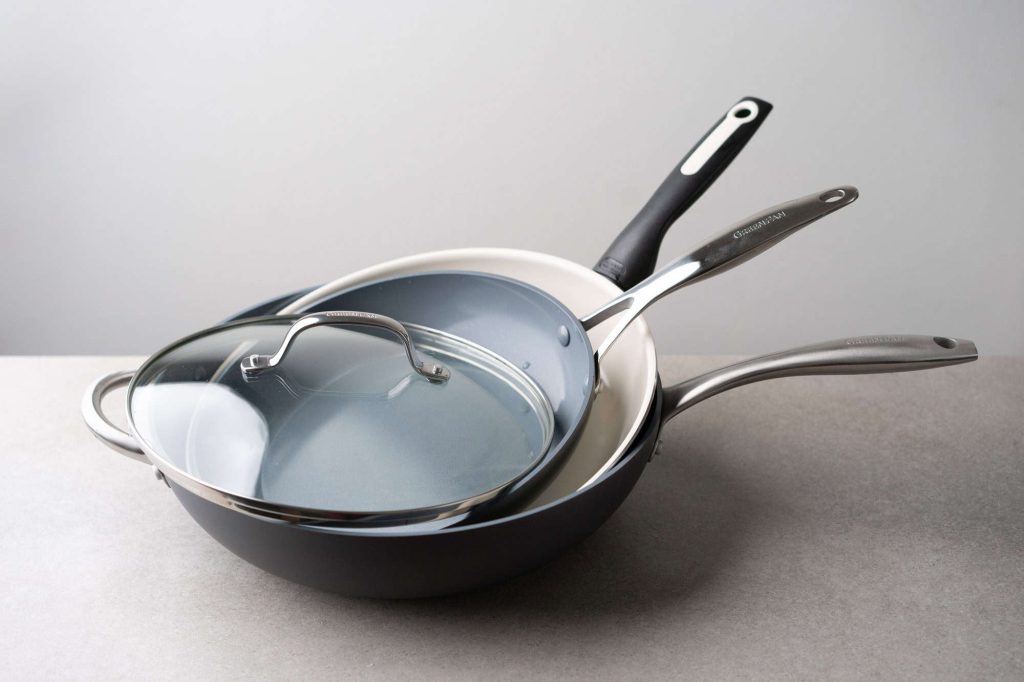
Are you worried about what’s really inside your cookware? When it comes to your health and safety, you deserve to know if your Greenpan is truly safe to use every day.
You might have heard about toxic chemicals in some non-stick pans and wondered if Greenpan lives up to its claims. This article will clear up the confusion and give you the facts you need before you cook your next meal.
Keep reading to discover whether Greenpan is a smart and safe choice for your kitchen.
Credit: www.amazon.com
Greenpan Materials
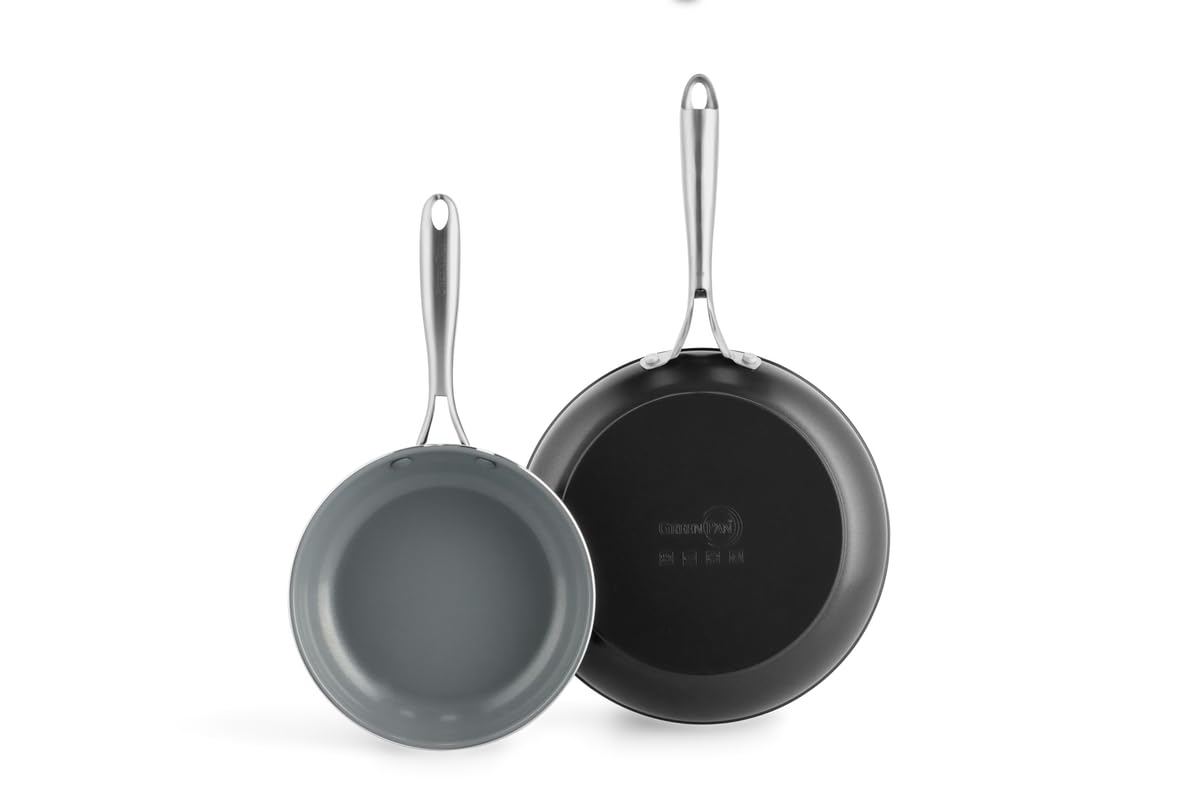
Greenpan cookware uses special materials to make cooking safe and easy. Understanding these materials helps you know why Greenpan is a good choice for your kitchen.
The main parts of Greenpan include a ceramic nonstick coating, an aluminum base, and Thermolon technology. Each part plays a key role in safety and performance.
Ceramic Nonstick Coating
Greenpan uses a ceramic nonstick coating that does not contain harmful chemicals. It is free from PFOA, PFAS, lead, and cadmium. This coating makes cooking and cleaning easier without releasing toxic fumes.
Aluminum Base
The base of Greenpan cookware is made from aluminum. This metal heats up quickly and spreads heat evenly. It also keeps the pan lightweight and easy to handle during cooking.
- Lightweight for easy use
- Conducts heat fast and evenly
- Durable and resistant to warping
- Supports quick cooking
Thermolon Technology
| Feature | Description |
| Material Type | Thermolon Ceramic |
| Safety | Free from harmful chemicals like PFAS and PFOA |
| Heat Resistance | Handles high temperatures without damage |
| Environmental Impact | Eco-friendly and recyclable materials |
Thermolon technology uses natural minerals to create a safe, nonstick surface. It is strong and safe for cooking at high heat without harmful chemicals.

Credit: www.amazon.com
Health Impacts
Greenpans are popular for cooking without much oil. Many want to know if they are safe for health. This article looks at important health topics.
We explore chemical safety, concerns about PTFE and PFOA, and allergen risks. This helps you decide if Greenpans fit your kitchen.
Chemical Safety
Greenpans use ceramic non-stick coatings. These coatings do not release harmful chemicals when heated. They are free from lead and cadmium, which can be toxic.
- The ceramic coating is made from natural materials.
- No harmful heavy metals are used.
- It resists scratching and chipping under normal use.
- Safe for cooking at medium to high temperatures.
Ptfe And Pfoa Concerns
PTFE is a common non-stick chemical in many pans. PFOA was used in the past to make PTFE coatings. Both have raised health concerns.
| Substance | Health Risk | Greenpan Status |
| PTFE (Teflon) | Can release toxic fumes if overheated | Greenpans do not use PTFE |
| PFOA | Linked to health problems with long exposure | Greenpans are PFOA-free |
Allergen Considerations
Some people worry about allergies from cookware. Greenpans are made with materials that rarely cause allergies. Still, users should check for sensitivity to metals used in the base.
- Greenpan coatings do not contain common allergens.
- Metal base is usually aluminum or stainless steel.
- People allergic to nickel should verify the stainless steel grade.
- Cleaning properly reduces risk of food residue allergies.
Performance And Durability
GreenPan cookware is known for its non-stick surface and eco-friendly materials. It performs well in everyday cooking tasks. Its durability depends on how it is used and cared for.
This section explains GreenPan’s scratch resistance, heat tolerance, and coating longevity. These factors help you understand its overall durability.
Scratch Resistance
GreenPan uses a ceramic non-stick coating that is harder than traditional coatings. This makes it more resistant to scratches from utensils.
Still, avoid metal tools to keep the surface smooth. Use wooden or silicone utensils for the best care.
- Ceramic coating resists light scratches
- Metal utensils can damage the surface
- Proper utensil use extends cookware life
Heat Tolerance
GreenPan cookware can handle high temperatures up to 450°F (232°C). This is good for most cooking styles, including frying and sautéing.
Avoid overheating the pan empty. High heat can reduce the coating’s effectiveness over time.
- Safe up to 450°F (232°C)
- Works well for frying and baking
- Do not heat empty pan for long
Longevity Of Coating
The ceramic coating on GreenPan lasts longer than traditional non-stick layers. It resists chipping and peeling with proper use.
Cleaning by hand and avoiding harsh scrubbing helps keep the coating intact for years.
- Coating lasts longer with gentle cleaning
- Avoid abrasive scrubbers and cleaners
- Proper use prevents early wear
Comparing Greenpan To Other Cookware
Choosing the right cookware can affect your cooking experience and health. Greenpan offers a different approach to nonstick pans. Let’s compare it with other common types of cookware.
This guide looks at traditional nonstick pans, stainless steel cookware, and cast iron alternatives. Each has its own features and benefits.
Traditional Nonstick Pans
Traditional nonstick pans usually have coatings made from materials like PTFE. They make cooking easy and cleanup quick. But they can release harmful fumes if overheated.
- Easy to clean and use
- Can wear off over time
- May release toxins at high heat
- Generally affordable
Greenpan uses a ceramic coating that is free from PTFE and PFOA. This makes it safer under high temperatures.
Stainless Steel Cookware
Stainless steel pans are durable and good for browning food. They do not have a nonstick surface, so food may stick without enough oil.
| Feature | Greenpan | Stainless Steel |
| Nonstick Surface | Yes, ceramic coating | No |
| Durability | Moderate | High |
| Heat Tolerance | High | Very High |
| Maintenance | Easy | Requires more care |
| Health Safety | Free of PTFE and PFOA | Safe, no coating |
Cast Iron Alternatives
Cast iron pans are heavy and last for decades. They can develop a natural nonstick surface with seasoning. They require more care to avoid rust.
- Very durable and long lasting
- Needs seasoning and proper cleaning
- Can react with acidic foods
- Heavy and slower to heat
Greenpan offers a lighter, low-maintenance option with easy cleanup. It does not need seasoning and resists scratches better.
Safe Usage Tips
Greenpans are popular for nonstick cooking with less oil. Using them safely keeps the pan in good shape. Follow simple tips to avoid damage and maintain safety.
This guide covers cleaning, heat rules, and how to handle your Greenpan properly. These tips help you cook safely and extend the pan’s life.
Proper Cleaning Methods
Clean your Greenpan gently to keep its coating safe. Avoid harsh scrubbing that can scratch the surface.
- Use warm water and mild dish soap.
- Wash with a soft sponge or cloth.
- Do not use steel wool or abrasive cleaners.
- Dry the pan immediately after washing.
- For tough stains, soak the pan for a few minutes.
Temperature Guidelines
Greenpans work best with moderate heat. High heat can damage the nonstick coating and reduce safety.
| Heat Level | Recommended Use |
| Low | Simmer sauces, melt butter |
| Medium | Frying eggs, cooking vegetables |
| High | Not recommended, avoid to protect coating |
Avoiding Damage
Handle your Greenpan carefully to avoid scratches and dents. This keeps it safe and working well for a long time.
- Use wooden, silicone, or plastic utensils only.
- Do not cut food inside the pan.
- Avoid dropping or banging the pan.
- Store the pan with a cloth or paper towel between stacked pans.
- Do not put the pan in a dishwasher if the manufacturer advises against it.

Credit: www.amazon.com
Environmental Impact
GreenPan cookware is designed with the environment in mind. Understanding its impact helps consumers make better choices for the planet.
This section explores how GreenPan affects the environment through its manufacturing, recyclability, and sustainability efforts.
Manufacturing Process
GreenPan uses a ceramic non-stick coating made from natural materials. This reduces the use of harmful chemicals like PFOA and PFAS.
The production process focuses on lowering energy use and waste. Factories aim to meet strict environmental standards.
Recyclability
GreenPan products can be recycled, but it depends on local recycling programs. Some parts are easier to recycle than others.
- Aluminum bases can be recycled in many centers
- Ceramic coatings may require special handling
- Handles made of plastic or silicone should be removed before recycling
- Check with local facilities for proper disposal
Sustainability Efforts
| Effort | Description |
|---|---|
| Material Sourcing | Uses natural and safe raw materials |
| Energy Efficiency | Reduces energy use in manufacturing plants |
| Waste Reduction | Recycles scraps and minimizes landfill waste |
| Packaging | Uses recyclable and minimal packaging |
Frequently Asked Questions
Are Greenpans Safe For Daily Cooking?
Yes, Greenpans are safe for everyday use. They are crafted using a ceramic non-stick coating, free from harmful chemicals like PFOA and PFAS. Their eco-friendly manufacturing process also ensures they are a healthier choice for your kitchen.
What Makes Greenpans Non-toxic?
Greenpans use a Thermolon ceramic coating, which is free from harmful chemicals. Unlike traditional non-stick pans, they do not release toxic fumes when overheated. This makes them a safer alternative for health-conscious individuals.
Can Greenpans Withstand High Temperatures?
Yes, Greenpans can handle high temperatures up to 450°C (850°F). Their ceramic coating ensures even heat distribution without releasing toxic fumes. This makes them ideal for various cooking methods, including searing and frying.
Do Greenpans Last Long?
With proper care, Greenpans can last several years. Avoid using metal utensils, as they may scratch the surface. Hand washing is recommended to preserve the non-stick coating. Regular maintenance ensures longevity and optimal performance.
Conclusion
GreenPans offer a safer choice for everyday cooking. They use non-toxic materials that avoid harmful chemicals. The ceramic coating resists scratches and stays durable over time. Cleaning is easy, saving you effort in the kitchen. Many users trust GreenPans for healthy meal preparation.
Still, handle with care to keep the coating intact. Choose GreenPans if safety and convenience matter to you. They balance good performance with peace of mind. A simple switch that supports a healthier cooking routine.