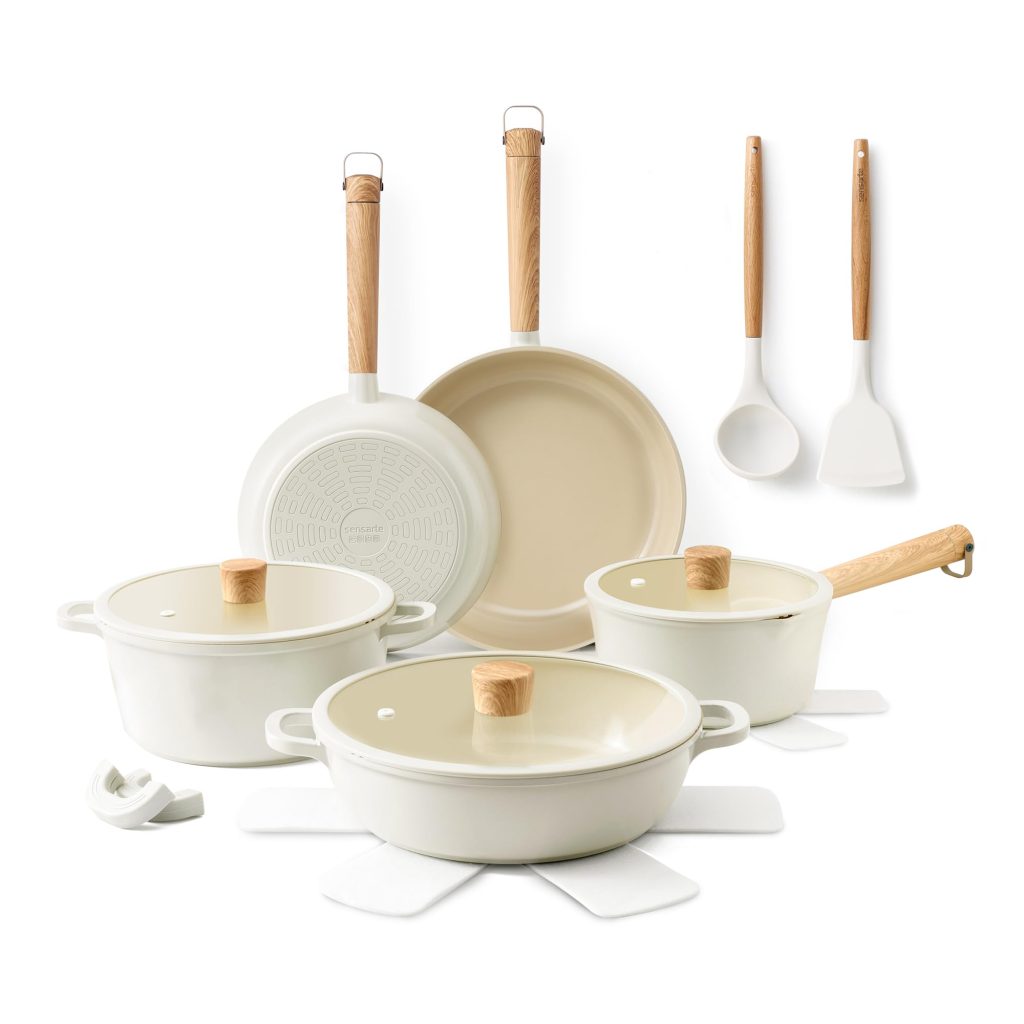
Have you ever wondered if the cookware you use every day is truly safe for you and your family? When it comes to ceramic cookware, many people ask the same question: Are ceramic pots and pans really non-toxic?
You want to cook healthy meals without worrying about harmful chemicals leaching into your food. You’ll discover the truth about ceramic cookware’s safety and why it might be the best choice for your kitchen. Keep reading to find out what makes ceramic cookware a smart and healthy option for your cooking needs.
Credit: www.target.com
What Is Ceramic Cookware Made Of
Ceramic cookware is popular for healthy cooking. People want to know what materials it uses.
This cookware usually has a ceramic coating over a metal base. The coating is made from natural materials.
Materials Used In Ceramic Cookware
The ceramic coating comes from a mix of inorganic minerals. These minerals include silica, oxygen, and other natural elements.
The base of ceramic cookware can be aluminum, stainless steel, or cast iron. The ceramic layer covers this metal base.
- Silica (main ingredient in ceramic coating)
- Oxygen and other natural minerals
- Metal base: aluminum, stainless steel, or cast iron
- Non-stick ceramic coating made without PTFE or PFOA
Difference Between Ceramic And Non-ceramic Coatings
Ceramic coatings are made from natural minerals. Non-ceramic coatings often use chemicals like PTFE or Teflon.
Ceramic coatings are free from toxic chemicals. Non-ceramic coatings can release harmful fumes when heated very high.
- Ceramic Coatings:Made from natural minerals, non-toxic, eco-friendly
- Non-Ceramic Coatings:Made from synthetic chemicals like PTFE, may release fumes
- Durability:Ceramic coatings can wear out faster than some non-ceramic types
- Heat Resistance:Ceramic coatings resist higher temperatures safely
Toxic Chemicals To Watch For
Many cookware products contain chemicals that can be harmful to health. It is important to know which toxic substances to avoid. Some chemicals can leach into food during cooking.
This guide looks at common harmful substances in cookware. It also explains how ceramic cookware avoids these toxic chemicals.
Common Harmful Substances In Cookware
Some cookware contains chemicals linked to health problems. These substances can release toxins when heated. Here are some common harmful substances:
- Perfluorooctanoic acid (PFOA): Used in some non-stick coatings, it can cause health issues.
- Polytetrafluoroethylene (PTFE): Can release toxic fumes if overheated.
- Lead: Sometimes found in older or cheap cookware glazes, lead is very toxic.
- Cadmium: Another heavy metal that can contaminate food through some glazes.
- Aluminum: Can react with acidic foods and may cause health concerns.
How Ceramic Cookware Avoids These Chemicals
Ceramic cookware usually has a coating made from natural minerals. This coating does not contain harmful chemicals like PFOA or PTFE. It is free from heavy metals like lead and cadmium too.
The ceramic surface is non-reactive. It does not release toxins into food even at high heat. This makes ceramic a safer choice for cooking.
- No PFOA or PTFE in the ceramic coating
- Free from lead and cadmium heavy metals
- Non-reactive surface that does not leach chemicals
- Can handle high cooking temperatures safely
Safety Of Ceramic Cookware
Ceramic cookware is popular for its smooth surface and even heating. Many people wonder if it is safe to use for cooking.
This article looks at the safety of ceramic cookware, focusing on heat resistance and chemical stability, plus risks from low-quality products.
Heat Resistance And Chemical Stability
Ceramic cookware can handle high temperatures without breaking down. Its surface does not react with food or release harmful chemicals.
- Ceramic coatings withstand heat up to 450°C (842°F).
- They do not leach metals or toxins into food.
- Non-stick ceramic surfaces resist scratches better than some coatings.
- Ceramics stay chemically stable over time and use.
Potential Risks With Low-quality Products
Low-quality ceramic cookware may have unsafe coatings. These can chip or break down when heated, risking chemical exposure.
| Risk | Description | How to Avoid |
| Lead or Cadmium | Some cheap ceramics use harmful heavy metals in glazes. | Buy from trusted brands with safety certifications. |
| Coating Wear | Poor coating can peel, mixing with food. | Avoid cookware with visible cracks or chips. |
| Thermal Shock | Sudden temperature changes can crack low-quality ceramic. | Heat cookware gradually and avoid cold water on hot pans. |
Benefits Of Using Ceramic Cookware
Ceramic cookware is popular for healthy cooking. It offers many benefits that help in the kitchen.
This type of cookware is made with a ceramic coating that cooks food safely and easily.
Non-toxic Cooking Surface
Ceramic cookware has a non-toxic surface that does not release harmful chemicals. It is free from PTFE and PFOA, which are found in some non-stick pans.
The ceramic surface stays safe even at high heat. It helps keep your food healthy and pure.
Ease Of Cleaning And Maintenance
Ceramic cookware is easy to clean because food does not stick to the surface. This saves time and effort after cooking.
It also does not need special cleaners. Warm water and mild soap are enough to keep it clean.
Comparing Ceramic To Other Cookware Types
Ceramic cookware is popular for its non-toxic qualities. Many people want to know how it compares to other types of cookware. This helps to choose the safest and best option for cooking.
This article looks at ceramic cookware versus Teflon non-stick and stainless steel with cast iron. Each type has its own features and health considerations.
Ceramic Vs. Teflon Non-stick
Ceramic and Teflon are both non-stick surfaces. Ceramic is made from natural materials, while Teflon is a synthetic coating. Ceramic does not release harmful chemicals when heated.
- Ceramic is free from PTFE and PFOA chemicals.
- Teflon can release toxic fumes if overheated above 500°F.
- Ceramic coatings can wear down faster than Teflon.
- Teflon is more scratch-resistant but less heat tolerant.
Ceramic Vs. Stainless Steel And Cast Iron
Stainless steel and cast iron are metal cookware types. They do not have non-stick coatings. Ceramic has a smooth surface that needs less oil for cooking.
| Cookware Type | Non-Toxic | Maintenance | Heat Conductivity |
| Ceramic | Yes | Low | Moderate |
| Stainless Steel | Yes | Moderate | Good |
| Cast Iron | Yes if seasoned | High | Excellent |

Credit: www.amazon.com
Tips For Choosing Safe Ceramic Cookware
Ceramic cookware is popular for its non-stick surface and easy cleaning. Many people want to know if it is safe and non-toxic.
Choosing the right ceramic cookware helps avoid harmful chemicals. This guide gives tips to pick safe options.
Certifications And Quality Indicators
Look for certifications that prove the cookware is safe. These show the product meets health and safety rules.
Common certifications include FDA approval and LFGB certification. These mean the cookware does not release toxins.
- FDA (Food and Drug Administration) approval
- LFGB (German Food, Commodity and Feed Act) certification
- Prop 65 compliance (California safety standard)
- Free from lead, cadmium, and PFOA
Brands Known For Safe Ceramic Cookware
Some brands focus on making ceramic cookware that is safe and non-toxic. They use quality materials and good processes.
Choosing from trusted brands reduces the risk of harmful chemicals in your cookware.
- GreenPan
- Xtrema
- Bialetti
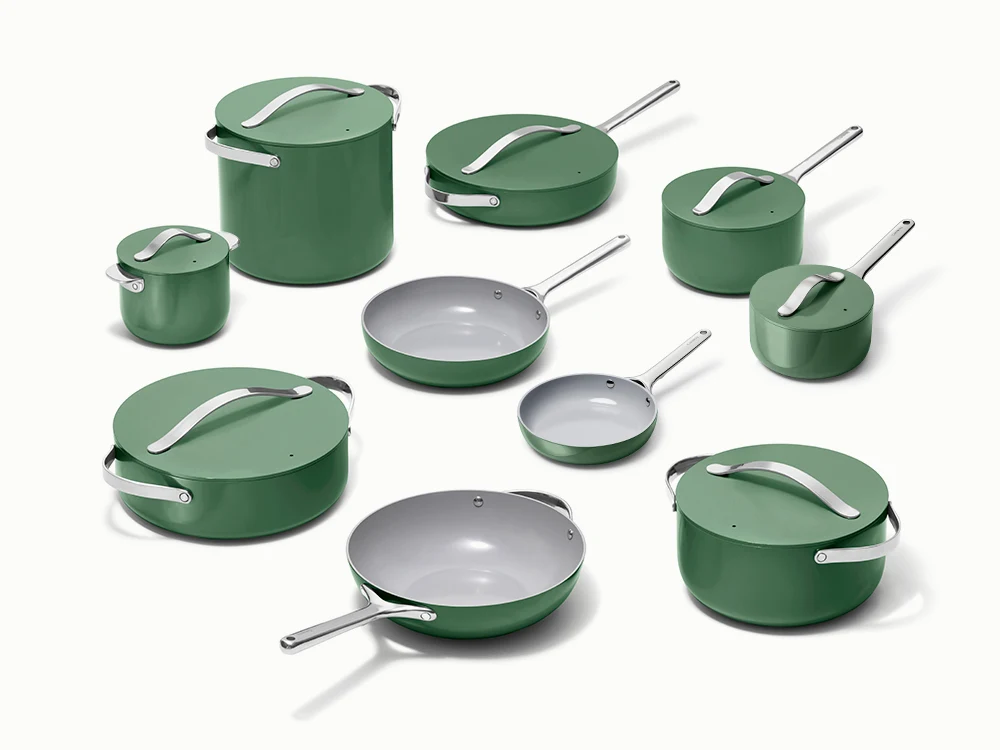
- Caraway
- Le Creuset (ceramic line)
Proper Use And Care For Longevity
Ceramic cookware is popular for being non-toxic and safe for cooking. To keep it working well, you must use and care for it properly.
Good care helps the cookware last longer and stay free from damage. Learn how to avoid scratches and clean it right.
Avoiding Damage And Scratches
Ceramic cookware can chip or scratch if not handled carefully. Avoid using metal tools that can damage the surface.
Use only wooden, silicone, or plastic utensils. Do not drop or hit the cookware on hard surfaces.
- Never use knives or forks directly on ceramic surfaces
- Do not stack cookware without protection to avoid scratches
- Avoid sudden temperature changes that can cause cracks
- Handle cookware gently to prevent chips
Best Practices For Cooking And Cleaning
Cook with low to medium heat to protect the ceramic coating. High heat can damage the cookware over time.
Clean ceramic cookware with soft sponges and mild detergent. Avoid abrasive cleaners that can wear down the surface.
- Let cookware cool before washing to avoid cracking
- Use warm water and gentle soap for cleaning
- Dry cookware completely before storing it
- Do not use steel wool or harsh scrubbers
Credit: www.carawayhome.com
Frequently Asked Questions
Are Ceramic Cookware Safe For Health?
Yes, ceramic cookware is generally safe and non-toxic. They are free from harmful chemicals like PFOA and PTFE. Ceramic coatings are made from natural minerals and are considered safer than some non-stick alternatives.
Do Ceramic Pots Contain Harmful Chemicals?
Ceramic pots are typically free from harmful chemicals. They are made using natural minerals. Unlike some non-stick cookware, they do not contain PFOA, PTFE, or heavy metals. This makes them a healthier choice for cooking.
Is Ceramic Cookware Better Than Teflon?
Ceramic cookware is often considered safer than Teflon. Teflon can release harmful fumes at high temperatures. Ceramic coatings are made from natural materials and are free from PFOA and PTFE. They provide a non-toxic cooking surface.
How Long Does Ceramic Cookware Last?
Ceramic cookware can last several years with proper care. Avoid using metal utensils to prevent scratches. Over time, the ceramic coating may wear down. Handwashing and avoiding high heat can extend the lifespan.
Conclusion
Ceramic cookware offers a safer way to cook meals. It does not release harmful chemicals like some metals. Many people prefer it for healthy cooking at home. Keep in mind that quality matters a lot. Choose trusted brands to avoid low-quality coatings.
Clean and use ceramic pots gently to last longer. Cook with confidence knowing you reduce toxic risks. Simple, safe, and effective—ceramic cookware fits many kitchens well.