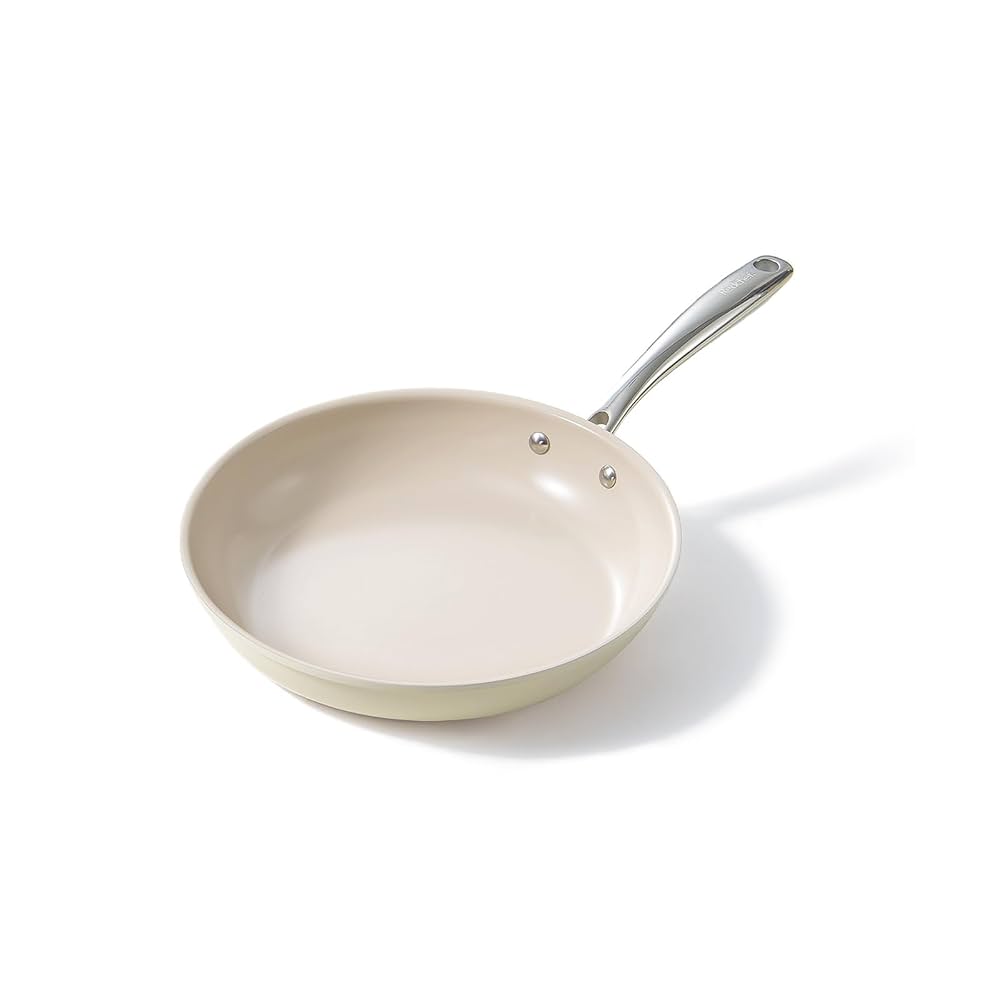
Are you worried about the chemicals in your cookware? You’re not alone.
Many people want to know if ceramic pans are truly non-toxic and safe for cooking your favorite meals. Choosing the right pan can affect your health and the flavor of your food. You’ll discover the truth about ceramic pans—what makes them safe, what to watch out for, and how to pick the best one for your kitchen.
Keep reading to protect your health and cook with confidence!

Credit: www.bambuhome.com
What Makes Ceramic Pans Non Toxic
Ceramic pans are popular for cooking without harmful chemicals. Their non-toxic nature comes from the materials used and the coating process. Understanding these factors helps you choose safer cookware.
This guide explains what makes ceramic pans non-toxic and how they differ from traditional pans. You will also learn why some pans avoid harmful substances.
Materials Used In Ceramic Coating
Ceramic coatings are made from natural minerals like silica. These materials create a hard, smooth surface that stops food from sticking. The coating does not contain metals or synthetic chemicals.
- Silica, a natural sand-based mineral
- Non-metal oxides that form a ceramic layer
- Water-based binders without solvents
- No use of PTFE or PFOA chemicals
Comparison With Traditional Nonstick Pans
| Feature | Ceramic Pans | Traditional Nonstick Pans |
|---|---|---|
| Coating Material | Natural minerals like silica | PTFE (Teflon) or similar chemicals |
| Heat Resistance | Can handle high heat safely | May release fumes if overheated |
| Durability | Hard but may wear over time | Durable but may chip or peel |
| Health Concerns | Free from toxic chemicals | Can release harmful fumes when hot |
Absence Of Harmful Chemicals
Ceramic pans do not contain chemicals like PFOA, PFAS, or PTFE. These substances can release toxic gases if heated too much. Ceramic coatings are free from these risks.
- No PFOA, which is linked to health issues
- No PFAS, a group of harmful chemicals
- No PTFE, which can break down at high heat
- Safe for everyday cooking at normal temperatures

Credit: www.360cookware.com
Health Benefits Of Ceramic Cookware
Ceramic pans are popular for their non-toxic properties. Many people want safe options for cooking.
Using ceramic cookware helps reduce health risks linked to some other pans. It is a good choice for healthy cooking.
Reduced Exposure To Toxic Fumes
Ceramic pans do not release harmful fumes when heated. Some non-stick pans give off toxic gases at high heat.
Choosing ceramic cookware lowers the chance of breathing in these dangerous fumes. It keeps your kitchen air safer.
Safe Cooking At High Temperatures
Ceramic pans can handle high heat without breaking down. Other pans may release chemicals or degrade when very hot.
This makes ceramic cookware good for frying, searing, and baking. It stays stable and safe at higher temperatures.
Impact On Food Quality And Nutrition
Ceramic pans provide even heat, which helps food cook better. This can keep more nutrients in your meals.
They do not add any chemicals or flavors to food. This keeps meals pure and natural tasting.
Durability And Maintenance Tips
Ceramic pans are popular for being non-toxic and easy to use. Their durability depends on proper care and handling.
Taking good care of your ceramic pans helps keep them safe and lasting longer in your kitchen.
Proper Cleaning Techniques
Clean ceramic pans with soft sponges and warm water. Avoid harsh cleaning tools that can scratch the surface.
Use mild dish soap to remove food residues. Let the pan cool before washing to prevent damage.
- Wash by hand instead of using a dishwasher
- Do not soak pans for a long time
- Dry thoroughly after washing to avoid water spots
Avoiding Scratches And Damage
Use wooden, silicone, or plastic utensils to protect the ceramic surface. Metal tools can cause scratches.
Do not stack ceramic pans without protection. Place a soft cloth or paper towel between them to avoid chipping.
- Do not use abrasive pads or steel wool
- Avoid sudden temperature changes to prevent cracking
- Handle pans carefully to prevent drops and impacts
Extending The Lifespan Of Ceramic Pans
Heat ceramic pans on low or medium settings. High heat can damage the coating and reduce lifespan.
Store pans in a dry place. Keep lids and pans separate to avoid moisture buildup inside.
- Season the pan lightly with oil before first use
- Replace pans if the coating starts to peel
- Follow manufacturer instructions for best care
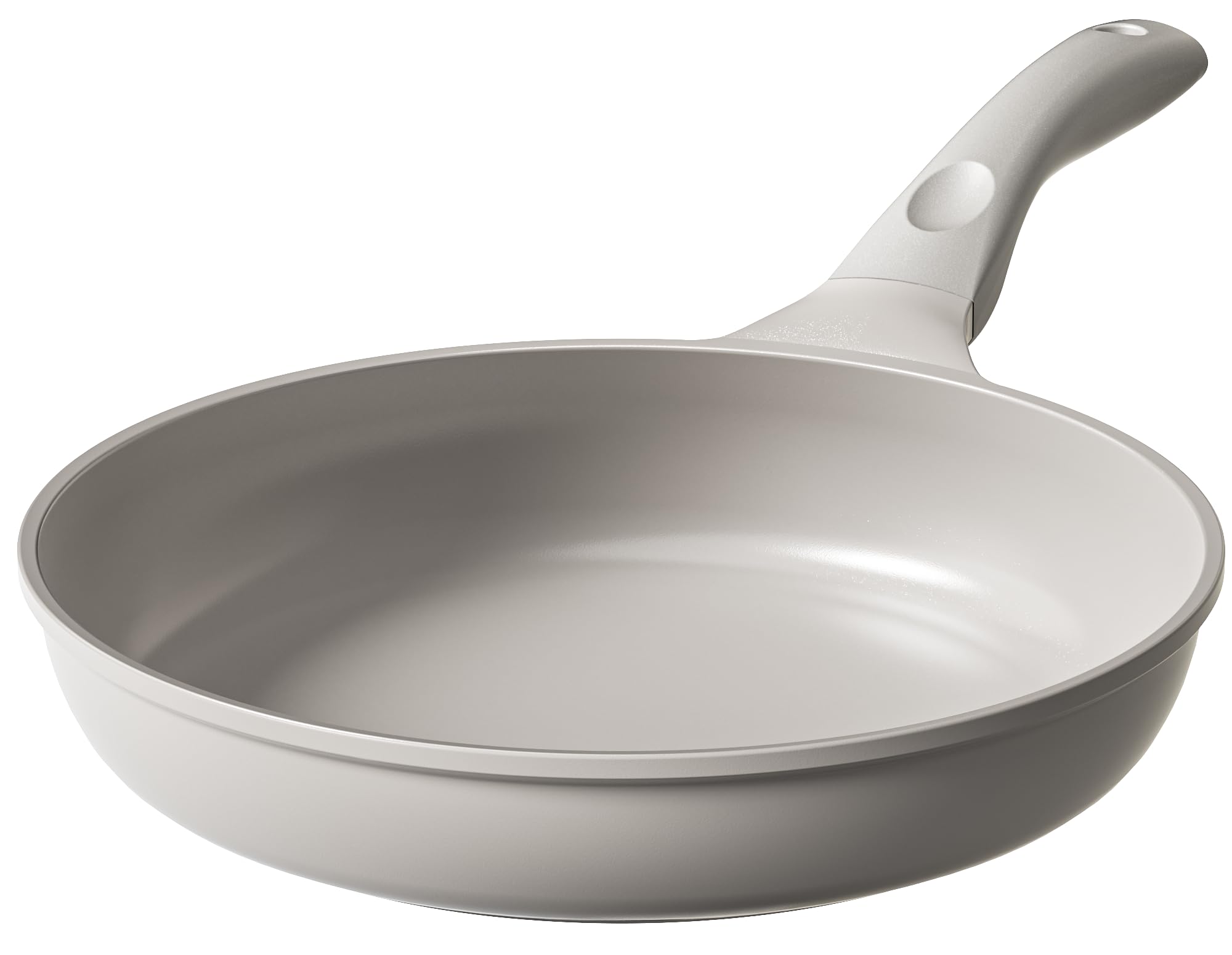
Credit: www.amazon.com
Choosing The Right Ceramic Pan
Ceramic pans are popular for healthy cooking. Many people want to know if they are non-toxic.
Choosing the right ceramic pan means looking at safety, quality, and durability. This helps you cook safely.
Identifying Authentic Ceramic Coatings
Not all ceramic pans have real ceramic coatings. Some use a mix of materials that may not be safe.
Authentic ceramic coatings are made from natural minerals. They do not contain harmful chemicals like PTFE or PFOA.
- Look for labels that say 100% ceramic or ceramic non-stick
- Avoid pans with shiny or plastic-like surfaces
- Check if the coating is free from toxic chemicals
- Read product descriptions and safety certifications
Price Vs Quality Considerations
Cheap ceramic pans may use lower quality coatings. They might wear out quickly or release toxins.
Higher-priced pans often have thicker and more durable ceramic layers. They last longer and stay safe for cooking.
- Set a budget but focus on quality
- Check product reviews for durability
- Think about how often you will use the pan
- Consider if the pan is oven safe or dishwasher safe
Brands Known For Safe Ceramic Cookware
Some brands focus on safe, non-toxic ceramic pans. They test their products for harmful chemicals.
Choosing trusted brands reduces the risk of buying poor quality cookware that may harm health.
- Brands with clear ingredient lists
- Companies that offer warranties and guarantees
- Brands with positive customer feedback on safety
- Manufacturers that follow strict safety standards
Environmental Impact Of Ceramic Cookware
Ceramic cookware is known for being safe and non-toxic. It also has effects on the environment. Understanding these helps us choose better kitchen tools.
This article looks at how ceramic pans affect the planet. We focus on how they are made, their recyclability, and how they compare with other pans.
Eco-friendly Manufacturing Processes
Ceramic cookware is made from natural materials like clay and minerals. These materials are abundant and cause less harm when collected.
Many ceramic pans are made with low-energy processes. This helps reduce pollution and saves resources. No harmful chemicals are often used in the coating process.
Recyclability And Waste Reduction
Ceramic pans can last a long time if cared for well. This reduces the need to throw them away often. Less waste means less impact on landfills.
At the end of their life, ceramic cookware can be recycled in some areas. Crushed ceramic can be used in construction or road materials. This helps reduce waste.
- Long-lasting use lowers waste
- Recycling options reduce landfill load
- Broken ceramics can become building materials
Comparing With Other Cookware Materials
Metal pans like aluminum and stainless steel need mining. Mining can harm the earth and use lots of energy. Ceramic uses natural clay with less damage.
Non-stick pans with chemical coatings may release toxins when heated. Ceramic coatings are free from these chemicals, making them safer for the environment.
| Cookware Type | Material Source | Environmental Impact | Recyclability |
|---|---|---|---|
| Ceramic | Natural clay and minerals | Low energy use, minimal pollution | Often recyclable, reusable in construction |
| Aluminum | Metal ore mining | High energy use, habitat disruption | Highly recyclable |
| Non-stick (PTFE) | Chemical coatings | Possible toxin release, hard to recycle | Limited recyclability |
| Cast Iron | Metal ore mining | High energy use, long life | Recyclable, very durable |
Frequently Asked Questions
Are Ceramic Pans Safe For Cooking?
Yes, ceramic pans are generally safe for cooking. They are free from harmful chemicals like PFOA and PTFE. This makes them a non-toxic choice. Always ensure the pan is from a reputable brand to guarantee quality. Proper care and usage can further enhance their safety.
Do Ceramic Pans Contain Harmful Chemicals?
No, ceramic pans do not contain harmful chemicals. They are made from natural materials and are often free from PTFE and PFOA. This makes them a healthier choice for cooking. Always verify the manufacturer’s claims regarding the materials used in production.
How Durable Are Ceramic Pans?
Ceramic pans are quite durable if properly maintained. They resist scratches and stains better than non-stick pans. However, they can be prone to chipping if mishandled. Using the right utensils and cleaning methods can extend their lifespan significantly.
Can Ceramic Pans Withstand High Heat?
Ceramic pans can withstand moderate to high heat, but excessive heat can damage them. It’s best to avoid using them on high heat for prolonged periods. This helps in maintaining their non-stick properties and prevents cracking.
Conclusion
Ceramic pans offer a safer option for everyday cooking. They do not release harmful chemicals like some non-stick pans. The ceramic coating is free from toxins such as PFOA and PTFE. This makes them a healthier choice for your family.
Keep in mind, quality matters. Choose pans from trusted brands to ensure safety. With proper care, ceramic pans last long and stay non-toxic. Cooking becomes safer and more enjoyable with ceramic cookware. Simple, safe, and effective. A good step toward healthier meals.