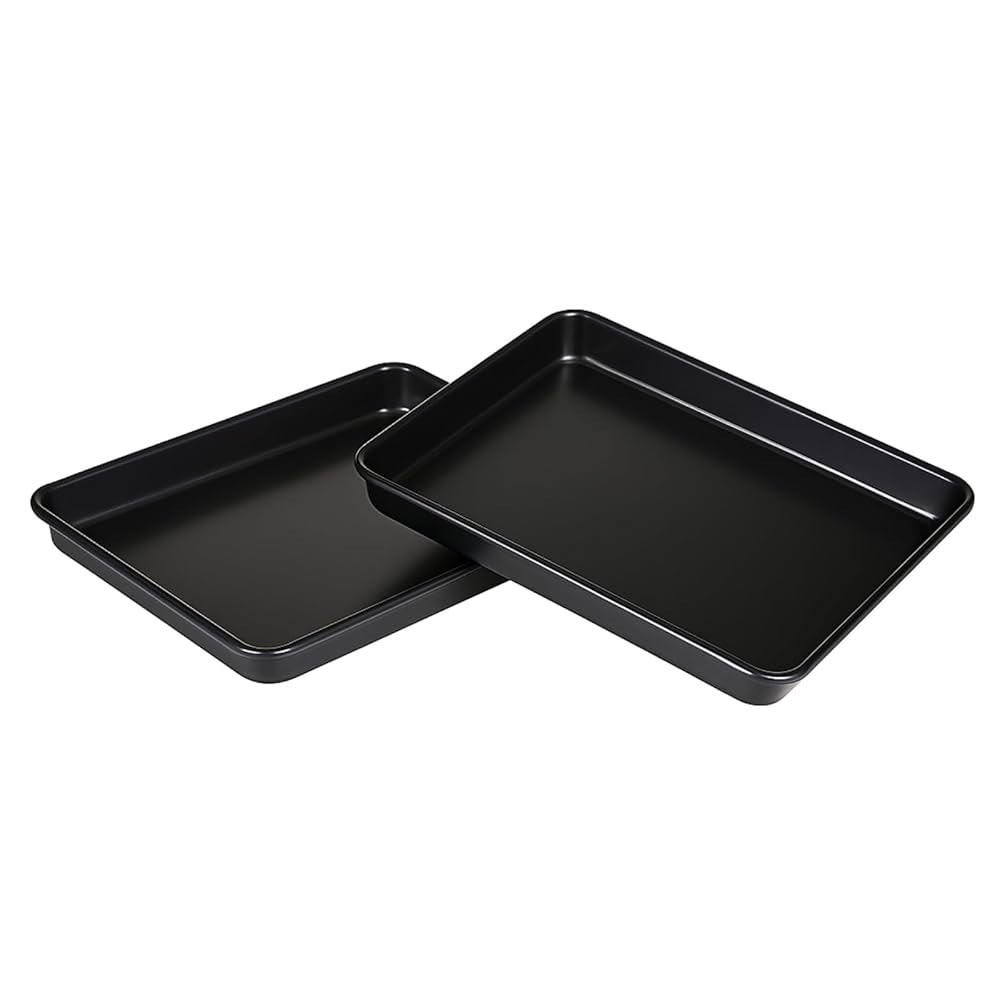
When you think about baking or roasting, what’s the one tool you reach for again and again? It’s your trusty cookie sheet.
But did you know that choosing the right cookie sheet can change the way your food cooks, tastes, and even looks? Whether you’re baking cookies, roasting veggies, or heating up snacks, your cookie sheet plays a bigger role than you might realize.
Stick with me, and you’ll discover simple tips to pick the perfect cookie sheet and get the most from it every time you cook. Your kitchen—and your taste buds—will thank you.

Credit: www.amazon.ca
Choosing The Right Cookie Sheet
Picking the right cookie sheet can affect how your cookies bake. The wrong sheet may cause uneven cooking or sticking. Knowing the options helps you choose one that fits your needs.
Consider the material, size, and surface type. These factors impact heat distribution, cleanup, and baking results. Here are some tips to guide your choice.
Material Types And Their Benefits
- Aluminum:Heats quickly and evenly. Lightweight and affordable.
- Stainless Steel:Durable and resists rust. Heats slower than aluminum.
- Nonstick Coated:Easy to clean and prevents sticking. May wear off over time.
- Insulated:Has a layer between two sheets. Helps prevent burning bottoms.
Size And Shape Considerations
| Size | Use |
| Half Sheet (13 x 18 inches) | Fits most ovens, good for batches of cookies |
| Quarter Sheet (9 x 13 inches) | Fits toaster ovens, good for small batches |
| Jelly Roll Pan (10 x 15 inches, with sides) | Good for bars and sheet cakes, less ideal for cookies |
| Round Sheet | Less common, can be used for specialty cookies |
Choose a size that fits your oven and baking needs. Flat cookie sheets without sides are best for even baking and easy removal.
Nonstick Vs. Traditional Surfaces
Nonstick sheets help cookies release easily. They also make cleaning simple. Traditional metal sheets may need grease or parchment paper.
- Nonstick sheets are good for sticky doughs.
- Traditional metal sheets brown cookies better.
- Nonstick coatings can wear off after many uses.
- Traditional sheets last longer but need extra care.
Preparing Your Cookie Sheet
Preparing your cookie sheet well helps your cookies bake evenly. It also makes cleanup easier and keeps cookies from sticking.
Using the right preparation methods can improve your baking results. Let’s look at some ways to prepare your cookie sheet.
Lining Options For Easy Cleanup
Lining your cookie sheet protects it and helps cookies release easily. It also saves time cleaning after baking.
- Parchment paper is non-stick and heat safe.
- Silicone baking mats can be reused many times.
- Aluminum foil works but may stick unless greased.
- Wax paper is not safe for baking in the oven.
Greasing Techniques
Greasing your cookie sheet helps prevent sticking if you don’t use liners. Use the right amount for best results.
Common greasing tools include butter, oil, or non-stick spray. Spread evenly across the sheet’s surface.
- Use a pastry brush or paper towel to spread butter or oil.
- Non-stick spray is quick but can build up residue.
- Too much grease can cause cookies to spread too much.
Avoiding Common Mistakes
Some mistakes can cause cookies to stick or bake unevenly. Avoid these to get better baking results.
- Do not reuse parchment paper after baking.
- Do not skip greasing if not using liners.
- Do not use wax paper in the oven.
- Do not use too much grease or your cookies will spread.
- Make sure the cookie sheet is clean and dry before use.
Baking Techniques For Even Cookies
Baking cookies evenly requires good techniques. Using a cookie sheet properly helps get consistent results.
This guide explains how to arrange cookies, control temperature, and manage baking time.
Arranging Cookies Properly
Place cookies with enough space to spread. Crowding makes cookies stick or bake unevenly.
Use a cookie sheet that fits your oven size. Leave about two inches between each cookie.
- Space cookies evenly apart
- Use parchment paper or silicone mats
- Avoid placing cookies too close to edges
Temperature Tips
Set the oven to the right temperature for your recipe. Too hot or too cold affects cookie shape.
Preheat the oven fully before baking. This helps cookies bake evenly from the start.
- Follow the recipe temperature closely
- Use an oven thermometer to check accuracy
- Lower temperature for softer cookies
Rotating And Timing
Rotate the cookie sheet halfway through baking. This helps cookies brown evenly on all sides.
Watch the baking time carefully. Remove cookies when edges are set and centers are soft.
- Turn the sheet 180 degrees during baking
- Check cookies a few minutes before time ends
- Cool cookies on the sheet for a few minutes
Cleaning And Maintaining Your Cookie Sheet
A cookie sheet is a kitchen tool that needs care to last long. Cleaning and maintenance keep it working well.
Good habits help avoid damage and make baking easier. Learn simple tips to keep your cookie sheet in top shape.
Safe Cleaning Methods
Clean your cookie sheet after every use. Use warm water and mild soap to avoid hurting the surface.
Do not use steel wool or harsh scrubbers. They can scratch and damage the sheet.
- Soak the sheet in warm, soapy water for a few minutes.
- Use a soft sponge or cloth to clean it gently.
- For stuck food, sprinkle baking soda and scrub softly.
- Rinse well with clean water.
- Dry completely with a towel to stop rust.
Preventing Warping And Damage
Heat can bend or warp your cookie sheet. Avoid sudden temperature changes to keep it flat.
Do not put a hot cookie sheet in cold water. Let it cool before washing.
- Use oven mitts to handle hot sheets carefully.
- Do not overload the sheet with heavy items.
- Avoid using metal tools that can scratch the surface.
- Place the sheet on a flat surface when cooling.
Storage Tips
Store your cookie sheet in a dry place to stop rust and damage. Keep it flat or upright.
Stacking cookie sheets can cause scratches. Use paper towels between sheets for protection.
- Keep cookie sheets in a cabinet or drawer with good air flow.
- Do not store them near strong chemicals or moisture.
- Use a rack or divider to keep sheets separate.
- Check sheets regularly for signs of rust or damage.
Troubleshooting Baking Issues
Baking with a cookie sheet can sometimes cause problems. You might see burnt edges or dough sticking. Other times, cookies bake unevenly or the sheet itself may warp.
Knowing how to fix these issues helps you bake better treats. It also keeps your cookie sheets in good shape for longer use.
Preventing Burning And Sticking
Burning and sticking happen when heat is too high or the sheet is not prepared well. Using parchment paper or a silicone mat can stop food from sticking.
Also, avoid using cooking sprays that cause buildup. Keep an eye on baking times and oven temperature to stop burning.
- Line sheet with parchment paper or silicone mat
- Use a light layer of oil or butter if needed
- Check oven temperature with a thermometer
- Watch baking time closely to avoid overcooking
- Clean sheets after each use to remove residue
Dealing With Uneven Baking
Uneven baking causes some cookies to cook faster than others. This happens when heat is not spread evenly across the sheet.
To fix this, rotate the cookie sheet halfway through baking. Make sure cookies have space between them for air to flow well.
- Rotate the cookie sheet halfway during baking
- Leave enough space between cookies
- Avoid overcrowding the oven rack
- Use heavy, good-quality cookie sheets that distribute heat
Fixing Warped Sheets
Warped cookie sheets do not sit flat in the oven. This causes uneven heat and baking problems. Warping happens from high heat or poor quality metal.
You can try to fix warping by placing the sheet on a flat surface and applying even pressure. Avoid using very thin sheets and keep baking temperatures moderate.
- Place warped sheet on flat surface and press gently
- Use heavy gauge sheets to reduce warping
- Do not bake above recommended temperatures
- Replace sheets that are badly warped

Credit: www.canadiantire.ca
Credit: www.homehardware.ca
Frequently Asked Questions
What Is A Cookie Sheet Used For?
A cookie sheet is a flat, rectangular metal pan used for baking cookies. Its design allows even heat distribution, ensuring cookies bake uniformly. Beyond cookies, it’s versatile for baking other treats like biscuits and pastries. Its rimless edge makes it easy to slide baked goods off without breaking.
How To Choose The Right Cookie Sheet?
Choose a cookie sheet based on material, size, and thickness. Aluminum sheets offer even heat distribution. Non-stick coatings make cleaning easier. Consider the sheet’s thickness for durability and heat retention. Ensure the size fits your oven and baking needs. Quality cookie sheets enhance baking results.
Can You Use A Cookie Sheet For Roasting?
Yes, a cookie sheet can be used for roasting vegetables or meats. Its flat surface allows even cooking and browning. Ensure it’s sturdy enough to hold the weight. Line with foil or parchment for easy cleanup. Always monitor cooking to prevent spills or warping from high heat.
How To Care For A Cookie Sheet?
Proper care extends a cookie sheet’s lifespan. Avoid harsh chemicals; wash with mild soap and water. Dry thoroughly to prevent rust. For non-stick sheets, use silicone or wooden utensils to avoid scratches. Store in a dry place, stacked or hung, to maintain shape and quality.
Conclusion
A cookie sheet makes baking easier and more fun. It helps cookies bake evenly and stay crisp. You can use it for many recipes, not just cookies. It’s a simple tool that saves time and effort. Every kitchen benefits from having a good cookie sheet.
Try one soon and enjoy baking with less mess and stress. Baking becomes a joy with the right tools at hand.