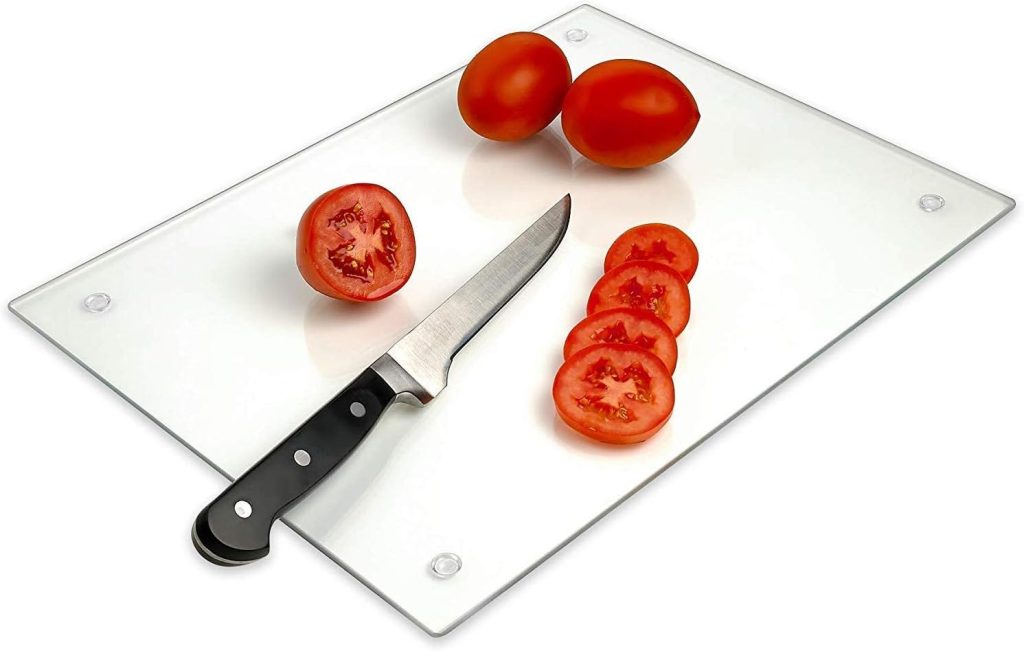
Have you ever noticed your knives getting dull faster than usual? You might be blaming the wrong thing.
If you use a glass cutting board, you may wonder if it’s the real culprit behind your dull blades. Understanding how your cutting board affects your knives can save you money and improve your kitchen experience. Keep reading to discover the truth about glass cutting boards and whether they really dull your knives—and what you can do to protect your blades.
Glass Cutting Boards And Knife Edges
Glass cutting boards are popular in many kitchens. They look clean and are easy to wash. But many wonder if they hurt knife edges.
This article explains how glass boards affect knives. It compares materials and how they change blade sharpness.
Material Hardness Comparison
| Material | Mohs Hardness |
| Glass Cutting Board | 5.5 |
| Wood Cutting Board | 2-3 |
| Bamboo Cutting Board | 3-4 |
| Plastic Cutting Board | 2-3 |
| Knife Blade (Steel) | 7-8.5 |
Glass is much harder than wood or plastic. It does not get scratched easily. Knife steel is harder than glass, but the board’s hardness still matters for the blade.
Impact On Blade Sharpness
Hard surfaces can dull knives quickly. Glass boards are very hard and smooth. This causes knives to lose their sharp edge faster than on wood or plastic.
- Glass boards can chip knife edges.
- Wood boards are gentle and keep knives sharp longer.
- Plastic boards are softer but may show cuts easily.
- Using a honing rod helps maintain sharp edges.
- Regular sharpening is needed if you use glass boards.
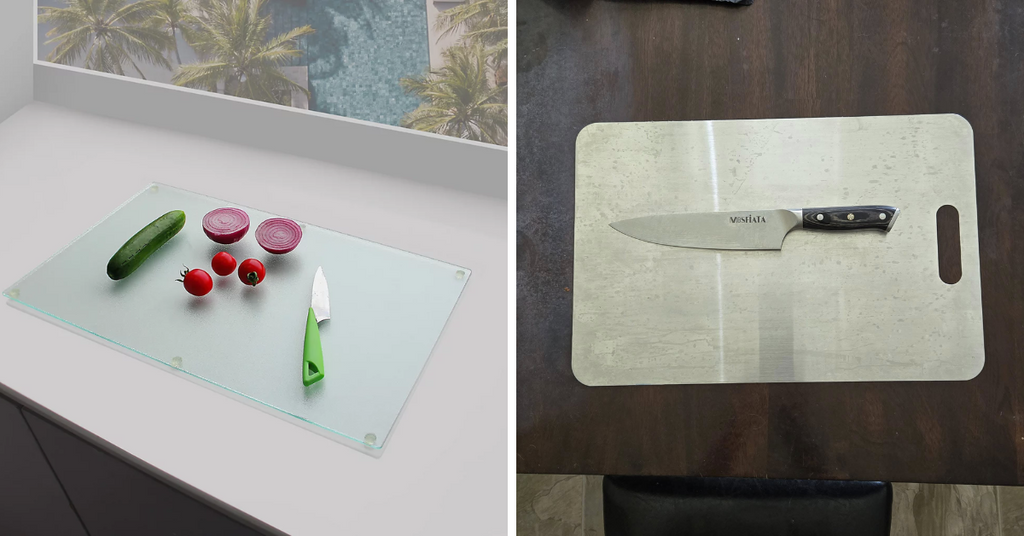
Credit: cookingpanda.com
How Knives Dull Over Time
Knives become dull after regular use. Tiny chips and scratches form on the blade edges.
These small damages reduce the blade’s sharpness and cutting ability. The material knives cut on affects this process.
Common Causes Of Dulling
Knives dull due to many reasons. Using the wrong cutting surface wears the blade quickly.
- Cutting on hard surfaces like glass or stone.
- Contact with metal or ceramic parts.
- Improper cleaning or storage causing rust.
- Frequent cutting of hard foods like bones.
- Using dull knives repeatedly without sharpening.
Role Of Cutting Surfaces
| Surface Type | Effect on Knife |
| Glass | Hard and unforgiving; dulls knives fast. |
| Wood | Soft; preserves sharpness longer. |
| Plastic | Soft but less durable; moderate dulling. |
| Stone | Very hard; causes quick dulling and chips. |
| Ceramic | Hard and brittle; damages blade edges. |
Pros And Cons Of Glass Boards
Glass cutting boards are popular in many kitchens. They offer a clean look and are easy to wash. But some wonder if they hurt knives.
This article looks at the good and bad points of glass boards. It covers hygiene, maintenance, durability, and appearance.
Hygiene And Maintenance
Glass boards are non-porous. This means they do not soak up liquids or stains. They do not hold bacteria well. This makes them very clean for food prep.
- Easy to clean with soap and water.
- Dishwasher safe for deep cleaning.
- Do not absorb odors or colors from food.
- Do not need special sanitizing treatments.
One downside is glass boards can be slippery on wet surfaces. This may cause accidents if not careful. Using a damp cloth under the board can help it stay in place.
Durability And Appearance
| Aspect | Glass Cutting Boards |
| Durability | Resist stains and scratches but can chip or crack if dropped. |
| Knife Wear | Can dull knives faster due to hard surface. |
| Appearance | Clear, sleek look that fits modern kitchens. |
| Longevity | Last long if handled carefully. |
Glass boards do not absorb moisture, so they keep their look well. They resist heat and stains better than wood or plastic. But dropping them can cause cracks or chips.
Because glass is hard, it can dull knives faster than softer cutting surfaces. Using a glass board for heavy chopping may wear your blades quicker.

Credit: www.cookist.com
Alternatives To Glass Cutting Boards
Glass cutting boards look nice but can dull your knives quickly. They are hard and cause blades to lose sharpness.
There are other cutting board materials that protect your knives better. These options are easier on blades and still safe for food.
Wooden Boards
Wooden cutting boards are soft and gentle on knife edges. They reduce dulling and last a long time with care.
Wood can absorb some juice from food but needs regular cleaning. It also helps prevent knives from slipping while cutting.
- Made from hardwoods like maple or walnut
- Self-healing surface with small cuts closing up
- Requires oiling to keep wood healthy
- Can be heavier than other boards
Plastic Boards
Plastic cutting boards are lightweight and easy to clean. They do not dull knives as fast as glass boards do.
These boards come in many colors to prevent cross-contamination between foods. They are dishwasher safe for quick cleaning.
- Made from polyethylene or polypropylene
- Affordable and widely available
- Can get deep cuts over time
- Replace when heavily scored to avoid bacteria
Tips To Protect Knives When Using Glass Boards
Glass cutting boards look nice but can harm your knives. The hard surface can dull blades faster than wood or plastic. Protecting your knives helps keep them sharp and safe.
Using the right techniques and caring for your knives properly can reduce damage. Follow these tips to keep your knives in good shape when using glass boards.
Proper Cutting Techniques
Use gentle cutting motions on glass boards. Avoid chopping straight down with force. This reduces the impact on the blade edge.
Try slicing or rocking the knife while cutting. This technique puts less pressure on the blade and keeps it sharper longer.
- Cut with a slicing or rocking motion
- Do not use heavy chopping force
- Keep knife angle consistent during cuts
- Avoid cutting very hard items on glass boards
Knife Care And Sharpening
Clean knives carefully after using glass boards. Wipe blades with a soft cloth to avoid nicks or corrosion. Dry knives fully before storing.
Sharpen knives regularly to restore the edge. Use a whetstone or professional sharpener. Regular sharpening keeps knives effective and safe.
- Clean and dry knives after each use
- Sharpen knives every few weeks or as needed
- Use a proper sharpener, not a pull-through device
- Store knives safely in a block or sheath

Credit: chopchopusa.com
Frequently Asked Questions
Do Glass Cutting Boards Damage Knives?
Yes, glass cutting boards can dull and damage knives. Glass is harder than metal, causing knives to lose sharpness quickly. For better knife longevity, consider using wood or plastic boards. These materials are gentler on knife edges and help maintain sharpness over time.
Are Glass Cutting Boards Safe For Knives?
Glass cutting boards are not safe for knives’ sharpness. The hard surface can quickly dull knife edges. Using glass boards frequently may require more frequent knife sharpening. To protect your knives, opt for softer cutting board materials like wood or plastic, which are kinder to your blades.
Why Do Chefs Avoid Glass Cutting Boards?
Chefs avoid glass cutting boards because they dull knives quickly. Glass is a hard surface that wears down knife edges. Professional chefs prefer wood or plastic boards, which are more forgiving. These materials help maintain knife sharpness, essential for precision and efficiency in professional kitchens.
How Do Glass Cutting Boards Affect Knife Sharpness?
Glass cutting boards negatively affect knife sharpness. The hard surface causes knives to lose their edge faster than other materials. Regular use of glass boards may lead to frequent sharpening. To preserve sharpness, consider switching to wood or plastic boards, which are gentler on knife edges.
Conclusion
Glass cutting boards can dull knives faster than wood or plastic. Their hard surface wears down the blade edge quickly. For sharper knives, softer boards work best. Using a glass board sometimes is okay for quick tasks. Regular sharpening helps keep knives in good shape.
Choose cutting boards based on your knife care needs. Careful use extends both knife and board life. Keep cutting safe and easy with the right tools.