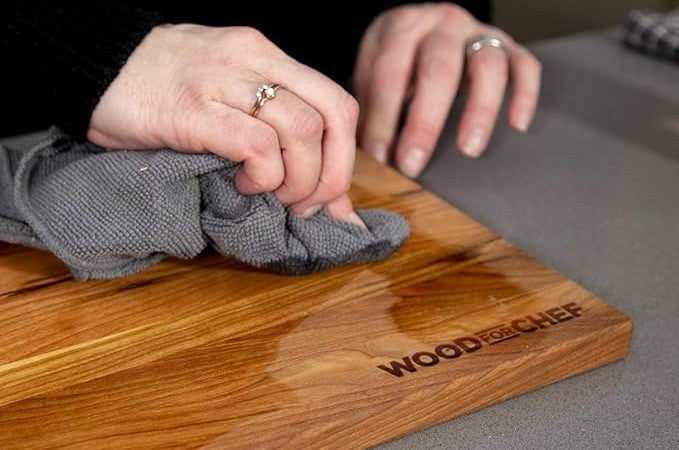
Your wood cutting board is more than just a kitchen tool—it’s a trusted partner in every meal you prepare. But if you don’t take good care of it, your board can crack, warp, or even harbor bacteria.
Wouldn’t you want your cutting board to stay strong, safe, and looking great for years? You’ll discover simple, effective ways to maintain your wood cutting board so it lasts longer and works better. Keep reading, and your kitchen favorite will thank you every time you use it.

Credit: food52.com
Choosing The Right Wood Board
Picking the right wood cutting board helps it last longer and stay safe to use. Wood type affects how well the board handles cutting and cleaning.
This guide explains key things to consider when choosing a wood cutting board for your kitchen.
Hardwood Vs Softwood
Hardwood boards come from trees like maple and oak. They are strong and last a long time.
Softwood boards come from pine or cedar. They are softer and get damaged easily.
- Hardwood is better for cutting and chopping.
- Softwood can get deep cuts and cracks faster.
- Hardwood resists bacteria better because it is denser.
Grain Types And Their Impact
Wood grain affects how the board wears and how easy it is to clean. There are two main types: end grain and edge grain.
End grain boards show the wood fibers standing up. They are gentle on knives and self-heal small cuts.
- End grain boards are durable and knife-friendly.
- Edge grain boards show the side of the wood fibers.
- Edge grain boards are easier to make and often cost less.
- End grain boards need more care but last longer.
Size And Thickness Considerations
Choose a board size that fits your kitchen space and cooking needs. Bigger boards allow more cutting area.
Thickness adds stability. Thin boards may warp or crack. Thick boards stay flat and strong.
- Small boards are good for light tasks and small kitchens.
- Large boards handle big jobs and multiple ingredients.
- At least 1 inch thick boards resist warping well.
- Thicker boards weigh more but last longer.
Credit: www.thekitchn.com
Cleaning Techniques
Keeping a wood cutting board clean helps it last longer. Good cleaning stops bacteria and odors.
Use the right methods to protect the wood and keep it safe for food use.
Daily Cleaning Routine
Clean your board after each use with warm water and mild soap. Avoid soaking it in water.
- Rinse board with warm water
- Use a soft sponge and mild dish soap
- Scrub gently to remove food bits
- Rinse soap off completely
- Dry board with a clean towel
- Let it air dry standing up
Removing Stains And Odors
Stains and smells can build up over time. Use natural cleaners to remove them safely.
| Cleaning Agent | Use |
| Lemon Juice | Rub on stains and odors, then rinse |
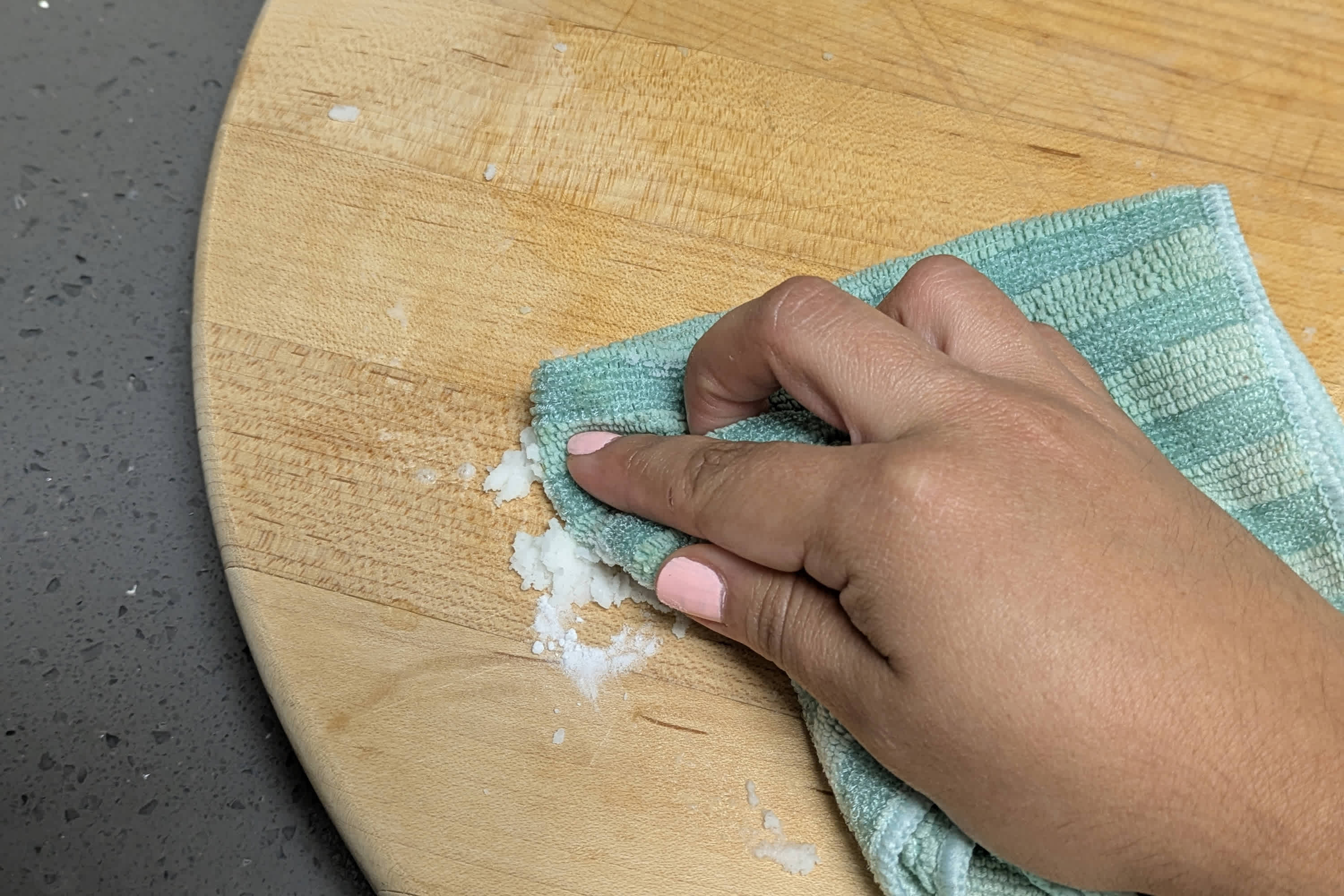
| Baking Soda | Sprinkle, scrub with sponge, rinse well |
| White Vinegar | Wipe surface, then rinse and dry |
Avoiding Harmful Cleaning Methods
Some cleaning ways can damage your wood board or make it unsafe.
- Do not use bleach or harsh chemicals
- Avoid soaking the board in water
- Never put the board in a dishwasher
- Do not use steel wool or abrasive scrubbers
Oiling And Conditioning
Wood cutting boards need care to stay strong and last long. Oiling and conditioning keep the wood from drying out and cracking. This process also protects the board from stains and water damage.
Regular oiling helps maintain the board’s smooth surface and keeps it safe for food use. Conditioning adds extra moisture and nourishment to the wood.
Best Oils For Wood Boards
Pick oils that soak in well and are safe for food contact. Some oils can go rancid or leave sticky spots, so choose carefully.
- Mineral oil is safe, clear, and does not go bad.
- Coconut oil is natural but may smell over time.
- Walnut oil is food-safe and dries well on wood.
- Beeswax mixed with oil adds extra protection.
How Often To Oil
Oil your cutting board regularly to keep it in good shape. The frequency depends on how often you use it and wash it.
For daily use, oil once a week. If used less, oil once a month. If the board looks dry or dull, oil it sooner.
Application Steps
Clean your cutting board before oiling. Make sure it is dry to avoid trapping moisture inside the wood.
- Pour a small amount of oil on the board’s surface.
- Use a clean cloth or paper towel to spread the oil evenly.
- Cover all sides and edges of the board.
- Let the oil soak in for at least a few hours or overnight.
- Wipe off any excess oil with a dry cloth.
Repeat this process regularly to keep your wood cutting board healthy and strong.
Preventing Damage
Wood cutting boards need care to last a long time. Preventing damage keeps them safe and useful.
This guide shows simple ways to avoid harm from water, heat, and tools.
Avoiding Excess Moisture
Too much water can make wood crack or warp. Dry your board well after washing it. Do not soak it in water.
- Wash with mild soap and warm water quickly
- Dry with a clean towel right away
- Store in a dry place away from humidity
- Oil the board regularly to repel moisture
Protecting Against Heat
Heat can damage wood by causing cracks and discoloration. Keep your cutting board away from hot surfaces and direct sunlight.
| Heat Source | Effect on Wood |
| Hot pans | Can cause burns and cracks |
| Sunlight | Leads to fading and dryness |
| Dishwasher heat | Warping and splitting |
Using Proper Cutting Tools
Use knives that are sharp and avoid heavy cleavers. Dull or heavy tools cause deep cuts and damage the board surface.
Tips for using cutting tools:
- Choose sharp knives to reduce pressure
- Cut gently and avoid chopping hard bones
- Use separate boards for meat and vegetables
- Replace boards if deep grooves develop
Repairing Minor Issues
Wood cutting boards can get small cracks and rough spots from daily use. Fixing these minor issues helps keep the board safe and useful.
Simple repairs improve the board’s look and extend its life. You can do most fixes at home with easy tools.
Fixing Cracks And Splits
Small cracks can trap bacteria and worsen if not fixed. Use wood glue to close the cracks tightly.
Apply glue inside the crack, press the board firmly, and wipe extra glue away. Let it dry for at least 24 hours.
- Use food-safe wood glue
- Clamp the board to hold cracks closed
- Remove glue before it dries
- Sand the area after drying to smooth it
Sanding Techniques
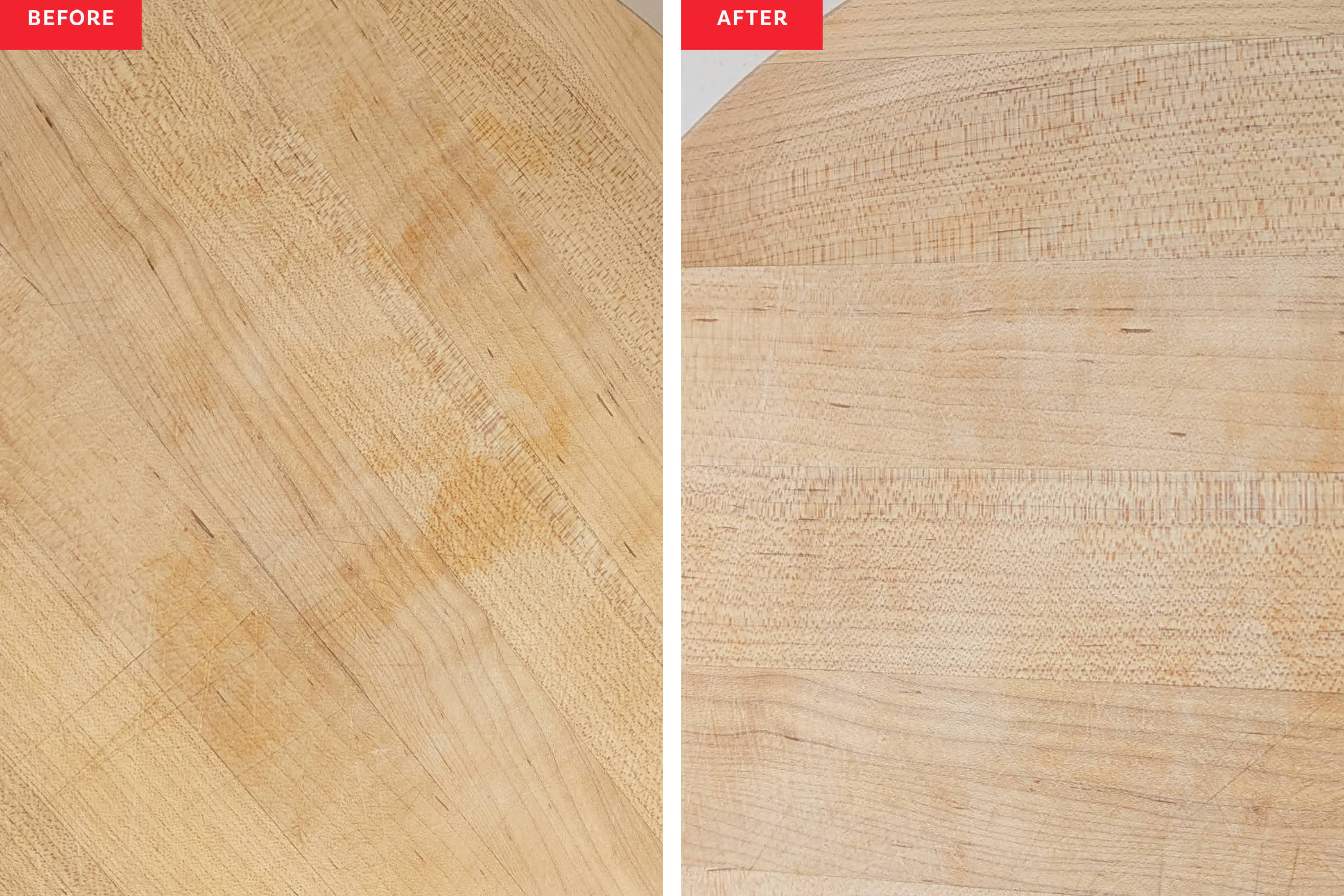
Sanding removes rough spots and minor stains from your cutting board. Start with medium-grit sandpaper to smooth the surface.
Sand along the wood grain to avoid scratches. Finish with fine-grit sandpaper for a smooth feel.
- Begin with 120-grit sandpaper
- Sand in the direction of the grain
- Use 220-grit sandpaper for finishing
- Wipe dust away with a damp cloth
Restoring Surface Smoothness
After sanding, apply a food-safe oil to restore moisture and shine. This protects the wood from drying out.
Rub oil into the surface with a clean cloth. Let it soak for a few hours, then wipe off excess oil.
- Use mineral oil or beeswax
- Apply evenly over the whole board
- Allow oil to soak in fully
- Remove any extra oil with a soft cloth
Credit: www.thekitchn.com
Storage Tips
Keeping your wood cutting board in good shape needs the right storage. Proper storage stops damage and keeps the board useful for years.
Learn the best ways to store your board to avoid cracks, warping, and other problems.
Ideal Storage Conditions
Your wood cutting board lasts longer when kept in a dry, cool place. Avoid spots with direct sunlight or heat. These cause the wood to dry out and crack.
- Keep the board away from ovens, stoves, and dishwashers
- Store in a well-ventilated area to stop moisture buildup
- Do not leave the board in water or damp places
- Keep the board flat or upright with support
Storing To Prevent Warping
Warping happens when one side of the board dries faster than the other. This bends the board out of shape. To avoid this, store the board properly.
Tips to prevent warping:
- Store the board standing on its edge, not flat
- Use a drying rack or a vertical holder
- Keep the board away from damp surfaces
- Apply mineral oil regularly to keep moisture even
Long-term Care
Long-term care protects the board and keeps it strong. Proper cleaning and storage go hand in hand.
| Action | Frequency | Reason |
| Apply food-safe mineral oil | Once a month | Prevents drying and cracking |
| Store in dry place | Always | Avoids mold and warping |
| Clean with mild soap and dry immediately | After each use | Keeps board hygienic |
| Use a board stand for storage | Always | Allows air circulation |
Frequently Asked Questions
How Often Should I Oil My Wood Cutting Board?
You should oil your wood cutting board every 3 to 4 weeks. Regular oiling prevents the wood from drying out and cracking. Use food-grade mineral oil for the best results. This routine helps maintain the board’s appearance and extends its lifespan.
What’s The Best Oil For Wood Cutting Boards?
Food-grade mineral oil is the best choice for wood cutting boards. It’s odorless, tasteless, and safe for food contact. This oil penetrates the wood, preventing it from drying and cracking. Regular application keeps your cutting board in top condition, ensuring longevity and durability.
Can I Put My Wood Cutting Board In The Dishwasher?
No, avoid placing wood cutting boards in the dishwasher. The heat and water can warp or crack the wood. Instead, hand wash with mild soap and warm water. Dry it immediately to prevent moisture absorption, which can damage the board over time.
How Do I Remove Stains From My Cutting Board?
To remove stains, sprinkle salt or baking soda on the board. Scrub gently with a damp cloth or sponge. Rinse with warm water and dry immediately. Regular cleaning helps maintain the board’s appearance and hygiene, ensuring a clean surface for food preparation.
Conclusion
Maintaining a wood cutting board keeps it safe and lasts longer. Clean it well after each use to stop germs. Dry it quickly to avoid cracks or warping. Oil the board regularly to keep the wood healthy. Avoid soaking it in water or putting it in the dishwasher.
Small care steps make a big difference. Your cutting board stays strong and looks good. Enjoy cooking with a fresh, well-kept board every day. Simple habits protect your wood and save money too.