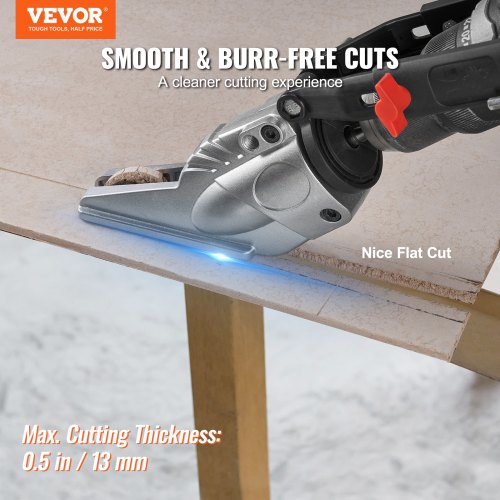
Are you about to tackle a project that involves cement board and wondering what tools you need to cut it properly? Choosing the right cutting tool can save you time, reduce mess, and give you cleaner, more precise edges.
If you use the wrong tool, you might end up frustrated or even damage your materials. You’ll discover the best options for cutting cement board easily and safely. Keep reading to find out exactly what to cut cement board with, so your project goes smoothly from start to finish.

Credit: www.tilemountain.co.uk
Types Of Cement Board
Cement boards are strong panels used in building projects. They provide a solid base for tiles and other finishes.
There are different types of cement boards. Each type fits specific construction needs.
Common Sizes And Thickness
Cement boards come in various sizes and thicknesses. This helps builders choose the right panel for each job.
- Standard sizes: 3 feet by 5 feet and 4 feet by 8 feet
- Thickness options: 1/4 inch, 1/2 inch, and 5/8 inch
- Thinner boards are easier to cut and handle
- Thicker boards offer more durability and strength
Material Composition
Cement boards are made from cement and reinforcing materials. These materials improve strength and water resistance.
Some boards include fiberglass mesh for added durability. Others use cellulose fibers to reduce weight.
- Cement: binds the materials together
- Sand or silica: adds hardness
- Fiberglass mesh: prevents cracking
- Cellulose fibers: lightens the board
Applications In Construction
Cement boards are popular in wet areas. They resist moisture better than drywall or wood panels.
They are used under tile floors, walls, and countertops. Builders also use them in exterior siding and soffits.
- Tile backing in bathrooms and kitchens
- Floor underlayment in wet rooms
- Exterior wall sheathing
- Soffits and eaves for weather protection
Essential Safety Gear
Cutting cement board creates dust and sharp edges. Wearing the right safety gear protects your eyes, lungs, and skin. Safety gear reduces injury risks and keeps you comfortable during work.
Always prepare your work area and use protective equipment before cutting. This guide covers key safety gear to use when cutting cement board.
Eye And Respiratory Protection
Cement board dust can irritate your eyes and lungs. Use safety glasses or goggles to shield your eyes from dust and flying particles. A dust mask or respirator stops harmful dust from entering your lungs.
- Wear tight-fitting safety goggles for eye protection.
- Use a N95 or higher rating dust mask for breathing safety.
- Ensure your respirator fits well and seals around the nose and mouth.
Gloves And Clothing
Sharp edges of cement board can cut your skin. Wear thick work gloves to protect your hands. Long sleeves and pants help prevent skin scratches and irritation from dust.
| Gear | Purpose |
| Work Gloves | Protect hands from cuts and abrasions |
| Long Sleeves and Pants | Protect skin from dust and sharp edges |
| Closed-Toe Shoes | Protect feet from falling debris |
Work Area Preparation
Prepare your workspace to reduce dust spread and keep tools ready. Cover floors with plastic sheets and use clamps to hold the cement board steady. Good lighting helps you cut safely and accurately.
- Lay plastic sheeting to catch dust and debris.
- Use clamps to secure the cement board firmly.
- Work in a well-ventilated area to reduce dust buildup.
- Keep your tools sharp and clean for smooth cutting.
Manual Cutting Tools
Cement board is a strong, cement-based panel used in construction. Cutting it by hand requires the right tools and techniques. Manual tools are safe and easy for small jobs.
You can cut cement board with simple hand tools. These tools help you score, snap, or saw the board without power tools.
Utility Knife Techniques
A sharp utility knife can cut cement board by scoring its surface. Use a straight edge to guide the cut. Press down hard and score several times to weaken the board.
- Hold the board firmly on a flat surface.
- Use a metal straight edge for a clean line.
- Score the board surface multiple times.
- Snap the board along the scored line.
- Sand rough edges if needed.
Scoring And Snapping Method
This method uses scoring to weaken the board, then snapping it cleanly. It works best on thinner cement boards.
| Step | Description |
|---|---|
| 1 | Place the board on a flat, stable surface. |
| 2 | Score the board deeply with a utility knife or scoring tool. |
| 3 | Lift the board slightly from the scored line and snap it down. |
| 4 | Trim any rough edges with sandpaper or a rasp. |
Handsaw Options
Handsaws are good for cutting thicker cement boards. A fine-toothed saw cuts cleanly and reduces dust.
| Handsaw Type | Best For | Notes |
|---|---|---|
| Carbide-Tipped Saw | Thick cement boards | Long-lasting blade, clean cuts |
| Fine-Toothed Handsaw | Thin to medium boards | Less dust, smooth edges |
| Backsaw | Precise cuts | Rigid blade for straight cuts |
Power Tools For Cutting
Cement board is a tough material used in many building projects. Cutting it correctly needs the right tools. Power tools make this job faster and cleaner.
Using power tools helps you cut cement board with accuracy and less effort. Each tool suits different types of cuts and shapes.
Circular Saw With Carbide Blade
A circular saw with a carbide blade cuts straight lines quickly through cement board. The carbide blade stays sharp and resists wear. It is best for long, straight cuts.
- Use a carbide-tipped blade with 60 to 80 teeth.
- Set the saw depth just enough to cut through the board.
- Wear a dust mask to avoid inhaling dust.
- Cut slowly to avoid chipping the edges.
Jigsaw For Curves
A jigsaw cuts curves and shapes that a circular saw cannot. It uses a fine-toothed blade designed for cement board. This tool is ideal for cutting out holes or rounded edges.
| Blade Type | Best Use | Cutting Speed |
|---|---|---|
| Fine-toothed carbide blade | Curves and shapes | Slow to medium |
| Standard wood blade | Not recommended for cement board | Fast but rough |
Angle Grinder Uses
An angle grinder cuts cement board in tight spots and makes small cuts. It uses a diamond or carbide blade to slice through the board. This tool is good for trimming and shaping.
- Wear eye and ear protection.
- Use a guard to shield from sparks and debris.
- Hold the tool firmly to control the cut.
- Cut slowly to prevent damage to the board.
Cutting Tips And Tricks
Cutting cement board correctly saves time and reduces waste. Using the right tools and methods makes the job easier.
Follow simple tips to measure, cut, and handle the board safely and neatly.
Marking And Measuring Accurately
Mark your cuts clearly before cutting cement board. Use a pencil or chalk that shows well on the surface.
- Measure twice to avoid mistakes.
- Use a straight edge or ruler for straight lines.
- Mark corners and curves carefully for precise cuts.
- Double-check measurements before cutting.
Reducing Dust And Debris
Cement board dust is harmful if inhaled. Use these tips to keep dust low and your work area clean.
| Method | Benefit |
| Score and snap instead of cutting through | Less dust created |
| Use a wet saw with water cooling | Dust stays wet and settles quickly |
| Wear a dust mask and goggles | Protects your lungs and eyes |
| Work outside or in a well-ventilated area | Dust disperses faster |
Handling Corners And Curves
Cutting corners and curves in cement board takes patience. Use tools and techniques for smooth edges.
- Use a jigsaw with a carbide-grit blade for curves.
- Make small cuts and go slow to avoid chipping.
- Score the back side to reduce splintering on the front.
- Sand edges lightly to smooth rough spots.

Credit: www.tilemountain.co.uk
Common Mistakes To Avoid
Cutting cement board needs the right tools and care. Mistakes can cause damage or injury.
Knowing what to avoid helps you cut cement board safely and correctly every time.
Incorrect Tool Choice
Using the wrong tool can break the cement board or create rough edges. Avoid tools that are not made for hard materials.
Choose tools that cut cleanly and reduce dust, like a carbide-tipped scoring knife or an angle grinder with a diamond blade.
- Do not use regular wood saws or scissors
- Avoid dull blades that tear rather than cut
- Use tools designed for cement or tile cutting
Improper Cutting Technique
Cutting too fast or applying too much pressure can crack the board. Score lightly before snapping it cleanly.
Use steady, even strokes and support the board well to prevent breakage or uneven edges.
- Score the board surface first instead of cutting all at once
- Snap the board along the scored line carefully
- Keep the board flat and stable during cutting
Ignoring Safety Precautions
Cement board dust can harm your lungs and eyes. Always wear safety gear to protect yourself.
Work in a well-ventilated area and clean up dust properly after cutting.
- Wear a dust mask and safety goggles
- Use gloves to protect your hands
- Keep your work area clean and ventilated
Maintenance Of Cutting Tools
Keeping your cutting tools in good shape helps you cut cement board safely. Proper care makes blades last longer.
Regular maintenance prevents damage and keeps your tools working well every time.
Blade Care And Replacement
Check the blade for dullness or chips before each use. A sharp blade cuts cleaner and is safer to use.
- Replace blades that are worn out or damaged.
- Use the right blade type for cement board to avoid quick wear.
- Keep blades dry to prevent rust.
- Sharpen blades only if the manufacturer allows it.
Tool Cleaning Tips
Clean your tools after cutting to remove dust and debris. This keeps parts moving smoothly.
| Cleaning Step | Tip |
| Remove dust | Use a soft brush or compressed air |
| Wipe blade | Use a damp cloth and dry fully |
| Lubricate moving parts | Apply light oil sparingly |
| Check screws | Tighten loose screws or bolts |
Storage Recommendations
Store your tools properly to protect blades and parts from damage and rust.
- Keep tools in a dry place away from moisture.
- Use blade covers or cases to prevent accidents.
- Organize tools to avoid banging or dropping.
- Inspect tools before storage to clean and repair if needed.

Credit: insulationgo.co.uk
Frequently Asked Questions
What Tools Are Best To Cut Cement Board?
The best tools to cut cement board are a score and snap knife, circular saw with a carbide blade, or an angle grinder. These tools make clean cuts and reduce dust. Choose based on your project size and precision needs.
Can I Use A Jigsaw To Cut Cement Board?
Yes, a jigsaw with a carbide-grit blade can cut cement board. It works well for curved or detailed cuts but creates more dust. Use proper safety gear and a dust mask when cutting.
How Do I Reduce Dust When Cutting Cement Board?
Cut cement board outdoors or in a well-ventilated area. Use a wet saw or mist the board with water to minimize dust. Wearing a dust mask and goggles also protects you from harmful particles.
Is It Safe To Cut Cement Board Indoors?
Cutting cement board indoors is not recommended due to dust. If necessary, use a dust extraction system and protective gear. Ensure good ventilation to avoid inhaling silica dust, which is harmful to your health.
Conclusion
Cutting cement board doesn’t have to be daunting. With the right tools, it becomes straightforward. A utility knife works well for straight cuts. For curves, try a jigsaw or circular saw. Always wear safety gear when cutting. Dust can be harmful.
Clean up after each cut to keep your workspace safe. Practice on scrap pieces if unsure. This builds confidence and ensures accuracy. Remember, patience is key. Perfect cuts require time. By choosing the right method, you can achieve smooth, precise cuts on cement board.
Your projects will look professional and neat.