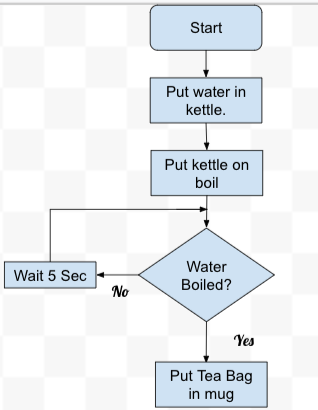
Making a perfect cup of tea might seem simple, but there’s an art to getting it just right. Have you ever wondered why some cups taste richer and more satisfying than others?
The secret lies in the little details you might be missing. You’ll discover easy steps that will help you brew tea that warms your soul and brightens your day. Stick with me, and by the end, your tea will never be the same again.
Ready to unlock the true flavor of your favorite brew? Let’s dive in!
Choosing The Right Tea
Making a good cup of tea starts with choosing the right tea leaves. The type and quality of tea affect the flavor and aroma. Understanding your options helps you pick tea that matches your taste.
This guide covers different types of tea leaves, how to select quality tea, and the choice between tea bags and loose leaf tea.
Types Of Tea Leaves
Tea leaves come from the Camellia sinensis plant. Different processing methods create various types of tea. Common types include green, black, oolong, white, and pu-erh teas. Each type has a unique taste and strength.
- Green tea:light and fresh taste, less caffeine
- Black tea:strong and bold flavor, higher caffeine
- Oolong tea:between green and black, floral notes
- White tea:delicate and mild, low caffeine
- Pu-erh tea:earthy and rich, aged tea
Selecting Quality Tea
Good quality tea has fresh aroma and vibrant leaves. Look for whole or large leaf pieces. Avoid tea that looks dusty or broken. The color should match the tea type. Freshness is key for taste.
| Quality Sign | What to Check |
| Appearance | Whole leaves, consistent color |
| Aroma | Fresh, fragrant, no stale smell |
| Packaging | Sealed, airtight, date of packaging |
| Origin | Trusted source or region known for tea |
Tea Bags Vs Loose Leaf
Tea bags are easy to use and quick. Loose leaf tea offers better flavor and quality. Loose leaves allow water to flow around the leaves for a richer taste. Tea bags often contain smaller, broken leaves or dust.
- Tea bags are convenient for fast brewing.
- Loose leaf tea needs a strainer or infuser.
- Loose leaf tea usually costs more but tastes better.
- Tea bags create less mess and waste.
- Choose based on your taste and time.

Credit: www.ohhowcivilized.com
Preparing Your Equipment
Making a perfect cup of tea starts with the right tools. Preparing your equipment well helps bring out the best flavors.
Use clean and suitable items to ensure the tea tastes fresh and smooth.
Selecting The Teapot Or Cup
Choose a teapot or cup that fits the type of tea and the number of servings. Porcelain and ceramic pots keep tea warm longer. Glass teapots let you see the tea color.
- Use a small teapot for one or two cups
- Pick a larger pot for groups
- Choose a cup with a handle for easy holding
- Avoid plastic cups to keep taste pure
Using Fresh Water
Fresh water improves the tea’s flavor. Always use cold, fresh water from the tap or filtered water if possible. Avoid water that has been boiled before.
| Water Type | Effect on Tea |
| Fresh Cold Water | Best taste and aroma |
| Previously Boiled Water | Flat taste |
| Tap Water with Chlorine | May affect flavor negatively |
| Filtered Water | Clean and pure taste |
Warming Your Teapot
Warming the teapot helps keep the tea hot longer and brings out better flavor. Pour hot water into the pot and swirl it around. Then pour the water out before adding tea leaves.
Tips for warming your teapot:
- Use water just below boiling point to avoid cracking
- Warm the pot for about 30 seconds
- Do not leave water in the pot too long
Brewing Techniques
Making a good cup of tea needs the right brewing techniques. These help bring out the best flavor and aroma.
Using the right water temperature and steeping time is key. Avoiding over-brewing keeps tea from tasting bitter.
Water Temperature For Different Teas
Each type of tea tastes best at a certain water temperature. Using boiling water for all teas can ruin the flavor.
Here are common water temperatures for popular teas. Use a thermometer or let boiling water cool before pouring.
- Green Tea: 160-180°F (70-80°C)
- White Tea: 160-185°F (70-85°C)
- Oolong Tea: 190-200°F (88-93°C)
- Black Tea: 200-212°F (93-100°C)
- Herbal Tea: 212°F (100°C)
Steeping Time Guidelines
Steeping time affects the strength and taste of your tea. Too short, and the flavor is weak. Too long, and it tastes bitter.
Use a timer to steep tea for the right amount of time. Different teas need different steeping times.
- Green Tea: 2-3 minutes
- White Tea: 4-5 minutes
- Oolong Tea: 3-5 minutes
- Black Tea: 3-4 minutes
- Herbal Tea: 5-7 minutes
Avoiding Over-brewing
Leaving tea to steep too long makes it bitter and unpleasant. Over-brewing can also increase caffeine more than needed.
Remove tea leaves or bags as soon as the steeping time ends. This keeps the taste smooth and balanced.
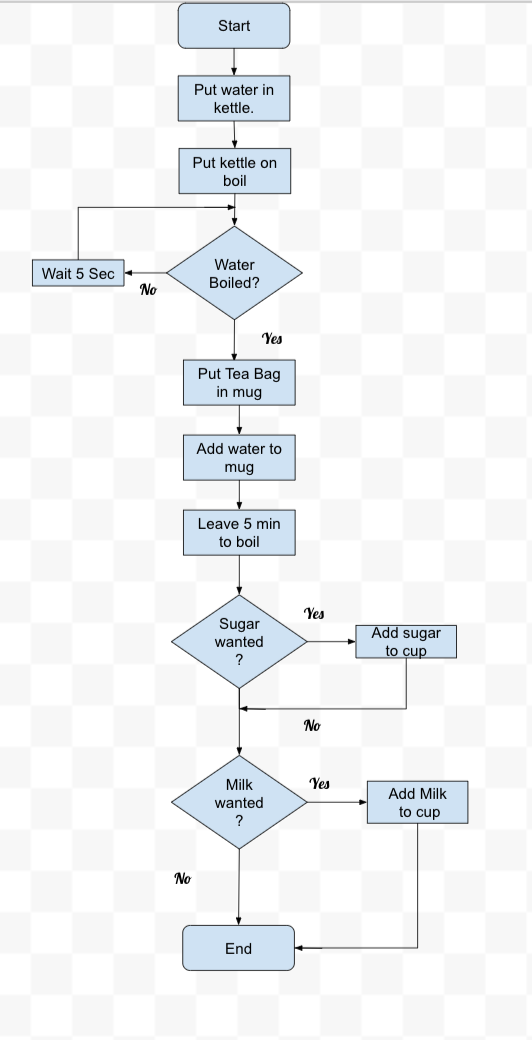
- Set a timer for the right steeping time
- Lift tea leaves or tea bags promptly
- Use a tea infuser to easily remove leaves
- If reusing leaves, steep longer but watch flavor
Credit: learningactors.com
Enhancing Flavor
Making a cup of tea can be simple and tasty. Small changes can improve the flavor a lot.
Adding the right ingredients helps make tea more enjoyable. Let’s look at some easy ways.
Adding Milk Or Lemon
Milk softens the strong taste of tea. It makes the drink creamy and smooth.
Lemon adds a fresh, tangy flavor. It works well with black or green tea.
- Use cold milk to keep the tea warm longer
- Add lemon after the tea cools slightly
- Avoid adding lemon to milk tea to prevent curdling
Sweeteners And Alternatives
Sugar is the usual sweetener. It balances bitterness and makes tea sweeter.
Honey and stevia are natural alternatives. They add sweetness with less impact on health.
- Use white or brown sugar for different flavors
- Honey pairs well with herbal teas
- Stevia suits low-calorie diets
Spices And Herbs
Spices like cinnamon or cardamom add warmth and depth. They make tea more exciting.
Fresh herbs such as mint or basil bring a cool, fresh taste. They brighten the tea.
- Add a cinnamon stick while brewing
- Crush cardamom pods for strong aroma
- Drop fresh mint leaves in hot tea
Serving And Enjoying
Serving tea properly enhances its flavor and your experience. Enjoying tea is not just about drinking it but also about the way it is poured and the items served alongside.
Let’s explore the best ways to pour, choose cups, and pair snacks to enjoy your tea fully.
Proper Pouring Methods
Pouring tea the right way keeps the taste balanced and the temperature perfect. Avoid splashing or pouring too fast to keep the tea leaves settled.
- Hold the teapot handle firmly.
- Pour the tea slowly and steadily into the cup.
- Stop pouring before the cup is full to avoid spills.
- Use a strainer if loose leaves are in the teapot.
Choosing The Right Cup
The cup you use changes the tea experience. The right cup keeps tea warm and feels good in your hand.
| Type of Cup | Best For | Material |
|---|---|---|
| Porcelain | All types of tea | Retains heat well, elegant |
| Glass | Green and herbal teas | Shows tea color, cools quickly |
| Ceramic | Black and oolong teas | Thick, keeps tea warm |
| Clay | Pu-erh and aged teas | Absorbs flavor, enhances taste |
Pairing With Snacks
Snacks can bring out the flavors of your tea. Sweet and salty treats work well with different tea types.
- Biscuits and cookies for black tea
- Light sandwiches for green tea
- Fresh fruit for herbal tea
- Cheese and nuts for oolong tea
Common Mistakes To Avoid
Making tea seems simple, but small errors can spoil its flavor. Avoiding common mistakes helps you enjoy a better cup every time.
Learn which errors to watch for when brewing tea. Fixing them improves taste and aroma.
Using Boiling Water For All Teas
Not all teas like boiling water. Green and white teas need cooler water. Using boiling water burns leaves and makes tea bitter.
- Use water just off the boil for black tea.
- For green or white tea, use water around 160°F to 180°F (70°C to 80°C).
- Oolong tea prefers water about 190°F (88°C).
Steeping Too Long Or Short
Steeping tea too long makes it bitter. Too short leaves it weak and tasteless. Finding the right time is key.
| Tea Type | Steeping Time |
| Green Tea | 2-3 minutes |
| Black Tea | 3-5 minutes |
| Oolong Tea | 4-7 minutes |
| Herbal Tea | 5-7 minutes |
Reusing Tea Leaves
Reusing tea leaves can cause weak flavor and bitterness. Some teas allow it, but many lose taste quickly.
- Use fresh leaves for the best flavor.
- If reusing, steep leaves a bit longer to extract flavor.
- Do not reuse leaves more than twice.
Credit: www.theguardian.com
Frequently Asked Questions
What Is The Best Water Temperature For Tea?
The ideal water temperature depends on the type of tea. For black tea, use boiling water at 212°F (100°C). Green tea requires 158-176°F (70-80°C), while white tea needs 160-185°F (71-85°C). Herbal teas are best at 212°F (100°C). Correct temperature enhances flavor and aroma.
How Long Should Tea Steep?
Steeping time varies by tea type. Black tea should steep for 3-5 minutes. Green tea requires 2-3 minutes, while white tea needs 4-5 minutes. Herbal teas can steep for 5-7 minutes. Proper steeping ensures a balanced flavor and prevents bitterness.
Should You Cover Tea While Steeping?
Yes, covering tea while steeping retains heat and aroma. It ensures optimal flavor extraction. Use a lid or saucer to cover the cup or pot. This technique is especially beneficial for herbal and delicate teas, enhancing the overall taste and experience.
Why Use Fresh Water For Tea?
Fresh water is essential for making good tea. Reboiled water loses oxygen, affecting flavor. Fresh water ensures proper infusion and enhances the tea’s taste and aroma. Always start with cold, clean water. This simple step significantly improves the quality of your tea.
Conclusion
Making a good cup of tea takes simple steps. Boil fresh water and choose your tea carefully. Steep the tea for the right time to get the best flavor. Pour, wait a little, and enjoy your warm drink. Practice helps to find what tastes best for you.
Each cup can bring comfort and calm. Tea is more than a drink; it’s a small daily pleasure. Keep it simple and enjoy every sip.