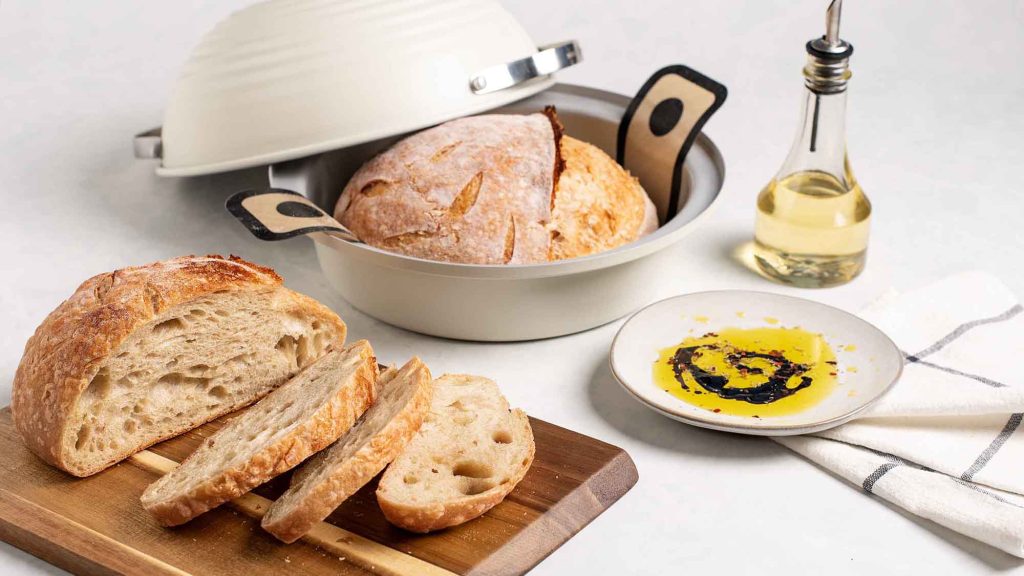
Are you wondering if you can mix your sourdough in a metal bowl? It’s a simple question, but the answer might surprise you.
Using the right bowl can make a big difference in how your sourdough turns out. If you want your bread to rise perfectly and taste amazing, you need to know what works best. Keep reading to discover whether metal bowls are a good choice for your sourdough and what factors you should consider before mixing your dough.
Your next loaf could be better than ever with just a small change!
Metal Bowls And Sourdough Basics
Sourdough baking is a careful process. The bowl you use can affect your starter and dough. Metal bowls are a common choice for many bakers.
This article explains types of metal bowls and what sourdough starters need. It helps you decide if metal bowls work for sourdough.
Types Of Metal Bowls
Metal bowls come in different materials. Each type has benefits and things to watch out for when mixing sourdough.
- Stainless Steel Bowls: Rust-resistant and durable. They do not react with acidic sourdough starter.
- Aluminum Bowls: Lightweight but can react with sourdough acids. This may change taste or color.
- Copper Bowls: Conduct heat well but can react with starter. Usually not recommended for sourdough.
- Tin Bowls: Less common and may react with starter acids.
Sourdough Starter Needs
Sourdough starter is a mix of flour and water with wild yeast. It needs a clean, non-reactive container for best growth.
| Need | Description |
| Non-reactive Bowl | Prevents changes in taste and acidity |
| Room Temperature | Helps yeast grow well |
| Airflow | Allows gases to escape without drying out |
| Easy Cleaning | Keeps starter healthy by avoiding contamination |

Credit: www.reddit.com
Impact Of Metal On Sourdough
Using a metal bowl to mix sourdough is common in many kitchens. It is easy to clean and durable. But metal can affect the dough in different ways.
This article looks at how metal reacts with sourdough and its effects on fermentation.
Reactions With Dough
Metal bowls can react with the sourdough ingredients. Some metals, like aluminum, may react with the acid in the dough. This can change the flavor and color of the sourdough.
- Stainless steel is mostly safe and does not react much with dough.
- Aluminum can cause discoloration and a metallic taste.
- Iron or copper bowls may also react with acidic dough.
- Using non-reactive metal bowls is best to keep dough quality.
Effects On Fermentation
Metal bowls can affect how sourdough ferments. The temperature of the metal changes faster than other materials. This can speed up or slow down fermentation.
| Type of Bowl | Fermentation Effect |
| Metal (Stainless Steel) | Conducts heat quickly; may speed fermentation |
| Metal (Aluminum) | May react with dough; affects flavor and fermentation |
| Glass | Maintains stable temperature; steady fermentation |
| Ceramic | Good heat retention; steady fermentation |
Safe Metals For Mixing
Choosing the right bowl for sourdough mixing is important. Some metals react with sourdough and cause problems.
Using safe metals keeps your dough pure and helps it rise well. Not all metal bowls are good for sourdough.
Stainless Steel Benefits
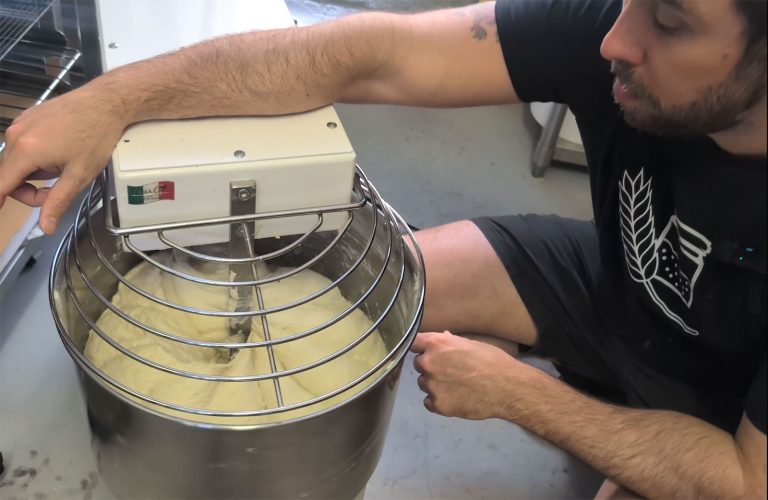
Stainless steel is a top choice for mixing sourdough. It does not react with the acidic dough.
This metal is strong and easy to clean. It also keeps the dough safe from metal taste or color changes.
- Non-reactive to sourdough acidity
- Durable and long-lasting
- Easy to clean and maintain
- Does not change dough flavor or color
Avoiding Reactive Metals
Some metals can react with sourdough’s acidity. These metals may cause off-flavors or damage your bowl.
Common reactive metals include aluminum and copper. They can also discolor your dough and affect its rise.
- Aluminum can react and change dough taste
- Copper reacts and may discolor dough
- Iron can rust and damage dough quality
- Avoid these metals for sourdough mixing
Credit: urbantreats.com.au
Expert Tips For Using Metal Bowls
Metal bowls are common in sourdough baking. They are strong and easy to clean. Knowing how to use them well helps your sourdough grow.
Keep in mind how metal reacts with heat and cleaning agents. Proper care keeps your bowl safe and your dough healthy.
Cleaning And Maintenance
Metal bowls need careful cleaning to avoid rust and damage. Clean them soon after use to stop sourdough residue from sticking.
- Wash with warm water and mild soap
- Avoid using steel wool or harsh scrubbers
- Dry the bowl completely to prevent rust
- Store in a dry place away from moisture
- Check for scratches that may trap bacteria
Temperature Control
Metal bowls conduct heat fast. This helps control dough temperature but requires attention. Too much heat can hurt yeast activity.
| Temperature Range | Effect on Dough |
| Below 70°F (21°C) | Slows fermentation |
| 70°F to 80°F (21-27°C) | Ideal for active fermentation |
| Above 80°F (27°C) | Can kill yeast or cause overproofing |
Alternatives To Metal Bowls
Some people ask if sourdough can be mixed in a metal bowl. Metal may react with the dough’s acidity. This can affect the taste and the starter’s health.
There are good alternatives to metal bowls. These options keep your sourdough safe and fresh.
Glass And Ceramic Options
Glass and ceramic bowls do not react with sourdough. They keep the dough’s flavor pure. These bowls are easy to clean and do not hold odors.
They also hold heat well. This helps the dough rise evenly. Glass and ceramic bowls are heavy, so they stay stable during mixing.
Plastic Bowl Considerations
Plastic bowls are lightweight and easy to handle. They do not react with the sourdough. Some plastics may stain or keep smells from the dough.
Choose food-safe plastic bowls without scratches. Scratches can trap bacteria and affect your starter. Plastic bowls are affordable and good for beginners.

Credit: www.reddit.com
Frequently Asked Questions
Can You Use A Metal Bowl For Sourdough?
Yes, you can use a metal bowl for sourdough mixing. Stainless steel is non-reactive and safe for sourdough. Ensure the bowl is clean and free from rust. Avoid using reactive metals like copper or aluminum. These can affect the dough’s fermentation process.
Always choose a non-reactive metal for best results.
Does Metal Affect Sourdough Fermentation?
Metal can affect sourdough if it’s reactive, like copper or aluminum. These metals can interfere with yeast activity. Stainless steel, however, is non-reactive and safe. It won’t affect fermentation. Always ensure the metal is clean and rust-free. Using non-reactive metal ensures a consistent fermentation process.
Why Avoid Aluminum Bowls For Sourdough?
Aluminum bowls are reactive and can alter sourdough’s taste and texture. The metal can react with the dough’s acids, affecting fermentation. This reaction might hinder yeast activity and spoil the dough. For best results, choose non-reactive bowls like stainless steel.
This ensures a smooth fermentation without altering the dough.
Is Stainless Steel Better For Sourdough Mixing?
Yes, stainless steel is ideal for sourdough mixing. It’s non-reactive and won’t interfere with fermentation. The material is durable and easy to clean. It maintains the dough’s integrity and ensures consistent results. Always ensure the bowl is free from rust.
Stainless steel supports a healthy sourdough process.
Conclusion
Mixing sourdough in a metal bowl is safe and common. Stainless steel bowls do not harm the dough or starter. Avoid reactive metals like aluminum, which can affect flavor. Metal bowls are easy to clean and durable. They also keep dough cool, helping fermentation.
Use what you have, but choose non-reactive metal. Your sourdough will rise well and taste great. Keep experimenting and enjoy baking with confidence.