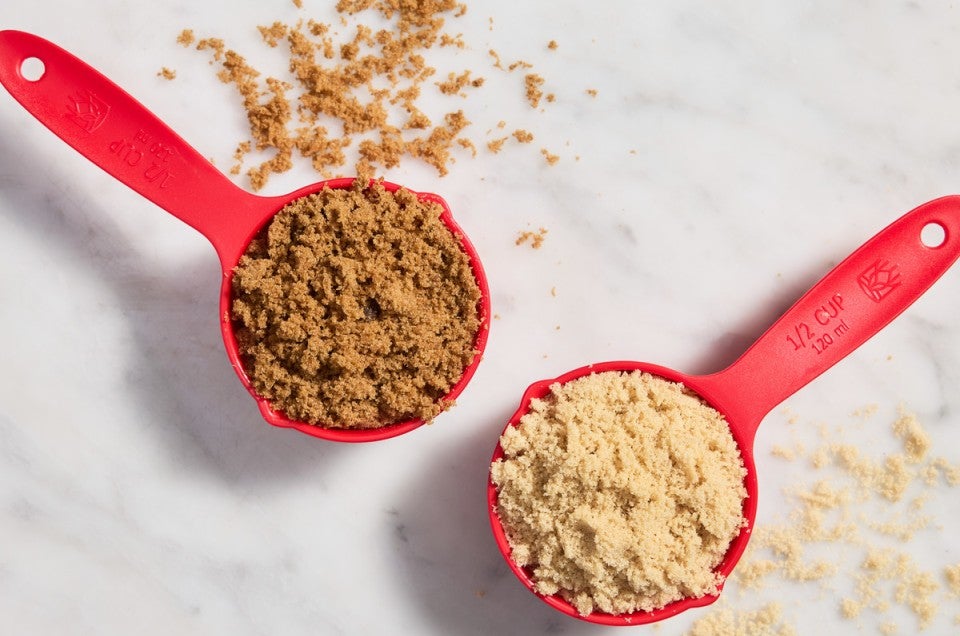
Have you ever wondered if liquid cups and dry cups are actually the same? It’s easy to mix them up, especially when you’re trying to measure ingredients for your recipes or workouts.
But using the wrong cup can lead to mistakes that affect your results. You’ll discover the key differences between liquid and dry cups—and why knowing this simple fact can save you time, money, and frustration. Keep reading to make sure you’re always measuring right.
Credit: kirbiecravings.com
Liquid Cups Basics
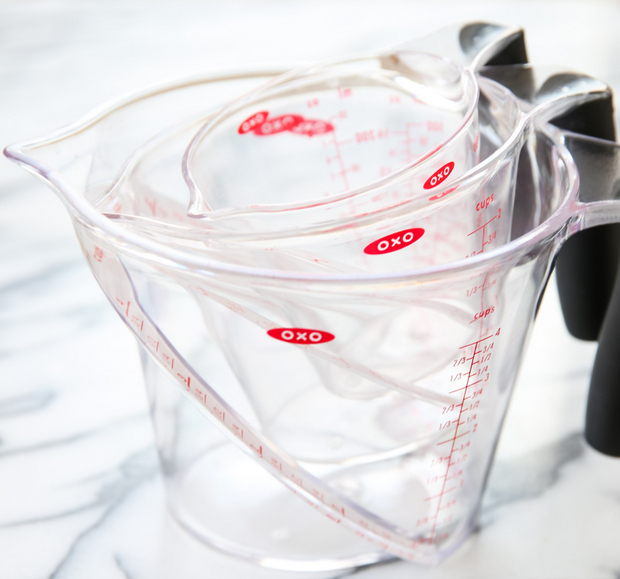
Liquid cups are containers designed to hold liquids safely. They are often used in food and beverage services.
Liquid cups differ from dry cups, which hold solid or powdered materials. Knowing their basics helps in choosing the right cup.
Materials Used
Liquid cups are made from materials that keep liquids inside without leaking. They must be safe for food and drink.
- Plastic: Common and lightweight, often clear or colored.
- Paper: Coated to prevent leaks and hold hot or cold drinks.
- Foam: Good for insulation to keep drinks hot or cold longer.
- Glass: Reusable and eco-friendly but fragile.
- Metal: Durable and often used for travel or camping.
Common Applications
Liquid cups are used in many places where people need to drink liquids easily. They are common in daily life.
- Restaurants and cafes for serving drinks.
- Parties and events for quick drink service.
- Offices for coffee, tea, and water.
- Outdoor activities like picnics and camping.
- Schools and hospitals for safe liquid serving.
Credit: kirbiecravings.com
Dry Cups Essentials
Dry cups are important tools in many crafts and industrial uses. They hold dry ingredients or powders during mixing or processing.
People often ask if liquid cups and dry cups are the same. This guide explains dry cups’ basics and what makes them different.
Material Composition
Dry cups are made from materials that resist moisture and static. This helps keep powders from sticking inside the cup.
Common materials include:
- Plastic like polypropylene or polyethylene
- Paper with special coatings
- Metal for heavy-duty use
Typical Uses
Dry cups hold powders, granules, or small solid parts. They are used in kitchens, labs, and factories.
- Measuring flour, sugar, or spices in cooking
- Holding powders in chemical or scientific work
- Organizing small parts in manufacturing
- Mixing dry ingredients in crafts
Material Differences
Liquid cups and dry cups are made from different materials. These materials affect their use and performance.
Understanding the material differences helps in choosing the right cup for your needs.
Durability Factors
Liquid cups are usually made from plastic or coated paper to hold liquids without leaking. They need to resist moisture and spills.
Dry cups are often made from cardboard or thicker paper. They do not require a waterproof coating, so they can be less durable against liquids.
- Liquid cups have a plastic lining for water resistance
- Dry cups use thicker paper for strength
- Liquid cups resist leaks better than dry cups
- Dry cups can handle dry goods without damage
Environmental Impact
Liquid cups often use plastic linings that make recycling harder. This can increase waste in landfills.
Dry cups usually use plain paper or cardboard. These materials break down faster and are easier to recycle.
- Liquid cups may not be fully recyclable due to plastic layers
- Dry cups are more eco-friendly and break down quickly
- Choosing dry cups reduces plastic waste
- Liquid cups need special recycling processes
Design Variations
Liquid cups and dry cups come in different designs. These designs affect how each cup works. Understanding these design differences helps choose the right cup.
Two key design areas are shape and structure, and insulation properties. These affect the cup’s use and comfort.
Shape And Structure
Liquid cups usually have a round, smooth shape. This helps prevent spills and makes drinking easy. Dry cups often have a more rigid form. They keep dry contents secure and fresh.
- Liquid cups have a curved lip for drinking.
- Dry cups have a flat or sealed top to keep contents dry.
- Liquid cups are often made flexible to fit different lids.
- Dry cups tend to be sturdy to protect against crushing.
Insulation Properties
Insulation varies between liquid and dry cups. Liquid cups often have extra insulation to keep drinks hot or cold. Dry cups focus less on temperature and more on moisture control.
| Type of Cup | Insulation Focus | Common Material |
|---|---|---|
| Liquid Cup | Temperature control (hot/cold) | Foam, double-walled plastic |
| Dry Cup | Moisture protection | Plastic, paperboard with moisture barrier |
Functional Differences
Liquid cups and dry cups look similar but serve different purposes. They have unique features that affect their function.
Understanding these differences helps you choose the right cup for your needs. This ensures accuracy and convenience.
Suitability For Liquids
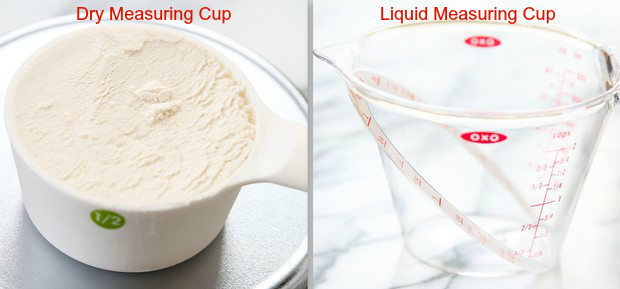
Liquid cups are designed to hold fluids without spilling. They often have a spout for easy pouring. Dry cups measure ingredients like flour or sugar. They do not have a spout and are usually marked for dry volume.
- Liquid cups have a pour spout to avoid spills.
- Dry cups are made for scooping and leveling ingredients.
- Liquid cups show measurements on the side for easy reading.
- Dry cups rely on leveling off ingredients to measure precisely.
Handling And Storage
| Feature | Liquid Cups | Dry Cups |
|---|---|---|
| Material | Usually plastic or glass | Often plastic or metal |
| Shape | Tall with a spout | Wide and flat |
| Storage | Stackable or nested | Stackable but less stable |
| Cleaning | Easy to rinse and pour | Easy to scoop and wipe |
Cost Comparison
Liquid cups and dry cups serve different purposes but look similar. Their cost differences come from how they are made and sold.
Understanding their costs helps businesses choose the right type for their needs.
Production Expenses
Liquid cups need materials that prevent leaks and spills. This makes their production more complex.
Dry cups are simpler to produce. They do not require special coatings or seals.
- Liquid cups use waterproof materials.
- Dry cups use basic paper or plastic.
- Liquid cups need extra sealing steps.
- Dry cups have fewer manufacturing steps.
Consumer Pricing
Liquid cups often cost more in stores because of their extra features. These features include leak resistance and durability.
Dry cups are usually cheaper and sold in bulk. They are ideal for serving dry foods or snacks.
| Type | Average Price per Cup | Common Use |
|---|---|---|
| Liquid Cups | $0.10 – $0.25 | Cold or hot drinks |
| Dry Cups | $0.05 – $0.15 | Snacks, dry foods |
Choosing The Right Cup
Choosing the right cup depends on what you need it for. Liquid cups and dry cups look similar but serve different purposes.
Understanding their uses and impact on the environment helps you pick the best option for your needs.
Based On Usage
Liquid cups are designed to hold liquids like water, juice, or coffee. Dry cups are meant for dry items such as flour, sugar, or rice.
- Liquid cups usually have a smooth inner surface to prevent leaks.
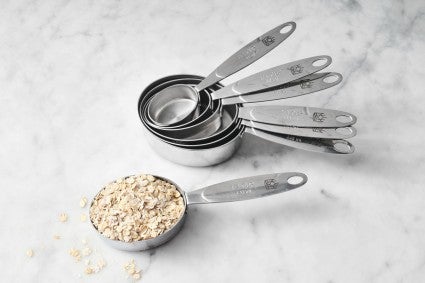
- Dry cups often have markings for accurate measurement of powders and grains.
- Using the wrong cup can cause spills or wrong measurements.
Environmental Considerations
Choosing cups with less environmental impact helps reduce waste. Materials and reusability matter here.
| Type of Cup | Material | Environmental Impact |
| Liquid Cup | Plastic, Glass, Paper | Plastic may pollute; glass and paper are better |
| Dry Cup | Plastic, Metal, Wood | Metal and wood are reusable; plastic less eco-friendly |
Credit: www.kingarthurbaking.com
Frequently Asked Questions
What Is The Difference Between Liquid And Dry Cups?
Liquid cups measure volume while dry cups measure weight. Liquid cups have a spout for easy pouring. Dry measuring cups are more precise for ingredients like flour. Each type is designed for specific measurement needs in cooking and baking.
Can You Use Dry Cups For Liquids?
Using dry cups for liquids is not recommended. Dry cups lack a spout, making pouring difficult. They are not designed for measuring liquids accurately. For best results, use liquid measuring cups to ensure precision.
Why Are Liquid And Dry Measuring Cups Important?
Accurate measurements ensure recipe success. Liquid and dry measuring cups are crucial for precision. They help achieve the right consistency and taste in recipes. Using the correct type prevents measurement errors, enhancing cooking outcomes.
How To Measure Dry Ingredients Accurately?
Use the correct size dry measuring cup. Spoon ingredients into the cup lightly. Level off with a straight edge. Avoid packing ingredients tightly unless specified. This method ensures accurate measurements for successful baking and cooking results.
Conclusion
Liquid cups and dry cups serve different purposes. Liquid cups hold fluids, while dry cups carry solid items. Mixing them can cause spills or messes. Choosing the right cup helps keep things tidy and safe. Understanding their differences makes daily use easier.
Remember, each cup fits its own need. Simple choices lead to better results.