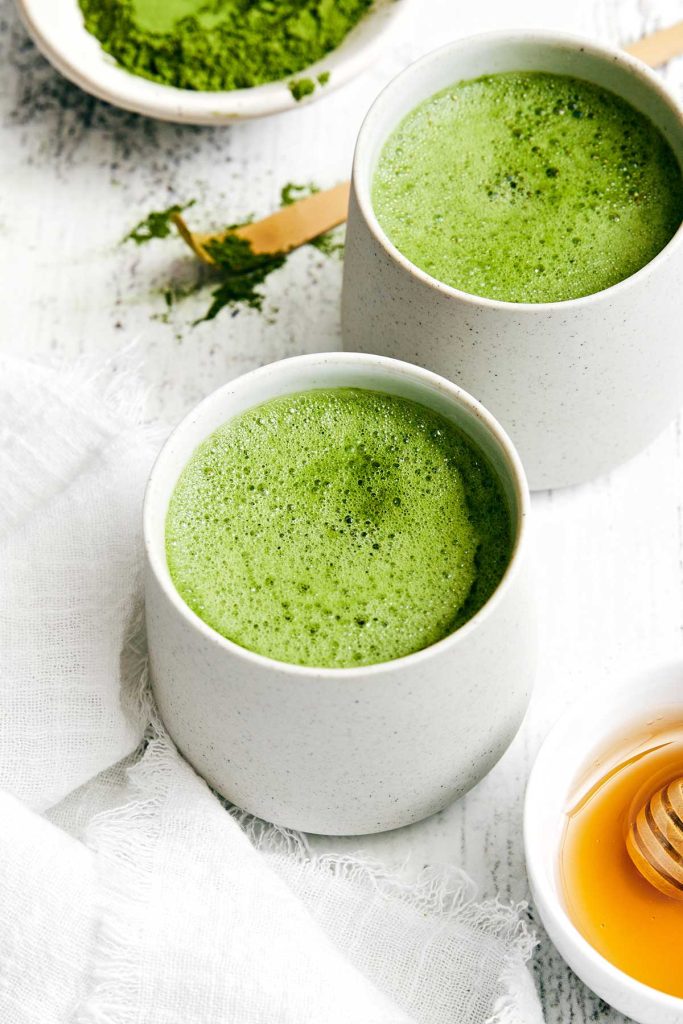
If you’ve ever wondered how to make a cup of matcha tea that’s smooth, vibrant, and full of rich flavor, you’re in the right place. Making matcha isn’t just about pouring hot water over powder—it’s a simple ritual that can boost your energy and calm your mind.
Imagine starting your day with a bright green cup that’s packed with antioxidants and a gentle caffeine lift. In this guide, you’ll discover easy steps to prepare matcha like a pro, even if you’ve never tried it before. Ready to transform your tea time?
Let’s dive in.

Credit: www.acouplecooks.com
Choosing Matcha Powder
Matcha tea starts with picking the right matcha powder. The quality affects the taste and health benefits. It is important to know the types of matcha and how to keep it fresh.
In this guide, learn about the differences between ceremonial and culinary matcha. Also, find tips for storing your matcha to keep it fresh longer.
Ceremonial Vs Culinary Grade
Ceremonial grade matcha is made from young tea leaves. It has a bright green color and a smooth, delicate flavor. This type is best for drinking straight with hot water.
Culinary grade matcha uses older leaves and has a stronger, more bitter taste. It works well in cooking and baking where other flavors can mix with it.
| Grade | Leaf Age | Color | Flavor | Best Use |
| Ceremonial | Young | Bright green | Smooth, mild | Drinking tea |
| Culinary | Older | Darker green | Strong, bitter | Cooking and baking |
Freshness And Storage Tips
Matcha powder loses flavor and nutrients quickly if not stored well. Keep it away from air, light, heat, and moisture to keep it fresh.
- Store matcha in an airtight container
- Keep it in a cool, dark place
- Avoid storing near strong-smelling foods
- Use matcha within a few weeks after opening
- Refrigerate if you live in a hot climate
Gathering Your Tools
Making a cup of matcha tea needs special tools. These tools help you prepare the tea correctly and enjoy its flavor.
Before you start, gather all the necessary utensils. This will make the process smooth and easy.
Essential Matcha Utensils
These are the basic tools you need to prepare matcha tea properly. Each tool has a specific purpose in the tea-making process.
- Chawan (Tea Bowl):A wide bowl used to whisk and drink matcha.
- Chasen (Bamboo Whisk):A special whisk to mix matcha powder with hot water.
- Chashaku (Bamboo Scoop):A scoop to measure the right amount of matcha powder.
- Fine Sifter:Used to sift matcha powder to avoid clumps.
- Kettle:To heat water at the right temperature for matcha.
Optional Accessories
These accessories are not required but can improve your matcha experience. They help with preparation and presentation.
| Accessory | Purpose |
| Tea Cloth | Used to clean the bowl and whisk after use. |
| Matcha Storage Tin | Keeps matcha powder fresh and protected from light. |
| Thermometer | Helps check water temperature for perfect brewing. |
| Tea Tray | For serving and holding utensils neatly. |
Preparing The Matcha
Making a good cup of matcha starts with proper preparation. This step ensures the tea tastes fresh and smooth.
Careful measuring and sifting help bring out matcha’s best flavor and texture.
Measuring The Right Amount
Use the right amount of matcha powder to get the perfect taste. Too much powder can make the tea bitter.
A standard serving is about one to two teaspoons. This amount works well for one cup of tea.
- Use a small spoon or scoop for accuracy
- One teaspoon makes a lighter tea
- Two teaspoons give a stronger flavor
Sifting For Smoothness
Sifting matcha powder removes clumps. This step makes the tea smooth and easy to whisk.
Use a fine mesh sifter to gently shake the powder into a bowl. This helps the powder mix well with water.
- Place sifter over your bowl
- Use a spoon or small whisk to push powder through
- Discard any large pieces left in the sifter

Credit: tiffycooks.com
Whisking Techniques
Making a good cup of matcha tea needs the right whisking technique. Whisking helps blend the powder and water well. It also creates a smooth texture and froth on top.
Using the correct way to whisk matcha improves its taste and look. Let’s learn about water temperature, whisking motion, and froth.
Water Temperature Matters
The water should not be too hot or too cold. Hot water can make matcha taste bitter. Cold water won’t mix the powder well.
Use water around 175°F (80°C) for the best flavor. Let boiling water cool down before whisking your matcha.
Proper Whisking Motion
Hold the whisk lightly in your hand. Use quick, gentle movements to mix the matcha. Avoid stirring slowly or shaking hard.
Whisk in a “W” or “M” shape. This motion helps break up clumps and mixes the powder evenly.
- Start slowly to mix the powder and water
- Use brisk, back-and-forth motion in “W” shape
- Keep wrist relaxed to avoid breaking the whisk
Achieving The Perfect Froth
Froth makes matcha look smooth and creamy. To get good froth, whisk faster near the end. This adds air to the tea.
Stop whisking when tiny bubbles cover the surface. Large bubbles mean you need to whisk more gently next time.
- Whisk faster at the end to create foam
- Look for small, even bubbles on top
- Practice to find the right speed for froth
Serving Suggestions
Matcha tea is more than just a drink. It has a special way to be served. This adds to the experience of enjoying matcha.
There are different ways to serve matcha, from classic to new styles. Each way has its own charm and taste.
Traditional Presentation
Traditional matcha is served in a tea bowl called a chawan. The tea is prepared with a bamboo whisk to make a smooth froth.
- Use a ceramic tea bowl for serving.
- Whisk matcha powder with hot water until frothy.
- Serve with a small sweet treat called wagashi.
- Hold the bowl with both hands when drinking.
Modern Variations
Modern ways include cold matcha drinks and matcha lattes. These are popular in cafes and homes.
| Type | Description | Serving Style |
| Matcha Latte | Matcha mixed with steamed milk | Served in a glass cup |
| Iced Matcha | Matcha with cold water and ice | Served in a tall glass with a straw |
| Matcha Smoothie | Matcha blended with fruits and yogurt | Served in a chilled glass |

Credit: downshiftology.com
Troubleshooting Common Issues
Making matcha tea is simple, but some problems can affect the taste and texture.
Below are common issues and how to fix them for a better cup.
Avoiding Bitter Taste
Bitter matcha can spoil your tea experience. Use these tips to keep bitterness low.
- Use water under 80°C (176°F) to avoid burning the tea.
- Do not whisk too long; stop once frothy.
- Choose high-quality, fresh matcha powder.
- Use the right amount of powder—usually 1 to 2 teaspoons.
- Drink your tea soon after making it to avoid bitterness from oxidation.
Fixing Clumps And Grit
Clumps and grit make your matcha rough and unpleasant. Use these methods to smooth your tea.
| Cause | Solution |
| Clumped powder | Sift matcha before use to break lumps. |
| Water poured too fast | Add water slowly while whisking. |
| Whisking technique | Use a bamboo whisk and whisk in a zigzag motion. |
| Low-quality powder | Buy fine, ceremonial grade matcha for smooth texture. |
Enhancing Your Matcha Experience
Matcha tea has a unique flavor and many health benefits. You can enjoy it in different ways to make your experience special.
Small changes in how you drink or use matcha can bring new tastes and fun to your daily routine.
Pairing With Snacks
Matcha tastes great with certain snacks. These snacks balance the tea’s natural bitterness and bring out its sweet notes.
- Lightly salted nuts
- Sweet red bean pastries
- Plain rice crackers
- Fresh fruit like strawberries or orange slices
- White chocolate pieces
Incorporating Matcha Into Recipes
You can add matcha powder to many recipes. It adds color and a mild green tea flavor.
| Recipe | How to Add Matcha | Notes |
| Smoothies | Mix 1 teaspoon matcha powder | Blend well for smooth taste |
| Pancakes | Add 1 tablespoon to dry ingredients | Gives color and gentle flavor |
| Ice Cream | Stir matcha into cream mixture | Use 2 teaspoons for mild taste |
| Cookies | Mix matcha with flour | Try 1 tablespoon per batch |
Frequently Asked Questions
What Are The Benefits Of Matcha Tea?
Matcha tea is rich in antioxidants, which can boost metabolism and improve concentration. It also enhances mood and aids in relaxation. Drinking matcha may support heart health and help detoxify the body. Its unique combination of nutrients makes it a popular choice for those seeking a healthy beverage.
How Much Matcha Powder Should I Use?
For a standard cup of matcha, use about 1 to 2 teaspoons of matcha powder. Adjust the amount based on your taste preference. Begin with less if you’re new to matcha, and increase as you become accustomed to its flavor.
Using the right amount ensures a balanced and enjoyable drink.
Can I Use Milk In Matcha Tea?
Yes, you can use milk to make a matcha latte. Use any milk of your choice, like almond or oat milk. Adding milk creates a creamy texture and can mellow the flavor. Simply whisk the matcha with a small amount of water before adding warmed milk for a delicious drink.
Is Matcha Better Than Regular Green Tea?
Matcha contains more antioxidants than regular green tea, providing greater health benefits. It’s made from whole tea leaves, offering more nutrients. The preparation method of matcha ensures you consume more of the tea’s beneficial components. It also has a more intense flavor compared to regular green tea.
Conclusion
Making a cup of matcha tea is simple and rewarding. Start with good quality powder and clean water. Whisk the powder well to get a smooth texture. Enjoy the fresh, slightly sweet taste that matcha offers. This tea can calm your mind and give you energy.
Try making it regularly to feel the benefits. A small daily ritual that brings peace and focus. Give it a try today and enjoy a moment of calm.