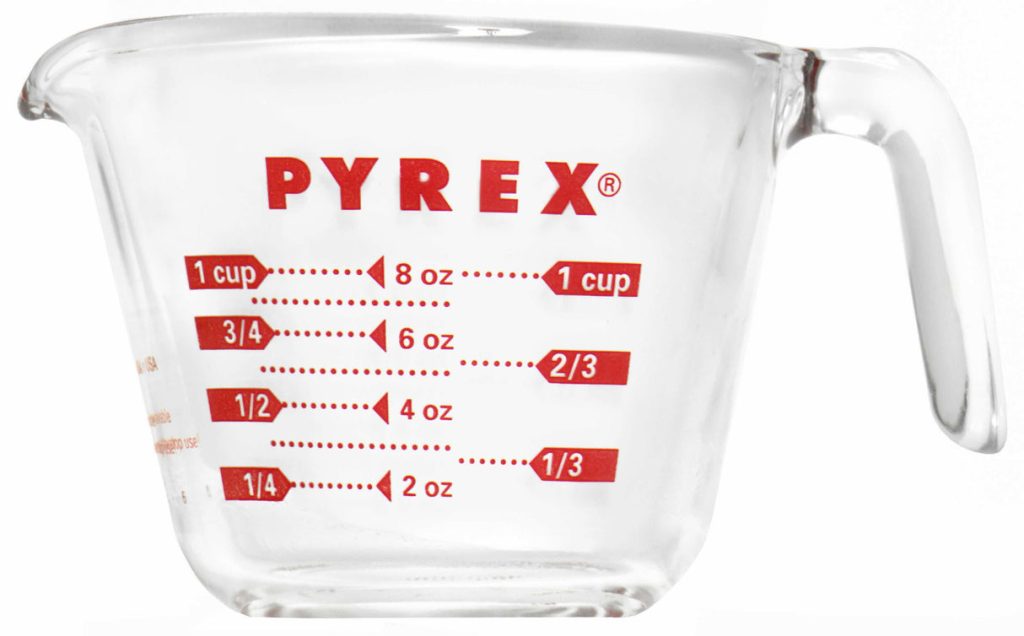
Have you ever started a recipe only to realize you don’t have a measuring cup? It can feel frustrating when you need exactly one cup of water, but the right tool isn’t around.
Don’t worry—you can still get it right. Knowing simple tricks to measure a cup of water without a measuring cup will save your cooking and baking from going off track. Keep reading, and you’ll discover easy, practical ways to measure water using items you already have at home.
This will make your kitchen time smoother and your recipes turn out just perfect every time.
Common Household Items As Measuring Tools
Measuring a cup of water can be easy even without a measuring cup. Many household items can help you estimate the amount you need. This guide shows how to use common kitchen tools for measuring water.
Using these items can save time and reduce the need for special tools. It is useful for cooking, baking, or any task that requires water measurement.
Using Spoons For Approximate Measurement
Spoons are common in every kitchen. They come in different sizes such as teaspoons and tablespoons. These sizes help estimate small amounts of water.
A standard tablespoon holds about 15 milliliters of water. A cup equals about 16 tablespoons. Using spoons can help you reach close to one cup.
- Use 16 tablespoons to make one cup of water
- Fill the spoon level for better accuracy
- Teaspoons measure smaller amounts, about 1/3 of a tablespoon
Utilizing Glasses And Mugs
Glasses and mugs vary in size but often have common volumes. A regular drinking glass usually holds about 8 ounces, half a cup. A mug often holds about 12 ounces, or 1.5 cups.
You can fill a glass or mug halfway or a bit less to measure close to one cup. Knowing your glass size helps estimate water amount easily.
- Half a standard glass is about 1 cup (8 ounces)
- A smaller mug can hold 1 cup if filled properly
- Use a mark or visual clue on the glass for accuracy
Measuring With Bowls And Containers
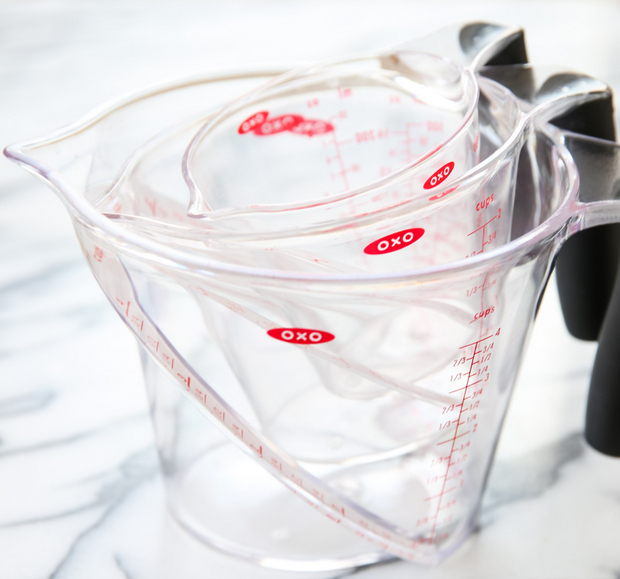
Bowls and containers come in many sizes. Some have measurements marked on the side. You can use these marks to measure water without a cup.
If there are no markings, you can compare the bowl size to known amounts. For example, a small cereal bowl often holds about one cup of liquid.
- Check for measurement marks on container sides
- Use a small bowl that fits one cup of water
- Fill the container to about half if it holds two cups
Credit: kirbiecravings.com
Visual Size Comparisons
Measuring a cup of water without a measuring cup is easy with visual tricks. You can use common objects or your hands to estimate the volume.
These methods help you get close to one cup by comparing sizes you already know.
Comparing To A Tennis Ball Or Other Objects
A tennis ball is about the size of a cup of water. You can use it as a visual guide to estimate one cup.
- A tennis ball holds roughly one cup of water.
- A small apple or orange is close to one cup in size.
- A standard coffee mug usually holds about one cup.
- A baseball is slightly bigger than one cup.
Using Hand Measurements For Volume
Your hands can help measure water volume when no tools are nearby. Using your palm or fingers gives you a rough estimate.
| Hand Measurement | Approximate Volume |
|---|---|
| Closed fist | About 1 cup (240 ml) |
| Flat palm (without fingers) | About 1/2 cup (120 ml) |
| Thumb tip to first knuckle (pinch) | About 1 tablespoon (15 ml) |
| Four fingers cupped | About 3/4 cup (180 ml) |
Water Displacement Method
Measuring a cup of water can be tricky without a measuring cup. The water displacement method helps you find the right amount easily. This method uses how much space water takes up in a container.
You can use simple tools like a container with markings or watch how water level changes. These ways show the volume of water by comparing before and after adding water.
Using A Container With Markings
Find a container with volume markings. Pour water into it until the water reaches the marking for one cup. If the container shows smaller amounts, add water little by little to reach one cup.
- Choose a clear container with volume lines
- Fill the container slowly to the one-cup mark
- Check the water level at eye height for accuracy
- Pour the measured water into your desired container
Estimating Volume By Water Level Changes
This method uses two containers. Fill one with water. Put the empty container inside without spilling. The water level will rise. The rise shows how much volume the inner container holds.
| Container | Initial Water Level | Water Level After Submerging | Volume of Inner Container |
| Outer Container | 200 ml | 300 ml | 100 ml (difference) |
| Inner Container | Empty | Submerged | Holds 100 ml water |

Credit: rhondasues.com
Everyday Items With Standard Volumes
You can measure a cup of water without a measuring cup. Many everyday items have known volumes. These items help you estimate one cup of water easily.
Using standard volumes in common objects saves time. It also helps when you don’t have a measuring cup nearby.
Water Bottles And Juice Cartons
Many water bottles hold a standard amount of liquid. For example, a small water bottle usually has 16.9 ounces. This equals about two cups of water.
Juice cartons also come in common sizes. A small juice box often holds about 6 ounces. You can pour nearly one cup by filling one and a half juice boxes.
- Standard small water bottle = 16.9 ounces (2 cups)
- Regular juice box = 6 ounces (about ¾ cup)
- Half a liter bottle = 500 milliliters (2 cups)
Ice Cube Trays And Their Volume
Ice cube trays help measure water in small amounts. Most ice cubes hold about 1 ounce of water. You need 8 cubes to make one cup.
Some trays have larger or smaller cubes. Check the size on your tray to be more accurate. This method works well for small water amounts.
- One ice cube ≈ 1 ounce of water
- Eight ice cubes ≈ 1 cup of water
- Use larger cubes for faster measuring
Tips For Accuracy And Consistency
Measuring a cup of water without a measuring cup can be tricky. You need to be careful to get the right amount every time.
Using simple tools and techniques helps keep your measurements accurate and consistent. This guide shows you how.
Avoiding Spills And Overflows
Pour water slowly to avoid spills and overflows. This keeps your measurement precise and your workspace clean.
Use containers with clear sides or marked lines. This helps you see the water level better and stop at the right point.
- Pour water close to the container to reduce splashing
- Stop pouring just before the target level and add water slowly
- Use a steady hand to keep the flow even
- Place the container on a flat surface for best results
Double Checking Measurements
Check your measurement twice to ensure it is correct. This avoids mistakes in cooking or baking.
Use common household items as a reference to measure water. Cups, bottles, or spoons can help you estimate the amount.
- Compare the water level to a known container size
- Use a spoon to add or remove small amounts of water
- Look at the water level at eye level for accuracy
- Repeat the process if unsure about the amount

Credit: pyrexhome.com
Frequently Asked Questions
How Can I Measure A Cup Of Water Accurately?
To measure a cup of water without a measuring cup, use common household items. A standard coffee mug often holds about one cup. Alternatively, fill a medium-sized drinking glass halfway, which typically equals a cup. Always check the volume markings on the container for more accuracy.
What Household Items Can Substitute Measuring Cups?
Household items like mugs, glasses, or bowls can substitute measuring cups. A standard coffee mug usually holds one cup. A small cereal bowl filled halfway can also approximate a cup. When using these items, cross-check their volume with a measuring tool for better accuracy.
How Do I Measure Liquids Without A Measuring Cup?
Use a standard coffee mug or small cereal bowl to measure liquids. A mug typically holds one cup. Alternatively, fill a medium-sized drinking glass halfway. These methods provide an approximate measurement. For better accuracy, check the container’s volume markings or compare with a measuring tool.
Can I Use A Spoon To Measure A Cup?
Yes, you can use tablespoons to measure a cup. A cup equals 16 tablespoons. Count out 16 tablespoons into a container to approximate one cup. This method provides accuracy but may take longer. Ensure each spoonful is level for more precise measurements.
Conclusion
Measuring a cup of water without a cup is simple and quick. You can use everyday items like spoons, bottles, or your hand. These easy tricks help when you lack proper tools. Cooking or baking will not stop because of missing cups.
Practice these methods, and you will feel confident. Now, you can handle recipes anytime, anywhere, without stress. Just remember to be precise and patient. Small steps make a big difference in the kitchen. Keep these tips handy for your next cooking adventure.